Best way to grow 7 Unique Log Cabin Designs
Have you ever daydreamed about escaping the hustle of modern life for the tranquility of a woodland retreat? The rustic warmth and natural beauty of log cabin designs continue to captivate homeowners, designers, and nature lovers alike. This timeless aesthetic brings the outdoors inside, creating spaces that feel both cozy and connected to nature.
The appeal extends beyond just the structure itself thoughtfully crafted log cabin floor plans maximize functionality while maintaining that quintessential cabin charm. Today, we’ll explore how to infuse your home with rustic cabin elements, whether you live in an actual log home or simply want to incorporate this inviting style into your existing space.
Table of Contents
Design Concept Overview
The log cabin aesthetic centers around authenticity, natural materials, and a harmonious relationship with the surrounding environment. This design philosophy embraces imperfection, celebrating the knots, grain patterns, and organic textures found in wood and stone. The overall mood evokes warmth, comfort, and a sense of shelter a perfect antidote to our increasingly digital world.
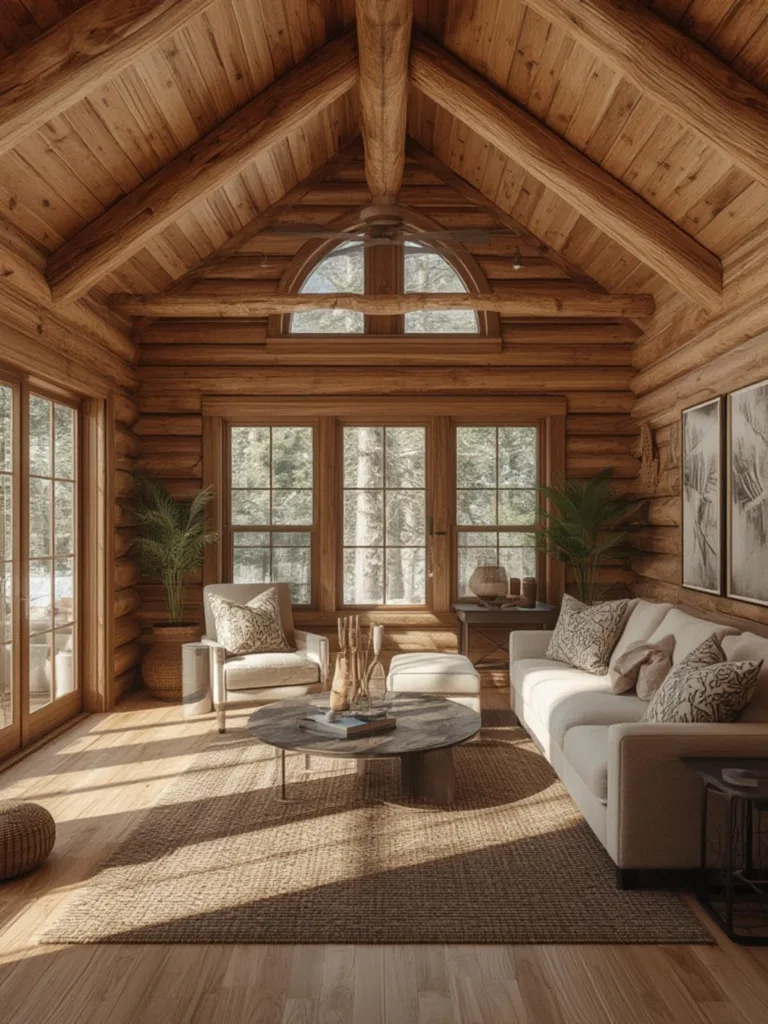
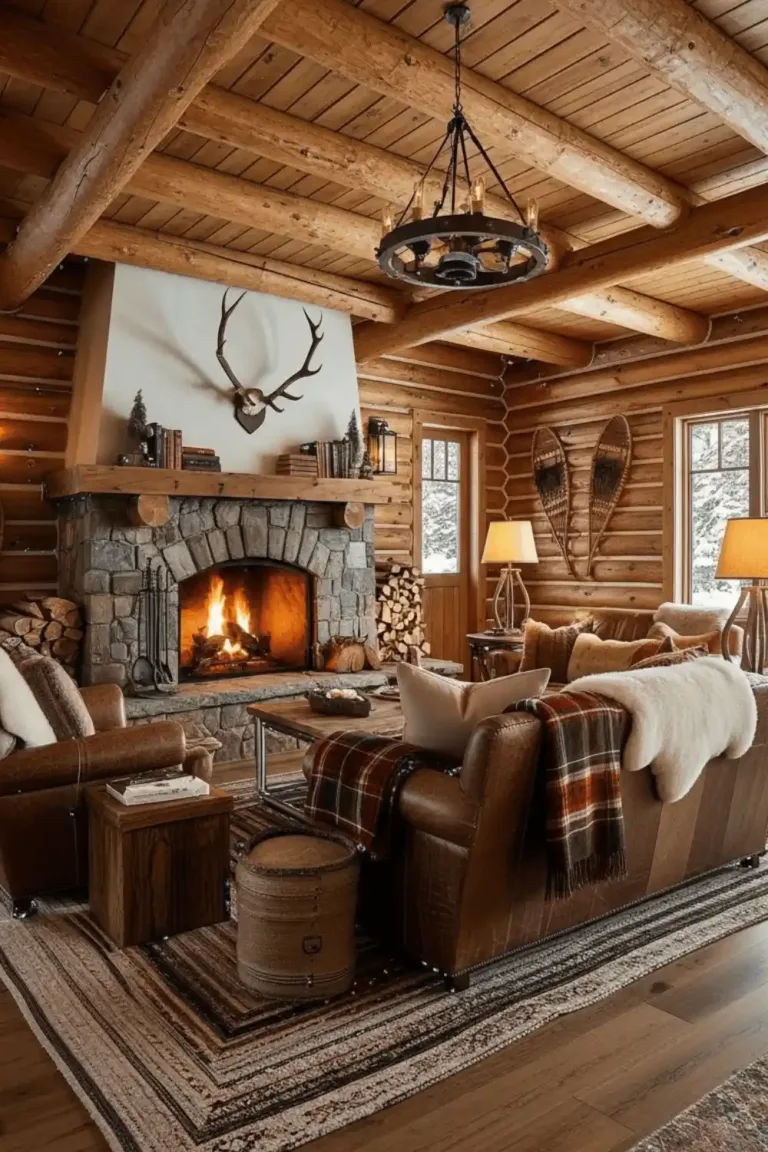
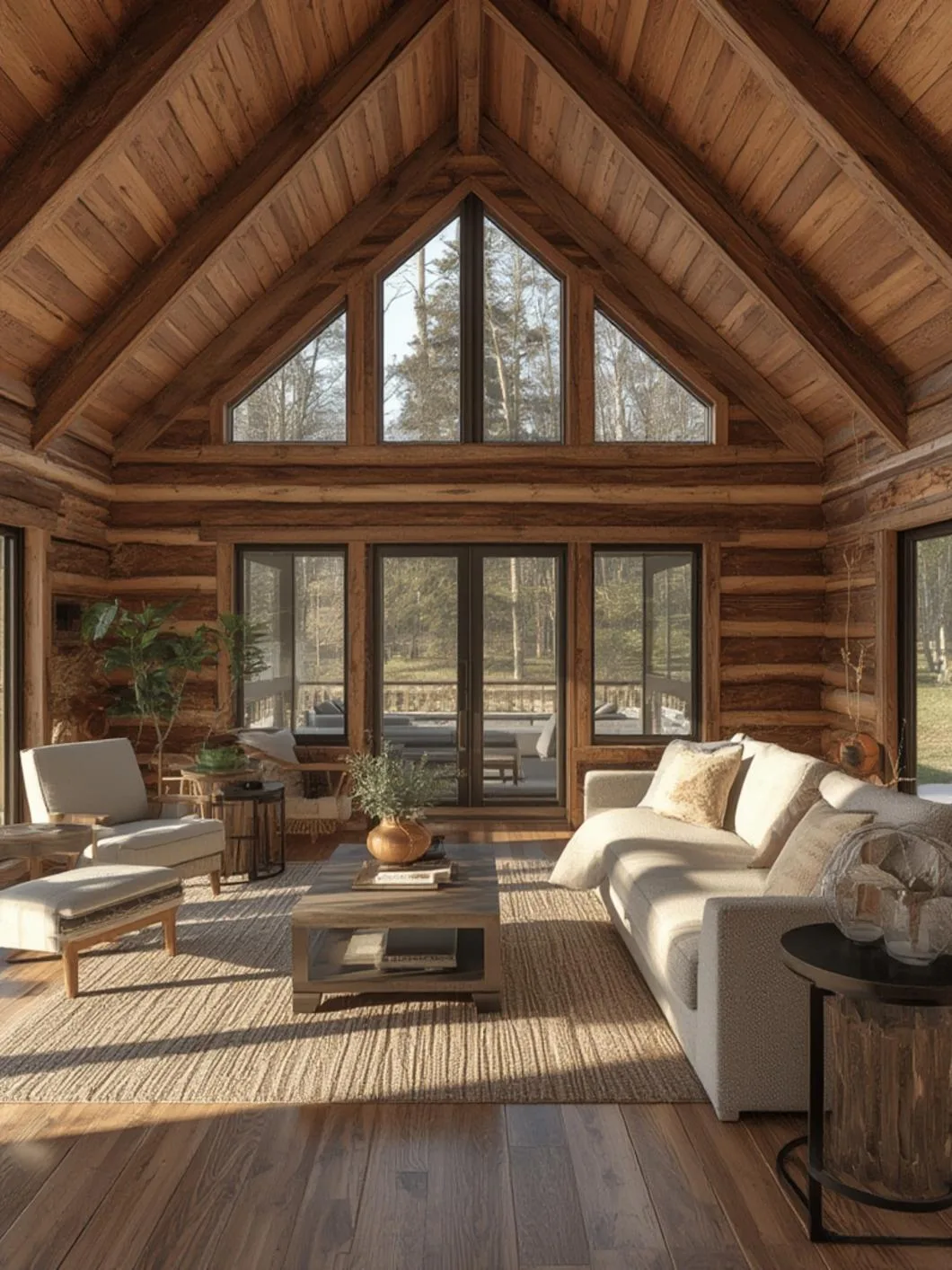
Traditional cabin design features exposed wooden beams, stone fireplaces, and warm, earthy color palettes dominated by browns, deep greens, rusts, and warm neutrals. This style works beautifully in rural settings but can also transform urban apartments and suburban homes into cozy retreats. The key is balancing rustic elements with modern convenience to create spaces that feel authentic yet comfortable for contemporary living.
Materials, Colors & Key Elements
Essential Materials:
– Wood: Pine, cedar, oak, and reclaimed timber for furniture, flooring, and accent walls
– Stone: River rock, fieldstone, or manufactured stone veneer for fireplaces and accent walls
– Natural textiles: Wool, cotton, linen, and leather for upholstery and accents
– Metal accents: Wrought iron, copper, or aged brass fixtures and hardware
Color Palette:
– Base colors: Warm neutrals, earthy browns, and soft creams
– Accent colors: Forest greens, burgundy, rust, navy, and burnt orange
– Natural finishes: Clear varnishes that highlight wood grain rather than mask it
Key Furniture Elements:
– Solid wood pieces with visible grain and natural edges
– Leather or fabric upholstery in natural tones or classic patterns
– Handcrafted or artisanal items that showcase craftsmanship
– Vintage or antique pieces that tell a story
Budget-Friendly Alternatives:
– Wood-look luxury vinyl plank flooring instead of solid hardwood
– Faux stone panels rather than natural stone veneer
– Thrifted furniture pieces updated with new upholstery
– DIY wooden accent walls using affordable pine boards
Timing, Budget & Planning
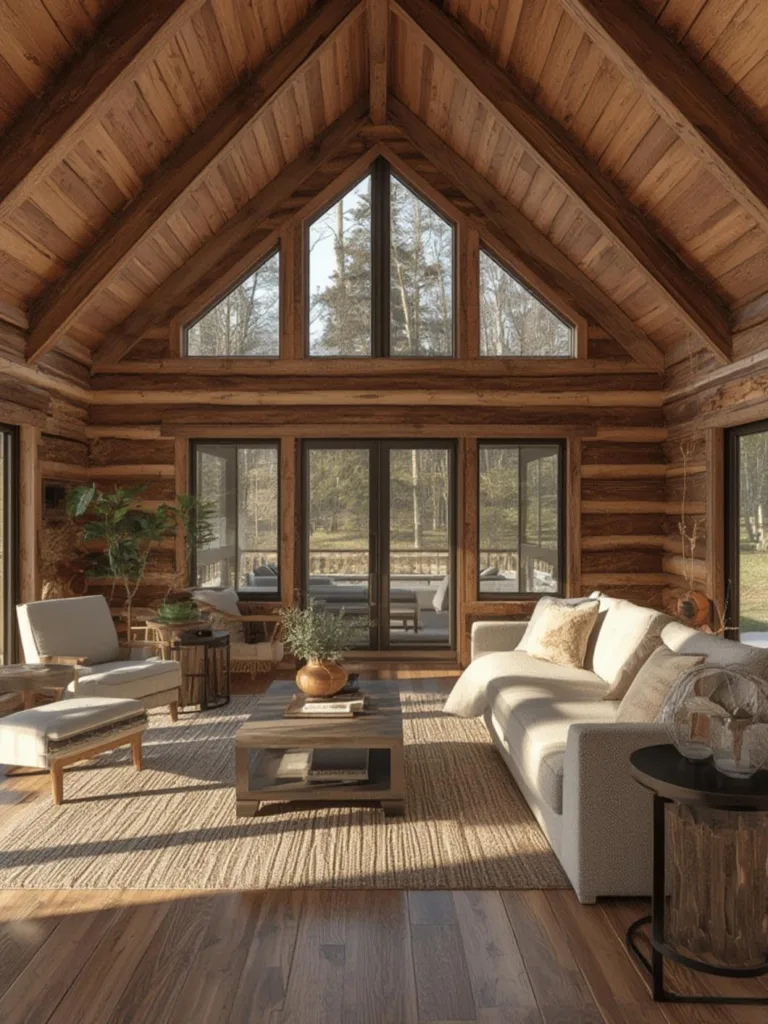
Implementing log cabin-inspired design can range from simple weekend projects to comprehensive renovations. For planning purposes, consider these budget guidelines:
- Small-Scale Transformation ($500-$2,000):
– Accent wall treatments (wood planking or faux stone)
– Rustic lighting fixtures and hardware updates
– Textile additions (throw pillows, blankets, curtains)
– Statement furniture piece (coffee table or bookshelf)
– Implementation time: 1-3 weekends - Medium-Scale Projects ($2,000-$8,000):
– Flooring upgrades in main living areas
– Fireplace refacing with stone or reclaimed wood
– Custom built-ins or window treatments
– Multiple furniture replacements
– Implementation time: 1-3 months - Full Renovation ($10,000-$50,000+):
– Structural changes to create open-beam ceilings
– Complete kitchen or bathroom renovations
– Custom millwork throughout
– Comprehensive furniture and decor replacement
– Implementation time: 3-12 months
For apartment dwellers or renters, focus on removable elements like furniture, lighting, textiles, and free-standing decorative items that can create cabin ambiance without permanent changes.
Step-by-Step Guide
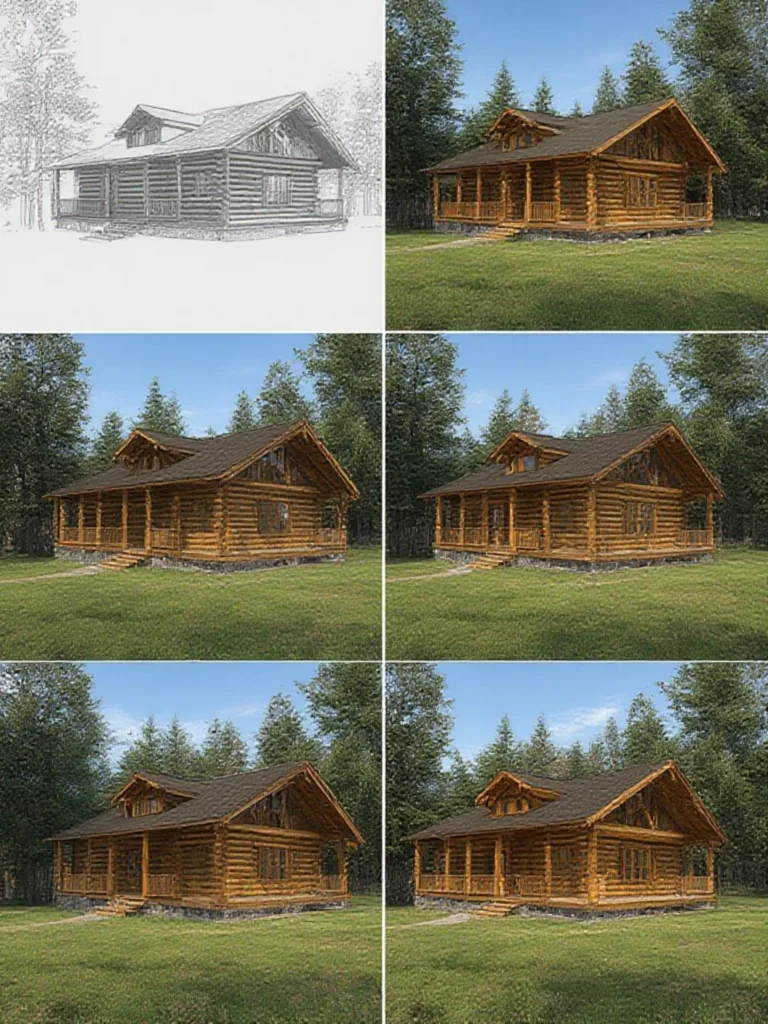
- 1. Assess Your Space
Start by evaluating your existing space, noting architectural features that could be highlighted or areas that need improvement. Consider how well-designed log cabin floor plans maximize natural light while maintaining cozy, defined areas. - 2. Create a Mood Board
Collect images, material samples, and color swatches that represent your vision. Include examples of authentic log cabin designs that inspire you, noting specific elements you want to incorporate. - 3. Start With the Walls
Transform your space with wood paneling, shiplap, or a stone accent wall. For a less permanent option, consider wood-look wallpaper or peel-and-stick plank options. - 4. Address the Flooring
Install hardwood, engineered wood, or wood-look laminate in warm tones. Area rugs with geometric patterns or wildlife motifs can add cabin character to existing floors. - 5. Focus on the Ceiling
If possible, expose beams or add faux wood beams. In spaces with standard ceilings, consider wood planking or a warm, nature-inspired paint color. - 6. Upgrade Lighting
Replace modern fixtures with rustic chandeliers, lantern-style pendants, or lamps with wooden or wrought iron bases. Add warm-toned LED bulbs to create a soft, golden glow. - 7. Select Statement Furniture
Choose solid wood pieces with visible grain and sturdy construction. Incorporate comfortable seating with natural upholstery and plenty of texture. - 8. Layer in Textiles
Add plaid blankets, faux fur throws, wool pillows, and natural fiber rugs to create warmth and dimension. - 9. Accessorize Thoughtfully
Select decor that connects to nature: botanical prints, antlers (real or reproductions), pinecones, and handcrafted pottery. Avoid overdoing themed items like bears or moose. - 10. Bring in Natural Elements
Complete the look with houseplants, branches in tall vases, stone collections, or other elements that echo the outdoor setting of traditional cabins.
Benefits & Functional Advantages
The log cabin aesthetic offers numerous practical benefits beyond its visual appeal:
- – Timelessness: Unlike trendy designs that quickly become dated, cabin-inspired interiors have remained desirable for generations.
- – Durability: Natural materials like wood and stone age beautifully and can withstand daily wear and tear.
- – Comfort: The emphasis on soft textiles, comfortable seating, and warm materials creates naturally inviting spaces.
- – Versatility: Cabin elements work in various architectural settings, from contemporary homes to traditional structures.
- – Connection to nature: Biophilic design principles inherent in cabin aesthetics have been shown to reduce stress and improve wellbeing.
- – Sustainability potential: Using reclaimed wood, local materials, and natural fibers can reduce environmental impact.
Alternative Styles & Customization Ideas
The classic log cabin look can be adapted to suit various preferences:
- Modern Cabin:
Combine clean lines and minimalist furniture with rustic textures. Use larger windows, fewer accessories, and a more restrained color palette with strategic wood accents. - Scandinavian Cabin:
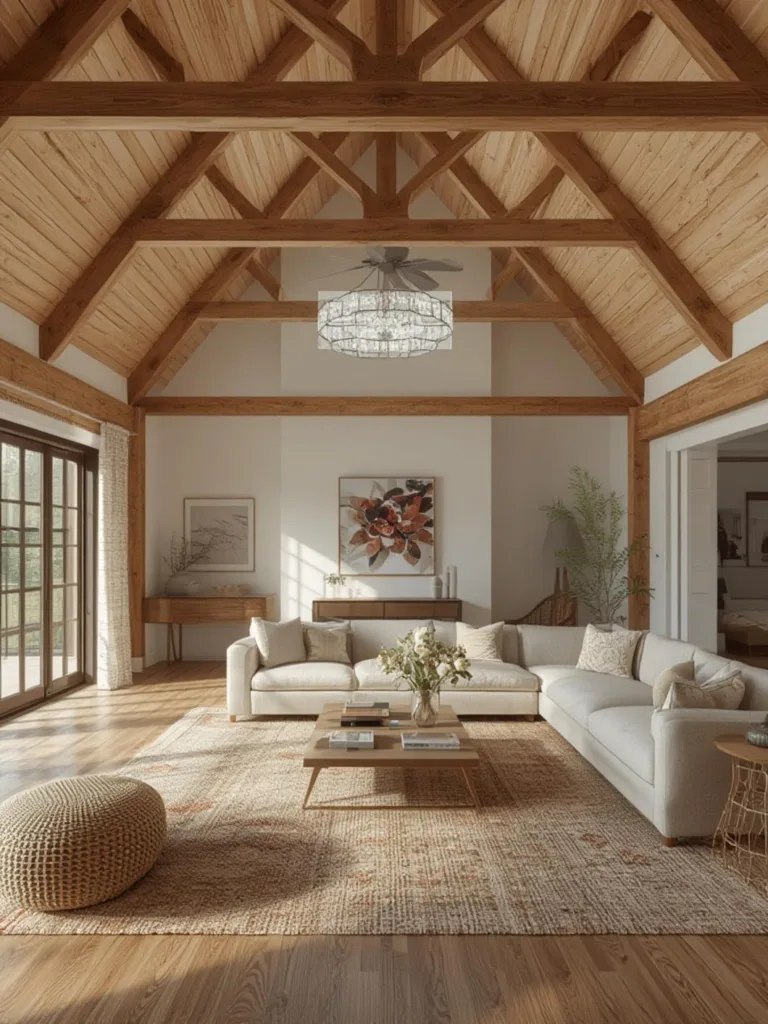
Lighten the traditional palette with whitewashed woods, pale grays, and soft cream tones. Incorporate hygge elements like candles, simple greenery, and functional design. - Southwestern Cabin:
Infuse cabin basics with terracotta, turquoise, and desert-inspired patterns. Mix leather with Navajo-inspired textiles and incorporate more metal accents. - Coastal Cabin:
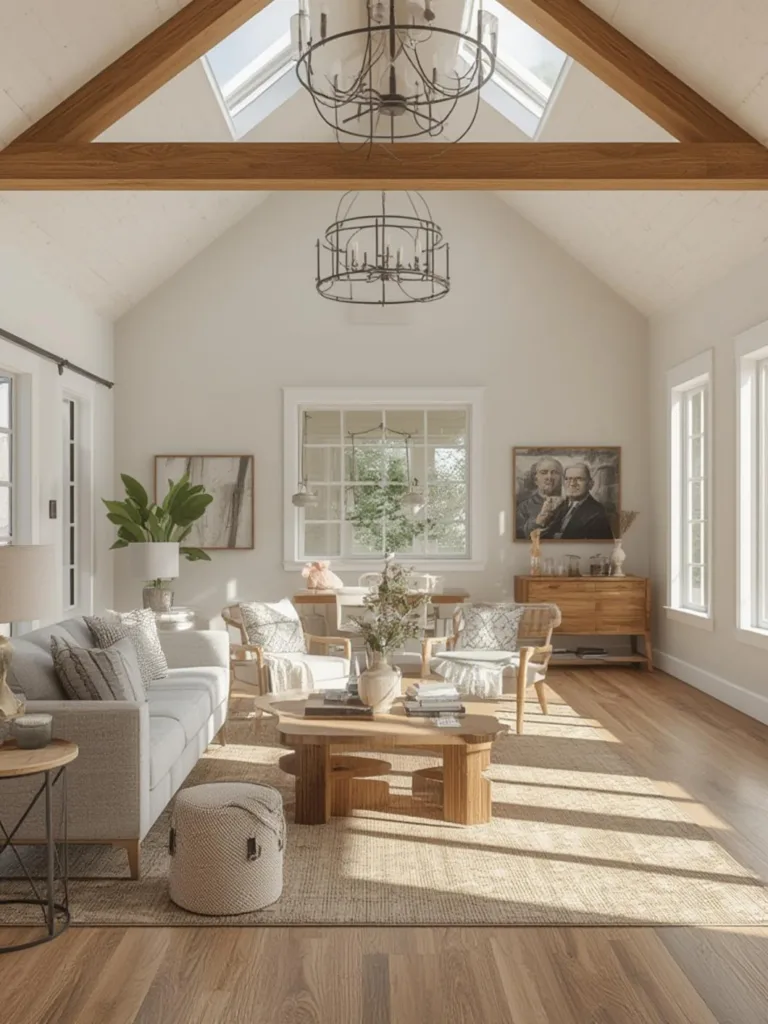
Blend driftwood tones with blues and whites for a beach-cabin hybrid. Use rope accents, lighter woods, and ocean-inspired accessories alongside traditional cabin elements. - Urban Cabin:
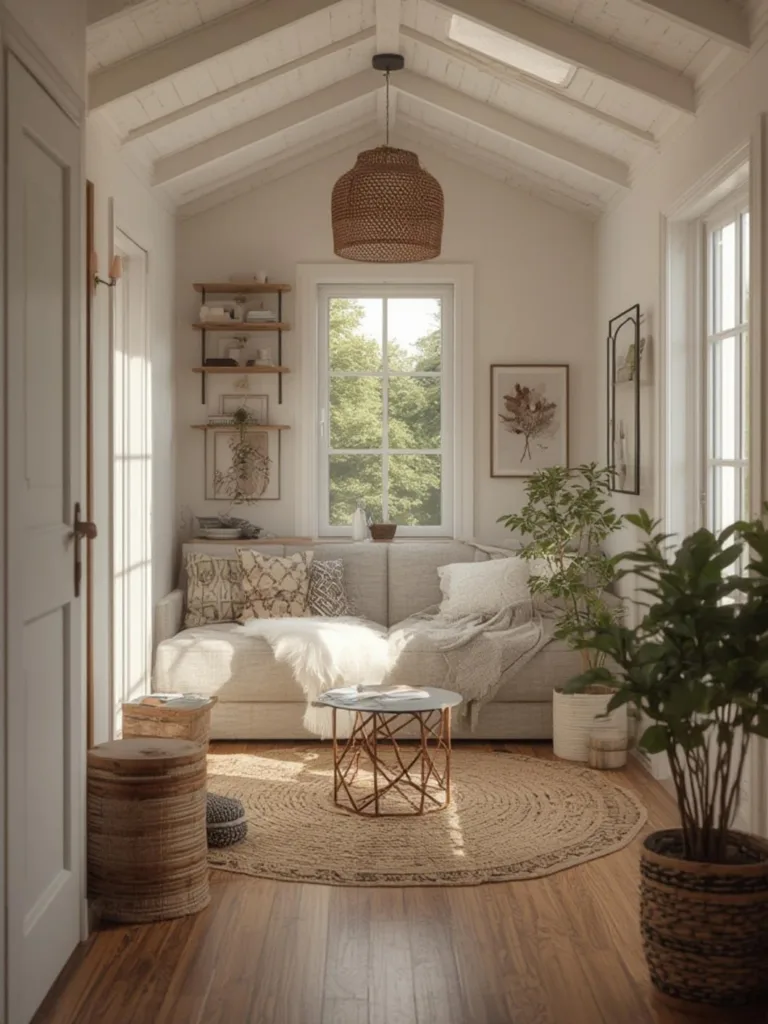
For smaller spaces, focus on texture rather than overwhelming materials. Use wood accents strategically, incorporate industrial elements, and keep the color palette controlled.
Common Mistakes to Avoid
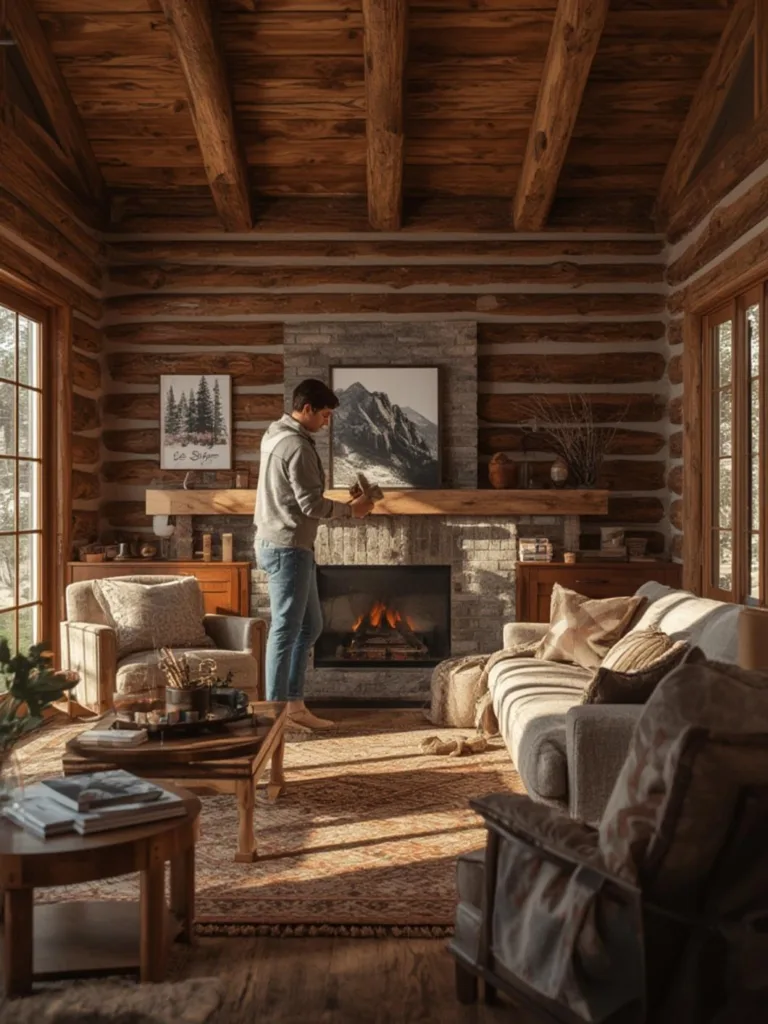
Overdoing Themed Decor:
Problem: Filling spaces with bear figurines, moose-printed everything, and signs that say “Welcome to the Cabin.”
Solution: Choose one or two quality themed pieces and let natural materials speak for themselves.
Inconsistent Wood Tones:
Problem: Mixing too many different wood species and finishes creates visual chaos.
Solution: Select a primary wood tone and keep 70% of visible wood in this family, using contrasting wood as accents only.
Poor Lighting Planning:
Problem: Rustic spaces often become too dark and cave-like.
Solution: Layer lighting with ambient, task, and accent sources. Include reflective surfaces to bounce light around.
Sacrificing Comfort for Aesthetics:
Problem: Choosing uncomfortable furniture or impractical materials that don’t support daily living.
Solution: Balance authenticity with comfort select pieces that look rustic but offer modern support and durability.
Neglecting Scale:
Problem: Using furniture that’s too large or too delicate for the space.
Solution: Consider ceiling height and room dimensions when selecting furniture. In authentic cabins, lower ceilings require appropriately scaled pieces.
Maintenance & Longevity Tips
To keep your cabin-inspired space looking its best:
- Wood Care:
– Dust wooden surfaces regularly with a microfiber cloth
– Apply appropriate wood conditioner or oil to unsealed surfaces annually
– Keep wood away from direct sunlight to prevent uneven fading
– Maintain 40-60% humidity levels to prevent cracking - Textile Maintenance:
– Rotate cushions and pillows regularly to ensure even wear
– Follow cleaning instructions for natural fibers like wool and leather
– Keep a fabric protector on hand for quick treatment of spills
– Seasonally clean heavy textiles that trap dust and allergens - Keeping It Fresh:
– Rotate accessories seasonally to prevent visual fatigue
– Update secondary textiles (pillows, throws) every few years
– Refinish worn wooden surfaces rather than replacing them
– Incorporate plants and natural elements that can be easily changed
Conclusion
Embracing the warmth and character of log cabin designs offers a timeless approach to creating spaces that feel both grounding and inviting. Whether you’re working with authentic log architecture or simply incorporating cabin-inspired elements into a conventional home, the key lies in celebrating natural materials and craftsmanship. By thoughtfully implementing the principles we’ve discussed and drawing inspiration from efficient log cabin floor plans, you can create a sanctuary that balances rustic charm with modern comfort.
Remember that the most successful cabin interiors tell a story one of connection to nature, appreciation for craftsmanship, and the timeless pursuit of comfort. We encourage you to start small, focusing on elements that bring you joy, and gradually build your perfect cabin-inspired retreat.
FAQs
How can I incorporate cabin style in a small apartment?
Focus on texture rather than overwhelming materials add a wood accent wall, incorporate natural textiles, and select furniture with visible grain. Use warm lighting and nature-inspired art to create atmosphere without bulky architectural elements.
What’s the best way to mix cabin style with existing modern furniture?
Create balance by adding natural textures through accessories wool throws, leather pillows, and wooden accent pieces. Replace select items (like coffee tables or lighting) with more rustic options while maintaining your modern foundation pieces.
Is it possible to create a cabin feel without using dark colors?
Absolutely! Consider a “Scandinavian cabin” approach with lighter woods, whitewashed finishes, and a palette of creams, soft grays, and pale natural tones. Focus on texture rather than deep colors to maintain the cabin essence without the darkness.
How do I prevent my cabin-inspired space from looking outdated?
Balance rustic elements with clean lines, avoid themed accessories, and incorporate some contemporary lighting or art. Update small elements like pillows and decorative objects seasonally, and focus on quality materials that age beautifully rather than trendy interpretations of rustic style.
What are the most cost-effective ways to achieve a cabin look?
Start with textiles (pillows, throws, curtains) in cabin-appropriate patterns and textures. Add a DIY wood accent wall using affordable pine boards. Scout thrift stores for solid wood furniture that can be refinished, and invest in key lighting pieces that transform the mood without requiring structural changes.