7 Timeless Log Cabin Living Room Ideas That Feel Cozy
Have you ever dreamed of unwinding in a cozy mountain retreat after a long day, surrounded by warm wood tones and the crackling sound of a fireplace? The charm of a log cabin living room has captivated homeowners and designers alike, offering a perfect blend of rustic comfort and timeless appeal.
With the rising trend toward natural materials and creating sanctuaries within our homes, it’s no surprise that rustic cabin decor has experienced a significant revival in recent years.
This aesthetic creates spaces that feel both grounding and luxurious a rare combination that explains why cabin-inspired interiors continue to dominate design trends across various platforms and publications.
Table of Contents
Design Concept Overview
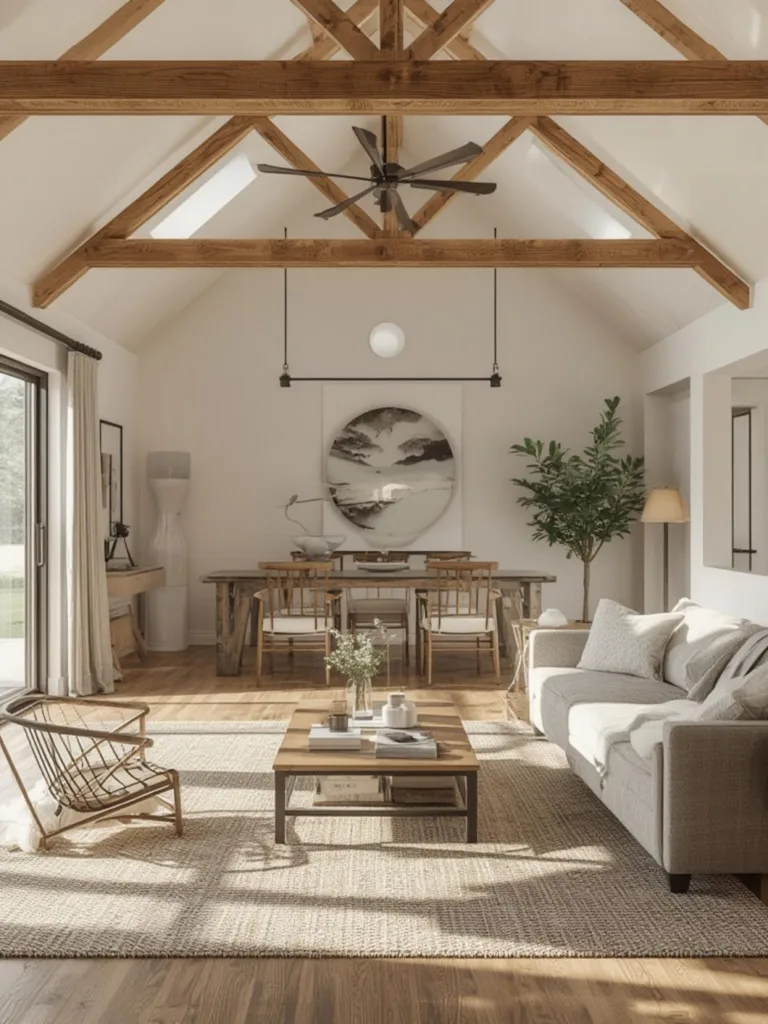
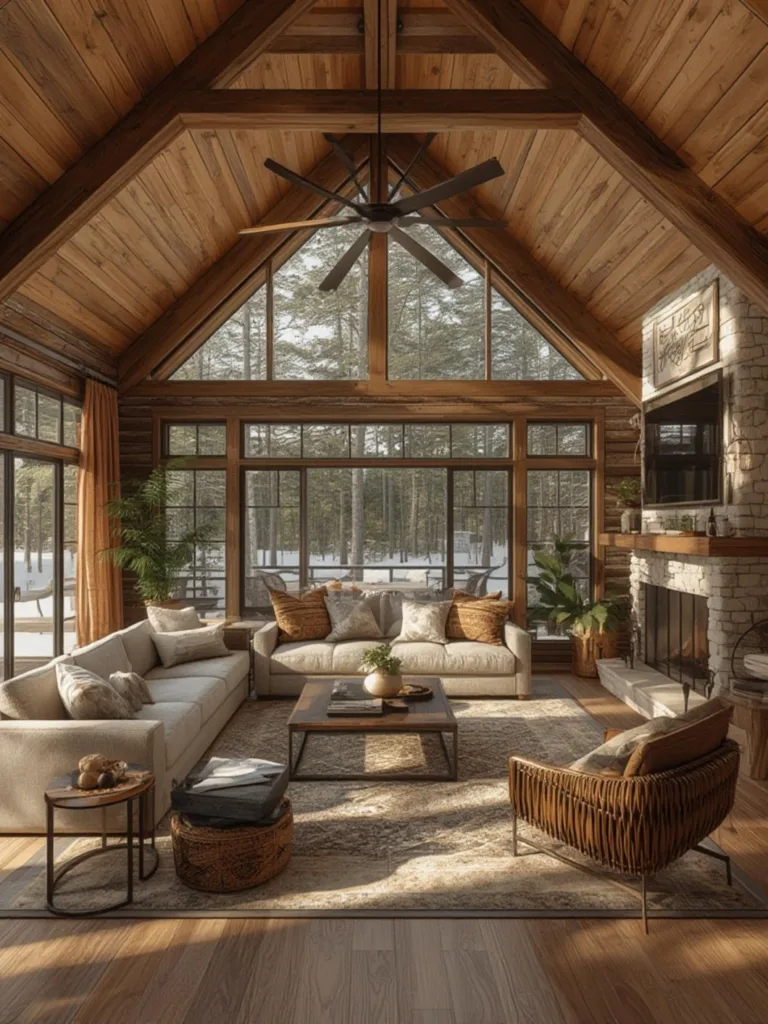
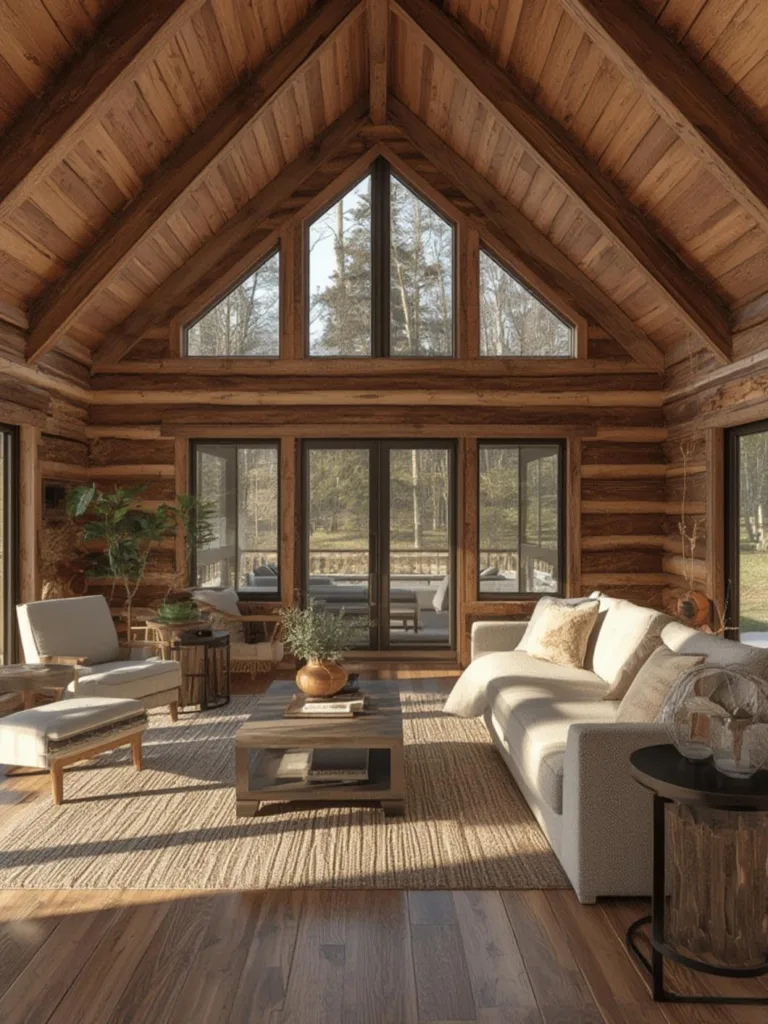
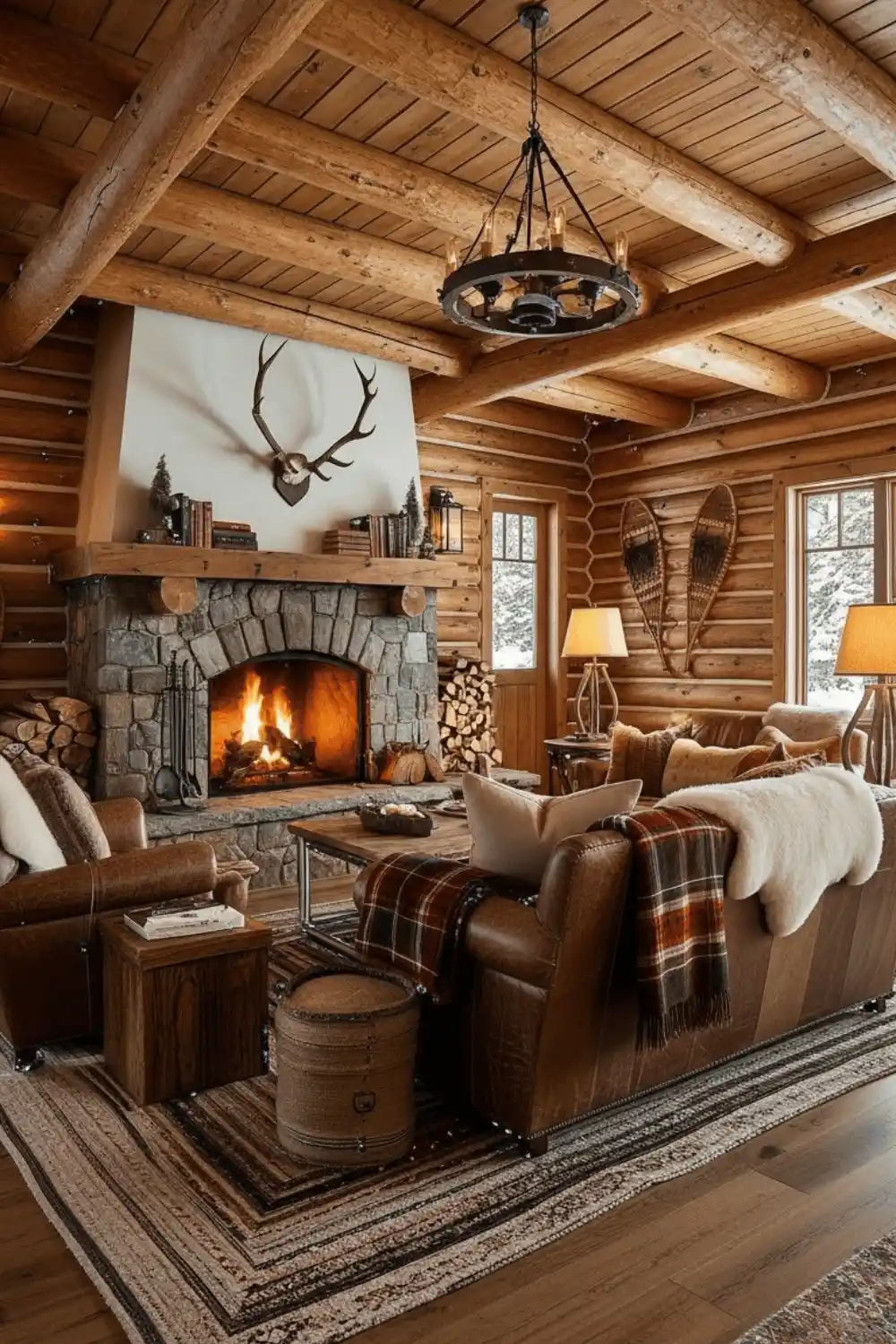
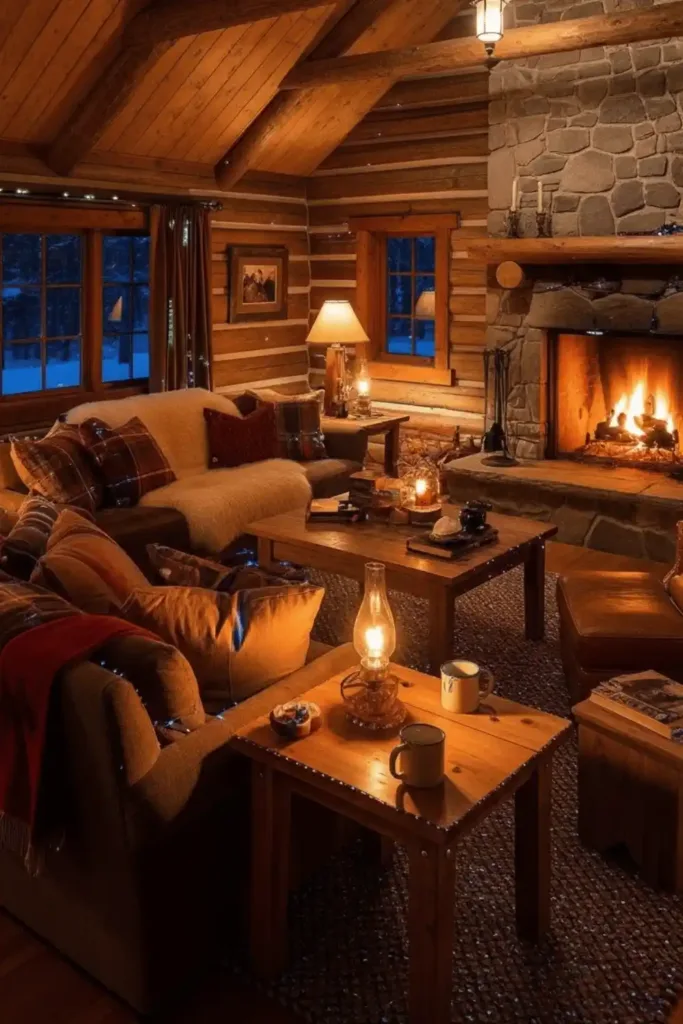
The log cabin living room concept centers around creating a warm, inviting space that celebrates natural materials and craftsmanship. This design philosophy embraces the authentic character of wood, stone, and other organic elements while balancing rustic charm with modern comfort. The overall mood evokes a sense of shelter and coziness a retreat from the outside world.
Typical cabin interiors feature a harmonious color palette of warm neutrals, earthy browns, deep greens, and rich reds. These spaces work exceptionally well in mountain homes, lakeside retreats, and suburban residences where homeowners wish to create a sanctuary-like atmosphere. The style adapts beautifully to both small intimate spaces and grand great rooms with soaring ceilings, making it versatile enough for various architectural contexts.
Materials, Colors & Key Elements
Creating an authentic cabin atmosphere requires thoughtful selection of materials and decor elements:
- Materials:
– Exposed wooden beams (pine, cedar, or reclaimed timber)
– Natural stone (for fireplaces, accent walls, or flooring)
– Hardwood flooring or wood-look alternatives
– Leather upholstery
– Natural textiles (wool, cotton, linen)
– Metal accents in copper, bronze, or wrought iron - Color Palette:
– Rich browns (from light honey to deep chocolate)
– Forest and sage greens
– Deep burgundies and russet reds
– Warm neutrals (cream, beige, tan)
– Black accents for contrast - Key Furniture Elements:
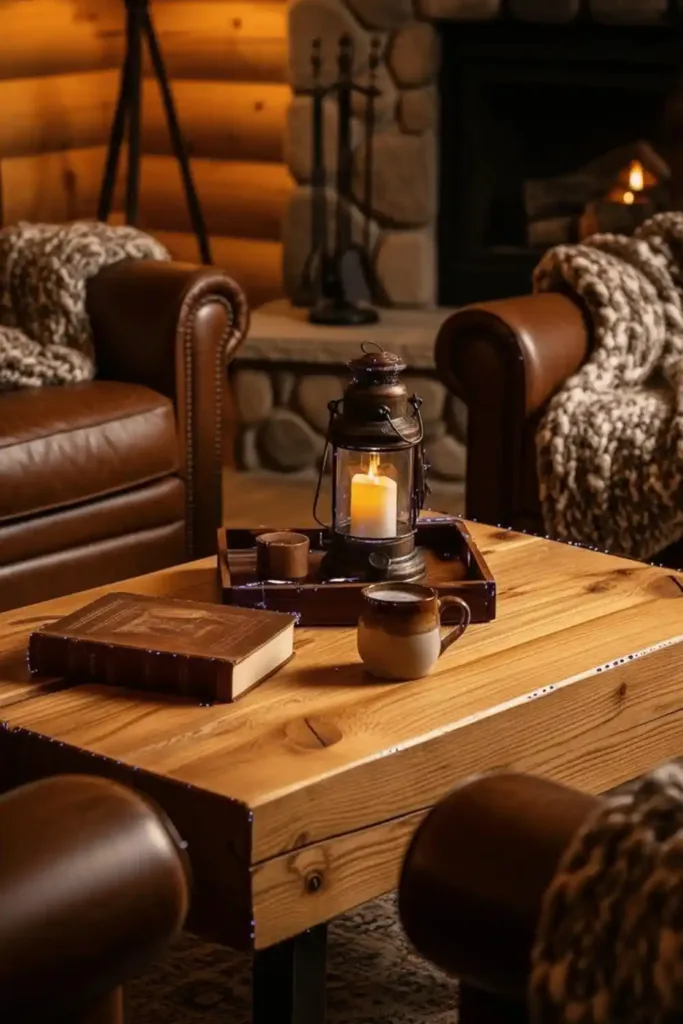
– Substantial wooden coffee table
– Oversized, comfortable seating (leather or fabric upholstery)
– Wooden accent tables with visible grain
– Storage pieces like trunks or wooden cabinets
– Reading nook with adequate lighting - Essential Decor Elements:
– Stone or wood-burning fireplace (or quality electric alternative)
– Wool or faux-fur throw blankets
– Nature-inspired artwork or photography
– Antler or wrought iron lighting fixtures
– Handcrafted accessories like pottery or carved wooden objects
– Indoor plants that thrive in lower light conditions
Budget-friendly alternatives include faux wood beams, stone veneer instead of full stone, and carefully selected reproduction pieces that capture rustic charm without the antique price tag.
Timing, Budget & Planning
Budget Considerations:
– Entry-level transformation: $2,000-$5,000 (focusing on key furniture, textiles, and accessories)
– Mid-range renovation: $5,000-$15,000 (including quality furniture, some architectural elements)
– High-end complete overhaul: $15,000-$50,000+ (structural changes, premium materials, custom elements)
Timeline Expectations:
– Cosmetic refresh: 1-2 weeks
– Moderate renovation: 4-8 weeks
– Major structural changes: 2-4 months
For apartment dwellers or renters, focus on non-permanent elements like furniture, textiles, and lighting. Consider peel-and-stick wood panels for temporary accent walls, free-standing electric fireplaces, and substantial area rugs to create the cabin ambiance without structural changes.
When planning your project, start by creating a mood board featuring your inspiration photos, desired color palette, and key pieces. Prioritize investments based on impact the sofa and fireplace surround typically create the strongest impression in a cabin-style living room.
Step-by-Step Guide
1. Assess Your Space and Architecture
Begin by evaluating your room’s strengths and challenges. High ceilings are perfect for exposed beams, while a focal wall might be ideal for stone or wood paneling. Document measurements carefully before selecting furniture.
2. Create a Focal Point
Most log cabin living room designs center around a fireplace. If you don’t have one, consider an electric insert, a wood stove, or create an alternative focal point with a substantial media console or striking artwork.
3. Layer in Wood Elements
Incorporate wooden elements at different heights and scales flooring, wall treatments, ceiling details, and furniture. Vary the wood tones slightly for a collected-over-time look that’s key to authentic rustic cabin decor.
4. Select the Right Seating
Choose deep, comfortable seating with durable upholstery. Leather ages beautifully in cabin settings, while performance fabrics in natural colors offer practicality for families.
5. Incorporate Natural Stone
Add stone elements through a fireplace surround, accent wall, or even smaller decor items like bookends or coasters.
6. Layer Textiles Strategically
Add warmth through textured textiles wool throws, plaid pillows, and substantial area rugs. Aim for at least three different textures within your textile selections.
7. Install Appropriate Lighting
Create a layered lighting plan with ambient lighting (recessed fixtures or ceiling-mounted options), task lighting for reading areas, and accent lighting to highlight architectural features.
8. Add Authentic Accessories
Select a few high-impact accessories rather than numerous small items. Consider vintage finds, handcrafted pieces, and items with a story or connection to nature.
9. Incorporate Living Elements
Add houseplants, fresh-cut branches, or seasonal natural elements to bring life and freshness to the space.
10. Edit Thoughtfully
The most successful cabin interiors balance coziness with restraint. Remove anything that feels inauthentic or creates visual clutter.
Benefits & Functional Advantages
The cabin living room aesthetic offers numerous practical benefits beyond its visual appeal:
- – Enhanced thermal comfort: The substantial materials and layered textiles naturally create a space that feels warmer and more insulated.
- – Improved acoustic properties: Wood and textiles absorb sound, creating a quieter, more peaceful environment.
- – Durability and longevity: Quality rustic furniture typically features solid construction that withstands years of use.
- – Versatile entertainment space: The cozy atmosphere naturally encourages conversation and connection.
- – Stress reduction: Research suggests that natural materials and nature-inspired spaces can lower cortisol levels and promote relaxation.
- – Timeless appeal: Unlike trend-driven designs, cabin aesthetics rarely feel dated, resulting in a space that remains relevant for decades.
- – Indoor-outdoor connection: The nature-inspired elements create visual continuity with outdoor landscapes, especially valuable for properties with scenic views.
Alternative Styles & Customization Ideas
The traditional cabin aesthetic can be adapted to suit various preferences:
- Modern Cabin: Maintain wood elements but incorporate cleaner lines, minimal accessories, and a more restrained color palette. Consider adding contemporary lighting and abstract art that references natural forms.
- Scandinavian-Inspired: Lighten the typical cabin palette with whitewashed woods, lighter textiles, and a focus on hygge-inspired comfort elements. This approach works especially well in spaces with limited natural light.
- Southwestern Cabin: Incorporate Native American patterns, terracotta tones, and desert-inspired accessories for a cabin style suited to southwestern landscapes.
- Lakehouse Variation: Introduce nautical elements, blues, and whites alongside traditional cabin materials for a freshwater retreat feel.
- Urban Cabin: For city dwellings, create a cabin-inspired space with industrial elements like steel, exposed brick, and more streamlined furniture while maintaining wood accents and cozy textiles.
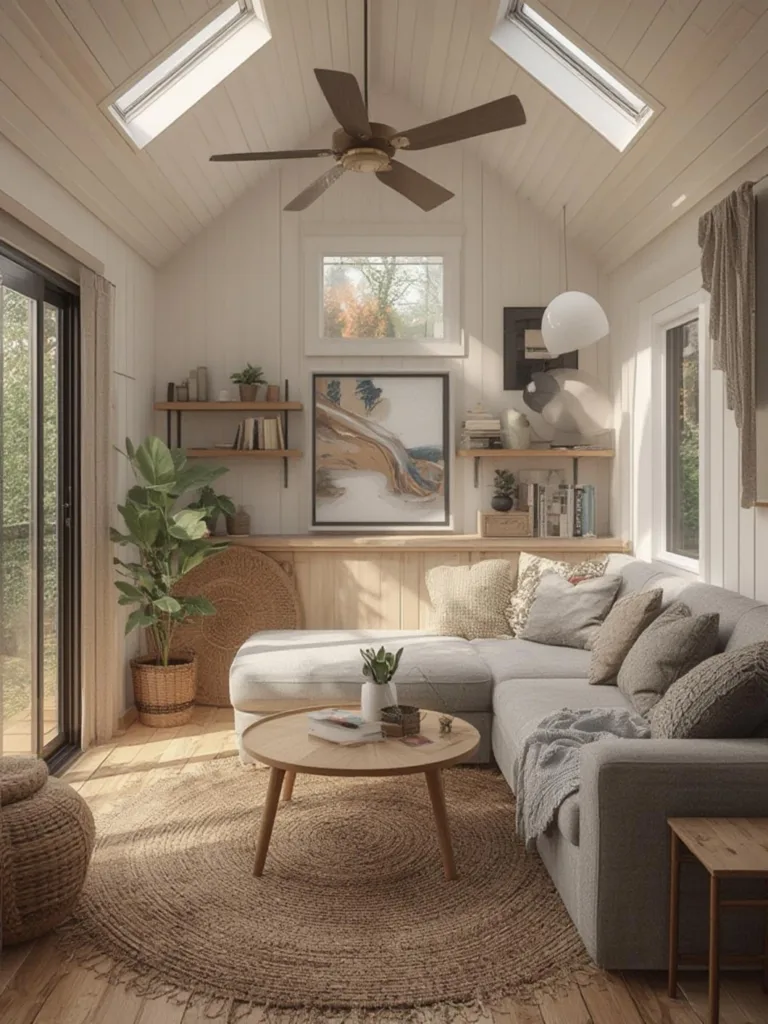
For smaller spaces, focus on the tactile experience rather than overwhelming architectural elements. A studio apartment can capture cabin essence through carefully selected furnishings, appropriate lighting, and thoughtful accessorizing without structural modifications.
Common Mistakes to Avoid
Overdoing the Theme: Avoid turning your space into a cabin caricature with excessive themed accessories like bears, moose, and pinecones. Instead, let authentic materials and quality craftsmanship speak for themselves.
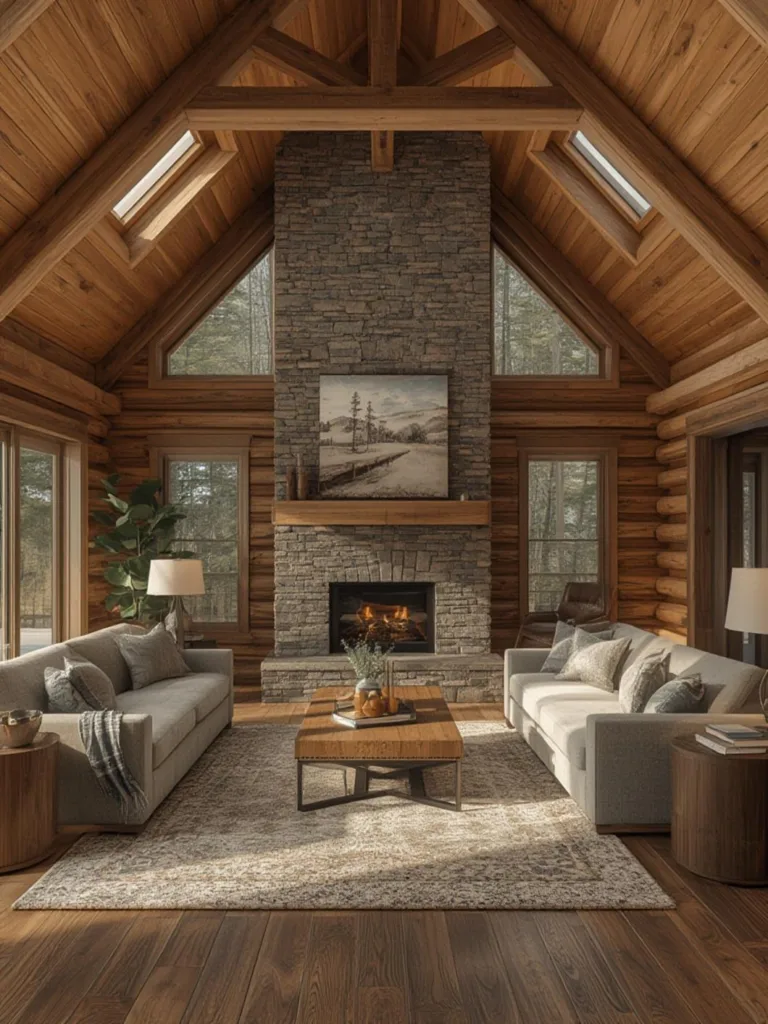
Improper Scale: Many homeowners select furniture that’s too small for cabin spaces. Embrace substantial pieces that complement the architectural weight of wooden beams and stone elements.
Ignoring Lighting Needs: Cabin spaces can appear dark due to wood tones absorbing light. Counteract this with a comprehensive lighting plan including ambient, task, and accent lighting.
Material Monotony: Using a single wood tone throughout creates a flat, one-dimensional look. Instead, incorporate varied wood species and finishes for depth and visual interest.
Neglecting Contrast: Too much visual consistency makes spaces feel flat. Introduce contrast through lighter textiles, metallic accents, or contemporary elements to create visual tension and interest.
Prioritizing Appearance Over Comfort: The most beautiful cabin space fails if it’s uncomfortable. Invest in quality seating, consider traffic flow, and ensure the space functions for your actual lifestyle.
Insufficient Textiles: Cabin spaces require abundant soft elements to balance hard surfaces. Underestimating textile needs results in spaces that feel cold and unwelcoming despite woody warmth.
Maintenance & Longevity Tips
To maintain your cabin-inspired living room’s beauty for years to come:
- Wood Care: Apply appropriate wood conditioners or oils to maintain moisture levels in exposed beams and furniture. Avoid placing wooden pieces in direct sunlight to prevent uneven fading.
- Textile Rotation: Establish a seasonal rotation for throw pillows and blankets to prevent wear patterns and keep the space feeling fresh.
- Strategic Cleaning: Invest in appropriate cleaning products for each material specialized leather conditioners, stone cleaners, and wood polishes will extend the life of your investments.
- Seasonal Adjustments: Lighten the space during summer months by removing heavier throws and darker accessories. In winter, layer in additional textiles and warmer-toned elements.
- Preventative Maintenance: Address any water stains, scratches, or damage promptly before they worsen. Keep a touch-up kit for your wood finishes.
- Thoughtful Updates: When updating your space, focus on textiles and accessories first. These less expensive elements can refresh the entire room without requiring major investments.
- Air Quality Management: Wood-burning fireplaces require proper maintenance and ventilation. Schedule annual chimney inspections and consider air purifiers during heavy use seasons.
Conclusion
Creating a welcoming log cabin living room is about more than following design trends it’s about crafting a space that tells your story while providing genuine comfort and connection to natural elements. By focusing on quality materials, thoughtful design decisions, and authentic expressions of rustic cabin decor, you can transform any living space into a retreat that nurtures well-being and creates lasting memories.
Whether you’re renovating a genuine log home or bringing cabin warmth to a suburban residence, the principles of balance, authenticity, and comfort will guide you toward a space that feels both timeless and personally meaningful. Take your time with the process, invest in pieces that resonate with you, and remember that the most beautiful cabin spaces evolve naturally over time.
FAQs
How can I create a cabin feel in my living room without major renovations?
Focus on introducing wooden furniture with visible grain, layering textiles like wool throws and plaid pillows, adding warm lighting through table lamps with fabric or paper shades, and incorporating natural elements like stone coasters or driftwood art. Wall treatments like peel-and-stick wood planks can create significant impact without structural changes.
What’s the ideal furniture layout for a cabin-style living room?
Arrange seating to focus on both conversation and the room’s focal point (typically the fireplace). Consider a substantial sofa facing two chairs with a coffee table between, creating a balanced conversation area. If space allows, include a separate reading nook with adequate task lighting and a side table for beverages.
How do I prevent my cabin living room from feeling too dark or heavy?
Balance darker wood elements with lighter textiles, incorporate mirrors to reflect available light, ensure adequate layered lighting (including uplighting to highlight ceiling features), and consider lighter wood species or whitewashed finishes for some pieces. Adding metallic accents like copper or brass also helps reflect light and add brightness.
What are budget-friendly alternatives to expensive cabin materials like solid wood beams and stone?
Consider faux wood beams made from lightweight polyurethane, stone veneer instead of full stone masonry, engineered wood flooring, and carefully selected reproduction furniture pieces. Thrift stores and estate sales often yield authentic wooden pieces at fraction of retail prices, while natural-looking textiles can be found at budget retailers.
How can I modernize a traditional cabin interior while maintaining its rustic charm?
Introduce clean-lined furniture alongside more rustic pieces, incorporate contemporary lighting fixtures, add abstract art in natural tones, reduce the number of accessories while focusing on a few high-impact pieces, and consider a slightly lighter color palette. Maintaining wood elements while updating textiles and accessories creates the perfect balance of timeless and current design.