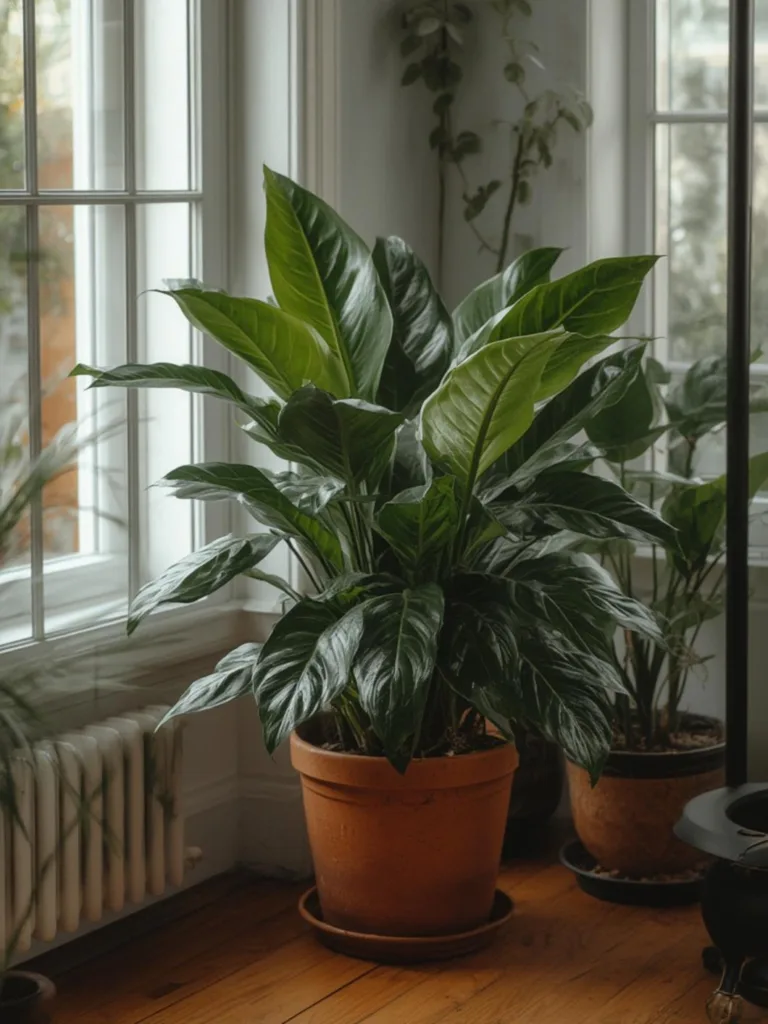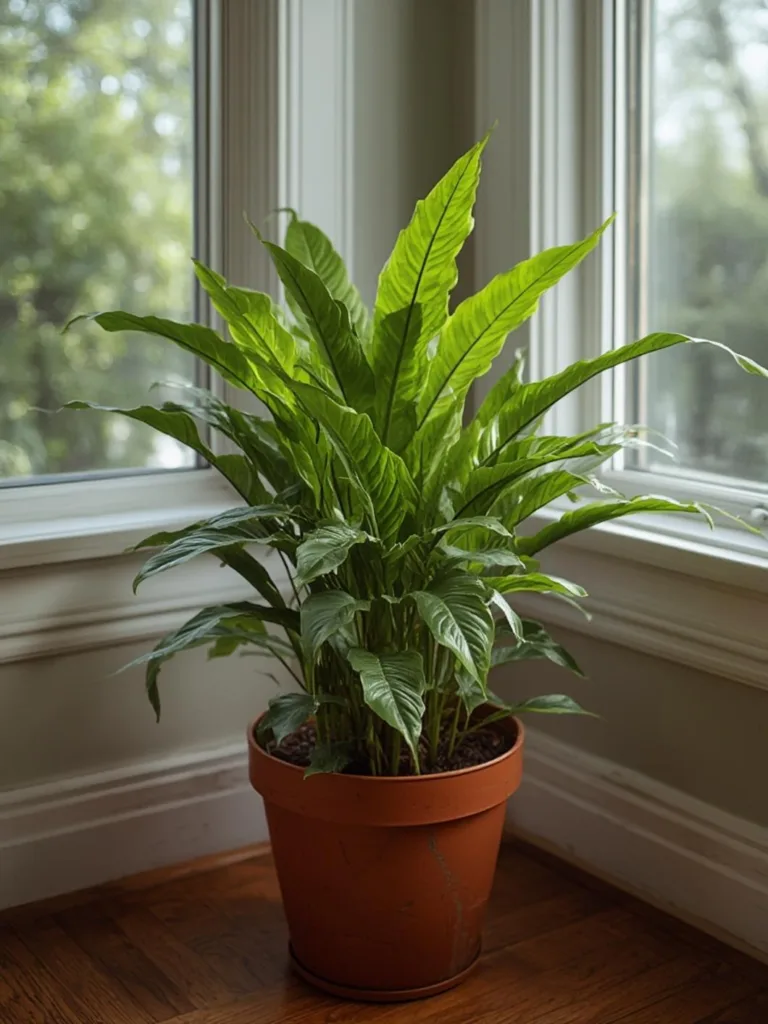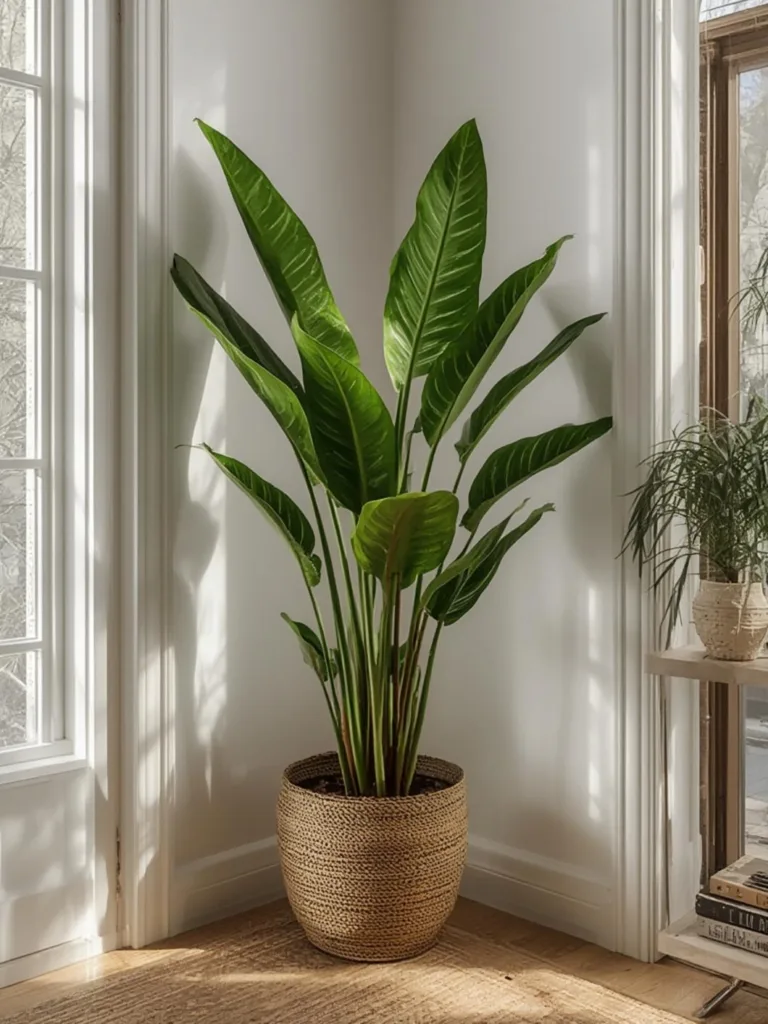
Quick way to grow Fiddle leaf fig in 7 steps
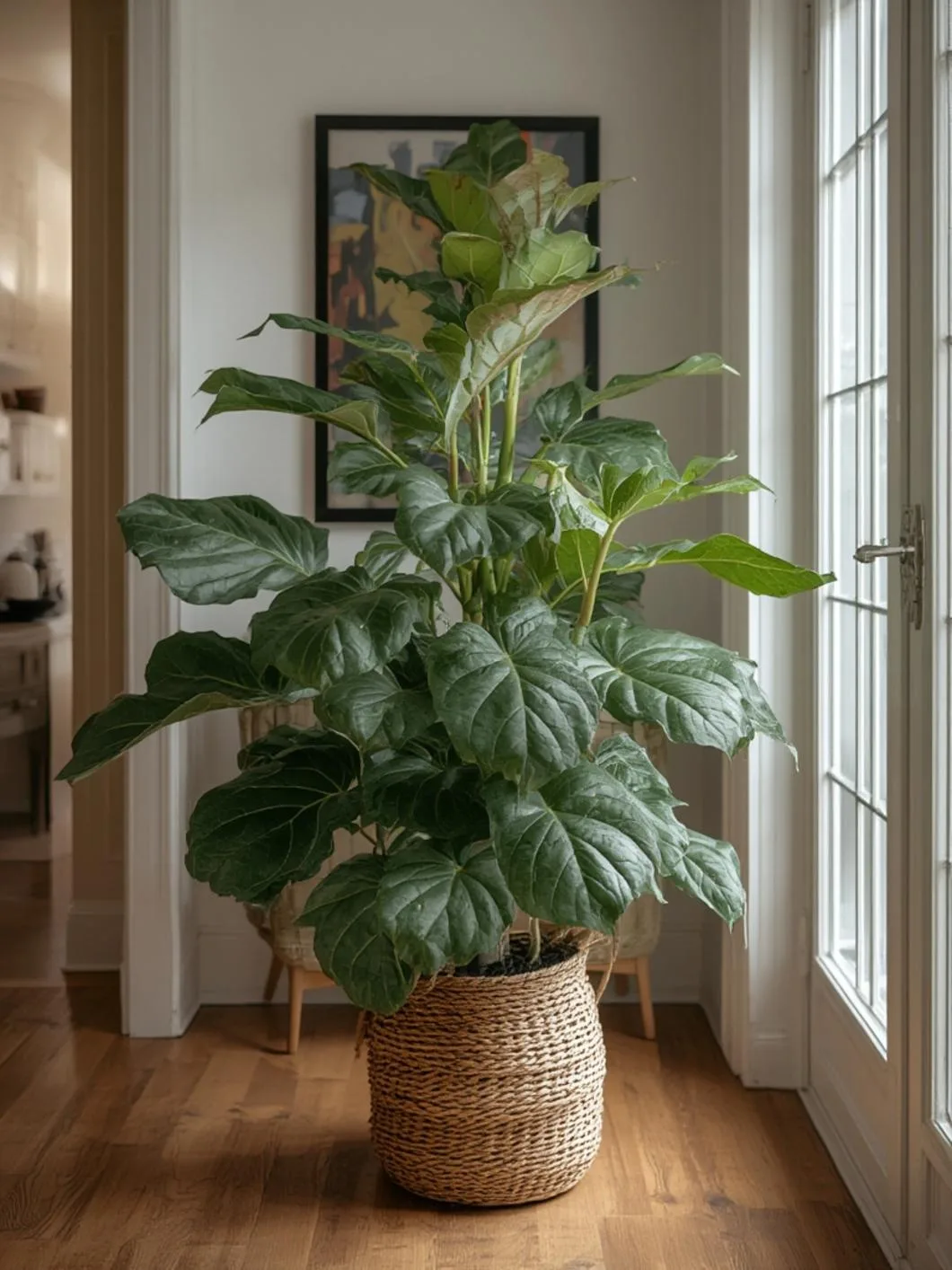
Have you ever walked into a stylish home and been captivated by a striking, tall plant with large, violin-shaped leaves? Chances are, you’ve encountered the magnificent Fiddle leaf fig (Ficus lyrata), one of today’s most coveted houseplants. Despite its Instagram-worthy appearance, this stunning tropical plant has gained a reputation for being somewhat finicky. But don’t worry with the right knowledge about watering schedules, light requirements, and proper Fiddle leaf fig pruning techniques, you can successfully grow this architectural beauty in your home, creating an instant focal point that elevates your indoor space.
Table of Contents
Materials & Supplies
Before bringing home your fiddle leaf fig, gather these essential items to ensure it thrives:
- Large pot with drainage holes (10-12 inches for young plants, larger for mature specimens)
- Well-draining potting soil (indoor plant mix or aroid mix)
- Watering can with a narrow spout for controlled watering
- Moisture meter to prevent over or underwatering
- Plant mister for humidity maintenance
- Pruning shears (sharp and clean for proper trimming)
- Plant fertilizer (balanced liquid fertilizer diluted to half-strength)
- Microfiber cloth for dusting large leaves
- Plant stand or rolling plant caddy (optional, for mobility)
- Grow light (optional, for lower light environments)
- Plant support stake (for young or leaning plants)
- Root hormone (optional, for propagation)
Timing / Growing Schedule
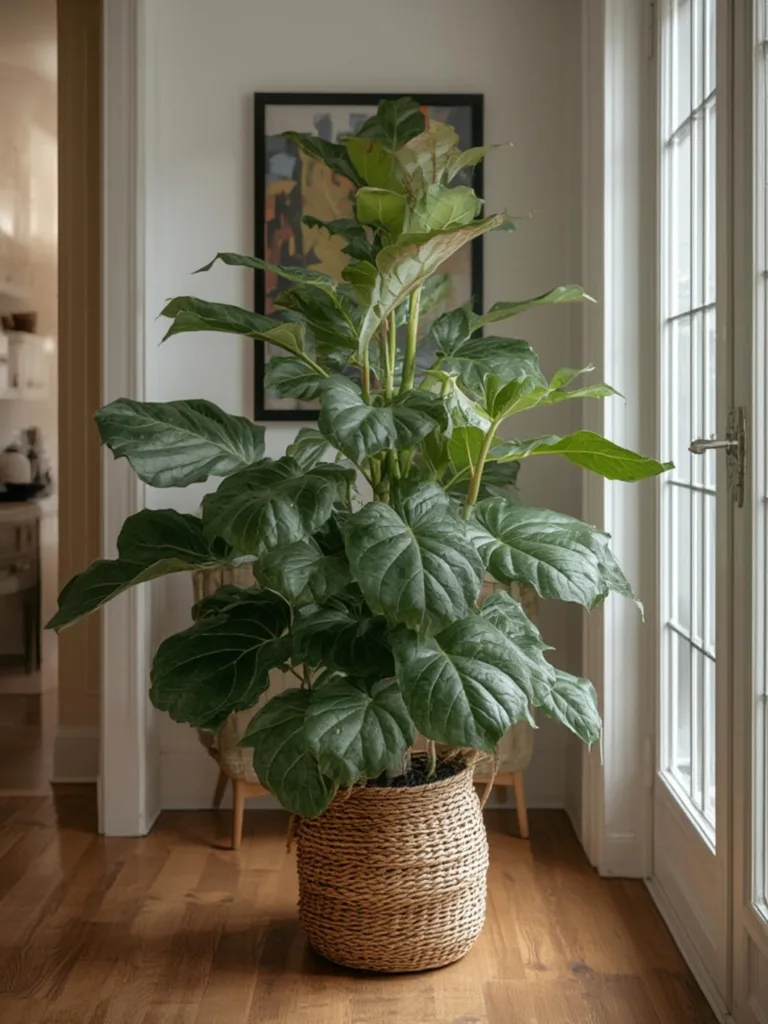
Understanding the growth cycle of your fiddle leaf fig helps establish proper care routines:
Growth Season: Spring and summer represent the active growth period when your fiddle leaf fig will produce new leaves and require more attention.
Dormancy Period: Fall and winter bring slower growth, requiring less water and no fertilization.
Watering Schedule:
– Spring/Summer: Water when the top 1-2 inches of soil feels dry (approximately every 7-10 days)
– Fall/Winter: Reduce watering to every 2-3 weeks
Fertilization Timeline:
– Begin fertilizing in early spring (March/April)
– Continue monthly through summer
– Stop fertilizing by early fall (September)
Repotting Frequency: Every 18-24 months, preferably in spring before the growing season begins.
A mature fiddle leaf fig grows slowly, adding about 1-2 feet per year under ideal conditions until reaching its indoor maximum height of 6-10 feet.
Step-by-Step Instructions
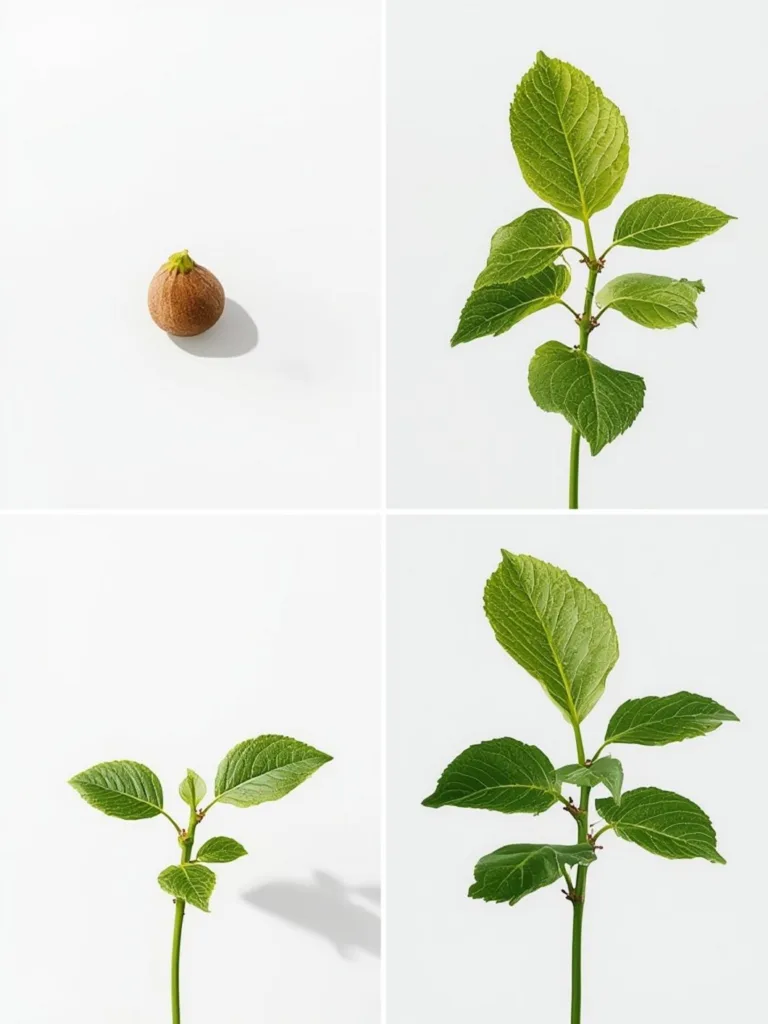
1. Selecting the Perfect Location
Find a bright spot with indirect sunlight, ideally near an east or north-facing window. Avoid direct afternoon sun which can scorch the leaves.
Pro Tip: Rotate your Fiddle leaf fig a quarter turn weekly to ensure even growth and prevent leaning toward the light source.
2. Establishing a Watering Routine
Water thoroughly when the top 1-2 inches of soil feels dry to the touch.
Pro Tip: Water until it flows from the drainage holes, then empty the saucer after 30 minutes to prevent root rot.
3. Creating Optimal Humidity
Maintain 40-60% humidity around your plant through misting, pebble trays, or a humidifier.
Pro Tip: Group plants together to create a naturally humid microclimate.
4. Implementing Proper Fiddle leaf fig pruning
Remove damaged or yellowing leaves at the base of the stem using clean, sharp shears.
Pro Tip: For shaping, cut just above a node (where leaves emerge) to encourage branching and a fuller appearance.
5. Fertilizing Effectively
Apply a diluted liquid fertilizer monthly during growing season.
Pro Tip: Flush the soil with plain water every few months to prevent fertilizer salt buildup.
6. Cleaning the Leaves
Wipe leaves with a damp microfiber cloth monthly to remove dust and improve photosynthesis.
Pro Tip: Support the leaf from underneath while wiping to prevent tearing or damage.
7. Repotting When Necessary
Repot when roots begin circling the pot or growing through drainage holes.
Pro Tip: Choose a pot only 2-3 inches larger than the current one to prevent overwatering issues.
Nutritional Benefits / Advantages
While not edible, fiddle leaf figs offer numerous benefits for your home and wellbeing:
Air Purification: Fiddle leaf figs effectively filter indoor air by removing formaldehyde, benzene, and trichloroethylene common household toxins.
Mental Health Improvements: Studies have linked indoor plants to reduced stress levels, improved concentration, and enhanced mood.
Aesthetic Appeal: The dramatic vertical growth and large leaves create a striking architectural element in any room.
Biophilic Connection: Bringing this tropical plant indoors satisfies our innate need to connect with nature, especially in urban environments.
Humidity Regulation: Through transpiration, these plants release moisture, naturally humidifying dry indoor air.
Sound Absorption: Large-leaved plants like fiddle leaf figs can help reduce noise pollution by absorbing sound waves.
Tips, Alternative Methods, or Gardening Advice
For Small Spaces: Try a dwarf fiddle leaf fig variety like ‘Bambino’ or ‘Compacta’ which reaches only 3-4 feet tall.
Light-Challenged Rooms: Supplement with grow lights on a 12-hour cycle if natural light is insufficient.
Propagation Options:
– Air layering for guaranteed success
– Stem cuttings in water for visible root development
– Soil propagation for less maintenance
Regional Adaptations:
– Dry climates: Use pebble trays and regular misting
– Cold regions: Keep away from drafty windows and doors
– Humid areas: Reduce misting and improve air circulation
Seasonal Care Shifts:
– Summer: Provide morning sun but afternoon shade
– Winter: Move closer to windows for maximum light exposure
Common Mistakes to Avoid
Inconsistent Watering: Fiddle leaf figs hate dramatic shifts between bone-dry and soaking wet soil.
Solution: Establish a regular watering routine based on soil dryness rather than a calendar schedule.
Frequent Relocation: These plants dislike being moved and often respond with leaf drop.
Solution: Choose an ideal location and avoid moving except for seasonal light adjustments.
Improper Light Exposure: Too little light causes leggy growth; too much direct sun burns leaves.
Solution: Bright, indirect light is ideal if you can read a book comfortably, your plant probably has adequate light.
Ignoring Early Pest Signs: Spider mites, scale, and mealybugs can quickly infest a stressed plant.
Solution: Regularly inspect leaf undersides and stems; treat early with insecticidal soap or neem oil.
Aggressive Pruning: Removing too many leaves at once stresses the plant.
Solution: Limit pruning to no more than 10% of the plant’s foliage at one time.
Neglecting Dust Accumulation: Dusty leaves reduce photosynthesis efficiency.
Solution: Wipe leaves monthly with a damp cloth or give them a gentle shower.
Storage / Maintenance Tips
Ongoing Care Routine:
Daily: Observe your plant for any changes in appearance or soil moisture.
Weekly: Check soil moisture and rotate the plant for even growth.
Monthly: Dust leaves, inspect for pests, and fertilize (during growing season).
Seasonally: Adjust watering and light exposure as needed; prune to maintain shape.
Yearly: Evaluate for repotting needs and refresh the top layer of soil.
Long-Term Maintenance:
Leaf Management: Remove yellowing or damaged leaves promptly to prevent energy waste.
Growth Control: Pinch new growth tips to encourage branching and fuller growth.
Root Health: Avoid waterlogging by ensuring proper drainage and allowing soil to dry between waterings.
Stability: Consider staking top-heavy plants or those growing toward light sources.
Winter Protection: Keep away from cold drafts, heating vents, and radiators during winter months.
Conclusion
The majestic Fiddle leaf fig may have a reputation for being demanding, but with consistent care and attention to its basic needs, it rewards you with spectacular foliage and impressive stature. Remember that finding the right balance of light, water, and occasional Fiddle leaf fig pruning is key to long-term success. By following the guidelines in this care guide, you’re well-equipped to nurture your plant from a modest sapling into a stunning statement piece that transforms your living space. We’d love to hear about your fiddle leaf fig journey share your experiences in the comments, and don’t forget to check out our other indoor plant care guides to expand your home jungle!
FAQs
How often should I water my fiddle leaf fig?
Water when the top 1-2 inches of soil feels dry to the touch, typically every 7-10 days during growing season and less frequently (every 2-3 weeks) during winter. Always check soil moisture rather than following a strict schedule, as individual home environments vary significantly.
Why are my fiddle leaf fig’s leaves turning brown?
Brown spots can indicate several issues: crispy brown edges often signal underwatering or low humidity; dark brown spots in the middle of leaves typically suggest overwatering or root problems; and brown spots with yellow halos might indicate bacterial infection. Identify the pattern to determine the appropriate solution.
Can I place my fiddle leaf fig outdoors during summer?
Yes, fiddle leaf figs benefit from spending summer outdoors in a sheltered, bright spot without direct midday sun. Gradually acclimate the plant over 1-2 weeks to prevent shock, and bring it indoors when temperatures drop below 55°F (13°C) at night.
How do I encourage my fiddle leaf fig to branch out?
To promote branching, make a clean cut just above a leaf node on the main stem. This activates dormant growth buds below the cut. Another method is notching making a small cut into (but not through) the stem above a node, which encourages the plant to develop new growth points.
Is it normal for my fiddle leaf fig to drop leaves after bringing it home?
Yes, fiddle leaf figs commonly drop leaves when adjusting to a new environment. This transitory stress response should stabilize within 2-4 weeks. Minimize additional stress by maintaining consistent care and avoiding relocating the plant until it’s fully adjusted to your home.