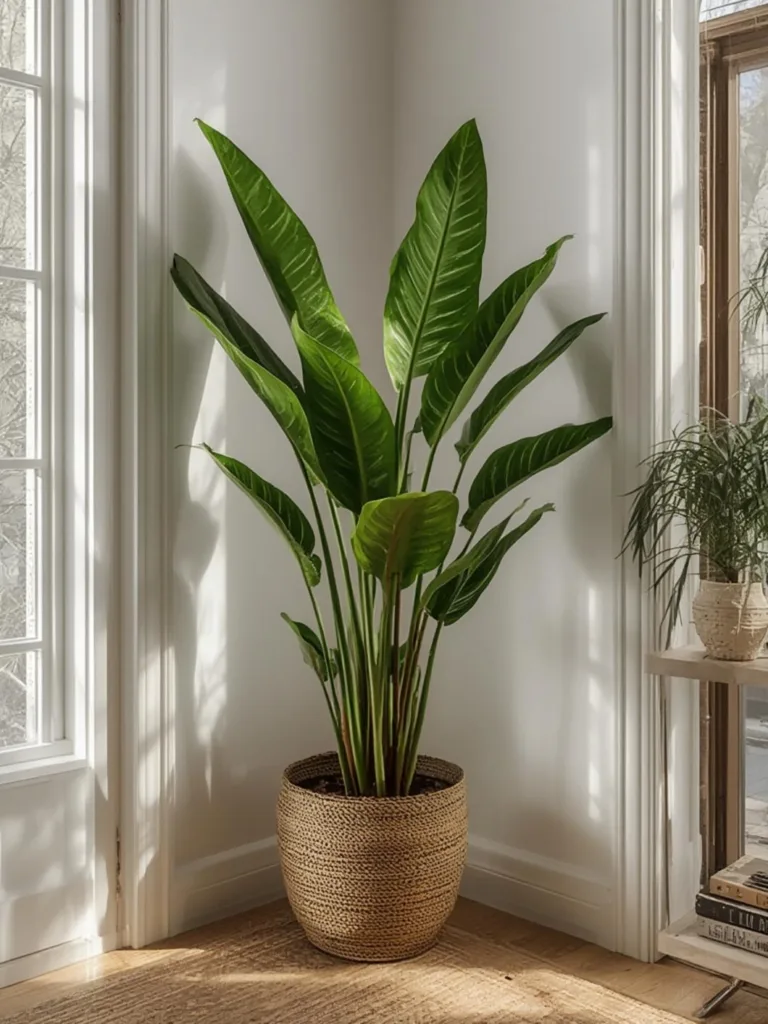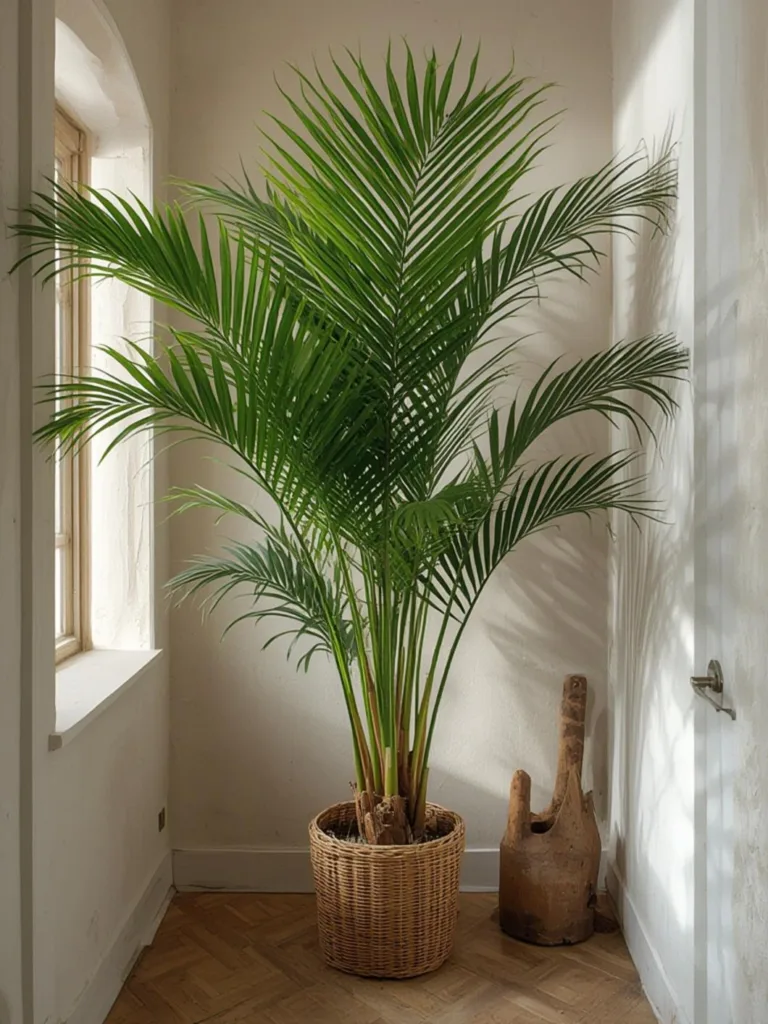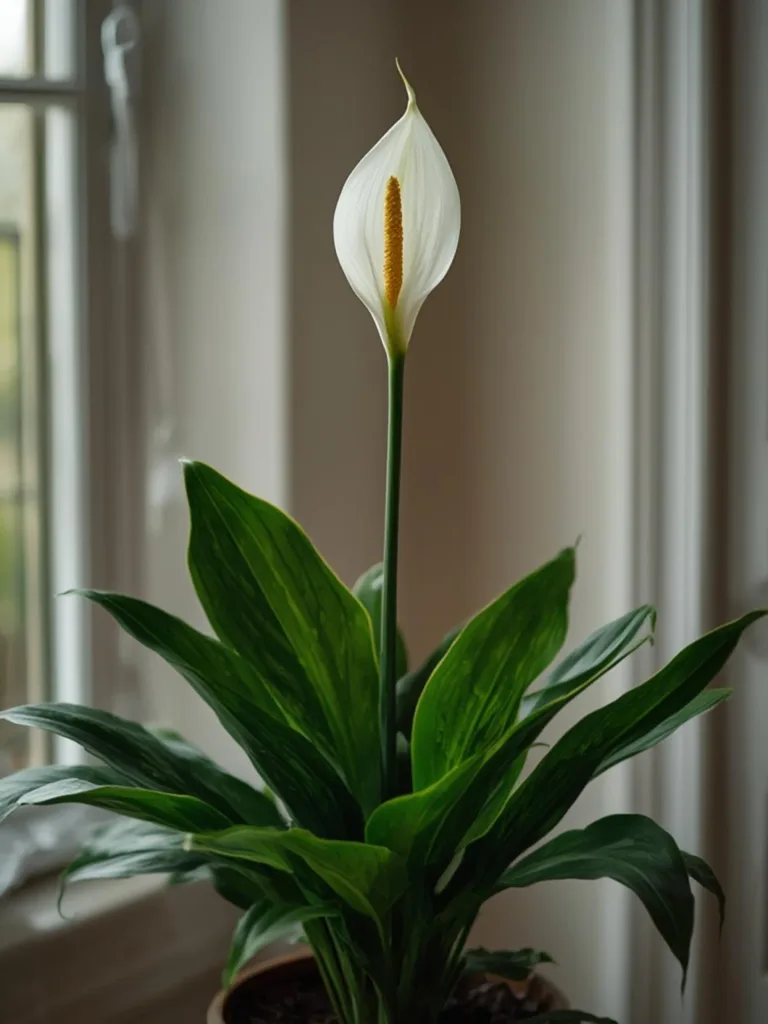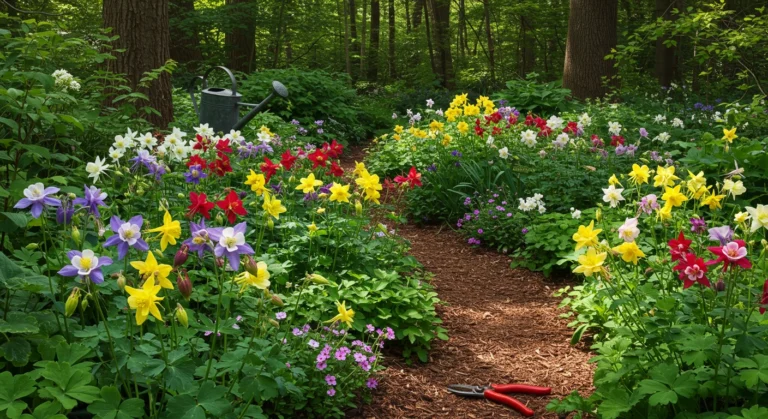
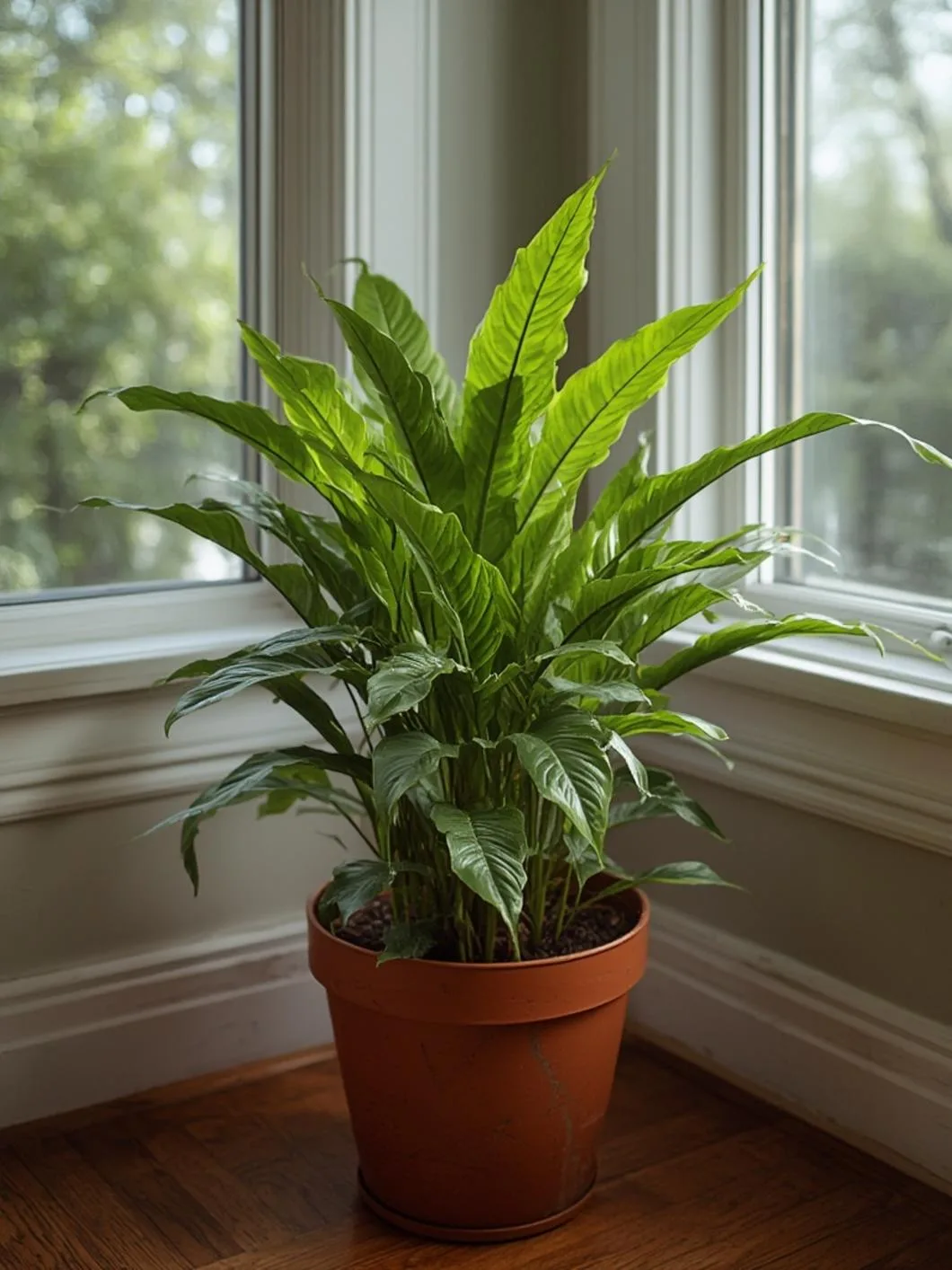
Best way to grow Boston fern with 7 easy tips
Have you ever admired the lush, cascading fronds of a Boston fern and wondered how to grow one just as full and vibrant in your own space? These timeless houseplants have been a favorite for generations, bringing graceful texture, tropical charm, and natural air-purifying benefits to indoor environments. With the right Boston fern planter ideas, they can instantly elevate any room.
Although some people think ferns are finicky, learning how to care for ferns is simpler than it seems. By understanding essential fern plant care basics like light, humidity, and watering even beginners can master Boston fern care indoor plants with confidence. Whether you’re searching for practical Boston fern care tips, curious about how to make ferns grow big, or simply want a complete guide on how to take care of ferns, proper fern care can help you create a thriving, lush display that turns your home into a green oasis.
Table of Contents
Materials & Supplies
To successfully grow and maintain your Boston fern, you’ll need the following items:
1. Boston Fern Plant: Purchase a healthy specimen from a reputable garden center or nursery.
2. Potting Container: Choose a pot with drainage holes that’s 2-4 inches larger than the root ball.
3. Hanging Basket (optional): Perfect for displaying the cascading fronds.
4. Potting Medium: Use a peat-based potting mix with added perlite for drainage.
5. Humidity Tray: A shallow tray filled with pebbles and water.
6. Spray Bottle: For misting the fronds.
7. Watering Can: Preferably with a narrow spout for controlled watering.
8. Plant Scissors or Shears: For trimming and removing dead fronds.
9. Liquid Fertilizer: Choose a balanced, water-soluble fertilizer (10-10-10).
10. Plant Saucer: To catch excess water if not using a humidity tray.
11. Plant Hanger (optional): If you prefer to hang your fern.
12. Humidifier (optional but recommended): To maintain proper humidity levels.
Timing / Growing Schedule
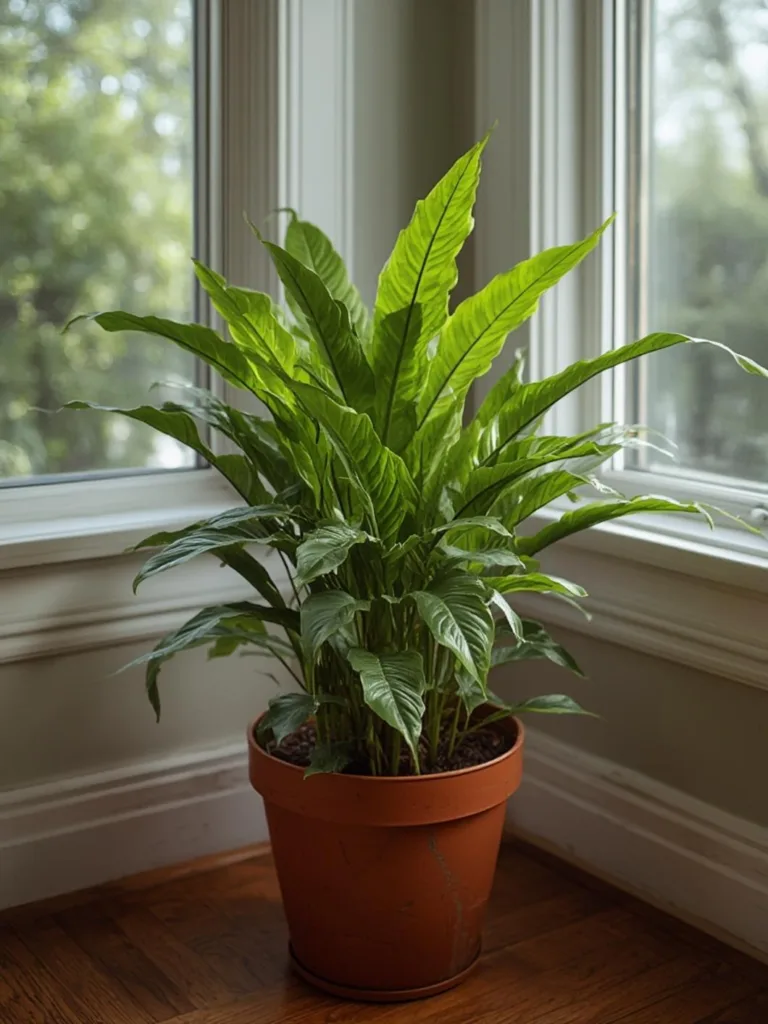
Boston ferns are perennial houseplants that can be purchased and grown year-round. However, timing certain care activities properly will help ensure your plant thrives:
Initial Growth Period: After purchasing, allow 2-3 weeks for your fern to adjust to its new environment before repotting.
Active Growing Season: Spring and summer (March-August) is when Boston ferns experience their most vigorous growth. This is the best time for repotting, division, and fertilization.
Dormancy Period: Growth slows during fall and winter (September-February). Reduce watering and hold off on fertilizer during this period.
Maintenance Schedule:
– Daily: Check humidity and moisture levels
– Weekly: Thorough watering and misting (3-4 times)
– Monthly: Fertilizing (during growing season only)
– Annually: Repotting (typically in spring)
Unlike seasonal garden plants, Boston ferns don’t have a definite “harvest” time they’re grown for their ornamental value year-round.
Step-by-Step Instructions
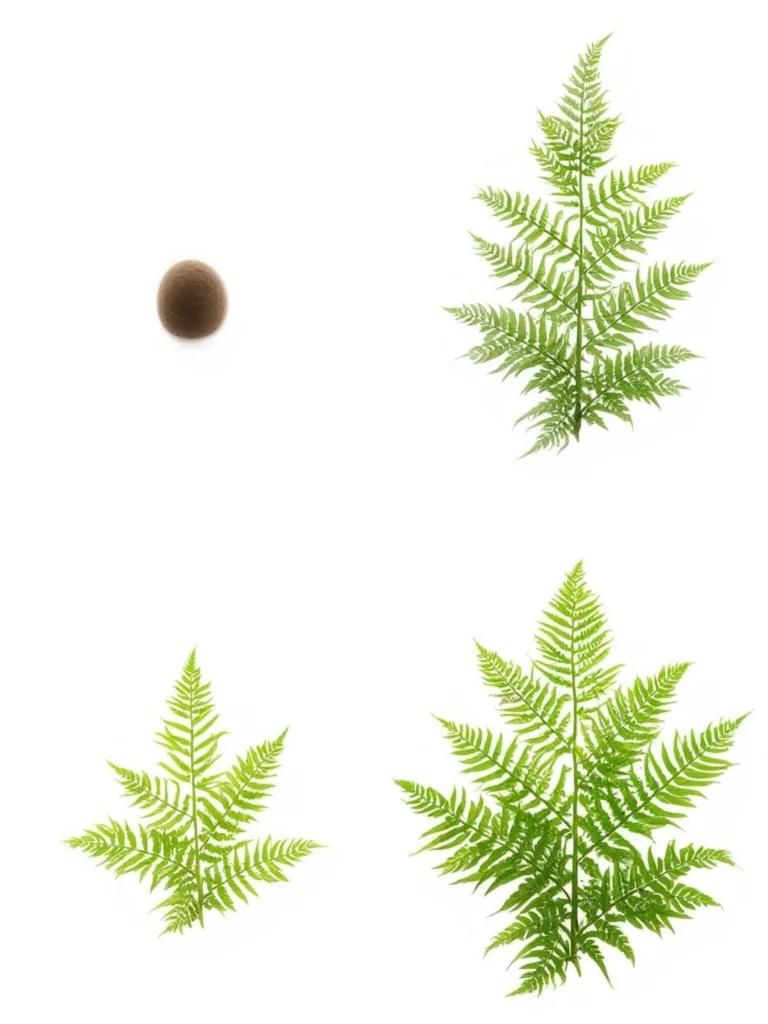
1. Selecting the Perfect Location
Find a spot with bright, indirect light. The ideal location is near an east or north-facing window where your Boston fern will receive morning light but be protected from harsh afternoon sun. Avoid direct sunlight, which can scorch the delicate fronds.
Pro Tip: If your home lacks sufficient natural light, consider supplementing with a grow light positioned 1-2 feet above the plant.
2. Potting Your Fern
1. Select a pot with drainage holes that’s 2-4 inches larger than the root ball.
2. Place a layer of peat-based potting mix in the bottom of the pot.
3. Remove the fern from its nursery container gently by turning it sideways and tapping the edges.
4. Place the fern in the new pot, ensuring it sits at the same depth as before.
5. Fill in around the root ball with fresh potting mix, leaving about an inch of space at the top.
6. Water thoroughly until water drains from the bottom.
Pro Tip: Add a layer of activated charcoal at the bottom of the pot to prevent soil souring and root rot.
3. Watering Routine
Boston ferns need consistently moist, but not soggy-soil.
1. Check soil moisture by inserting your finger about an inch into the soil. If it feels dry, it’s time to water.
2. Water thoroughly, allowing water to flow through the drainage holes.
3. Empty the drainage tray after watering to prevent standing water.
4. During active growth (spring/summer), water when the top inch of soil feels dry.
5. In dormant periods (fall/winter), allow the top two inches to dry before watering.
Pro Tip: Use room temperature water, as cold water can shock the root system. Rainwater or filtered water is preferable to tap water, which may contain chemicals that can build up in the soil.
4. Maintaining Proper Humidity
Proper boston fern care requires high humidity levels (50-80%).
1. Mist the fronds 3-4 times weekly with room temperature water.
2. Place the pot on a humidity tray filled with pebbles and water.
3. Group your fern with other plants to create a microclimate with higher humidity.
4. Consider running a humidifier nearby, especially during winter when indoor air is drier.
Pro Tip: Take your fern to the bathroom occasionally when showering; the steam provides an excellent humidity boost.
5. Fertilizing Schedule
1. During active growing season (March-August), apply a balanced liquid fertilizer diluted to half the recommended strength.
2. Fertilize monthly during this period.
3. Stop fertilizing completely during fall and winter months.
4. Resume fertilizing in early spring when new growth appears.
Pro Tip: Over-fertilizing can burn the roots and fronds, so err on the side of under-fertilizing rather than over-fertilizing.
6. Pruning and Maintenance
1. Regularly remove any brown or yellowing fronds by cutting them at the base with clean scissors.
2. Shape the plant by trimming any overly long fronds.
3. Remove any debris that accumulates in the center of the plant.
4. Every few months, gently shake or brush the fronds to remove dust.
Pro Tip: Use a soft paintbrush to dust the fronds if they become dusty, as this helps the plant photosynthesize efficiently.
Nutritional Benefits / Advantages
While Boston ferns aren’t edible plants, they offer significant benefits for your home and health:
- 1. Air Purification: Boston ferns are among the most effective houseplants for removing formaldehyde and other toxins from indoor air, according to NASA studies.
- 2. Humidity Regulation: They naturally increase humidity levels in your home by releasing moisture through transpiration, which can improve respiratory health and reduce dry skin issues.
- 3. Mental Health Benefits: Studies show that indoor plants like Boston ferns can reduce stress levels, improve mood, and enhance productivity and concentration.
- 4. Biodiversity Support: Even indoors, ferns can serve as mini-ecosystems, supporting beneficial microorganisms in their soil.
- 5. Therapeutic Value: The act of caring for Boston ferns provides mindfulness opportunities and can be a form of horticultural therapy.
Tips, Alternative Methods, or Gardening Advice
Growing in Different Environments
- 1. Bathroom Boston Ferns: The naturally high humidity makes bathrooms with adequate light ideal locations.
- 2. Outdoor Growing: In zones 9-11, Boston ferns can be grown outdoors year-round. In colder climates, they can vacation outdoors during summer months in a shaded location.
- 3. Terrarium Growing: Smaller Boston fern varieties can thrive in closed or semi-closed terrariums, which naturally maintain high humidity.
- 4. Kokedama Style: Create a moss ball planting for a unique, soilless display that retains moisture well.
Specialized Care Tips
- 1. Seasonal Adjustments: Move your fern away from heating vents in winter and air conditioning in summer to prevent drying.
- 2. Travel Care: Before vacations, group ferns together on humidity trays in a bathtub with a small amount of water and draw the shower curtain to create a humid environment.
- 3. Small-Space Solutions: Try wall-mounted planters or vertical gardening systems to grow Boston ferns without sacrificing floor space.
- 4. Natural Pest Control: Introduce beneficial nematodes to the soil to control fungus gnats without chemicals.
Common Mistakes to Avoid
- 1. Inadequate Humidity
– Problem: Fronds turning brown and crispy at the edges
– Solution: Increase humidity through misting, humidity trays, or a humidifier - 2. Improper Lighting
– Problem: Pale, sparse growth or scorched fronds
– Solution: Move to a location with bright, indirect light; never place in direct sunlight - 3. Overwatering or Underwatering
– Problem: Yellowing fronds (overwatering) or dry, brittle fronds (underwatering)
– Solution: Establish a consistent watering schedule based on soil moisture, not calendar days - 4. Fertilizer Burns
– Problem: Brown tips and edges despite adequate humidity
– Solution: Use diluted fertilizer only during growing season - 5. Temperature Extremes
– Problem: Sudden frond drop or discoloration
– Solution: Maintain temperatures between 65-75°F and avoid cold drafts or heat sources - 6. Ignoring Dormancy Period
– Problem: Plant decline despite proper care
– Solution: Reduce watering and eliminate fertilizer during fall and winter months
Storage / Maintenance Tips
Unlike harvested vegetables, Boston ferns don’t require storage. However, maintaining them properly throughout the seasons is crucial:
Seasonal Maintenance
Spring:
– Resume regular watering and fertilizing schedule
– Repot if the plant has outgrown its container
– Remove any winter damage or dead fronds
Summer:
– Increase humidity and watering frequency during hot weather
– Consider relocating to a cooler spot during extreme heat
– Watch for pest infestations, which are more common in warm weather
Fall:
– Gradually reduce watering as growth slows
– Stop fertilizing
– Bring outdoor ferns inside before temperatures drop below 55°F
Winter:
– Water sparingly, allowing soil to dry more between waterings
– Maintain humidity levels with a humidifier or misting
– Keep away from radiators, heating vents, and drafty windows
Long-Term Care
– Repot every 2-3 years in spring
– Divide overgrown plants during repotting to create new plants
– Occasionally flush the soil with distilled water to remove fertilizer salt buildup
– Clean fronds with a soft, damp cloth if they become dusty
Conclusion
Growing a healthy Boston fern might require some attention to detail, but the results are well worth the effort. These classic houseplants reward proper boston fern care with lush, verdant growth that can transform any indoor space into a tranquil green sanctuary. Remember that consistency is key maintaining proper humidity, light, and watering routines will ensure your fern thrives for years to come.
Don’t be discouraged by initial challenges; even experienced plant enthusiasts occasionally face issues with these humidity-loving plants. Use this guide as your reference, adapt the care tips to your specific environment, and watch as your Boston fern becomes the showpiece of your indoor garden. Have you successfully grown a Boston fern? Share your experiences in the comments below, and check out our guides on other popular houseplants to expand your indoor jungle!
FAQs
How often should I water my Dracaena plant?
Allow the top 1-2 inches of soil to dry out completely between waterings, which typically means watering every 7-14 days, depending on your home’s temperature, humidity, and light conditions. During winter, reduce watering frequency by about half.
Why are the tips of my Dracaena’s leaves turning brown?
Brown leaf tips usually indicate one of three issues: fluoride/chlorine in tap water, low humidity, or salt buildup from fertilizer. Try using filtered water, increasing humidity with a mister or humidifier, and flushing the soil thoroughly every few months to remedy this common problem.
Can I place my Dracaena in direct sunlight?
No, Dracaenas prefer bright, indirect light. Direct sunlight can scorch their leaves, causing brown patches and permanent damage. An ideal location is near an east or north-facing window, or a few feet away from a south or west-facing window.
How do I propagate my Dracaena plant?
Dracaenas are easily propagated by cutting a piece of stem at least 6 inches long, allowing the cut end to dry for a day, then placing it in water or directly into moist potting mix. Roots typically develop within 3-6 weeks, after which water-propagated cuttings can be transferred to soil.
Is my Dracaena plant safe for pets?
Unfortunately, all Dracaena varieties are toxic to cats and dogs if ingested, containing compounds that can cause vomiting, excessive salivation, and in rare cases, more serious symptoms. If you have pets, place these plants in areas they cannot access or consider pet-safe alternatives like spider plants or Boston ferns.