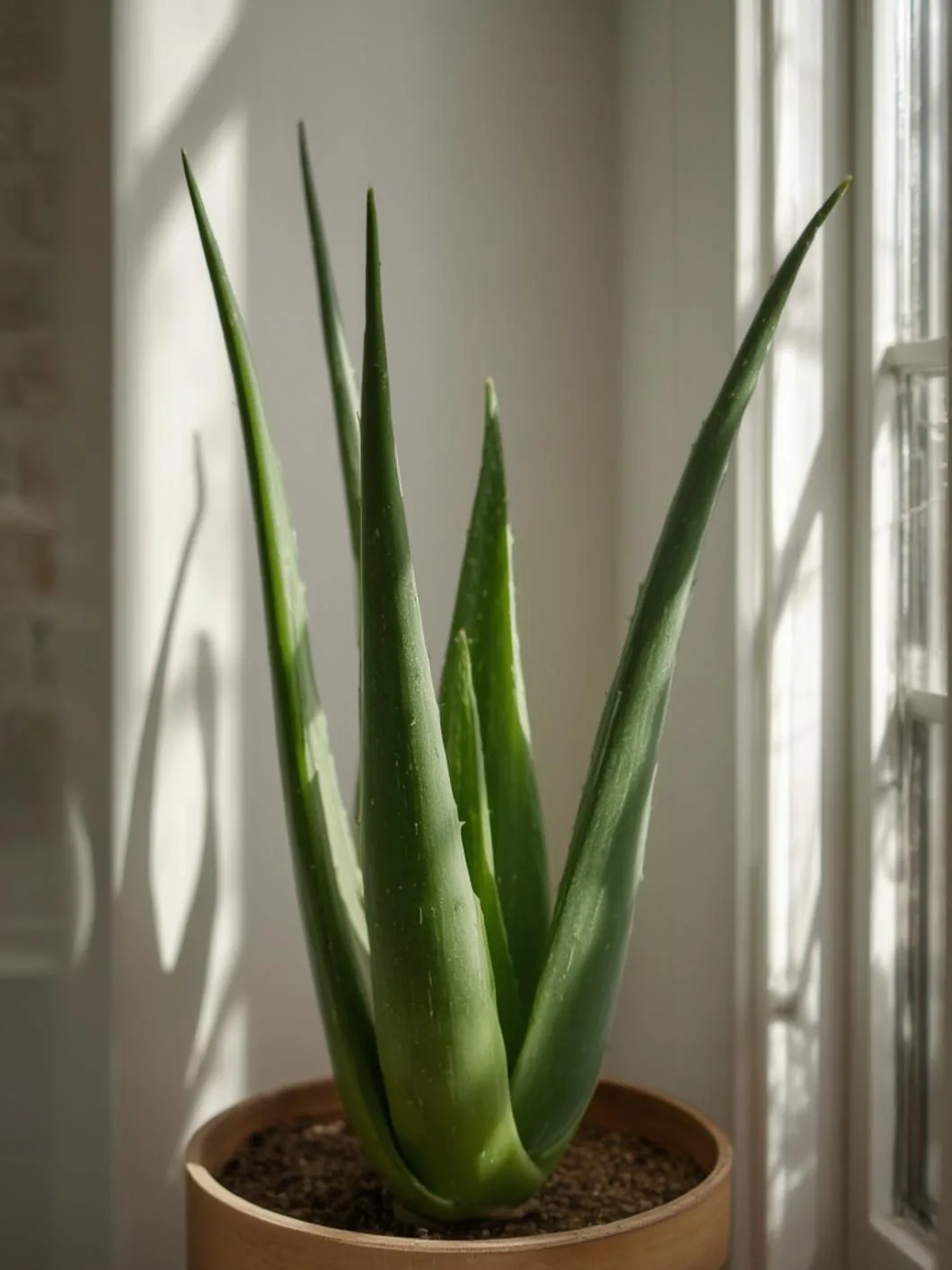
Best way to grow Aloe vera: 5 Essential Tips
Have you ever wondered how to grow your own healing plant right at home? Aloe vera is one of nature’s most versatile remedies, offering a wealth of benefits from soothing sunburns to enhancing your home’s aesthetics. Growing this succulent is surprisingly easy, even for beginners, and provides you with a ready supply of aloe vera gel for various medicinal and cosmetic uses. The satisfaction of snipping a leaf from your own plant when needed is unmatched, making aloe vera cultivation a rewarding experience for any home gardener.
Table of Contents
Materials & Supplies
To successfully grow aloe vera at home, you’ll need these essential items:
1. Aloe Vera Pup or Plant: Start with a small offset from a mature plant or purchase a young aloe from a garden center.
2. Well-Draining Pot: Choose a container with drainage holes, preferably terracotta or clay which allows soil to dry properly between waterings.
3. Cactus/Succulent Soil Mix: A specialized soil mix designed for succulents, or create your own by mixing regular potting soil with perlite and coarse sand (ratio 2:1:1).
4. Small Gravel or Pebbles: For the bottom of the pot to improve drainage.
5. Watering Can: Preferably with a narrow spout for controlled watering.
6. Liquid Succulent Fertilizer: Low-nitrogen fertilizer diluted to half strength.
7. Gardening Gloves: For handling the prickly edges of mature plants.
8. Small Trowel: For repotting when necessary.
9. Pruning Scissors or Sharp Knife: For harvesting leaves or removing offsets.
10. Spray Bottle: For occasional misting (only in very dry environments).
Timing / Growing Schedule

Aloe vera is a perennial plant with a relatively straightforward growing timeline:
Initial Planting: Anytime of year is suitable for indoor planting, though spring is optimal for allowing maximum growth during the first year.
Growth Rate: Slow to moderate – expect noticeable growth within 3-4 months after planting.
Maturity Period: 3-4 years for a plant to reach full maturity, though you can begin harvesting leaves from plants that are at least 8-12 months old.
Leaf Harvest Timeline: Once mature enough, leaves can be harvested as needed throughout the year, though it’s best to allow the plant to recover for 2-3 months between major harvests.
Repotting Schedule: Every 2-3 years or when the plant becomes root-bound or produces too many offsets.
Flowering: Mature plants may produce tall flower stalks with tubular yellow or orange blossoms, typically in late winter or spring, though indoor plants rarely flower.
Unlike seasonal vegetables, aloe vera doesn’t follow a strict planting calendar, making it an excellent year-round houseplant that provides continuous access to its beneficial gel.
Step-by-Step Instructions

1. Selecting the Right Pot and Location
Choose a container that’s approximately 1-2 inches wider than your Aloe vera plant’s root ball. Ensure it has drainage holes to prevent root rot. Place your aloe in bright, indirect sunlight a south or west-facing window is ideal. Avoid direct afternoon sun which can scorch the leaves.
2. Preparing the Pot
Add a layer of small gravel or pebbles at the bottom of the pot (about 1 inch) to promote drainage. This creates a buffer zone to keep roots from sitting in water.
3. Creating the Right Soil Mix
Fill the pot about one-third full with cactus/succulent soil mix. If using regular potting soil, mix it with perlite and coarse sand to improve drainage. The perfect soil should feel gritty and loose.
4. Planting Your Aloe
Remove your aloe plant from its nursery container and gently loosen the roots. If there are any damaged or dead roots, trim them with clean scissors. Place the plant in the center of your prepared pot and add soil around it, leaving about ¾ inch between the soil surface and pot rim.
5. Initial Watering
Water thoroughly until water drains from the bottom holes. This initial watering helps settle the soil around the roots and provides necessary moisture for establishment.
6. Establishing Care Routine
Allow the soil to dry completely between waterings. For most indoor environments, this means watering approximately every 2-3 weeks. Adjust based on your home’s humidity levels and the season. The aloe vera gel inside the leaves acts as a water reservoir, making the plant drought-tolerant.
7. Fertilizing Schedule
Feed your aloe sparingly once in early spring and once in late summer with diluted succulent fertilizer at half the recommended strength. Over-fertilizing can damage aloe plants.
8. Propagating from Offsets
After your plant matures, it will produce offsets or “pups” around the base. Once these reach about 3-4 inches tall, carefully remove them with a clean knife, let the cut end callous for a day or two, then plant in their own containers.
Nutritional Benefits / Advantages
Aloe vera offers numerous benefits that make it worth growing at home:
1. Medicinal Properties: The gel contains compounds with anti-inflammatory, antimicrobial, and skin-healing properties.
2. Skin Care: Fresh aloe gel can be used for moisturizing skin, treating minor burns, sunburns, and skin irritations.
3. Digestive Health: Some people use aloe internally to aid digestion, though this should be done cautiously and under guidance.
4. Air Purification: Like many houseplants, aloe helps improve indoor air quality.
5. Sustainability: Having your own plant reduces plastic waste from store-bought aloe products.
6. Cost-Effective: A single plant can provide years of healing gel, saving money on commercial products.
7. Low Maintenance: Requires minimal care while providing maximum benefits.
8. Decorative Value: Adds architectural interest to home decor with its distinctive spiky foliage.
Tips, Alternative Methods, or Gardening Advice
Growing Environment Variations
Outdoor Growing: In USDA zones 9-11, aloe can be grown outdoors year-round. In colder climates, move potted aloes outdoors only during summer months.
Container Varieties: Consider hanging planters for cascading varieties or shallow, wide pots for rosette-forming species.
Terrarium Growing: Create a desert terrarium with aloe as the centerpiece, paired with other small succulents.
Climate Adaptations
Dry Climates: Aloe thrives in dry environments but may need slightly more frequent watering if humidity drops below 30%.
Humid Regions: Increase air circulation around plants and reduce watering frequency to compensate for slower evaporation.
Winter Care: Move plants away from cold windows and reduce watering by half during winter months.
Space-Saving Ideas
Windowsill Gardens: Small aloe varieties are perfect for kitchen windowsills, providing both decoration and practical first-aid.
Vertical Gardens: Incorporate aloe into living walls or vertical planters for space-efficient growing.
Companion Planting: Group aloe with other succulents of similar water requirements to create attractive arrangements that conserve space.
Common Mistakes to Avoid
1. Overwatering
Problem: Excessive watering leads to root rot, evidenced by soft, mushy stems and yellowing leaves.
Solution: Allow soil to dry completely between waterings. In winter, reduce watering to once a month. When in doubt, under-water rather than over-water.
2. Insufficient Light
Problem: Plants become leggy and pale, stretching toward light sources.
Solution: Place in bright, indirect sunlight. If using artificial light, position grow lights 12-15 inches above plants for 14-16 hours daily.
3. Using Regular Potting Soil
Problem: Standard potting soil retains too much moisture, leading to root problems.
Solution: Use specialized cactus/succulent soil or amend regular soil with perlite and sand for better drainage.
4. Ignoring Temperature Needs
Problem: Exposure to temperatures below 50°F (10°C) causes stress and potential cold damage.
Solution: Keep indoor aloes away from drafty windows in winter. If growing outdoors, bring plants inside before temperatures drop below 50°F.
5. Harvesting Too Many Leaves
Problem: Removing too many leaves at once weakens the plant and slows growth.
Solution: Never harvest more than one-third of the plant at once. Always take outer, mature leaves, leaving younger center leaves to continue growing.
Storage / Maintenance Tips
Ongoing Plant Care
Watering: During growing season (spring/summer), water when soil is completely dry. In winter, reduce to monthly watering.
Cleaning: Dust leaves occasionally with a soft, damp cloth to maintain photosynthesis efficiency and prevent pest infestations.
Pruning: Remove damaged or dying outer leaves at the base using clean, sharp scissors. This encourages new growth and prevents disease.
Pest Management: Inspect regularly for mealybugs or scale insects. If found, dab with alcohol-soaked cotton swabs or treat with insecticidal soap.
Harvesting and Storing Gel
1. Selecting Leaves: Choose thick, mature outer leaves that are at least 8 inches long.
2. Cutting: Use a clean knife to cut close to the base. Let the yellow sap (aloin) drain for 10-15 minutes.
3. Processing: Slice off the spiny edges, then carefully fillet the leaf to separate gel from the outer skin.
4. Short-term Storage: Keep fresh gel in an airtight container in the refrigerator for up to one week.
5. Long-term Preservation: Blend gel with vitamin E oil and vitamin C powder (1000 mg per cup of gel) to extend shelf life up to 8 months in refrigeration.
6. Freezing Option: Pour processed gel into ice cube trays, freeze, then transfer cubes to freezer bags for up to 6 months.
Conclusion
Growing Aloe vera at home brings multiple rewards from its striking appearance to its remarkable healing properties. With minimal effort and patience, you can maintain a thriving plant that provides fresh aloe vera gel whenever needed. Whether you’re a beginner or experienced gardener, this resilient succulent offers an accessible way to connect with nature’s pharmacy right in your home. Start with one plant and you’ll likely find yourself expanding your collection as you discover the satisfaction of growing this ancient healing plant. Why not get started today? Your skin, home decor, and self-sufficiency journey will thank you!
FAQs
How often should I water my aloe vera plant?
Allow the soil to dry completely between waterings typically every 2-3 weeks during growing season and once monthly in winter. The thicker and more established your plant, the less frequent watering it requires. Always check soil moisture by inserting your finger about 2 inches deep before deciding to water.
Why are my aloe vera’s leaves turning brown or yellow?
Browning often indicates sunburn from too much direct sunlight, while yellowing usually signals overwatering. Move sunburned plants to slightly shadier locations, and reduce watering frequency for yellowing plants. Also check for proper drainage, as standing water can quickly lead to root rot and leaf discoloration.
Can I use store-bought aloe vera gel to grow a new plant?
No, commercial aloe products don’t contain viable plant material for propagation. To grow new plants, you need either seeds (which are challenging to germinate) or offsets/pups from a mature plant. The most reliable method is separating and replanting the small offshoots that develop around the base of established plants.
How do I know when my aloe vera plant needs repotting?
Signs include: roots growing through drainage holes, plant becoming top-heavy and tipping over, soil drying out extremely quickly after watering, slowed growth despite proper care, or the pot cracking from root pressure. Ideally, repot every 2-3 years, moving to a container just 1-2 inches larger than the current one.
Is it normal for my aloe plant to have flat leaves instead of plump ones?
Plump, upright leaves indicate a healthy, well-watered plant. Flat, thin, or curling leaves usually suggest underwatering. However, if leaves are soft and mushy while appearing plump, this indicates overwatering. Proper aloe leaves should feel firm but fleshy like a dense gel consistency when squeezed gently.