Best way to grow a beach color paint palette in 10 steps beach color paint palette
Have you ever wanted to capture the tranquil feeling of a perfect day at the shore within your home? The gentle rhythm of waves, soft sandy shores, and endless blue horizons create a sense of peace that many of us wish to recreate in our living spaces. Incorporating a beach color paint palette into your home design can transport you to those carefree coastal days, regardless of your actual proximity to the ocean.
This design approach has surged in popularity not just in oceanfront properties, but in homes across all geographical locations, as people seek to bring that vacation feeling into their everyday environments. Similarly, adopting a coastal color scheme allows you to infuse your spaces with the refreshing, airy ambiance that makes beach houses so inviting and relaxing.
Table of Contents
Design Concept Overview
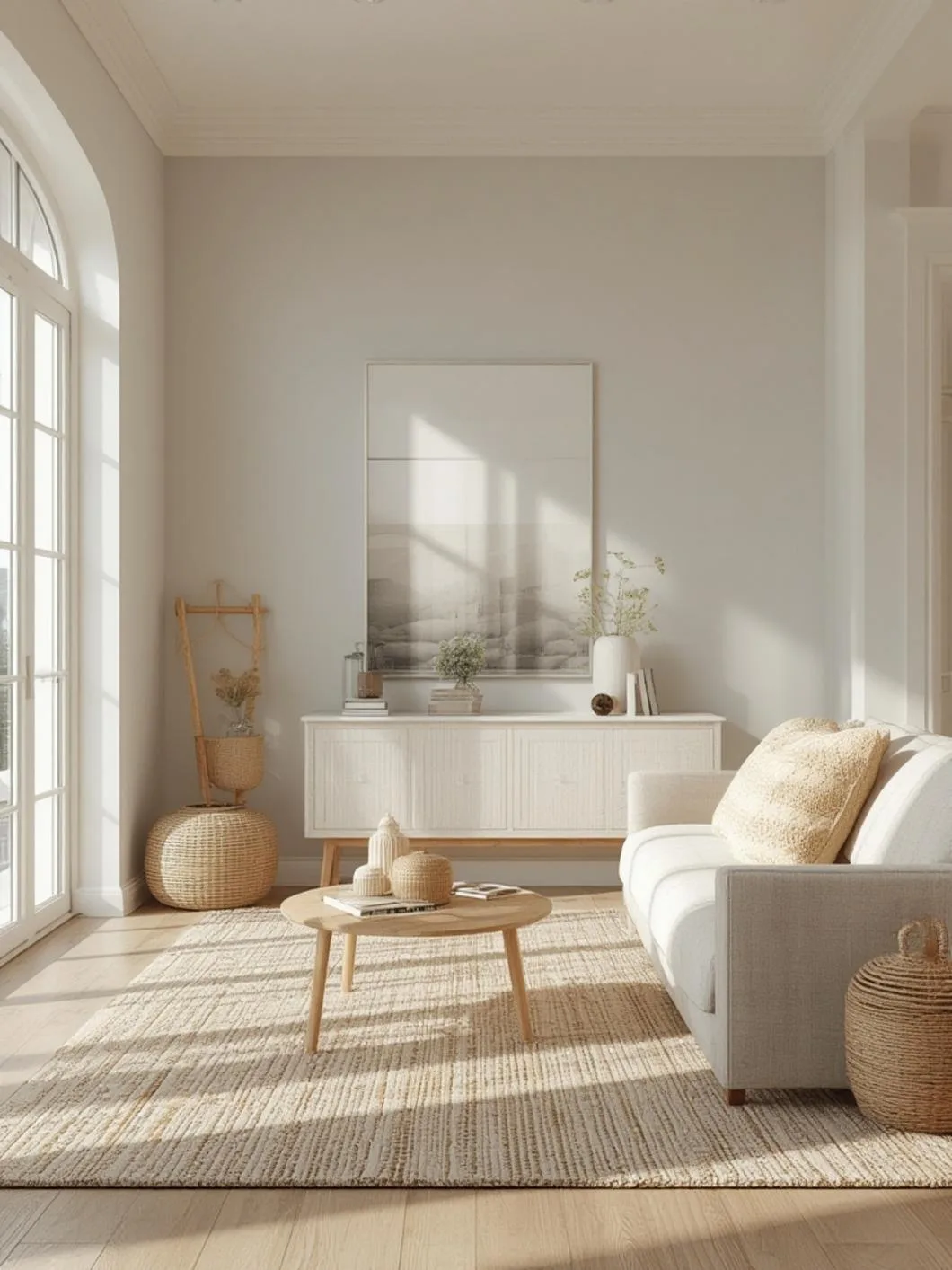
Beach-inspired interior design draws from the natural beauty of coastal environments. This design concept revolves around creating light, airy spaces that evoke the feeling of seaside tranquility. The aesthetic typically features a relaxed, casual vibe that feels both refined and unfussy.
The beach-inspired look works exceptionally well in living rooms, bedrooms, bathrooms, and sunrooms, though it can be adapted to virtually any space. It’s particularly effective in rooms that receive abundant natural light, as this enhances the fresh, open feeling that defines coastal design.
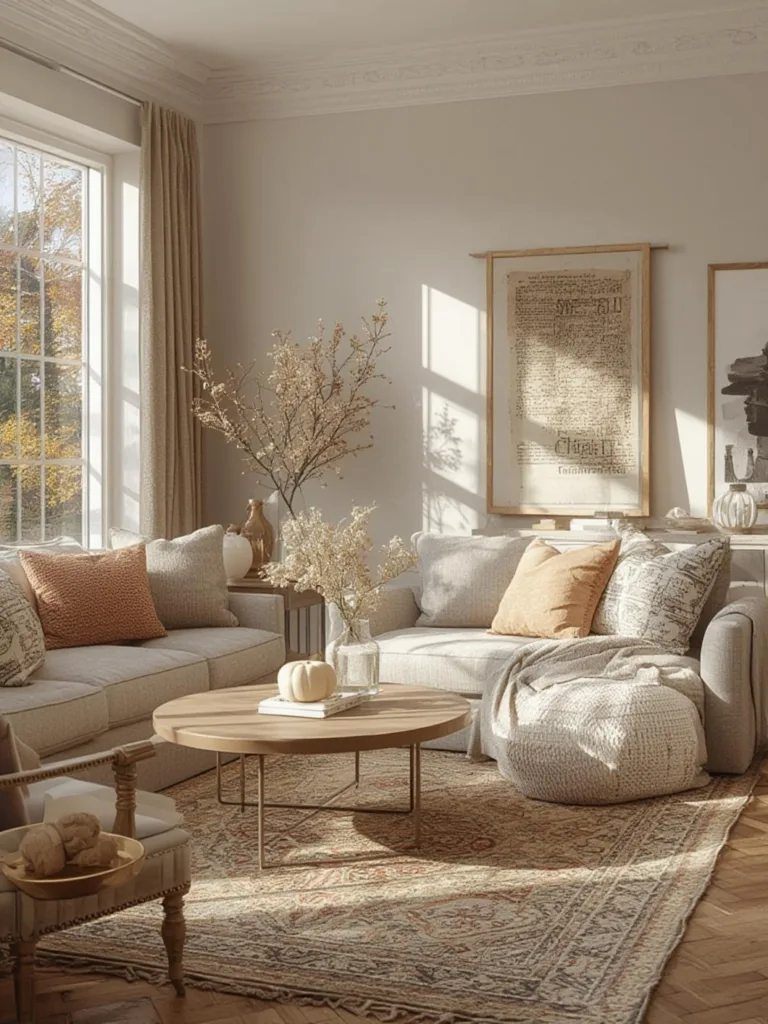
At its core, this style celebrates natural elements, uncluttered spaces, and a color story pulled directly from shoreline landscapes: sandy neutrals, various blues ranging from pale sky to deep ocean, soft greens reminiscent of sea glass, and whites as pure as sea foam.
Materials, Colors & Key Elements
Color Foundation
– Sand and Driftwood Neutrals: Beige, taupe, warm grays, and light browns create a grounding foundation
– Ocean Blues: Navy, cobalt, turquoise, teal, and sky blue add depth and tranquility
– Sea Glass Accents: Soft greens, aqua, and pale blue-greens provide subtle color variation
– Crisp Whites: Bright whites for trim, ceilings, and furniture to create contrast and brightness
Materials
– Natural Wood: Weathered or whitewashed woods for furniture, flooring, and architectural elements
– Woven Elements: Rattan, wicker, jute, and seagrass for texture and casual elegance
– Light Fabrics: Cotton, linen, and canvas in solid colors or subtle patterns
– Glass and Ceramic: Clear or sea-colored glass accessories and ceramic pieces
Key Decorative Elements
– Nautical Accents: Rope details, ship wheels, anchors (used sparingly)
– Natural Collections: Shells, sea glass, smooth stones, coral (or eco-friendly replicas)
– Botanical Elements: Palms, succulents, and other coastal vegetation
– Artwork: Ocean photography, watercolor seascapes, abstract wave paintings
Budget-Friendly Alternatives
– DIY painted furniture with chalk paint for a weathered look
– Thrifted wicker or rattan pieces refreshed with spray paint
– Natural elements collected during beach trips as authentic decor
– Slip-covered existing furniture in white or neutral linen-look fabrics
Timing, Budget & Planning
Budget Considerations
Full Room Transformation:
– Low-End: $1,000-$2,500 (DIY painting, strategic accessory updates, minimal furniture changes)
– Mid-Range: $3,000-$7,500 (New paint, some furniture replacement, quality accessories, perhaps new flooring)
– High-End: $8,000+ (Designer assistance, custom furniture, premium materials, architectural changes)
Accent Updates Only:
– $250-$1,000 for new paint, pillows, artwork, and decorative elements
Timing Expectations
– Planning Phase: 2-4 weeks for color selection, furniture shopping, and concept development
– Implementation:
– Weekend project: Simple paint refresh and accessory updates
– 1-2 weeks: Moderate room transformation with some new furniture
– 4-8 weeks: Complete renovation including custom elements or construction
Space Adaptations
– Small Spaces: Focus on lighter shades, use mirrors to amplify light, choose multi-functional furniture
– Apartments: Use removable wallpaper with coastal patterns, focus on accessories and art rather than permanent changes
– Budget Constraints: Prioritize paint (highest impact for lowest cost), then add inexpensive natural elements and textiles
Step-by-Step Guide
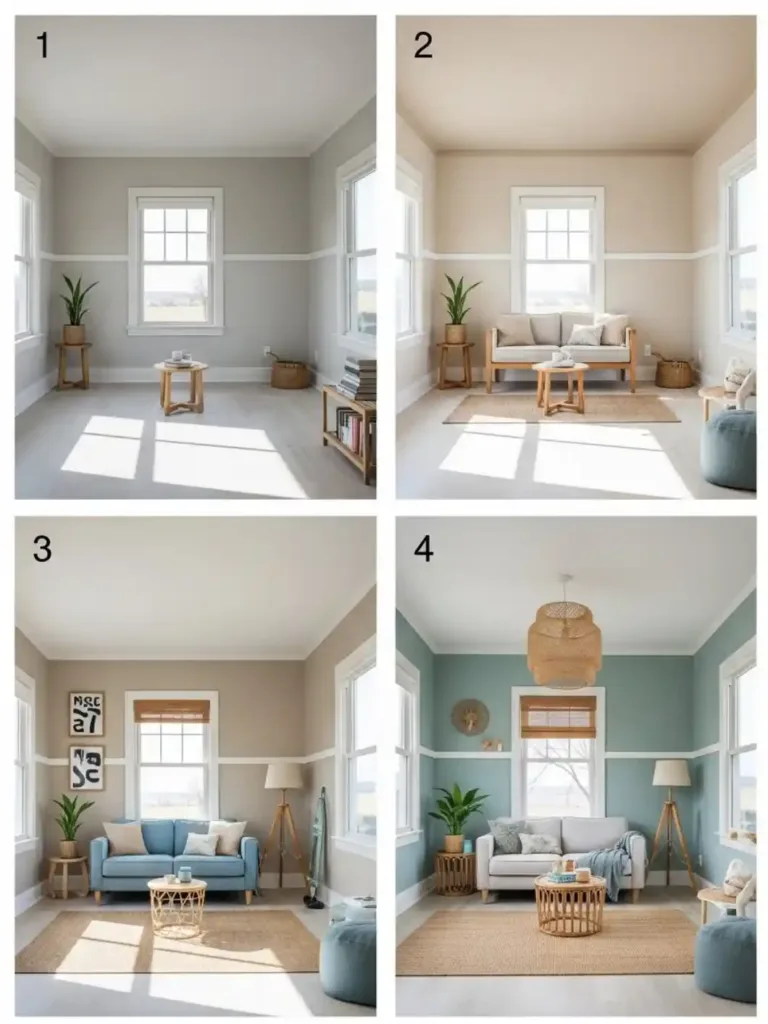
1. Establish Your Color Foundation
Begin by selecting your base colors from the beach color paint palette. Choose one neutral sand tone for walls, a crisp white for trim, and identify 2-3 ocean-inspired colors for accents. Remember that a successful coastal color scheme relies more on the balance of colors than the intensity aim for a ratio of approximately 70% neutral, 20% medium intensity blues or greens, and 10% deeper accent colors.
2. Prep and Paint
– Remove wall decorations and furniture or cover properly
– Clean walls thoroughly and repair any damage
– Apply primer if changing colors dramatically
– Paint walls in your chosen neutral shade
– Refresh trim with bright white
– Consider a ceiling paint with a subtle blue tint for an expansive feel
3. Evaluate and Select Furniture
– Keep or purchase pieces with clean lines in natural materials
– Look for weathered wood finishes or white-painted wood
– Include woven elements like a rattan chair or wicker baskets
– Choose upholstered pieces in neutral tones or subtle patterns
4. Layer in Textiles
– Add window treatments in sheer or light fabrics
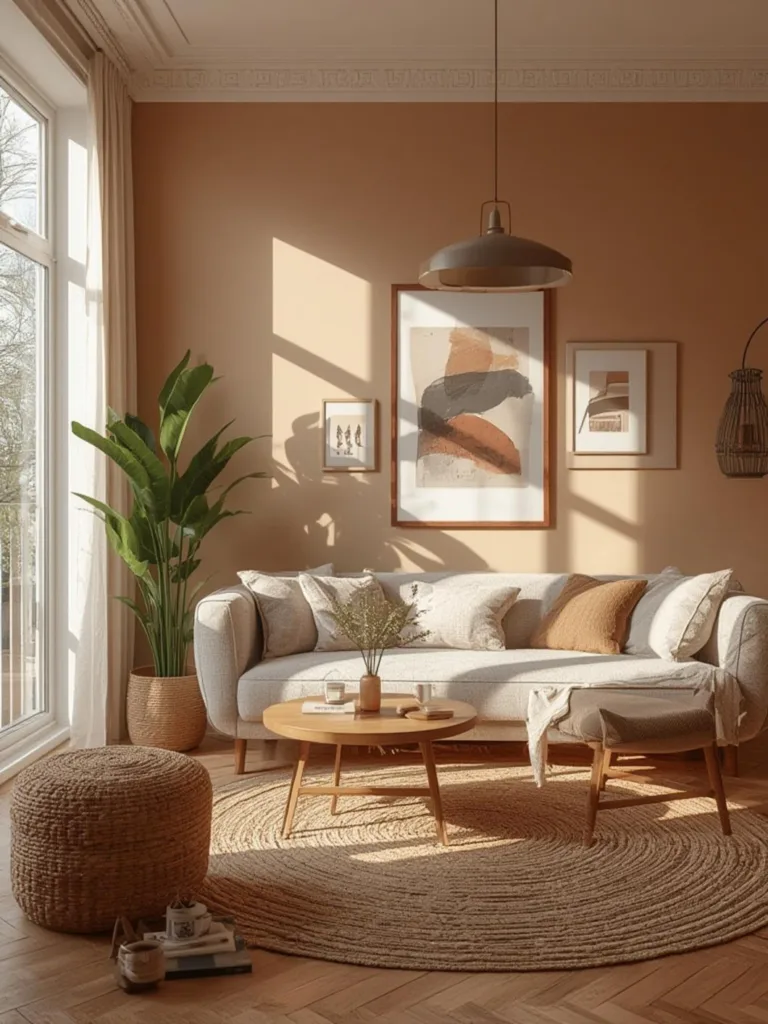
– Select area rugs in natural fibers like jute or sisal
– Incorporate pillows and throws in your accent colors
– Consider subtle patterns like thin stripes or small-scale geometrics
5. Accessorize Thoughtfully
– Group coastal elements in collections rather than spreading throughout
– Add glass lamps or vases in sea-inspired colors
– Incorporate mirrors to reflect light and expand the space
– Display botanical elements like driftwood, sea grass, or palms
6. Fine-Tune Lighting
– Maximize natural light with sheer window coverings
– Add ambient lighting with fixtures in natural materials
– Include task lighting with ceramic or glass-based lamps
– Consider string lights or candles for evening ambiance
Benefits & Functional Advantages
Psychological Benefits
– Creates a relaxing atmosphere that reduces stress
– Establishes a connection to nature, which studies show improves mood
– Light colors and natural elements promote mental clarity and calmness
Practical Advantages
– Bright, light-reflecting colors make spaces feel larger and more open
– Neutral foundations allow for easy seasonal updates
– Natural materials often provide durability and timeless appeal
– Light colors show less dust than darker alternatives
Lifestyle Enhancements
– Encourages a more relaxed, casual approach to living
– Creates a welcoming environment for entertaining
– Provides a vacation-like retreat within your own home
– Transitions well between seasons with simple accessory changes
Alternative Styles & Customization Ideas
Modern Coastal
– Focus on clean lines and minimalist approach
– Use a more restrained color palette with stronger contrast
– Incorporate sleek materials like glass and chrome alongside natural elements
– Emphasize abstract art inspired by coastal elements rather than literal interpretations
Bohemian Beach
– Add more pattern through textiles like batik or ikat prints
– Incorporate global influences with Moroccan poufs or Indian block prints
– Use more vibrant turquoise and coral accents
– Layer multiple textures and textiles for a collected, eclectic look
Luxe Coastal
– Incorporate high-end materials like marble, brass, and velvet
– Choose a more sophisticated color palette with navy and gold
– Add elegant lighting fixtures like crystal or brass chandeliers
– Select statement artwork and sculptural elements
Minimalist Beach
– Pare down to essential elements only
– Focus on texture rather than pattern or color variation
– Limit decorative objects to one or two carefully chosen pieces
– Emphasize quality materials and craftsmanship
Common Mistakes to Avoid
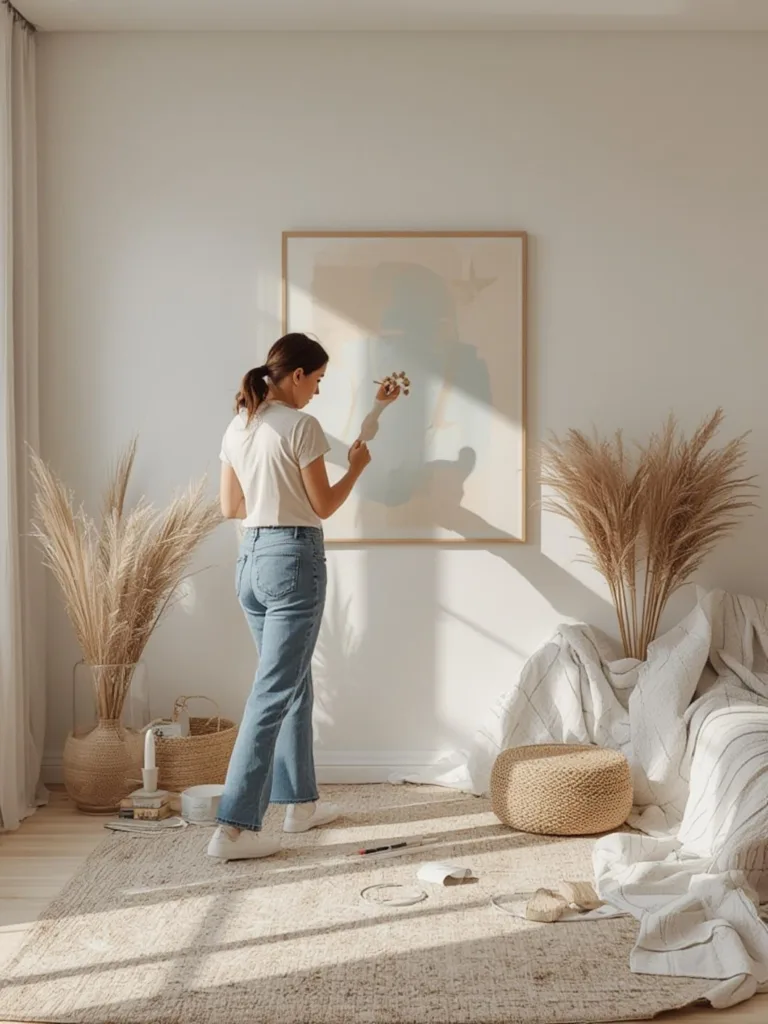
Overdoing Themed Elements
Problem: Using too many literal beach motifs (seashell patterns everywhere, excessive nautical elements).
Solution: Select one or two subtle nods to beach themes and let colors and textures do the rest of the work.
Choosing Colors That Are Too Saturated
Problem: Selecting intense blues and greens that overwhelm rather than soothe.
Solution: Opt for muted, grayed-down versions of coastal colors for walls and large furniture pieces.
Neglecting Texture Variation
Problem: Creating a flat, one-dimensional space with too many smooth surfaces.
Solution: Incorporate natural textures through woven elements, wood grain, textured fabrics, and organic accessories.
Creating a Disconnected Color Scheme
Problem: Selecting colors that don’t actually appear together in coastal environments.
Solution: Look to nature for inspiration colors that appear together on beaches will harmonize in your home.
Forgetting Practicality
Problem: Choosing materials that don’t stand up to everyday life.
Solution: Select performance fabrics, easy-to-clean surfaces, and durable materials, especially in high-traffic areas.
Maintenance & Longevity Tips
Paint Maintenance
– Keep touch-up paint on hand for quick repairs
– Clean walls with gentle cleansers appropriate for paint finish
– Consider washable formulations for busy households
– Plan for a refresh coat every 3-5 years for high-traffic areas
Textile Care
– Rotate cushions regularly for even wear
– Select removable covers for easy cleaning
– Use fabric protector on upholstery
– Wash or dry clean according to manufacturer instructions
Natural Material Preservation
– Keep wicker and rattan out of direct sunlight to prevent fading
– Apply wood conditioners to prevent drying and cracking
– Dust natural fibers regularly with a soft brush
– Address any water damage immediately
Seasonal Refreshes
– Swap out pillows and throws seasonally (deeper blues for winter, lighter hues for summer)
– Rotate decorative elements to prevent monotony
– Update botanicals according to season
– Consider simple holiday additions that complement rather than compete with your coastal palette
Conclusion
Transforming your home with a beach color paint palette offers more than just aesthetic appeal it creates a sanctuary that promotes relaxation and well-being. By thoughtfully incorporating the elements we’ve discussed, from the soothing color foundations to natural materials and carefully selected accessories, you can create spaces that feel both refreshed and timeless.
The beauty of a coastal color scheme lies in its versatility; it can be adapted to any region, home size, or personal style preference while still maintaining that essential connection to shoreline serenity. Whether you implement these ideas throughout your entire home or simply in a favorite room, the result will be a space that invites you to slow down, breathe deeply, and enjoy the peaceful rhythm of coastal living no matter how far you may be from the actual shore.
FAQs
What are the best neutral paint colors for a beach-inspired home?
Look for neutrals with subtle warm undertones that mimic sand, such as Benjamin Moore’s “Pale Oak,” Sherwin Williams’ “Alabaster,” or Behr’s “Silky White.” These provide a clean, bright foundation without feeling sterile or harsh.
How can I incorporate beach colors in a north-facing room with limited natural light?
In rooms with limited light, opt for neutrals with warm undertones rather than cool grays. Use mirrors strategically to amplify available light, and consider using slightly more saturated versions of coastal colors for accents to prevent the space from feeling flat.
Can I combine coastal colors with existing furniture in darker woods?
Absolutely! Dark wood pieces can provide beautiful contrast in a beach-inspired color scheme. Balance them with lighter elements, perhaps by pairing them with white or light-colored textiles, and incorporate some weathered or lighter wood elements elsewhere in the room for cohesion.
What’s the most budget-friendly way to achieve a beach-inspired look?
Paint delivers the most impact for your dollar. Start with a fresh coat in sandy neutral for walls and white for trim, then add inexpensive elements like blue glass bottles, woven baskets, and natural elements collected from beaches. Complete the look with textiles in coastal hues from budget-friendly retailers.
How do I prevent my coastal color scheme from looking too themed or cliché?
Focus on the colors and textures found at the beach rather than literal beach motifs. Use shells and nautical elements very sparingly, if at all. Instead, emphasize the color palette, natural materials, and the airy, uncluttered feeling that makes coastal spaces so appealing.