Proven way to grow 5 Pothos (Devil’s Ivy) Tips
Ever wondered why the lush, trailing vines of Pothos seem to thrive in almost every plant lover’s home? Growing Pothos (Devil’s Ivy) is one of the most rewarding experiences for both novice and experienced plant enthusiasts. This remarkable houseplant not only adds a vibrant touch to any space but also purifies the air while requiring minimal maintenance. Learning about Pothos propagation can help you multiply your collection or share the joy of plant parenthood with friends and family. Whether you’re looking to grow your first houseplant or expand your indoor jungle, this versatile vine deserves a spot in your home.
Table of Contents
Materials & Supplies
To successfully grow and maintain your Pothos, you’ll need the following items:
1. Pothos Cuttings or Established Plant: You can purchase a young plant from a nursery or obtain cuttings from a friend.
2. Potting Container: Choose a pot with drainage holes, ideally 4-6 inches in diameter for starters. Plastic, ceramic, or terracotta all work well.
3. Well-draining Potting Mix: A standard indoor plant mix or a blend of potting soil, perlite, and peat moss in equal parts.
4. Pruning Shears or Sharp Scissors: For trimming and taking cuttings.
5. Watering Can: Preferably with a narrow spout for controlled watering.
6. Liquid Houseplant Fertilizer: A balanced, water-soluble fertilizer (like a 10-10-10 formula).
7. Moss Pole or Trellis (optional): For supporting climbing varieties.
8. Glass Jar or Vase: If you plan to propagate in water.
9. Spray Bottle: For misting leaves occasionally.
10. Plant Labels: To track different varieties if you have multiple plants.
Timing / Growing Schedule
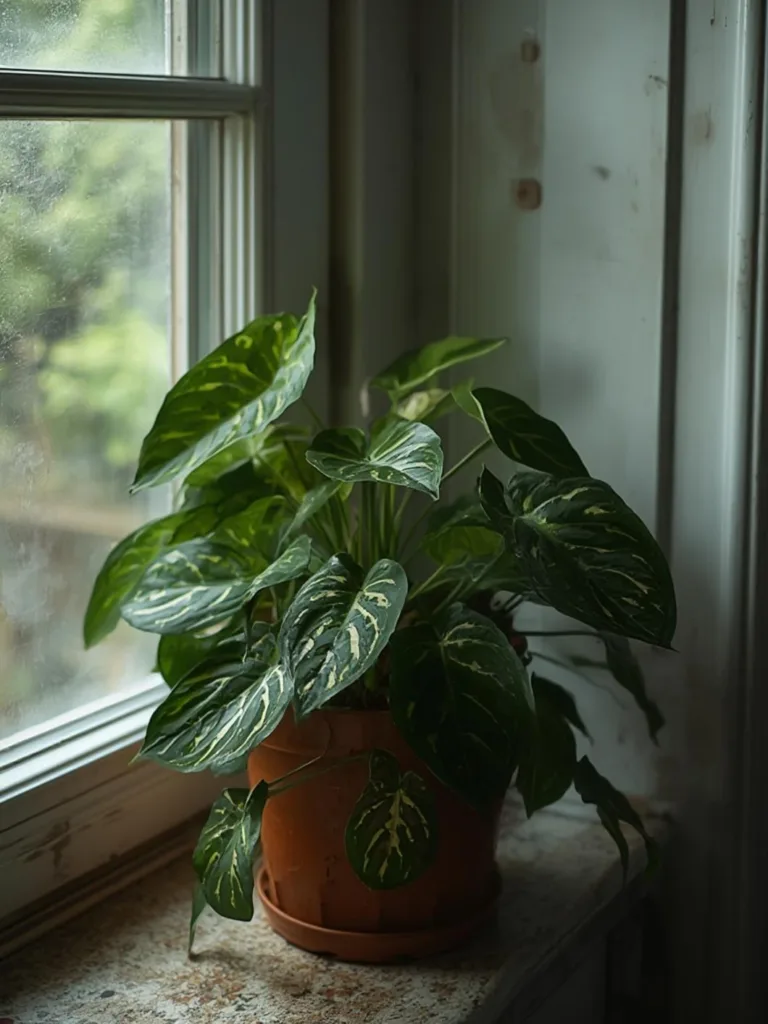
Unlike seasonal outdoor plants, Pothos can be started at any time of year since it’s primarily grown indoors. However, understanding its growth cycle will help you plan care routines:
- Initial Establishment: 2-4 weeks for cuttings to develop roots in water, or 3-6 weeks for new plants to acclimate to their environment.
- Active Growth Period: Spring through early fall is when Pothos grows most vigorously, with new leaves appearing every 1-2 weeks in ideal conditions.
- Slower Growth Phase: Late fall and winter typically see reduced growth due to decreased daylight hours.
- Maturation Timeline: A small Pothos cutting can grow into a full, trailing plant within 6-12 months, depending on conditions.
- Propagation Timing: Best done during the active growth period (spring/summer) when the plant responds most quickly.
Compared to other houseplants, Pothos grows relatively quickly – much faster than succulents but not as rapidly as some fast-growers like Tradescantia.
Step-by-Step Instructions
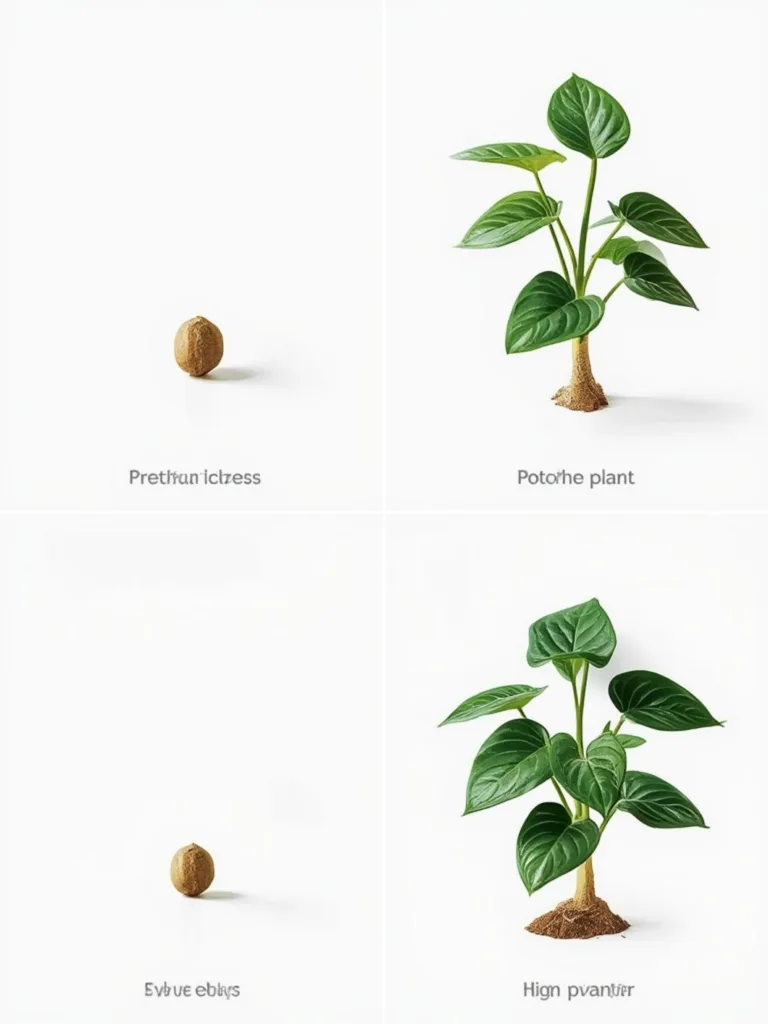
1. Selecting or Preparing Your Pothos
If purchasing a plant, look for one with vibrant leaves and no signs of yellowing or brown spots. For Pothos propagation, cut 4-6 inch segments of healthy stems, ensuring each cutting has 3-4 leaves and at least one node (the bumpy part where leaves emerge).
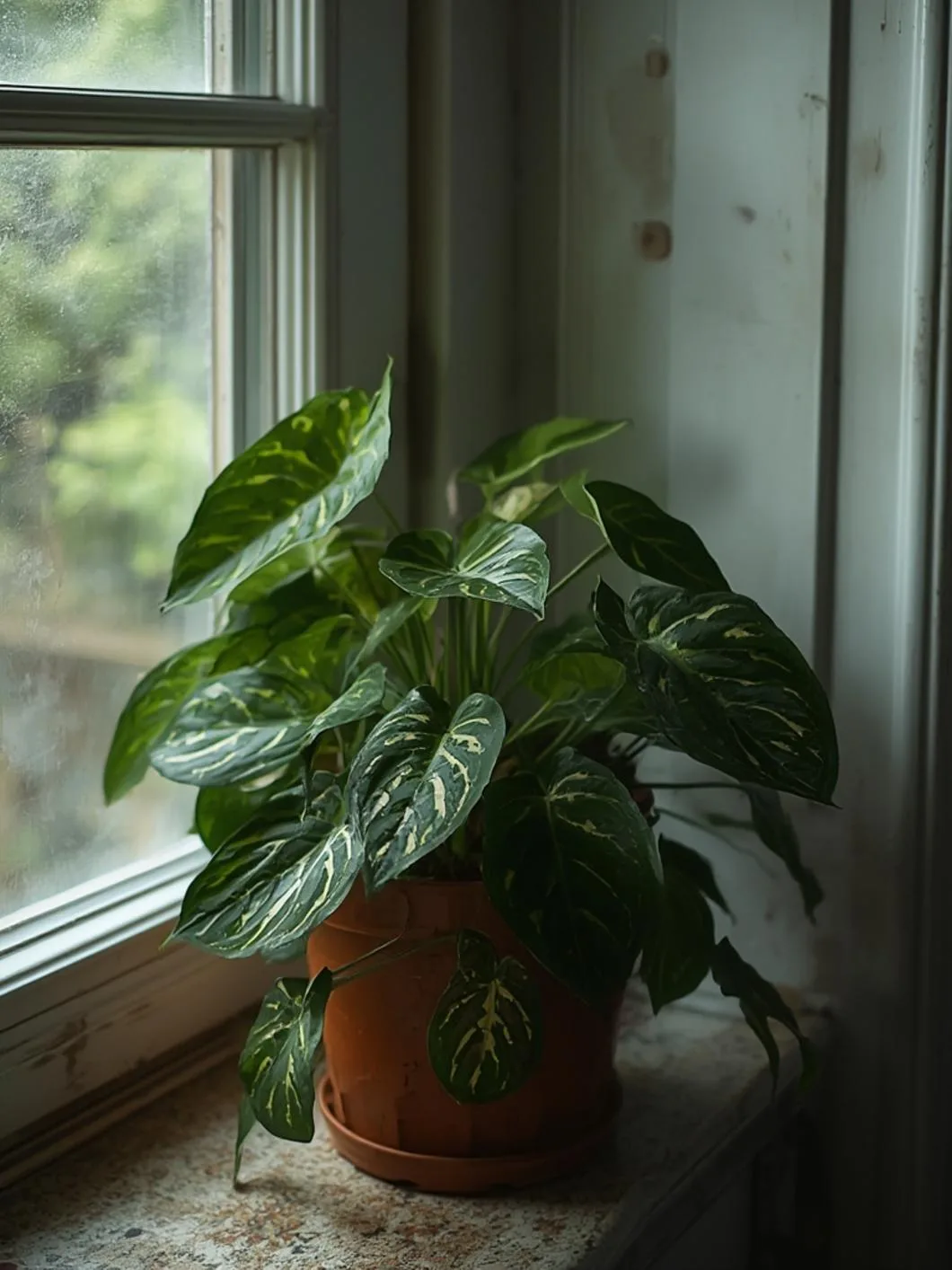
Pro tip: Choose a variegated Pothos (Devil’s Ivy) variety like Marble Queen or Golden Pothos for more visual interest in your space.
2. Rooting Your Cuttings (If Propagating)
Place cuttings in a clear glass container with room temperature water, ensuring the nodes are submerged but most leaves remain above water. Position in bright, indirect light and change the water weekly to prevent bacteria growth.
Pro tip: Add a drop of liquid fertilizer to the water to encourage stronger root development.
3. Preparing the Potting Container
Fill your chosen pot about two-thirds full with well-draining potting mix. If using a store-bought mix, consider adding extra perlite to improve drainage.
Pro tip: Line the bottom of the pot with small stones or broken pottery pieces to enhance drainage and prevent soil from washing out.
4. Planting
For rooted cuttings, once roots reach 1-2 inches (typically in 2-4 weeks), plant them in the prepared pot. For established plants, transfer them carefully, keeping the root ball intact. Place the plant at the same depth it was previously growing and fill in around the roots with potting mix.
Pro tip: Plant multiple cuttings in one pot for a fuller appearance from the start.
5. Placement & Light Requirements
Position your Pothos in bright, indirect light. It can tolerate lower light conditions but will grow more slowly and may lose variegation in its leaves.
Pro tip: Rotate your plant quarterly to encourage even growth on all sides.
6. Watering Routine
Allow the top 1-2 inches of soil to dry out between waterings. This typically means watering once every 7-10 days, but adjust based on your home’s humidity and temperature.
Pro tip: Always check soil moisture with your finger before watering – Pothos prefers to be slightly underwatered rather than overwatered.
7. Ongoing Care
Feed with diluted liquid fertilizer every 4-6 weeks during the growing season (spring through early fall). Wipe leaves occasionally with a damp cloth to remove dust and enhance their ability to photosynthesize.
Pro tip: Skip fertilizing during winter months when growth naturally slows.
Nutritional Benefits / Advantages
While Pothos isn’t edible (in fact, it’s toxic if ingested), it offers numerous other benefits:
- Air Purification: Pothos excels at removing indoor air pollutants like formaldehyde, benzene, and carbon monoxide, according to NASA’s Clean Air Study.
- Mental Health Benefits: Studies have shown that indoor plants like Pothos can reduce stress levels and improve mood and concentration.
- Humidity Regulation: Through transpiration, Pothos releases moisture into the air, helping maintain comfortable humidity levels indoors.
- Low Allergen Impact: Unlike flowering plants, Pothos doesn’t produce pollen that triggers allergies.
- Visual Well-being: The cascading greenery creates a calming, natural aesthetic that can make spaces feel more welcoming and alive.
Tips, Alternative Methods, or Gardening Advice
Different Growing Methods
- Hanging Baskets: Allow vines to cascade downward for a dramatic display.
- Climbing Display: Train vines upward using a moss pole or trellis for a more compact, vertical growth pattern.
- Water Growing: Pothos can live indefinitely in water alone, though growth may be slower than in soil.
- Kokedama: Create a moss ball around the roots for a Japanese-inspired display.
Environmental Adaptations
- Bathroom Growing: The high humidity makes bathrooms ideal for Pothos, even in low light.
- Office Environments: Pothos thrives under fluorescent lighting, making it perfect for office desks.
- Small Space Solutions: Train vines along walls, shelves, or around window frames to maximize vertical space.
- Seasonal Care: In winter, move plants away from cold windows and reduce watering frequency.
Common Mistakes to Avoid
1. Overwatering
Mistake: Watering on a strict schedule without checking soil moisture.
Solution: Always check that the top 1-2 inches of soil are dry before watering. Adjust frequency based on season and environment.
2. Incorrect Light Exposure
Mistake: Placing Pothos in direct sunlight or extremely low light.
Solution: Position in bright, indirect light. If leaves burn or yellow, move further from windows. If growth becomes leggy with small leaves, increase light exposure.
3. Ignoring Dust Buildup
Mistake: Letting dust accumulate on leaves, which blocks light absorption.
Solution: Wipe leaves monthly with a damp cloth or give them a gentle shower.
4. Poor Drainage
Mistake: Using containers without drainage holes or heavy soil that retains too much moisture.
Solution: Ensure pots have drainage holes and use well-draining potting mix. Empty drainage trays promptly after watering.
5. Improper Propagation Techniques
Mistake: Cutting stems without nodes or placing too many leaves underwater.
Solution: Always include at least one node in cuttings and keep most leaves above water to prevent rotting.
Storage / Maintenance Tips
Regular Maintenance
- Pruning: Trim leggy growth every 2-3 months to encourage bushier growth. Cut just above a leaf node using clean shears.
- Cleaning: Dust leaves monthly with a soft, damp cloth to keep them shiny and healthy.
- Repotting: Repot every 1-2 years when roots begin circling the pot. Choose a container 1-2 inches larger in diameter.
- Pest Management: Check regularly for common pests like mealybugs or spider mites. Treat with insecticidal soap or neem oil if detected.
Seasonal Care
- Spring/Summer: Increase watering frequency as growth accelerates. Consider moving to a slightly shadier spot during intense summer heat.
- Fall/Winter: Reduce watering and halt fertilization. Keep away from drafty windows and heating vents.
- Revitalization: If your plant becomes leggy or sparse, cut it back drastically in early spring – it will regrow fuller and healthier.
Long-term Maintenance
- Division: For very large plants, consider dividing when repotting to create multiple plants.
- Refreshing Soil: Replace the top inch of soil annually with fresh potting mix to replenish nutrients.
- Support: Add stakes or a moss pole as plants mature to support climbing growth if desired.
Conclusion
Growing Pothos (Devil’s Ivy) is truly one of the most rewarding experiences for indoor gardeners of all levels. Its forgiving nature makes it perfect for beginners, while its versatility keeps experienced plant enthusiasts engaged. By following the care instructions in this guide and mastering Pothos propagation, you’ll be able to enjoy this beautiful, air-purifying plant throughout your home and share it with others.
Why not start your Pothos journey today? Whether you’re looking to add your first houseplant or expand your existing collection, this adaptable vine offers beauty and satisfaction with minimal effort. We’d love to hear about your experiences growing Pothos – share your success stories and photos in the comments below, or check out our guides on other easy-to-grow houseplants!
FAQs
How often should I water my Pothos?
Water when the top 1-2 inches of soil feel dry to the touch. This typically translates to once every 7-10 days in average indoor conditions, but may vary depending on humidity, temperature, pot size, and season. Always check soil moisture rather than following a strict schedule.
Why are my Pothos leaves turning yellow?
Yellowing leaves most commonly indicate overwatering, but can also result from underwatering, poor drainage, nutrient deficiencies, or pest issues. Check the soil moisture first – if consistently wet, reduce watering frequency and ensure your pot has proper drainage. If dry, increase watering slightly.
Can Pothos grow in water permanently?
Yes! Pothos can thrive indefinitely in water alone. Change the water every 1-2 weeks to prevent algae growth and add a drop of liquid fertilizer every month to provide nutrients. Ensure the container is clean and large enough to accommodate the growing root system.
How do I make my Pothos fuller and more bushy?
Regular pruning is the key to encouraging bushier growth. Trim long vines just above a leaf node, which stimulates the plant to produce new growth at that point. You can also place these cuttings back into the same pot to create additional growth points. Providing adequate light also prevents leggy growth.
Is Pothos safe for pets and children?
No, Pothos contains calcium oxalate crystals that are toxic if ingested. Keep plants out of reach of curious pets and children. Symptoms of ingestion can include oral irritation, excessive drooling, vomiting, and difficulty swallowing. Consider pet-safe alternatives like spider plants or Boston ferns if you have pets that tend to nibble on plants.