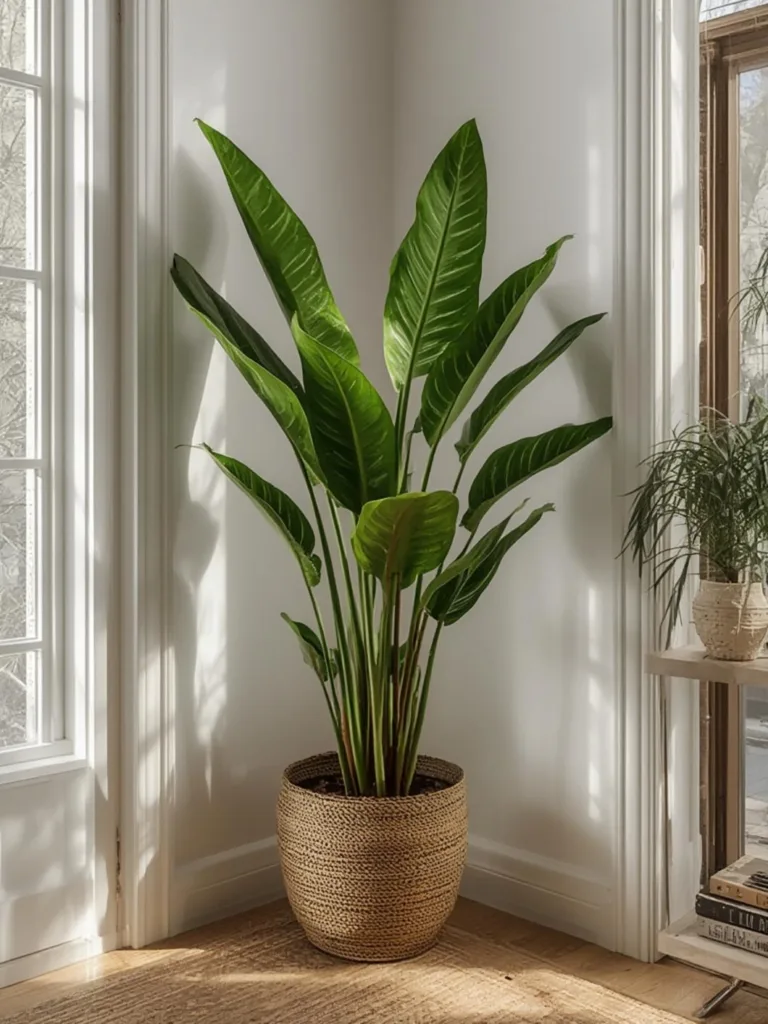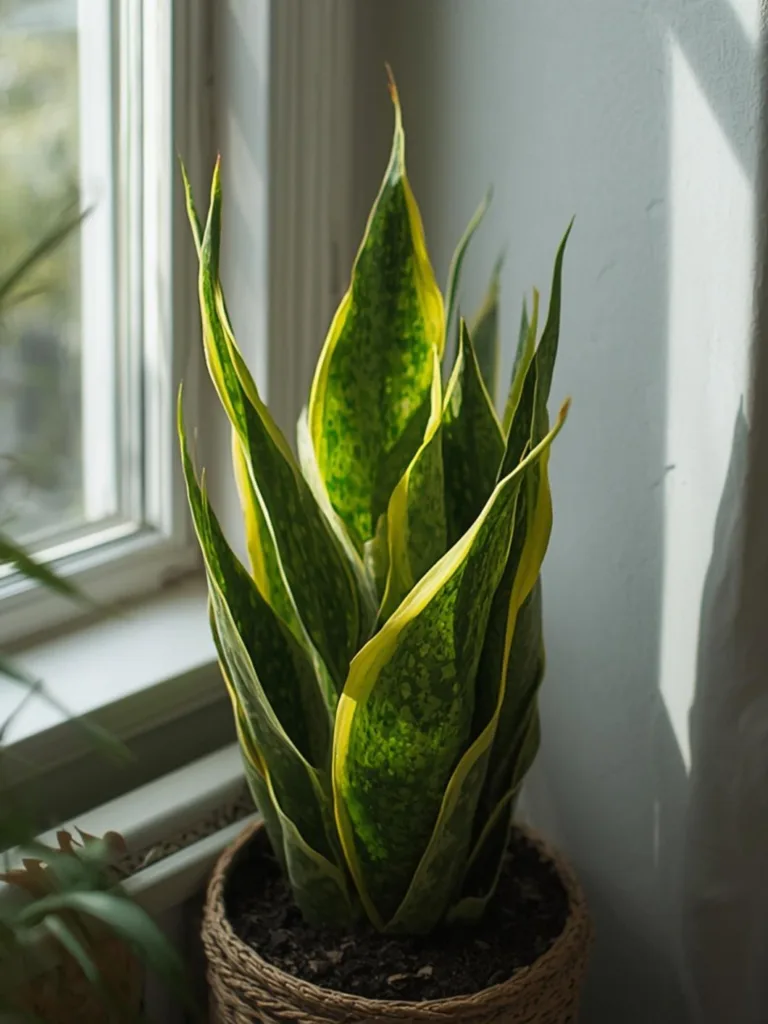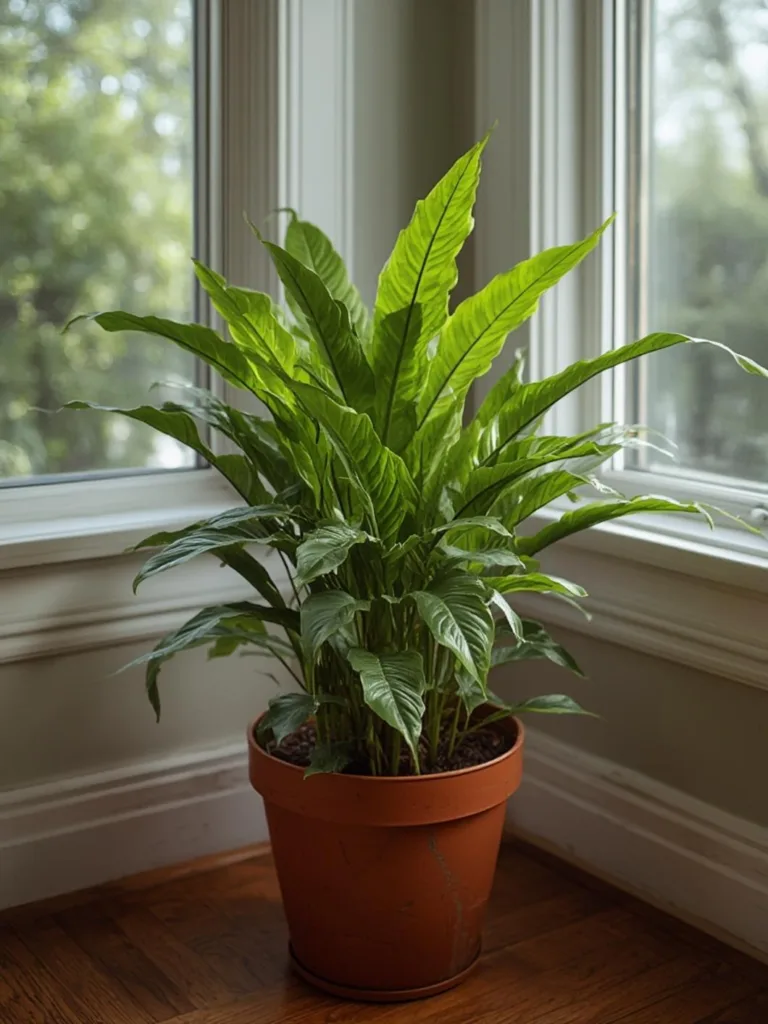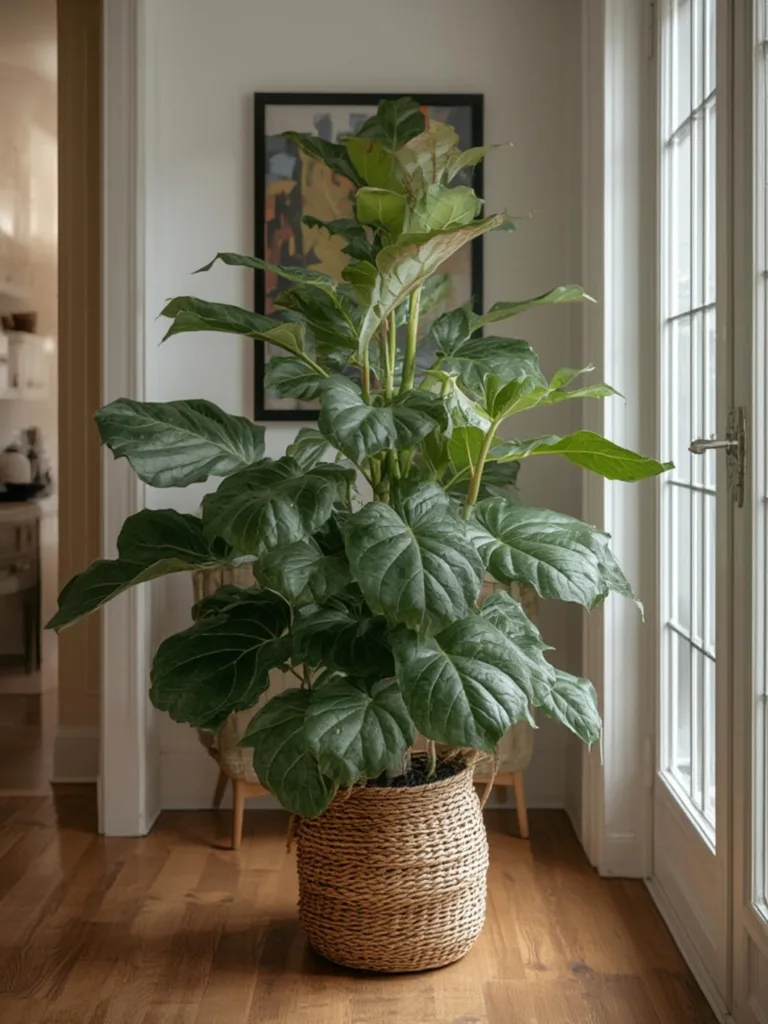
Peace lily plant: Proven way to grow 5 healthy plants
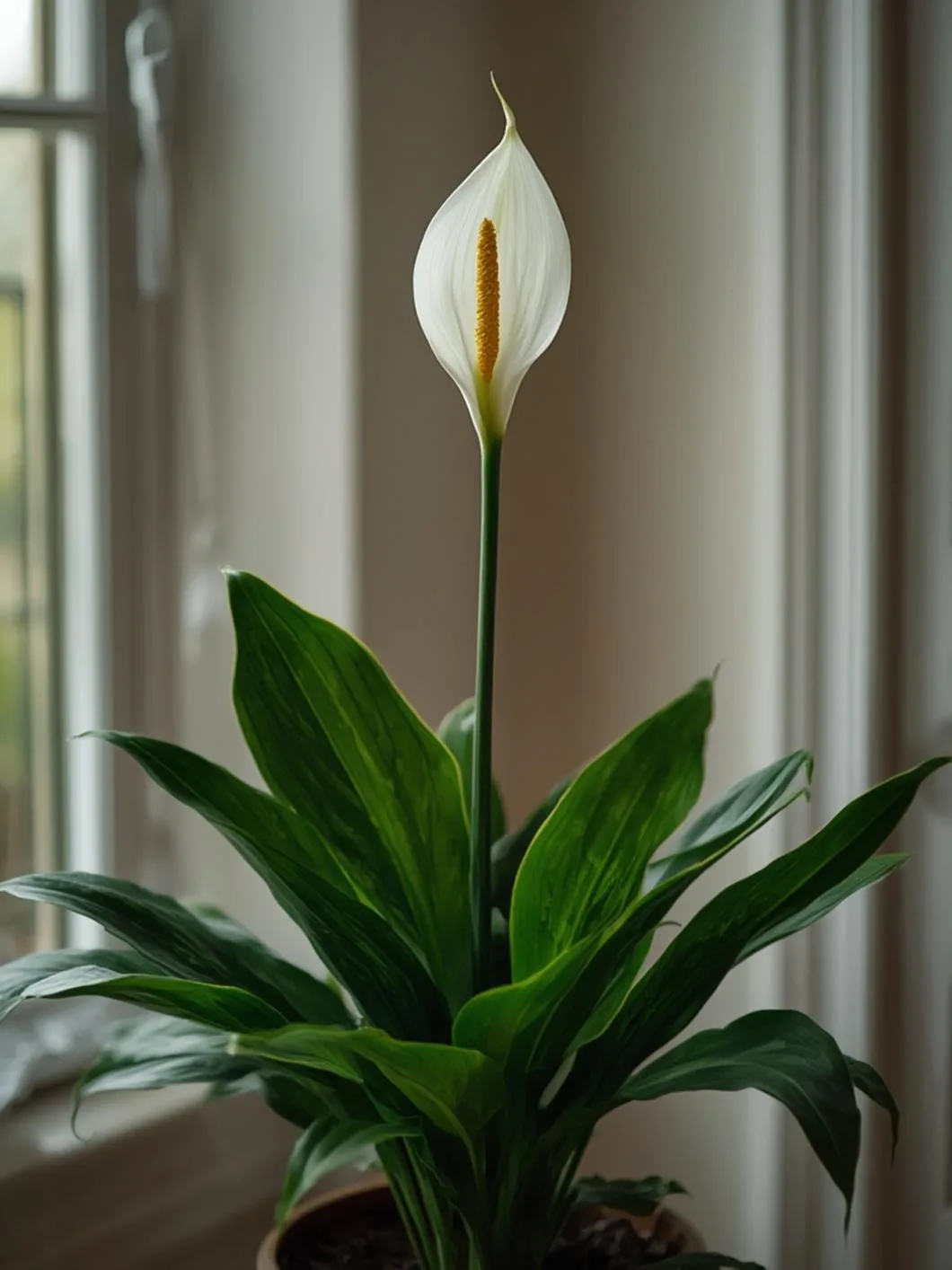
Ever wondered how to add a touch of elegance to your home while improving air quality at the same time? Growing a Peace lily plant might be your perfect solution. These stunning tropical beauties with their glossy green leaves and distinctive white blooms are not just decorative but also excellent air purifiers. Mastering Peace lily care is surprisingly straightforward, making them ideal for both beginners and experienced plant enthusiasts. With minimal effort, you can enjoy the visual appeal and health benefits of these remarkable houseplants in virtually any room of your home.
Table of Contents
Materials & Supplies
To successfully grow and maintain your peace lily, you’ll need the following items:
1. Peace Lily Plant – Purchase a healthy specimen from a reputable nursery or garden center
2. Pot with Drainage Holes – Choose a container that’s 1-2 inches larger than the root ball
3. Well-Draining Potting Mix – A quality indoor plant or aroid mix works best
4. Watering Can – Preferably with a narrow spout for controlled watering
5. Spray Bottle – For misting leaves to increase humidity
6. Plant Fertilizer – A balanced liquid houseplant fertilizer (10-10-10 or similar)
7. Pruning Shears – Clean, sharp scissors or pruners for removing dead foliage
8. Saucer or Drip Tray – To catch excess water and protect surfaces
9. Neem Oil (optional) – For pest prevention and treatment
10. Humidity Tray (optional) – To increase ambient moisture around the plant
Timing / Growing Schedule

Peace lilies are tropical perennials that grow year-round as houseplants, but they do have some seasonal variations in care requirements:
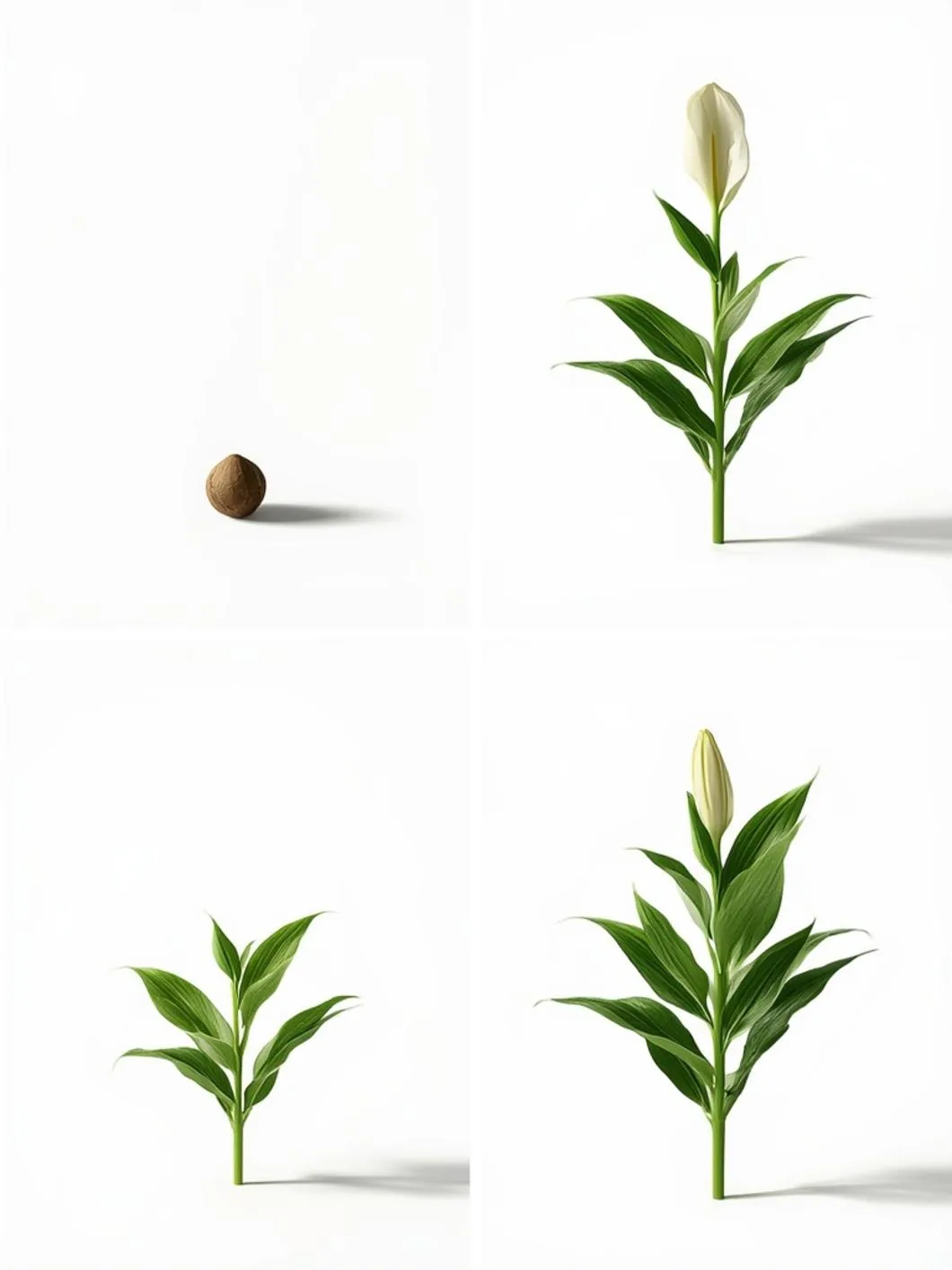
Initial Establishment: After bringing home your peace lily, allow 2-3 weeks for it to acclimate to its new environment before repotting or fertilizing.
Growth Period: Peace lilies experience their most active growth during spring and summer months (March-September), when days are longer and temperatures warmer.
Flowering Time: While they can bloom year-round, peace lilies produce most flowers during spring and early summer, with blooms lasting 10-14 days each.
Dormancy Period: Growth slows significantly during fall and winter (October-February), requiring less frequent watering and no fertilization.
Repotting Schedule: Young plants may need repotting annually, while mature specimens typically require repotting every 2-3 years when they become rootbound.
Unlike seasonal garden plants, peace lilies provide continuous enjoyment as houseplants, with a care schedule that’s much less demanding than outdoor gardening.
Step-by-Step Instructions
1. Selecting and Positioning Your Peace Lily
Choose a location with bright, indirect light but no direct sun. Peace lilies can tolerate lower light conditions, but they won’t flower as abundantly. North or east-facing windows are ideal. The Peace lily plant performs best in temperatures between 65-85°F (18-29°C), away from drafts, heating vents, or air conditioners.
Pro tip: Test the light by holding your hand between the plant and light source if you can see a soft shadow, it’s perfect; a harsh shadow means it’s too bright.
2. Potting Your Peace Lily
Select a pot 1-2 inches larger than the current root ball with drainage holes. Fill the bottom third with well-draining potting mix, then carefully place the plant, filling around the sides with soil. Don’t plant too deeply keep the crown (where stems meet roots) at the same level as before.
Pro tip: Add a handful of perlite or orchid bark to improve drainage and prevent root rot.
3. Watering Routine
Allow the top inch of soil to dry out before watering thoroughly. When watering, pour room temperature water until it flows from the drainage holes, then empty the saucer after 30 minutes. Proper Peace lily care requires consistent but not excessive moisture.
Pro tip: Peace lilies dramatically droop when thirsty but recover quickly after watering learn to recognize this signal rather than adhering to a strict schedule.
4. Fertilizing Your Peace Lily
Feed with a balanced liquid houseplant fertilizer diluted to half strength once monthly during spring and summer. Stop fertilizing in fall and winter when growth slows.
Pro tip: Apply fertilizer to damp soil to prevent root burn and rinse leaves if any fertilizer splashes on them.
5. Cleaning and Maintenance
Wipe leaves with a damp cloth monthly to remove dust and keep pores open for better air exchange. Remove yellowing or browning leaves at the base using clean pruning shears.
Pro tip: Use rainwater or filtered water if possible, as peace lilies can be sensitive to fluoride and chlorine in tap water.
6. Encouraging Flowering
Provide consistent indirect light to promote blooming. If your plant isn’t flowering, gradually increase light exposure (still avoiding direct sun) and ensure it’s receiving proper fertilization during growing season.
Pro tip: Don’t remove green spathes (the white “flowers” are actually modified leaves called spathes) they’ll eventually turn green and continue photosynthesizing.
Nutritional Benefits / Advantages
While peace lilies aren’t edible plants, they offer significant benefits to your living environment and wellbeing:
Air Purification: NASA’s Clean Air Study confirmed peace lilies effectively remove common indoor pollutants including benzene, formaldehyde, trichloroethylene, xylene, and ammonia.
Humidity Regulation: Peace lilies release moisture through transpiration, increasing ambient humidity by up to 5% in enclosed spaces beneficial for respiratory health and skin comfort.
Stress Reduction: Studies show that indoor plants like peace lilies can lower blood pressure, reduce anxiety, and improve concentration and productivity by up to 15%.
Aesthetic Benefits: Their elegant white blooms and lush foliage create a calming, spa-like atmosphere that contributes to mental wellbeing.
Low Allergen Impact: Unlike many flowering plants, peace lilies produce minimal pollen, making them suitable for most allergy sufferers.
Space Efficiency: With their compact growth habit, peace lilies deliver significant air-purifying benefits while occupying minimal space ideal for apartments and small homes.
Tips, Alternative Methods, or Gardening Advice
Propagation Techniques: Divide mature peace lilies during repotting by gently separating clumps with multiple crown points. Ensure each division has adequate roots and at least 2-3 leaves before potting individually.
Bathroom Growing: Peace lilies thrive in bathroom environments due to increased humidity from showers. Even in bathrooms with minimal natural light, they often perform better than in drier rooms with more light.
Decorative Displays: Create striking visual displays by grouping peace lilies with other humidity-loving plants like ferns, calatheas, or pothos in a corner arrangement.
Natural Support: For larger specimens with heavy flowers, consider placing decorative stakes or small bamboo supports rather than allowing stems to bend.
Semi-Hydroponics Option: Peace lilies adapt well to semi-hydroponic growing methods using LECA (Lightweight Expanded Clay Aggregate) or other inert media, which can reduce watering frequency.
Seasonal Rotation: If light conditions vary seasonally in your home, rotate your peace lily to different locations throughout the year to optimize growth and flowering.
Common Mistakes to Avoid

Overwatering
Problem: Soggy soil leads to yellowing leaves and root rot, the most common cause of peace lily death.
Solution: Only water when the top inch of soil feels dry to the touch, and ensure pots have proper drainage.
Improper Light Exposure
Problem: Too little light prevents flowering; direct sunlight burns leaves.
Solution: Place in bright, indirect light; filter harsh light through sheer curtains if necessary.
Temperature Extremes
Problem: Exposure to drafts, cold windows, or heating vents causes leaf browning and stress.
Solution: Maintain temperatures between 65-85°F (18-29°C) and keep away from temperature fluctuation zones.
Over-Fertilization
Problem: Excess fertilizer causes brown leaf tips, stunted growth, and potential root damage.
Solution: Fertilize only during growing season at half the recommended strength, or use a slow-release fertilizer specifically for houseplants.
Ignoring Pests
Problem: Spider mites, mealybugs, and aphids can infest peace lilies, especially when stressed.
Solution: Regularly inspect leaf undersides and stems; treat early infestations with insecticidal soap or neem oil.
Storage / Maintenance Tips
While peace lilies don’t require storage like harvested produce, they do need consistent maintenance:
Seasonal Adjustment: Reduce watering by approximately 50% during fall and winter when growth slows.
Leaf Care: Trim brown or yellow leaves at the base with clean shears. Never pull leaves as this can damage the crown.
Dust Removal: Clean leaves monthly with a damp cloth or give them a gentle shower to remove dust that blocks photosynthesis.
Annual Refresh: Every spring, remove the top inch of soil and replace with fresh potting mix without disturbing roots.
Bloom Maintenance: Remove spent flowers by cutting stalks near the base once blooms fade completely.
Pest Prevention: Inspect monthly for pests, especially checking leaf undersides and stem joints. Preventative neem oil applications every 2-3 months can deter infestations.
Size Management: For plants growing too large for their space, consider dividing rather than pruning heavily.
Winter Care: Move plants away from cold windows during winter months and protect from drafts that can cause cold damage.
FAQs
Why are the leaves on my peace lily turning yellow?
Yellowing leaves most commonly indicate overwatering. Allow the top inch of soil to dry between waterings and ensure your pot has proper drainage. If only older, outer leaves are yellowing gradually, this could be normal aging, especially if your plant is producing new growth.
How often should I repot my peace lily?
Young peace lilies benefit from annual repotting, while mature plants typically need repotting every 2-3 years. The best time to repot is spring or early summer. Choose a container only 1-2 inches larger than the current one to avoid excessive soil that can retain too much moisture.
Is it normal for my peace lily to stop flowering?
Yes, peace lilies typically have flowering cycles rather than blooming continuously. If your plant hasn’t flowered for several months, it may need more indirect light or proper fertilization during the growing season. Plants in low light will produce fewer flowers but can still thrive as foliage plants.
Are peace lilies safe for homes with pets?
Peace lilies contain calcium oxalate crystals that are toxic to cats, dogs, and small children if ingested. While rarely fatal, chewing on the plant can cause irritation, drooling, difficulty swallowing, and stomach upset. Keep peace lilies on high shelves or in rooms pets cannot access.
Why do my peace lily leaves have brown tips and edges?
Brown leaf tips often indicate low humidity, mineral buildup from tap water, or excess fertilizer. Increase humidity by misting regularly, use filtered or distilled water if your tap water is heavily chlorinated, and reduce fertilizer frequency. Trim brown tips with clean scissors following the leaf’s natural shape.
Conclusion
Growing a Peace lily plant offers a perfect balance of beauty and practicality for any indoor space. These resilient houseplants reward even novice gardeners with stunning white blooms and air-purifying benefits when given the basic care they require. By following the guidelines outlined in this guide and being mindful of proper Peace lily care, you’ll enjoy a thriving, elegant addition to your home for many years.
Whether you’re looking to improve your indoor air quality, add a touch of tropical elegance to your décor, or simply begin your houseplant journey with a forgiving species, peace lilies offer an accessible and rewarding experience. Why not bring one home today and discover the joy of nurturing this classic houseplant? Share your peace lily growing experiences in the comments below, or explore our other houseplant guides for more indoor gardening inspiration!