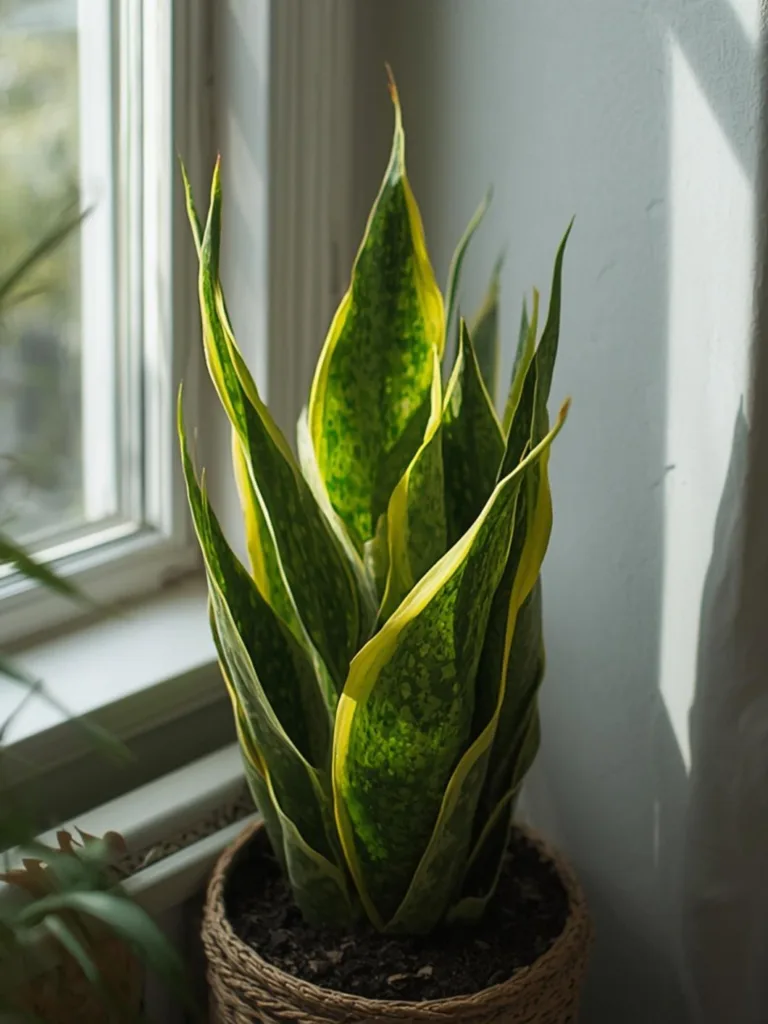
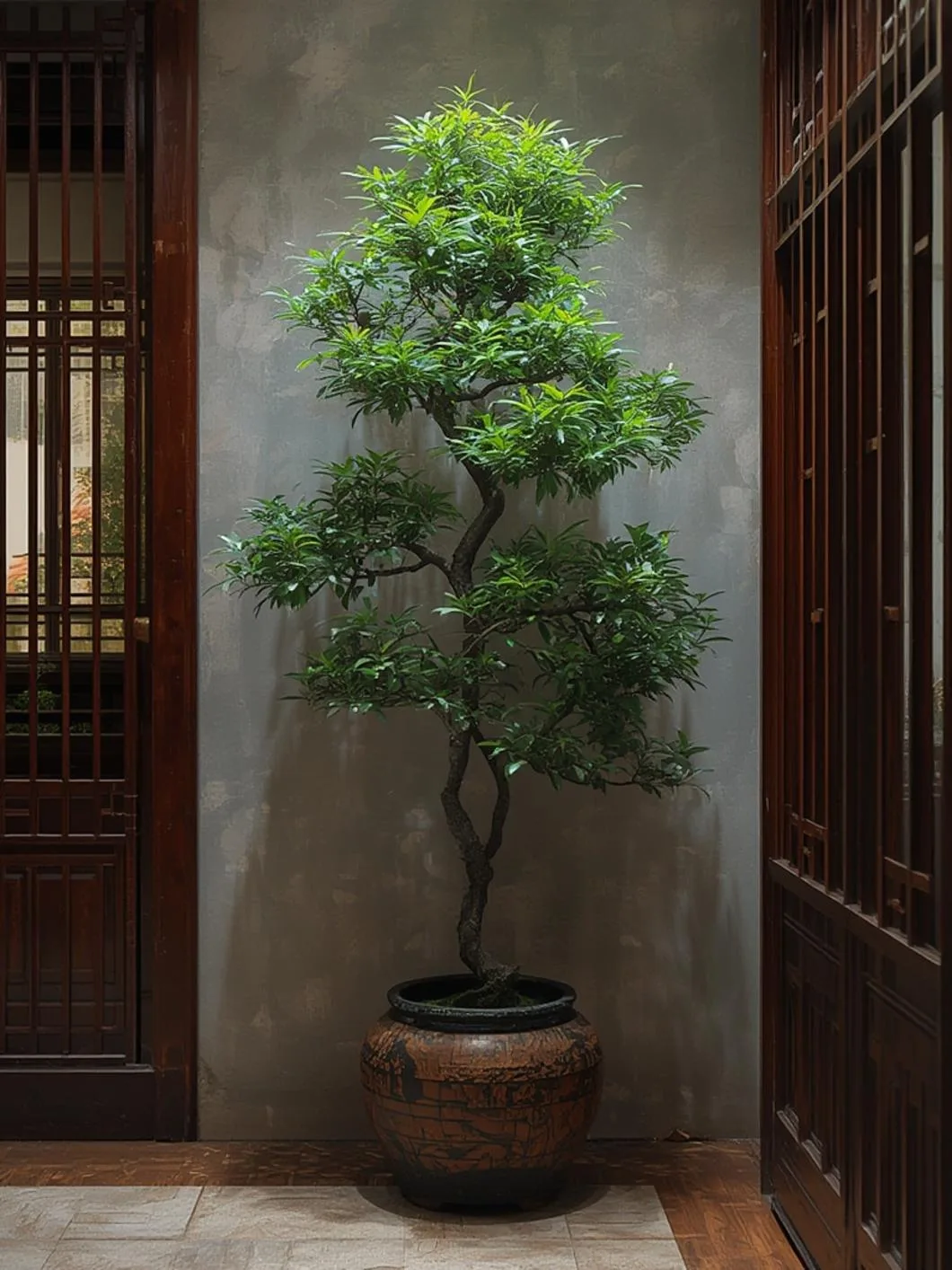
Best way to grow 5 Chinese evergreen plants
Have you ever wondered how to bring lush tropical vibes into your home with minimal effort? Growing a Chinese evergreen in your indoor space might be the perfect solution. These stunning foliage plants are prized for their ability to thrive in low-light conditions and forgive occasional neglect, making them ideal for busy plant parents or beginners. Understanding proper aglaonema care opens the door to enjoying these beautiful plants with their distinctive patterned leaves that can brighten any room in your home.
Table of Contents
Materials & Supplies
Before bringing home your Chinese evergreen, gather these essential items to ensure your plant thrives:
- Pot with drainage holes: 6-8 inch container for mature plants; choose plastic, ceramic, or terracotta
- Well-draining potting mix: A quality indoor plant mix or 2:1:1 ratio of potting soil, perlite, and orchid bark
- Watering can: Preferably with a narrow spout for controlled watering
- Spray bottle: For misting (especially in dry environments)
- Plant shears or scissors: For occasional pruning and removing damaged leaves
- Diluted liquid fertilizer: Balanced houseplant formula (10-10-10 or similar)
- Humidity tray (optional): A shallow dish with pebbles and water
- Moisture meter (optional): Helps prevent overwatering
- Neem oil: For pest prevention and treatment
Timing / Growing Schedule
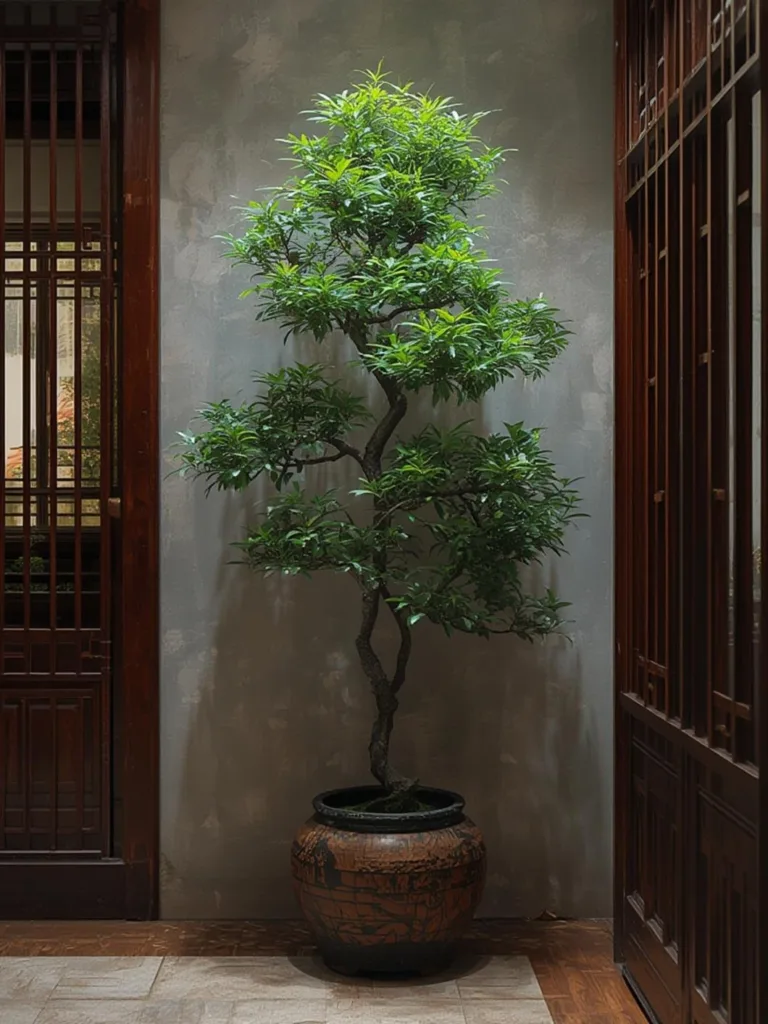
Chinese evergreens are tropical perennials that grow year-round when kept indoors. However, their growth patterns do follow seasonal changes:
- Spring-Summer: Active growth phase (March-September) – ideal for repotting, propagation, and fertilizing
- Fall-Winter: Dormancy period (October-February) – growth slows significantly, reduce watering and skip fertilizing
- Maturation timeline: Reaches mature size in 2-3 years under optimal conditions
- Propagation timing: Best done in spring or early summer when the plant is actively growing
- Repotting schedule: Every 2-3 years or when roots begin circling the pot’s interior
Unlike seasonal garden plants, Chinese evergreens don’t require strict calendar-based care. Instead, they respond to environmental conditions, making them adaptable to your home’s specific climate.
Step-by-Step Instructions
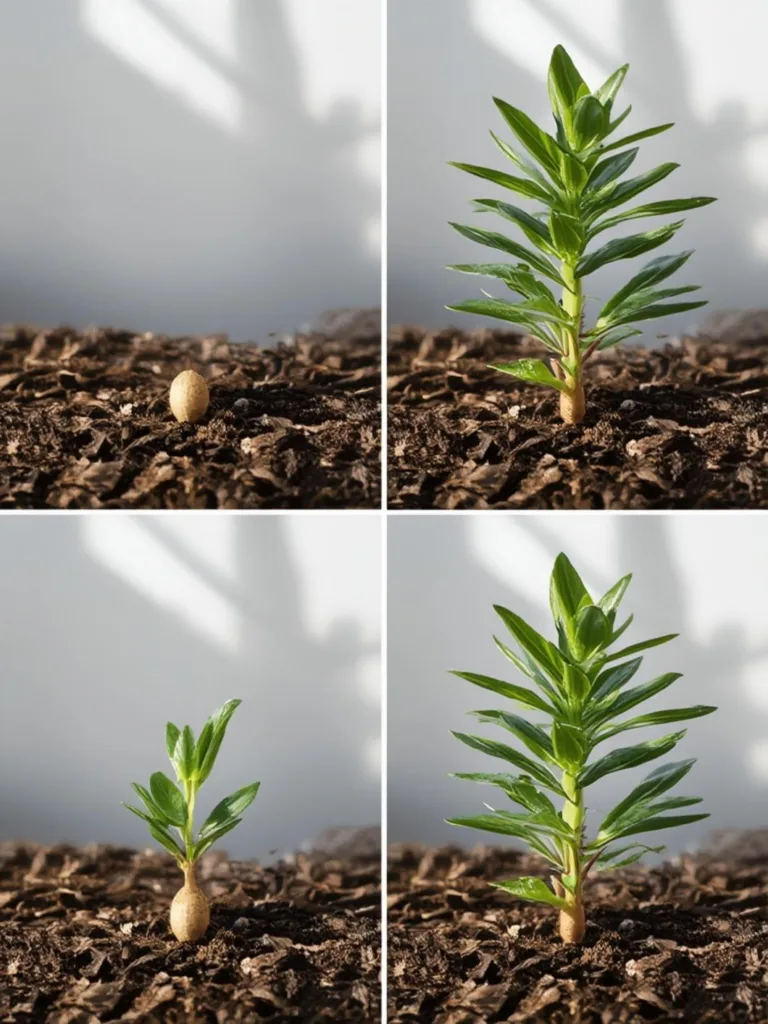
1. Selecting Your Plant
Choose a healthy Chinese evergreen with vibrant foliage and no brown tips. Varieties with more silver or light-colored patterns generally tolerate lower light better than heavily variegated types, which is worth considering based on your home’s lighting situation.
2. Potting Your Plant
1. Select a pot 1-2 inches larger than the nursery container
2. Cover the drainage hole with a coffee filter or mesh to prevent soil loss
3. Add a layer of potting mix to the bottom of the new pot
4. Gently remove the plant from its nursery pot, loosening the root ball slightly
5. Place in the new pot, ensuring the top of the root ball sits about 1 inch below the pot’s rim
6. Fill in around the roots with fresh potting mix, tamping lightly to eliminate air pockets
3. Finding the Perfect Spot
Position your plant in a location with medium to low indirect light. Avoid direct sunlight, which can scorch the leaves. Chinese evergreens tolerate low light conditions better than most houseplants, making them perfect for north-facing windows or interior spaces.
4. Establishing a Watering Routine
Proper aglaonema care includes a consistent but moderate watering schedule:
1. Water when the top 1-2 inches of soil feels dry to the touch
2. Water thoroughly until it drains from the bottom holes
3. Empty the drainage tray promptly to prevent root rot
4. Reduce watering frequency in winter by about 50%
5. Maintaining Proper Humidity
1. Mist the plant 2-3 times weekly (especially in winter)
2. Group with other plants to create a humid microclimate
3. Consider using a pebble tray beneath the pot
4. Ideal humidity ranges from 50-60%
6. Fertilizing Schedule
1. Apply a balanced liquid fertilizer diluted to half strength
2. Fertilize monthly during spring and summer
3. Skip fertilization during fall and winter months
4. Flush the soil thoroughly with plain water every 3-4 months to prevent salt buildup
Nutritional Benefits / Advantages
While Chinese evergreens aren’t edible plants, they offer significant benefits to your home environment:
- Air purification: NASA studies confirm Chinese evergreens effectively filter indoor air pollutants including benzene, formaldehyde, and carbon monoxide
- Humidity regulation: Transpires moisture, improving air quality in dry environments
- Stress reduction: Studies show that interacting with houseplants lowers cortisol levels and blood pressure
- Enhanced focus: Research indicates plants in workspaces can improve concentration by up to 15%
- Aesthetic benefits: Brings lush, tropical aesthetics to interior spaces with minimal maintenance
- Beginner-friendly: High success rate boosts confidence for new plant parents
- Longevity: With proper care, specimens can thrive for 10+ years, providing sustainable décor
Tips, Alternative Methods, or Gardening Advice
For Different Home Environments
- Low light spaces: Choose varieties with more silver coloration like ‘Silver Bay’ or ‘Maria’
- Bathrooms: Chinese evergreens thrive in bathroom humidity if some ambient light is available
- Office environments: Tolerates fluorescent lighting better than most plants
- Small spaces: Compact varieties like ‘Siam Aurora’ stay under 18 inches tall
Growth Enhancement Techniques
- Rotating: Turn the plant quarterly for even growth
- Cleaning leaves: Wipe leaves monthly with a damp cloth to remove dust and improve photosynthesis
- Bottom watering: Try soaking the pot from below to encourage deeper root development
- Propagation through division: Mature plants can be divided during repotting to create new specimens
- Water propagation: Stem cuttings with at least one node can root easily in water
Common Mistakes to Avoid
Overwatering
Problem: Yellowing leaves, mushy stems, and root rot
Solution: Allow the top 1-2 inches of soil to dry between waterings. Use well-draining soil and ensure pots have drainage holes.
Incorrect Light Exposure
Problem: Pale leaves, leggy growth in too little light; scorched leaves in direct sun
Solution: Place in medium to low indirect light. Avoid direct sunlight, especially during midday hours.
Temperature Extremes
Problem: Leaf drop, browning edges, stunted growth
Solution: Maintain temperatures between 65-80°F (18-27°C). Keep away from cold drafts, air conditioning vents, and heaters.
Ignoring Humidity Needs
Problem: Brown leaf tips and edges, crispy foliage
Solution: Increase humidity through misting, grouping plants, or using a humidifier, especially in winter.
Fertilizer Misuse
Problem: Fertilizer burn, leaf discoloration, or stunted growth
Solution: Use diluted fertilizer only during growing season. Flush soil occasionally to prevent salt buildup.
Storage / Maintenance Tips
While storage isn’t relevant for a living plant, consistent maintenance ensures your Chinese evergreen thrives for years:
Seasonal Care Adjustments
- Spring-Summer: Increase watering frequency, resume fertilizing, monitor for faster growth
- Fall-Winter: Reduce watering by approximately 50%, stop fertilizing, protect from cold drafts
Routine Maintenance
- Weekly: Check soil moisture and leaf condition
- Monthly: Rotate plant, dust leaves, check for pests
- Quarterly: Flush soil with plain water to remove fertilizer salts
- Annually: Evaluate for repotting needs, remove any damaged foliage
Pruning Guidelines
- Remove yellowing or damaged leaves at the base with clean shears
- Prune leggy growth to maintain compact shape
- Save healthy stem cuttings for propagation
Pest Prevention
- Inspect new plants thoroughly before bringing home
- Quarantine any plant showing signs of infestation
- Apply neem oil dilution monthly as a preventative measure
- Check leaf undersides regularly for early pest detection
Conclusion
The Chinese evergreen stands as one of the most rewarding houseplants for both novice and experienced indoor gardeners. Its striking foliage brings natural beauty to any space while demanding minimal attention in return. By following these Chinese evergreen growing guidelines, you’ll enjoy a thriving plant that improves your home’s aesthetics and air quality for years to come. The forgiving nature of aglaonema care makes these plants particularly suitable for busy households or those new to plant parenthood.
Why not start your Chinese evergreen journey today? Begin with a single specimen, and you might soon find yourself collecting different varieties with their uniquely patterned leaves. Share your Chinese evergreen growing experiences in the comments below, or explore our other guides to expanding your indoor garden oasis.
FAQs
How often should I water my Chinese evergreen?
Water when the top 1-2 inches of soil feels dry to the touch, typically every 7-10 days in summer and every 2-3 weeks in winter. Always check the soil rather than following a strict schedule, as indoor conditions vary significantly.
Why are my Chinese evergreen’s leaf tips turning brown?
Brown leaf tips usually indicate low humidity, inconsistent watering, or fertilizer buildup. Increase humidity through misting or a humidifier, establish a consistent watering routine, and flush the soil occasionally to remove excess salts.
Can Chinese evergreens survive in offices with no natural light?
While they tolerate low light better than most plants, Chinese evergreens still need some natural or artificial light to thrive. They can survive under fluorescent office lighting, but will grow very slowly and may eventually decline without at least some indirect natural light.
Is my Chinese evergreen safe for pets?
No, Chinese evergreens contain calcium oxalate crystals that are toxic to cats and dogs if ingested. Symptoms include oral irritation, excessive drooling, and difficulty swallowing. Keep plants out of reach of curious pets or opt for pet-safe alternatives.
How do I know when to repot my Chinese evergreen?
Repot when you notice roots growing through drainage holes, the plant becoming top-heavy, or growth slowing despite proper care. Most Chinese evergreens need repotting every 2-3 years, preferably during spring when they’re actively growing.