Best way to grow 12 stunning gardening ideas
Have you ever walked into a space filled with lush greenery and immediately felt more relaxed? There’s something inherently calming about surrounding yourself with plants that transforms ordinary rooms into breathtaking sanctuaries. In recent years, the urban jungle aesthetic has exploded in popularity, with homeowners and apartment dwellers alike embracing the biophilic design movement.
Creating your own indoor plant paradise doesn’t just elevate your home’s aesthetic it improves air quality, boosts mood, and satisfies that primal connection to nature. Whether you’re interested in advanced gardening ideas or simple container gardening techniques, transforming your space into a verdant retreat is both achievable and deeply rewarding. Today, we’ll explore how to design your very own indoor houseplant oasis that thrives year-round.
Table of Contents
Design Concept Overview
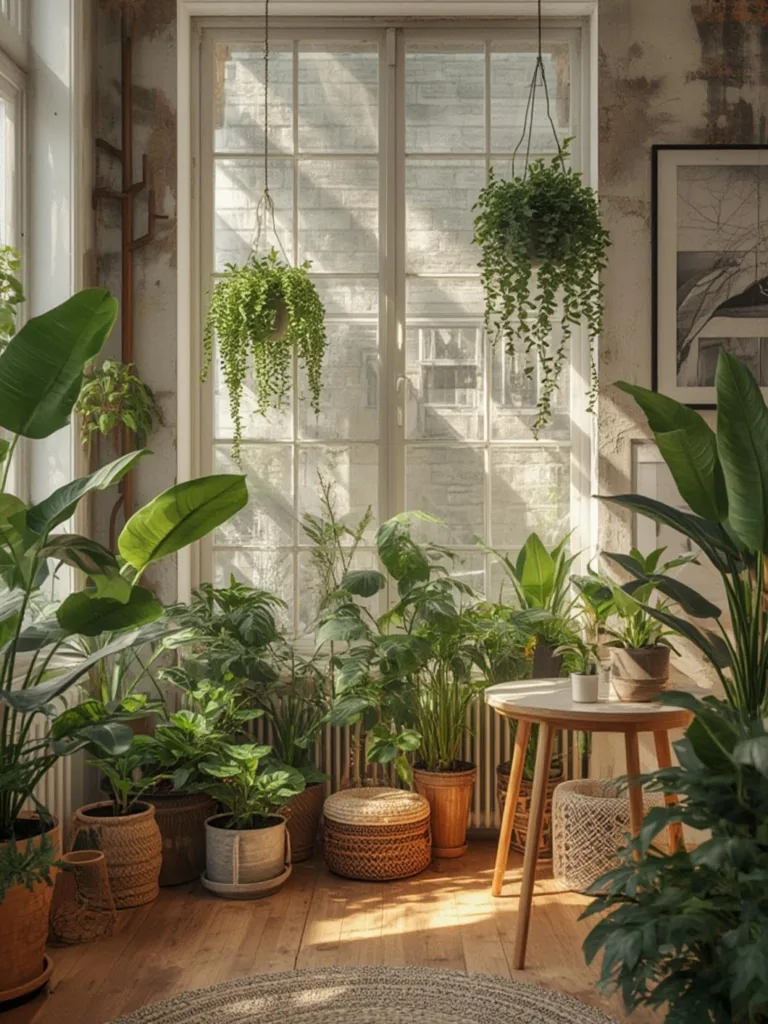
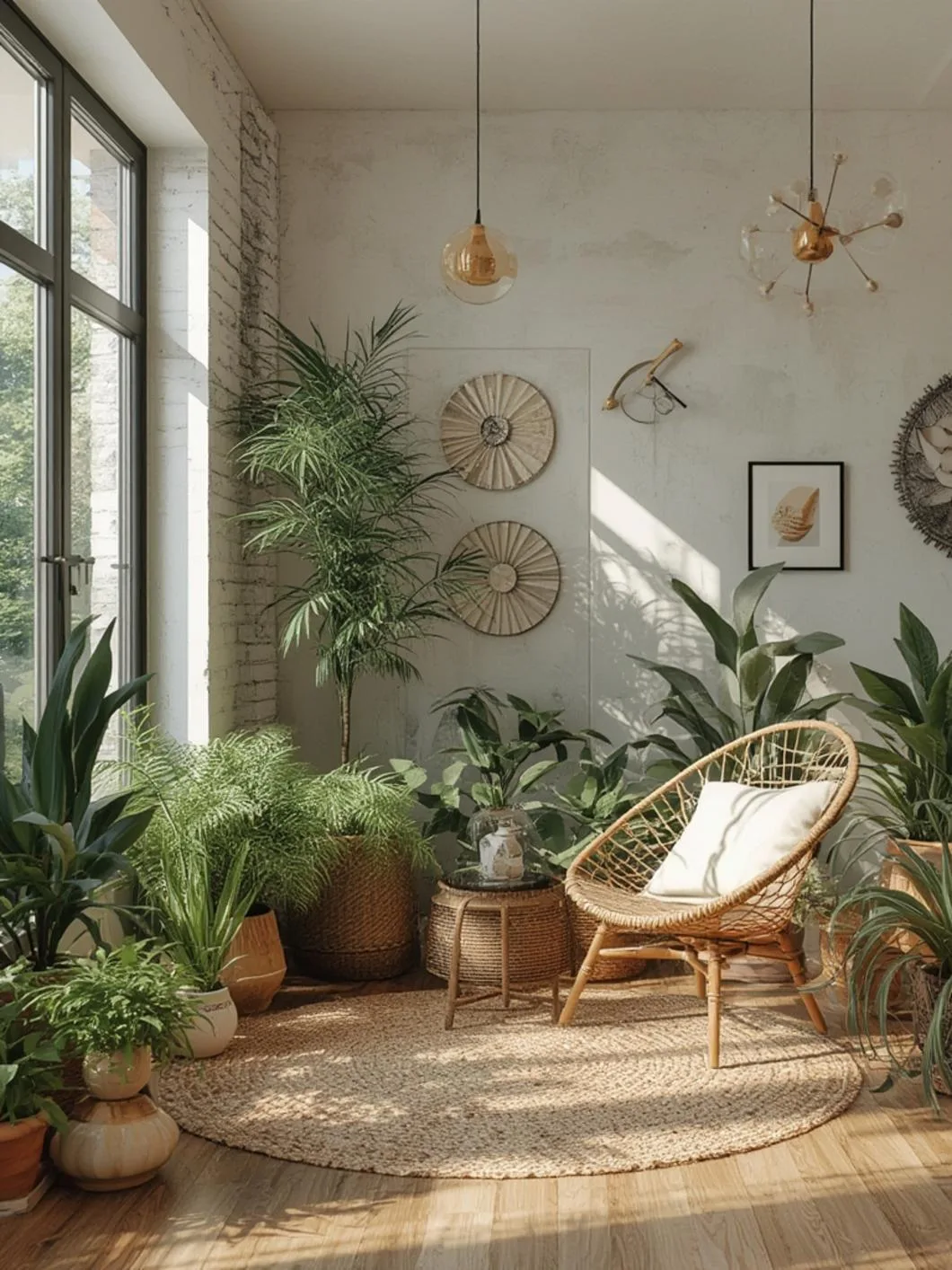
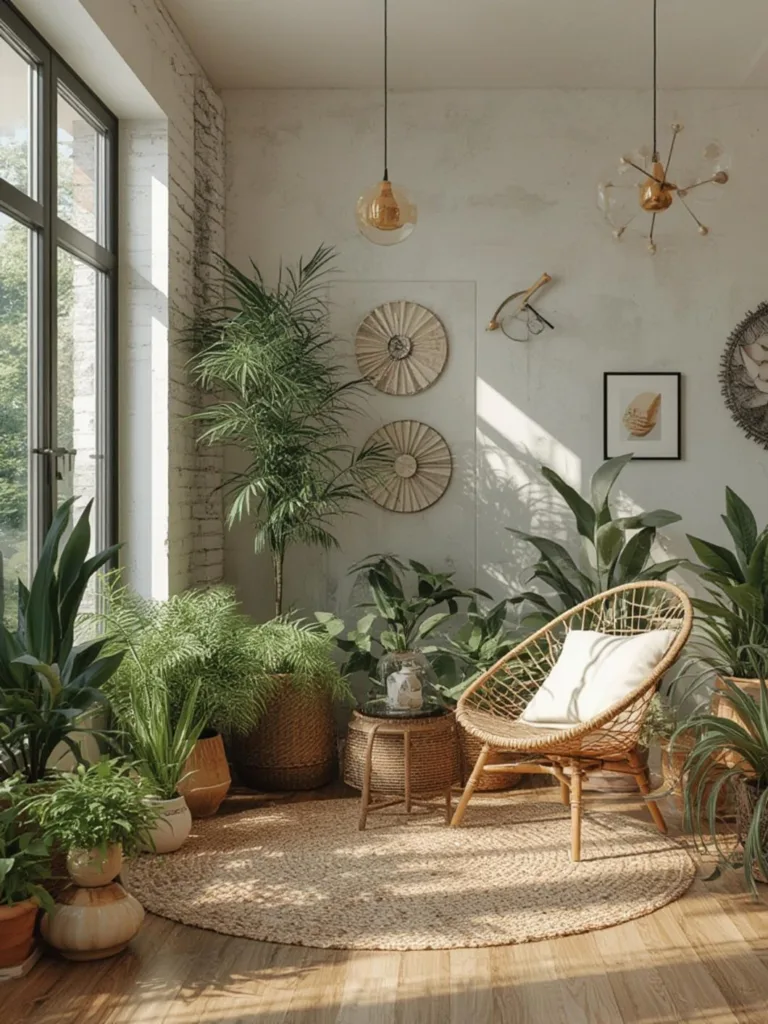
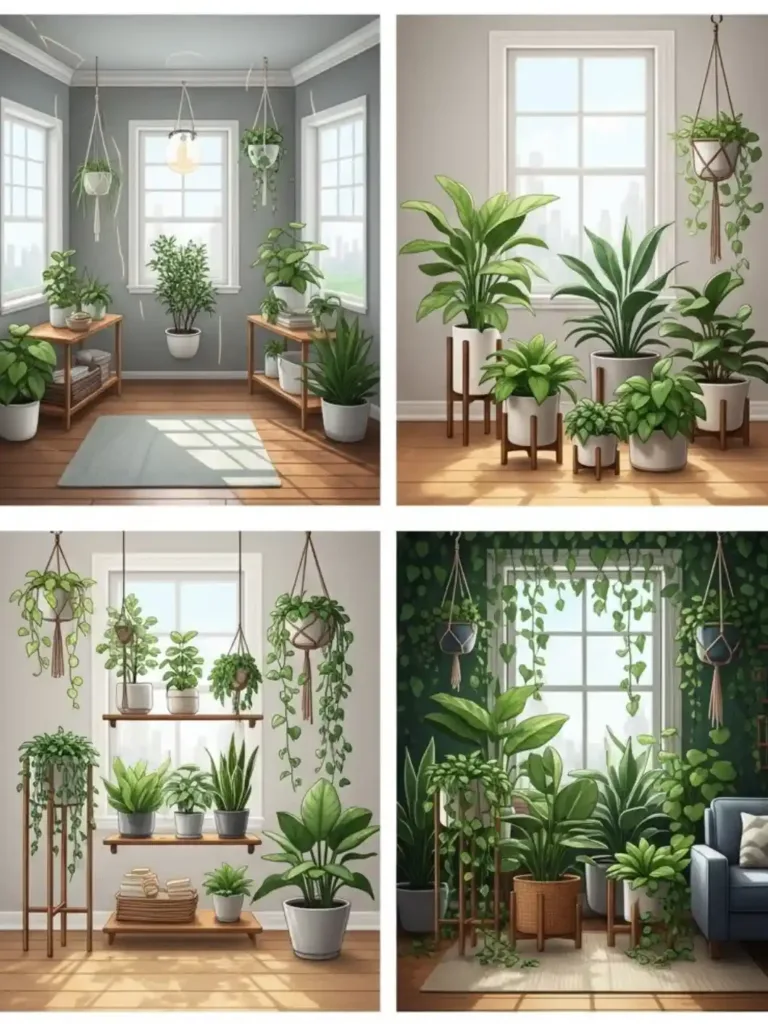
The indoor houseplant design concept centers around strategically incorporating plants of various sizes, textures, and growth habits to create a cohesive, natural-looking environment within your home. Unlike rigid, formal arrangements, the urban jungle aesthetic embraces a somewhat controlled chaos layering plants at different heights, allowing trailing varieties to cascade from shelves, and creating focal points with statement specimens.
This design approach works with virtually any interior style, from minimalist Scandinavian to eclectic bohemian. The color palette typically relies heavily on various shades of green, accented by natural materials like wood, rattan, terracotta, and brass. The mood evoked is one of tranquility and vitality bringing the restorative power of nature indoors while maintaining the comfort and functionality of your living space.
Materials, Colors & Key Elements
To create a successful indoor plant oasis, you’ll need:
Plants:
– Statement plants: Fiddle Leaf Fig, Monstera Deliciosa, Bird of Paradise
– Medium plants: ZZ Plant, Snake Plant, Rubber Plant
– Small plants: Pothos, Spider Plant, Prayer Plant
– Trailing varieties: String of Pearls, Philodendron, Ivy
– Air plants and succulents for diversity
Containers:
– Terracotta pots (classic, breathable, affordable)
– Ceramic planters (various colors and textures)
– Hanging planters (macramé, ceramic, or metal)
– Plant stands of varying heights
– Wall planters or vertical garden systems
Supporting Elements:
– Quality potting soil and plant food
– Watering can with narrow spout
– Spray bottle for humidity-loving plants
– Plant care tools (small trowel, pruning shears)
– Moisture meter for watering guidance
Color Palette:
– Primary: Various shades of green
– Secondary: Earth tones (terracotta, sand, wood)
– Accents: White, cream, brass, copper, or black for contrast
Budget-friendly alternatives include propagating plants from cuttings, finding pots at thrift stores, or using repurposed containers with proper drainage added.
Timing, Budget & Planning
Budget Considerations:
– Starter collection (5-7 plants with pots): $150-300
– Mid-range collection (10-15 plants with pots): $300-600
– Extensive collection (20+ plants with various display options): $600+
For budget-conscious projects, start with inexpensive, easy-to-care-for varieties like pothos, spider plants, and snake plants, which range from $10-30 each. Standard terracotta pots cost $1-15 depending on size.
Planning Timeline:
– Research and plant selection: 1-2 weeks
– Initial setup and arrangement: 1 weekend
– Adjustment period (relocating plants based on light needs): 1 month
– Full establishment of your plant collection: 3-6 months
For apartments or small spaces, focus on vertical solutions like wall-mounted planters, hanging plants, and plant stands that maximize floor space. Window sills, bookcase shelves, and bathroom counters can all host small plants without sacrificing precious square footage.
Step-by-Step Guide
1. Assess Your Light Conditions
– Map your home’s light exposure (north, south, east, west-facing windows)
– Identify bright direct, bright indirect, medium, and low light areas
– Match plants to appropriate light conditions for success
2. Consider Your Lifestyle and Care Capacity
– Select plants based on your time availability and travel schedule
– Group plants with similar watering needs together
– For beginners, start with resilient varieties like ZZ plants and pothos
3. Create Plant Groupings
– Follow the “thriller, filler, spiller” approach:
* Thriller: Tall, statement plant as focal point
* Filler: Medium-sized plants to add volume
* Spiller: Trailing plants to cascade over edges
4. Play With Height and Texture
– Use plant stands, shelves, and hanging planters to create vertical interest
– Mix leaf shapes, sizes, and textures (broad leaves, feathery fronds, spiky varieties)
– Incorporate plants at eye level, below, and above for visual dimension
5. Select and Style Containers
– Choose pots that complement your décor style
– Ensure proper drainage for all containers
– For a cohesive look, limit pot styles to 2-3 complementary types
– For eclectic style, mix and match container styles deliberately
6. Implement Advanced gardening ideas and container gardening Techniques
– Create humidity zones for tropical plants using pebble trays
– Design plant vignettes around specific themes (all-green, trailing collection, succulents)
– Incorporate seasonal rotations to maintain visual interest year-round
7. Maintain Negative Space
– Resist the urge to fill every surface with plants
– Allow breathing room between plant groupings
– Balance plant-dense areas with plant-free zones for visual rest
Benefits & Functional Advantages
The benefits of creating an indoor plant sanctuary extend far beyond aesthetics:
Health Benefits:
– Improved air quality through natural filtration
– Increased oxygen levels during daytime
– Elevated humidity levels, reducing respiratory issues
– Reduced stress levels and improved mental health
Functional Advantages:
– Natural room dividers and privacy screens
– Sound absorption and noise reduction
– Temperature regulation through transpiration
– Connection to nature in urban environments
Lifestyle Improvements:
– Meditative care routine that promotes mindfulness
– Reduced screen time through plant maintenance activities
– Sense of accomplishment and growth tracking
– Sustainable hobby with long-term satisfaction
Alternative Styles & Customization Ideas
Your indoor plant design can be customized to match your personal style:
Minimalist Approach:
– Select a few architectural plants with strong silhouettes
– Use simple, uniform containers in neutral colors
– Focus on negative space and clean lines
– Example plants: Snake plants, Rubber trees, ZZ plants
Bohemian Style:
– Embrace abundant, layered plant collections
– Mix handcrafted containers, macramé hangers, and vintage finds
– Incorporate colorful flowering plants among foliage
– Example plants: String of hearts, Monstera, Tradescantia
Modern Tropical:
– Feature large-leafed statement plants
– Use sleek, contemporary planters in monochromatic schemes
– Create structured arrangements with intentional asymmetry
– Example plants: Bird of Paradise, Philodendron, Alocasia
Desert-Inspired:
– Focus on succulents and cacti collection
– Use terracotta, concrete, or textured ceramic containers
– Create mini landscapes with decorative rocks and sand
– Example plants: Echeveria, Haworthia, Euphorbia
For small spaces, emphasize vertical gardening with wall-mounted planters, hanging plants, or tension rod systems between walls to create green dividers without sacrificing floor space.
Common Mistakes to Avoid
Mistake 1: Improper Light Matching
– Problem: Placing shade-loving plants in direct sun or sun-loving plants in dark corners
– Solution: Research each plant’s light requirements and position accordingly; move plants seasonally as light conditions change
Mistake 2: Overwatering
– Problem: Most houseplants die from too much rather than too little water
– Solution: Check soil moisture before watering; use well-draining soil; ensure pots have drainage holes
Mistake 3: Neglecting Plant Size at Maturity
– Problem: Buying plants that will quickly outgrow their space
– Solution: Research mature sizes; plan for growth or be prepared to prune regularly
Mistake 4: Ignoring Humidity Needs
– Problem: Dry, brown leaf tips on tropical plants in dry environments
– Solution: Group humidity-loving plants together; use humidifiers or pebble trays; mist regularly
Mistake 5: Aesthetic Over Care Requirements
– Problem: Choosing plants based solely on looks, not on whether they can thrive in your conditions
– Solution: Start with plants suited to your environment, then style around them; be realistic about maintenance capacity
Maintenance & Longevity Tips
To keep your indoor jungle thriving long-term:
Seasonal Care Adjustments:
– Reduce watering in winter when plant growth slows
– Increase humidity during heating season with humidifiers
– Move plants away from cold drafts and heating vents
– Fertilize primarily during spring and summer growing seasons
Regular Maintenance:
– Dust leaves monthly with a damp cloth to improve photosynthesis
– Rotate plants quarterly for even growth
– Inspect regularly for pests and treat promptly with nontoxic solutions
– Prune leggy growth to encourage fuller plants
Long-Term Health:
– Repot plants every 1-2 years in fresh soil
– Divide overcrowded plants to rejuvenate and expand your collection
– Propagate cuttings for backup plants or to share with friends
– Gradually acclimate plants to new positions rather than making sudden changes
Seasonal Refreshes:
– Rearrange plant groupings quarterly for fresh perspective
– Add seasonal blooming plants for color variation
– Update container styles or paint existing pots for design refreshes
– Introduce new plant varieties gradually to expand your collection
Conclusion
Creating an indoor houseplant oasis is a deeply rewarding journey that evolves alongside your own life. From simple container gardening projects to implementing sophisticated gardening ideas, each step brings you closer to a more vibrant, living home environment. Remember that your urban jungle is never truly “finished” it’s a dynamic ecosystem that grows, changes, and responds to your care. The beauty lies not just in the visual impact but in the relationship you develop with your plants as you learn their unique needs and rhythms.
Whether you’re nurturing a single plant on your desk or transforming an entire room into a green sanctuary, you’re participating in an ancient human practice of bringing nature’s benefits indoors. Start small, learn from both successes and challenges, and allow your collection to grow organically alongside your confidence. Your indoor plant paradise will reward you with cleaner air, improved wellbeing, and a constantly evolving design element that brings your space to life quite literally.
FAQs
What are the best houseplants for beginners with little natural light?
Snake plants, ZZ plants, and pothos are excellent options for beginners with low light conditions. These plants are highly adaptable, require minimal watering (every 2-3 weeks), and can tolerate neglect while still maintaining their attractive appearance.
How can I create an indoor garden in a small apartment with limited space?
Focus on vertical solutions like wall planters, hanging plants, and tall, narrow plant stands. Utilize window sills, the tops of cabinets, and bathroom spaces where humidity benefits plants. Choose smaller varieties or slow-growing plants that won’t quickly outgrow their space.
What’s the most common reason houseplants die and how can I prevent it?
Overwatering is the leading cause of houseplant death. Prevent this by checking soil moisture before watering (the top 1-2 inches should feel dry for most plants), ensuring all pots have drainage holes, and establishing a watering schedule based on each plant’s needs rather than a rigid calendar routine.
How do I create a cohesive plant display that enhances my existing décor?
Select container styles that complement your existing color scheme and design aesthetic. Group plants in odd numbers (3, 5, 7) for visual appeal, vary heights and textures, and create “breathing room” between groupings. Consider the visual weight of your plant arrangements and balance them with your furniture and other décor elements.
What’s the best way to expand my plant collection without breaking the budget?
Start with cuttings from friends or propagate your existing plants. Join local plant swap groups where enthusiasts exchange plants and cuttings. Purchase smaller, younger plants which are less expensive and will grow over time. Consider seasonality many retailers offer sales at the end of growing seasons.