Stephania Erecta : The Complete Care Guide for This Unique Turtle Shell Plant
Why Everyone Is Obsessed With Stephania Erecta?
If you have spent even five minutes on Pinterest looking at rare houseplants, you have probably seen Stephania Erecta.
It is the plant with the perfectly round base that looks like a tiny wooden turtle shell sitting in a pot. Minimal. Sculptural. Slightly mysterious.
And yes, it is just as cool in real life as it looks in photos.
Stephania Erecta has quickly become one of the most searched rare indoor plants online. But despite its exotic appearance, it is not as intimidating as it seems.
In this complete guide, you will learn:
- What Stephania Erecta actually is
- How to plant it correctly
- The best soil for healthy growth
- Proper watering techniques
- Light requirements
- Winter dormancy care
- Common problems and solutions
- Expert tips to help it thrive
If you are thinking about getting one or already own one, this guide will help you grow it successfully.
Table of Contents
What Is Stephania Erecta?
Stephania Erecta is a tropical caudex plant native to Thailand.
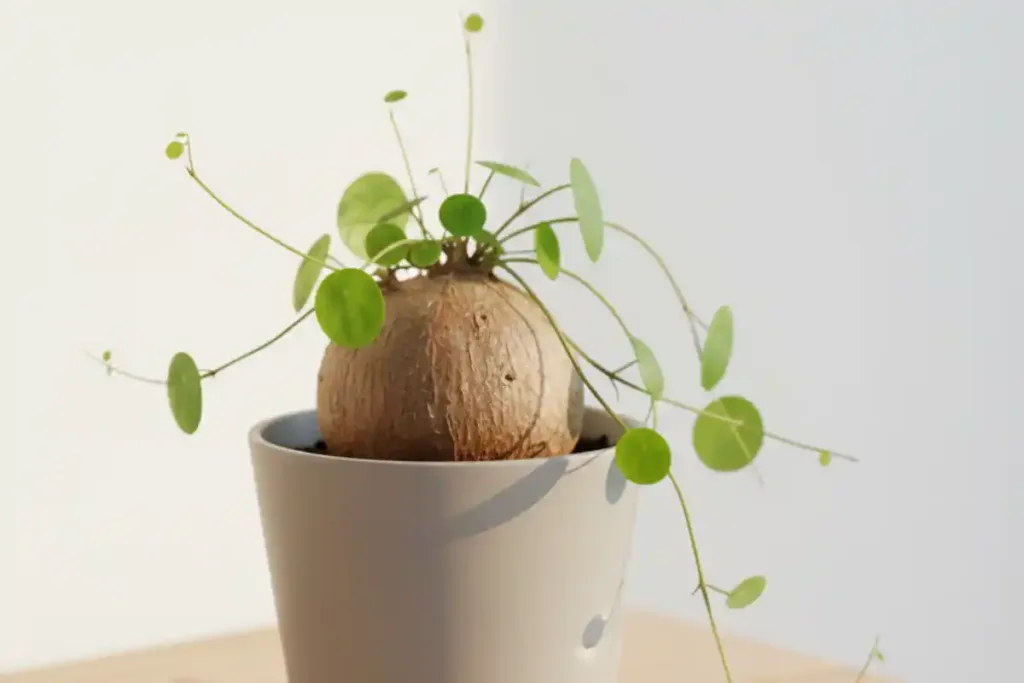
The thick, round base is called a caudex. This swollen root structure stores water and nutrients, which helps the plant survive dry conditions in its natural habitat.
From that round base, thin vines grow upward with delicate circular leaves that almost look like tiny lily pads.
One of the reasons Stephania Erecta is so popular is that every plant looks different. Some caudex bases are perfectly round. Others are textured or slightly irregular.
It feels like owning a living sculpture.
Common names you might see online include:
- Stephania Erecta plant
- Turtle shell plant
- Sukhothai turtle plant
- Caudex houseplant
Why Stephania Erecta Is So Popular
There are several reasons this plant has gone viral.
First, it photographs beautifully. The round base creates visual contrast against neutral pots and minimalist interiors.
Second, it fits perfectly into modern decor styles like Scandinavian, Japandi, and boho.
Third, it looks rare and expensive, but it is actually fairly easy to maintain once you understand its needs.
It is one of those plants that looks high maintenance but really is not.
How to Plant Stephania Erecta Properly
Proper planting is crucial for long-term health.
Use Well Draining Soil
The most important rule with Stephania Erecta is drainage.
Never use heavy, moisture-retaining potting soil.
Instead, choose cactus or succulent soil. These mixes are designed to dry out quickly and prevent root rot.
The Royal Horticultural Society recommends using well‑draining soil mixes to prevent root rot in indoor plants.
You can also create your own mix using:
- 50 percent cactus soil
- 25 percent perlite
- 25 percent pumice or coarse sand
The goal is airflow and fast drainage.
Want to learn more about choosing the perfect soil for caudex plants? Check out our full guide on best soil for caudex plants to make sure your Stephania Erecta thrives.
Do Not Bury the Caudex
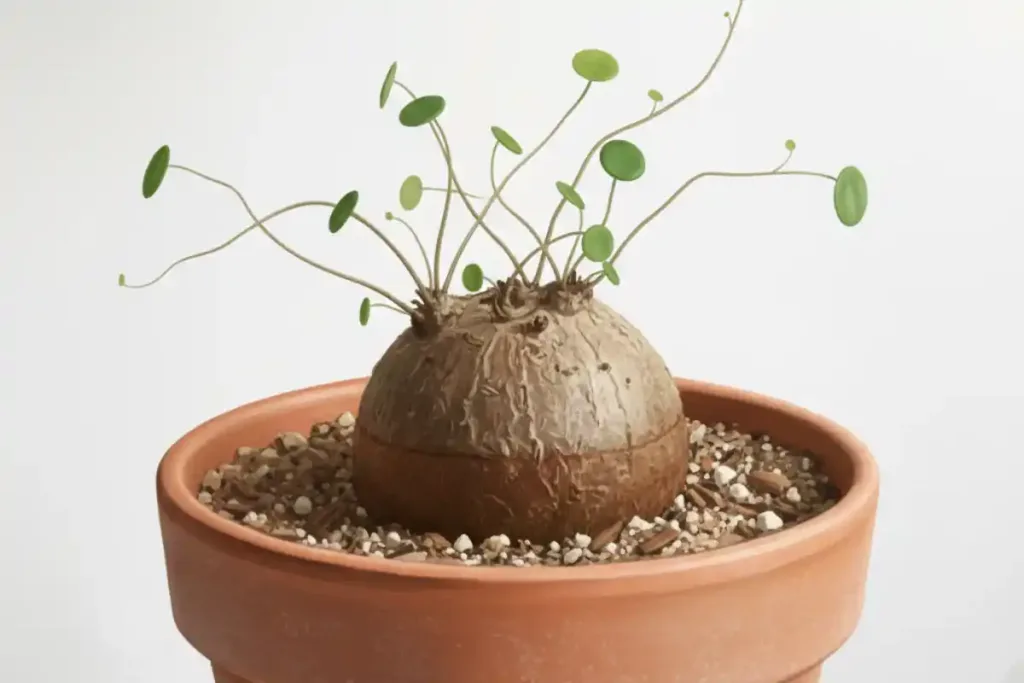
Only bury about one third of the caudex.
The majority of the round base should sit above the soil surface.
Burying it completely increases the risk of rot and removes the plant’s signature aesthetic.
Choose the Right Pot
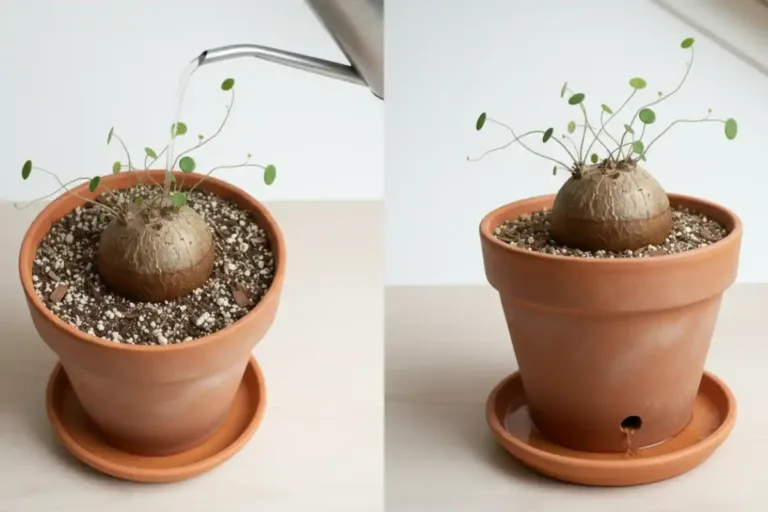
Always use a pot with drainage holes.
Terracotta pots work especially well because they allow moisture to evaporate faster.
Avoid decorative pots without drainage unless you use a nursery pot inside.
Learn which pots work best for caudex plants
Stephania Erecta Light Requirements
Light is the second most important factor after watering.
Stephania Erecta loves bright indirect light.
Place it near a window where it receives plenty of filtered sunlight.
Avoid harsh direct afternoon sun, especially through glass, as it can burn the leaves.
If your plant shows slow growth or long stretched vines, it likely needs more light.
If leaves develop brown patches, it may be receiving too much direct sun.
Aim for bright but gentle lighting.
How to Water Stephania Erecta Correctly
This is where most people go wrong.
Because the caudex stores water, Stephania Erecta does not need frequent watering.
General watering guidelines:
- Water every 10 to 14 days during the growing season
- Always allow the soil to dry completely
- Reduce watering significantly in winter
- Never let the plant sit in standing water
If you are unsure whether to water, wait a few more days.
Overwatering is the number one cause of root rot in caudex plants.
Signs of overwatering include:
- Yellowing leaves
- Soft or squishy caudex
- Moldy or consistently damp soil
Signs of underwatering are rare but may include wrinkling of the caudex.
Learn how to prevent root rot in indoor plants
Understanding Winter Dormancy
One of the most misunderstood aspects of Stephania Erecta care is dormancy.
During colder months, the plant may:
- Lose its leaves
- Stop growing
- Appear inactive
This is completely normal.
When dormancy begins:
- Reduce watering dramatically
- Keep soil mostly dry
- Maintain bright light exposure
- Keep temperatures warm
Do not try to force growth with extra water. That will only cause problems.
When spring returns and temperatures rise, new vines will appear again.
Patience is key.
Read our winter dormancy care guide
Temperature and Humidity Needs
Stephania Erecta prefers warm indoor temperatures between 65 and 80 degrees Fahrenheit.
It does not tolerate frost.
Average household humidity is usually sufficient. It does not require high humidity like some tropical plants.
Avoid placing it near cold drafts or air conditioning vents.
Common Stephania Erecta Problems and Solutions
Yellow Leaves
Most often caused by overwatering.
Solution: Allow soil to dry completely before watering again.
Soft Caudex
This is a warning sign of root rot.
Solution: Remove the plant from the soil, inspect roots, and repot in dry, well draining soil.
No Growth
Likely due to dormancy or insufficient light.
Solution: Increase light exposure and wait for the growing season.
Leaves Falling Off
Often seasonal dormancy. Not always a problem.
Observe the watering schedule before panicking.
Is Stephania Erecta Beginner Friendly?
Yes, as long as you understand one rule.
Do not overwater.
If you can manage that, this plant is very manageable.
It is ideal for:
- Small apartments
- Minimalist interiors
- Plant collectors
- Rare plant enthusiasts
- Pinterest-inspired home decor
How Fast Does Stephania Erecta Grow?
Growth speed depends on light, warmth, and care.
During the growing season, vines can reach one to three feet long.
Growth tends to be moderate, not aggressive.
Remember, this is not a fast growing trailing plant. It grows steadily when conditions are right.
Styling Ideas for Stephania Erecta
Because of its sculptural look, this plant works beautifully in:
- Neutral ceramic pots
- Concrete planters
- Minimal wooden shelves
- Desk corners
- Bright window sills
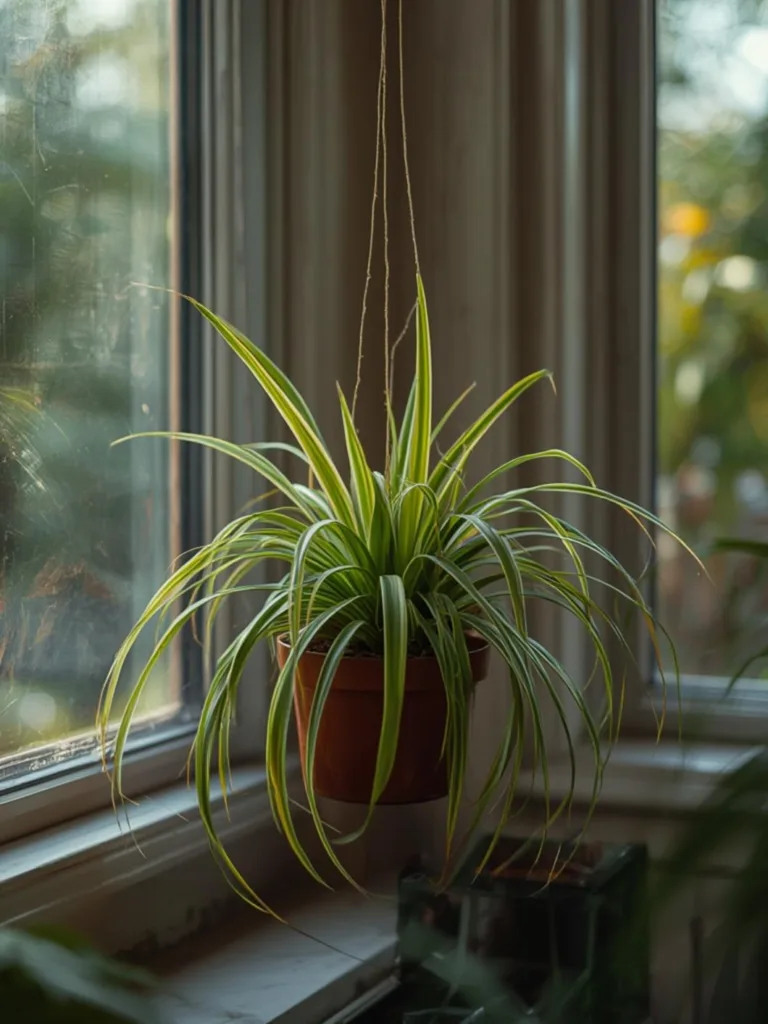
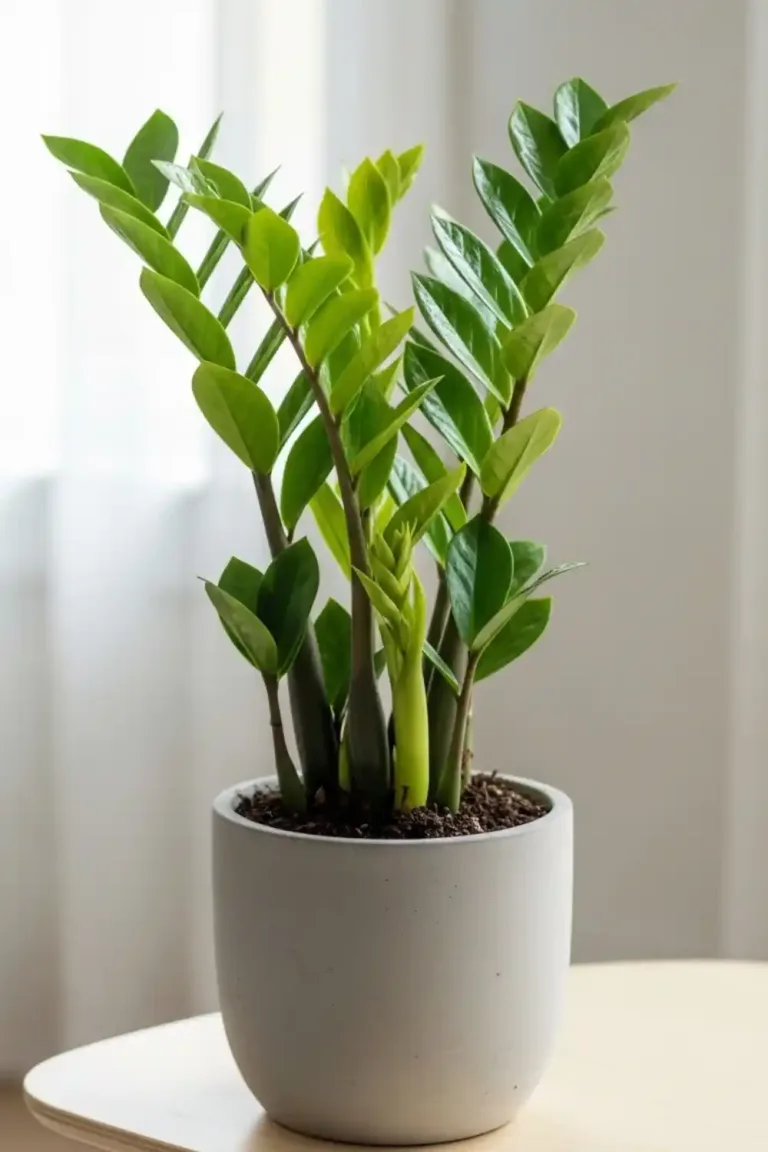
It pairs well with trailing plants or other structural plants like snake plants and ZZ plants.
The contrast makes it stand out even more.
Final Thoughts: Is Stephania Erecta Worth It?
Absolutely.
Stephania Erecta is one of the most unique indoor plants you can own. See which rare indoor plants love bright light
It combines rare plant appeal with relatively simple care requirements.
As long as you provide:
- Bright indirect light
- Well draining soil
- Controlled watering
- Patience during dormancy
Your turtle shell plant can thrive for years.
It is sculptural. It is minimal. It is a conversation starter.
And best of all, it proves that rare plants do not have to be complicated.