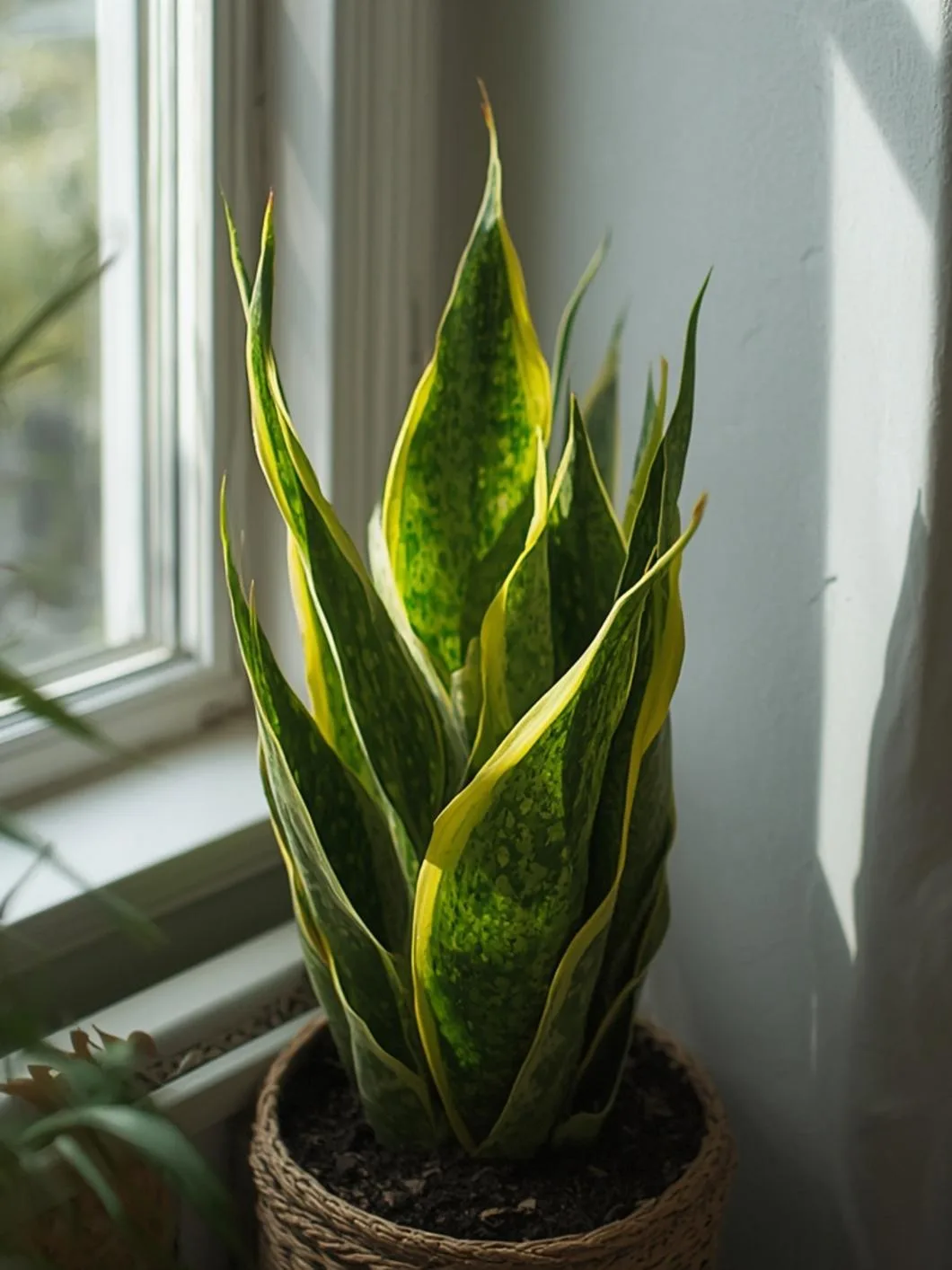
Quick way to grow Snake plant in 3 steps
Have you ever longed for an elegant houseplant that can survive even the most neglectful plant parent? The Snake plant, also known as Sansevieria or mother-in-law’s tongue, might be your perfect match. These architectural beauties not only add a striking visual element to any space but also purify the air while requiring minimal maintenance.
Understanding proper snake plant care can transform your home into a more vibrant, healthier environment with surprisingly little effort. Whether you’re a beginner or a seasoned plant enthusiast, this comprehensive guide will walk you through everything you need to know about cultivating these resilient plants.
Table of Contents
Materials & Supplies
To successfully grow a snake plant at home, you’ll need the following items:
1. Snake Plant Cutting or Potted Plant: You can purchase a mature plant or propagate from cuttings.
2. Well-Draining Pot: Choose a container with drainage holes that’s only slightly larger than the root ball (1-2 inches wider in diameter).
3. Potting Mix: Use a cactus or succulent soil mix, or create your own by mixing regular potting soil with perlite and coarse sand at a 2:1:1 ratio.
4. Watering Can: A narrow-spouted can helps control water flow.
5. Spray Bottle: For misting during propagation (optional).
6. Garden Gloves: Protect your hands when handling soil.
7. Pruning Shears: For trimming damaged leaves or propagation.
8. Plant Food: A balanced, diluted liquid fertilizer designed for succulents.
9. Moisture Meter (optional): Helps prevent overwatering.
10. Decorative Pebbles (optional): For topping the soil and enhancing drainage.
Timing / Growing Schedule
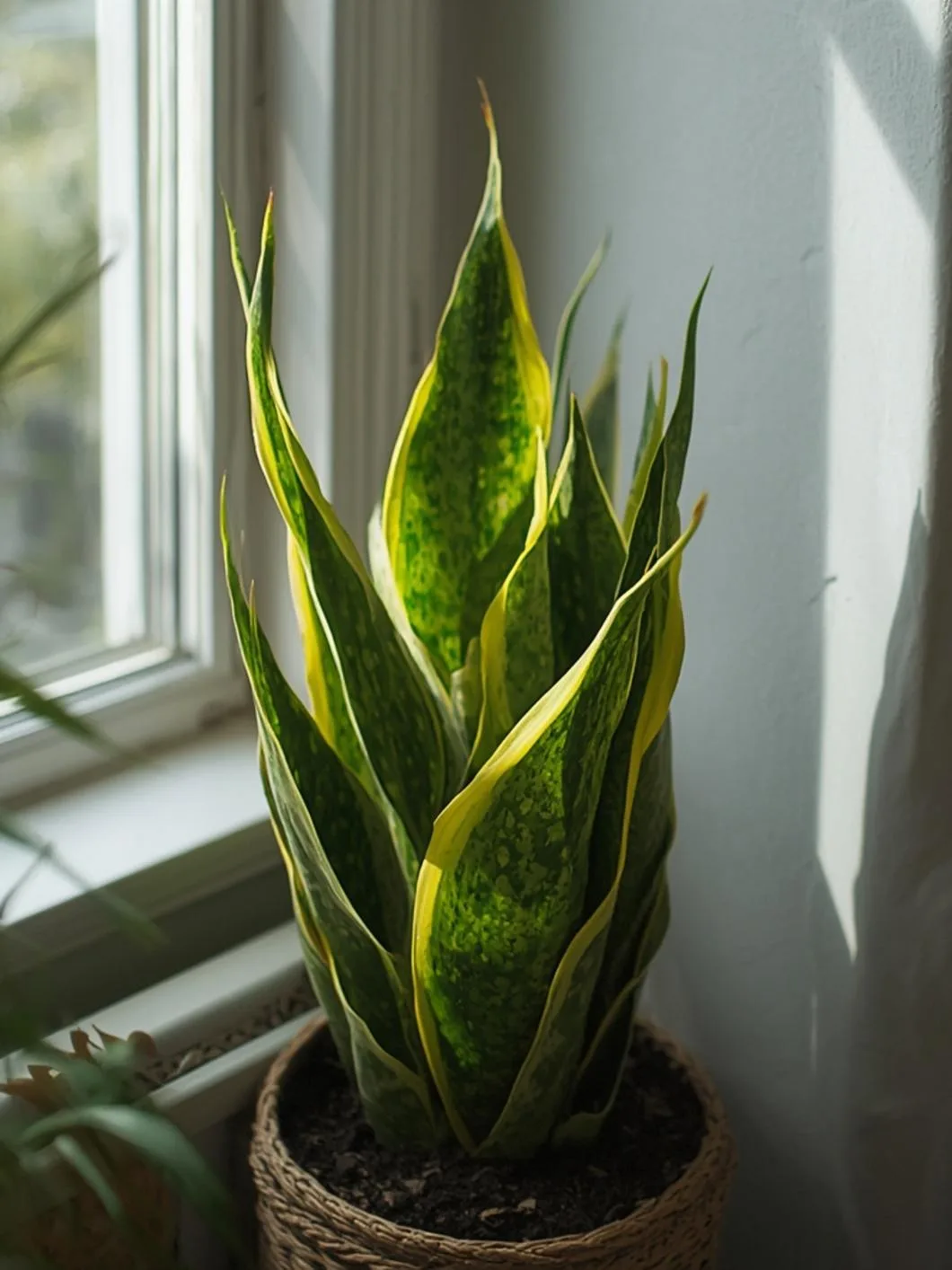
Snake plants are incredibly adaptable when it comes to timing and growth cycles:
- Purchasing/Repotting: Ideally done in spring or summer when the plant is in its active growth phase.
- Growth Rate: Snake plants are slow growers, typically adding 1-3 new leaves per year.
- Maturity Timeline: Depends on starting size, but expect:
– Small plants (4-6 inches): 1-2 years to reach medium size
– Medium plants (8-12 inches): 2-3 years to reach full maturity
– Full maturity: Can take 3-5 years to reach maximum size (2-4 feet tall depending on variety)
- Repotting Schedule: Only needed every 2-3 years or when the plant becomes root-bound.
- Flowering: Rare indoors but possible with mature plants after 5+ years, producing fragrant greenish-white flowers on tall stalks.
Unlike fast-growing houseplants that need frequent attention, the snake plant’s slow, steady growth pattern makes it perfect for busy individuals or those new to plant parenthood.
Step-by-Step Instructions
1. Selecting Your Plant
Choose a healthy Snake plant with firm, upright leaves without brown spots or yellowing. For beginners, varieties like ‘Laurentii’ (yellow-edged) or ‘Hahnii’ (bird’s nest) are excellent starting points for practicing snake plant care.
Pro tip: Examine the plant’s base for signs of new growth—small pointed leaves emerging indicate a healthy, actively growing specimen.
2. Potting Your Plant
1. Select a pot that’s proportional to your plant’s size with adequate drainage holes.
2. Place a small piece of mesh or a coffee filter over the drainage hole to prevent soil from escaping.
3. Fill the bottom third of the pot with your cactus/succulent mix.
4. Remove the plant from its nursery container, gently loosening the roots if they’re tightly bound.
5. Position in the new pot at the same depth it was previously growing.
6. Fill in around the roots with potting mix, leaving about an inch of space below the pot’s rim.
7. Tap the pot gently to settle the soil without compacting it.
Pro tip: Add a thin layer of decorative pebbles on top to prevent soil from splashing during watering and to minimize fungus gnats.
3. Placement
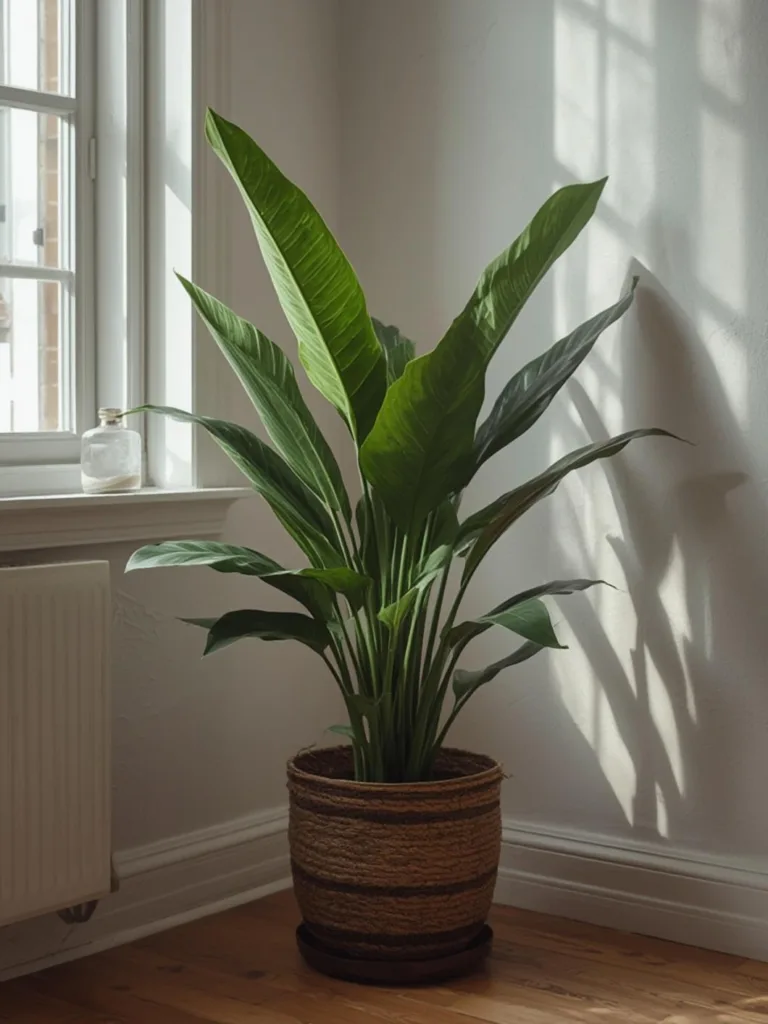
Position your snake plant in a spot that receives bright, indirect light. While they tolerate low light, they thrive and maintain their distinctive patterns in brighter conditions.
Pro tip: Rotate your plant quarterly to ensure even growth, as snake plants naturally lean toward light sources.
4. Watering Routine
1. Allow the soil to dry completely between waterings—typically every 2-4 weeks depending on your home’s conditions.
2. Water at the soil level, avoiding pouring water directly into the center rosette.
3. Water thoroughly until it drains from the bottom, then discard any water in the saucer.
Pro tip: During winter, reduce watering to once every 4-6 weeks as the plant enters dormancy.
5. Fertilization
Feed your snake plant with a diluted succulent fertilizer at half the recommended strength once during spring and once in summer.
Pro tip: Avoid fertilizing newly potted plants for the first 3-4 months to prevent root burn.
Nutritional Benefits / Advantages
Snake plants offer remarkable benefits beyond their aesthetic appeal:
- Air Purification: Recognized by NASA’s Clean Air Study for removing toxins like formaldehyde, benzene, and trichloroethylene from indoor air.
- Oxygen Production: Unlike most plants, snake plants continue releasing oxygen at night, making them ideal bedroom companions.
- Humidity Regulation: Help maintain healthy humidity levels by releasing moisture into dry indoor environments.
- Stress Reduction: Studies show that indoor plants like snake plants can reduce psychological and physiological stress.
- Space Enhancement: Their architectural form adds visual interest and can make small spaces appear larger through vertical growth.
- Electromagnetic Radiation Absorption: Some research suggests they may help reduce radiation from electronic devices.
- Allergy Reduction: By improving air quality, they can help reduce allergy symptoms in some individuals.
Tips, Alternative Methods, or Gardening Advice
Propagation Methods
1. Leaf Cuttings:
* Cut a leaf into 3-4 inch segments
* Let the cuts callus over for 1-2 days
* Plant vertically in well-draining soil, maintaining the original leaf orientation
* Keep slightly moist until roots develop (4-8 weeks)
2. Division:
* Remove the plant from its pot
* Gently separate rhizomes with attached roots and leaves
* Replant each section in its own pot
3. Rhizome Cuttings:
* Cut 2-inch sections of rhizome with attached roots
* Plant horizontally just below soil surface
* Water sparingly until new growth appears
Decorative Display Ideas
- Minimalist Presentation: Place in sleek, simple containers for modern spaces
- Terraced Display: Create a multi-level arrangement with plants of varying heights
- Hanging Planters: Some smaller varieties work well in hanging displays
- Mixed Plant Groupings: Pair with other low-maintenance plants like ZZ plants or pothos
Growing in Different Conditions
- Outdoor Growing: Hardy in USDA zones 9-11; bring indoors when temperatures drop below 50°F
- Office Environments: Ideal for fluorescent-lit spaces with minimal natural light
- Bathroom Placement: Thrives in humidity and can survive with limited light
Common Mistakes to Avoid

1. Overwatering
Problem: Soggy soil leads to root rot, the most common cause of snake plant death.
Solution: Allow soil to dry completely between waterings; reduce frequency in winter. If you notice soft, mushy leaves or a foul smell, immediately check for rot, trim affected roots, and repot in fresh, dry soil.
2. Using Improper Soil
Problem: Dense, water-retaining potting mixes lead to poor drainage and root issues.
Solution: Use cactus/succulent mix or amend regular potting soil with perlite and sand. If your plant is struggling in dense soil, consider repotting even outside the normal schedule.
3. Placing in Direct Sunlight
Problem: While adaptable to various light conditions, direct sun can scorch leaves.
Solution: Position in bright, indirect light. If sunburn occurs (brown, crispy patches), move to a more protected location and trim severely damaged leaves.
4. Frequent Repotting
Problem: Snake plants prefer to be slightly root-bound and disturbing them too often stunts growth.
Solution: Repot only every 2-3 years or when roots grow through drainage holes. When necessary, select a pot just 1-2 inches larger than the current one.
5. Improper Temperature Exposure
Problem: Exposure to temperatures below 50°F damages the tropical plant.
Solution: Maintain temperatures between 65-85°F. If briefly exposed to cold, examine for damage and trim affected areas.
Storage / Maintenance Tips
Routine Care Schedule
- Weekly: Dust leaves with a soft cloth to maintain their glossy appearance and maximize light absorption.
- Monthly: Inspect for pests like mealybugs or spider mites, especially on the undersides of leaves.
- Seasonal: Remove any yellowing or damaged outer leaves by cutting at the base.
- Bi-annually: Apply leaf shine product (optional) for enhanced appearance.
Long-Term Maintenance
- Pruning: Trim damaged leaves at the base using sharp, clean shears.
- Leaf Cleaning: For dusty plants, wipe leaves with a damp cloth or place in a shower for a gentle rinse (ensure soil drains completely afterward).
- Support: For tall varieties, consider bamboo stakes to support leaning leaves.
- Winter Care: Reduce watering and eliminate fertilization during dormant winter months.
Managing Pests
- Prevention: Isolate new plants for 2 weeks before introducing to your collection.
- Treatment: Apply neem oil or insecticidal soap for common pests.
- Quarantine: Separate affected plants during treatment to prevent spread.
Conclusion
The Snake plant stands as a testament to how beauty and resilience can coexist in the plant world. With its striking vertical form and minimal maintenance requirements, it’s no wonder this architectural marvel has remained a houseplant favorite for generations. By following the proper snake plant care guidelines we’ve outlined, you’ll be rewarded with a long-living companion that purifies your air and enhances your space with its distinctive presence.
Whether you’re a first-time plant parent or adding to an extensive collection, the satisfaction of watching your snake plant thrive is well worth the minimal effort required. Why not start your snake plant journey today? And once you’ve experienced success, we’d love to hear about your growing adventures in the comments below!
FAQs
How often should I water my snake plant?
Allow the soil to dry completely between waterings, typically every 2-4 weeks during growing season and 4-6 weeks during winter. Always check soil moisture by inserting your finger 2 inches deep, if it feels dry, it’s time to water.
Why are my snake plant’s leaves turning yellow?
Yellowing leaves typically indicate overwatering. Reduce your watering frequency and ensure your pot has proper drainage. If accompanied by mushy stems or a foul odor, check for root rot and consider repotting in fresh, well-draining soil.
Can snake plants bloom indoors?
Yes, though rare, mature snake plants can produce fragrant, nectar-rich flowers on tall stalks, typically after being slightly root-bound. The small greenish-white flowers often appear at night and emit a sweet vanilla-like scent.
Is the snake plant toxic to pets?
Snake plants contain saponins that can cause mild toxicity if ingested by cats, dogs, or small children, potentially resulting in nausea, vomiting, or diarrhea. Place them out of reach of curious pets and children or consider pet-safe alternatives if you have particularly persistent nibblers.
Can I place my snake plant in a bathroom with no windows?
While snake plants can survive in low-light bathrooms, they won’t thrive without some indirect light. Consider rotating the plant between a brighter location and the bathroom, or supplement with a grow light if you want it as a permanent bathroom fixture.