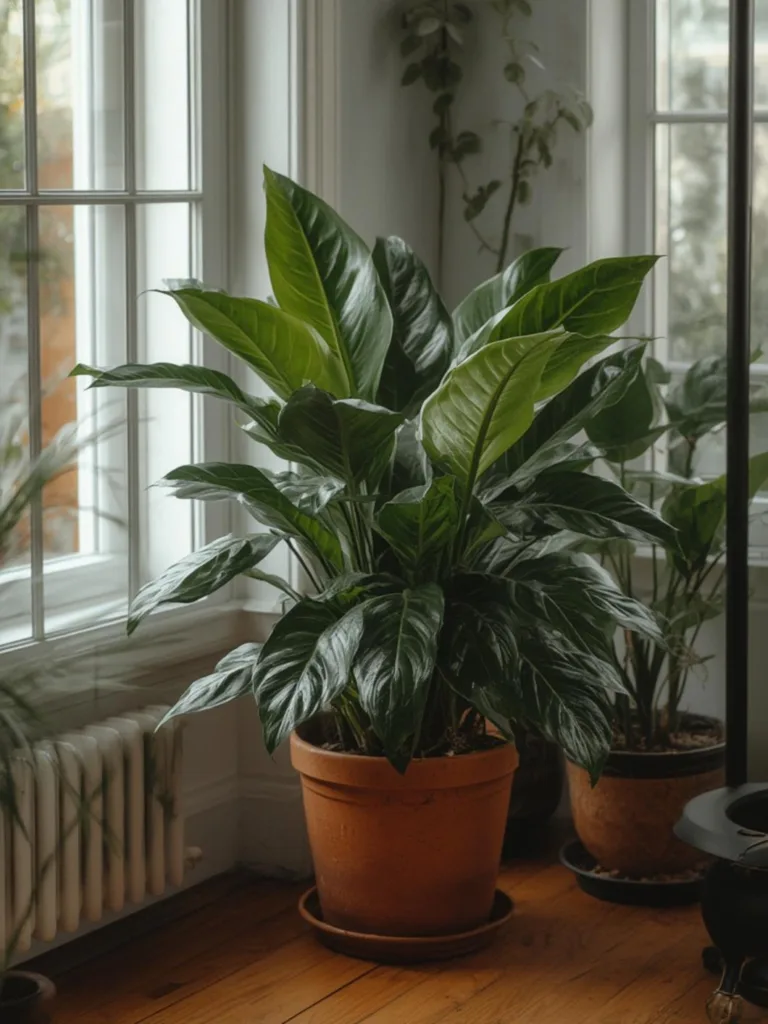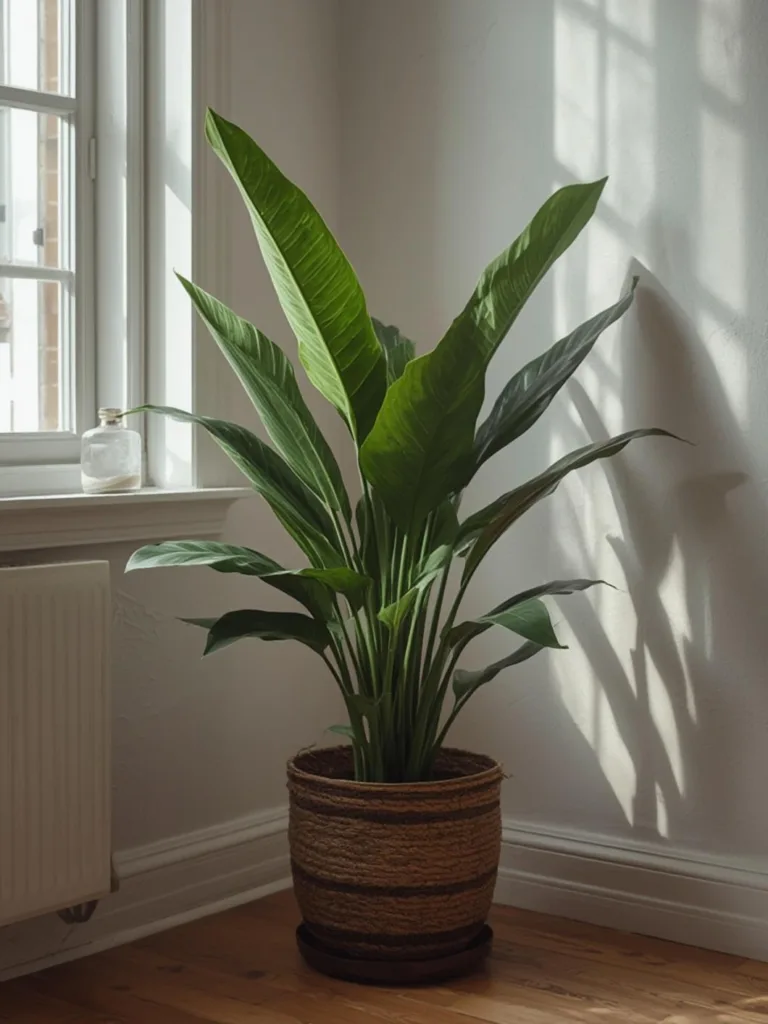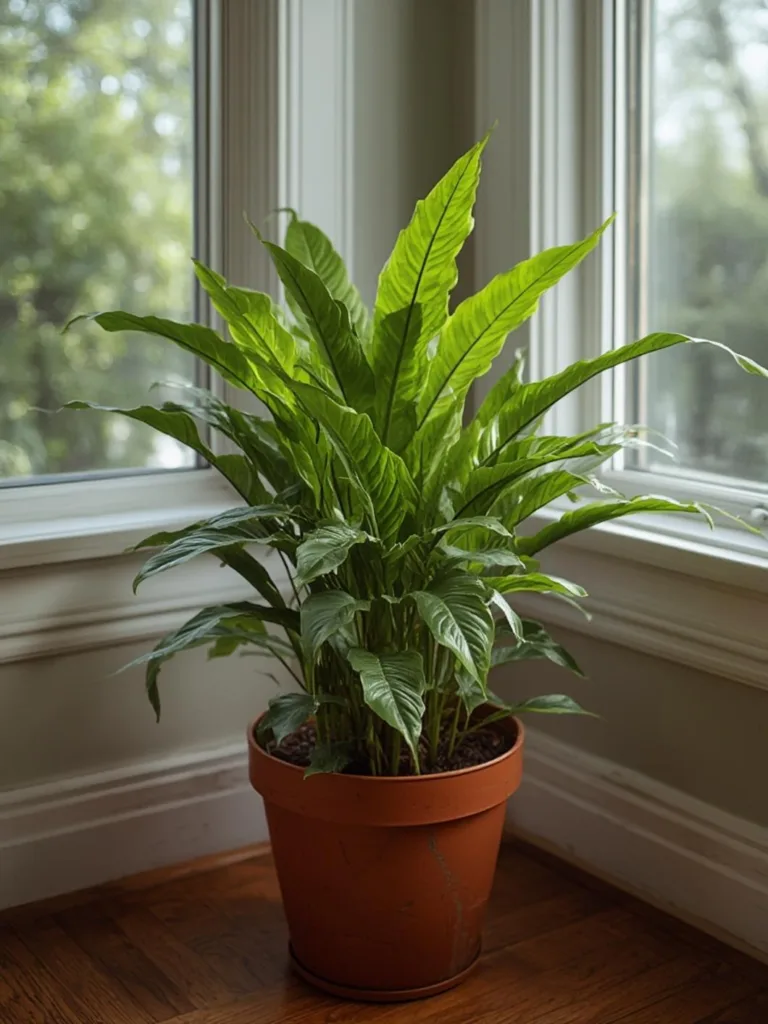
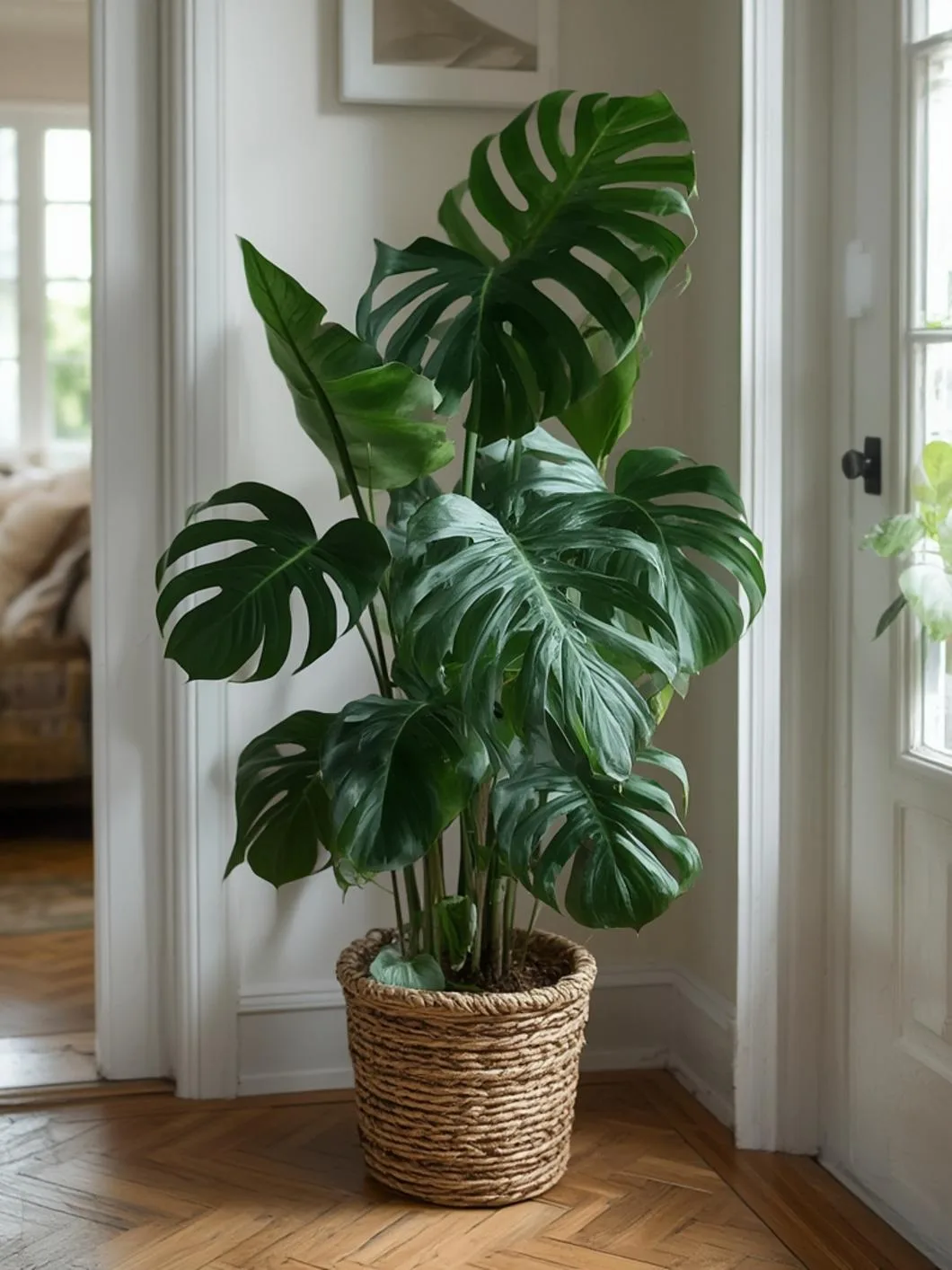
Quick way to grow 7 Monstera plants
Have you ever admired those stunning tropical plants with unique fenestrated leaves that seem to dominate Instagram plant feeds? Growing a Monstera plant (also known as a Swiss Cheese Plant) at home might seem intimidating, but it’s actually one of the most rewarding houseplants to cultivate. These tropical beauties not only add an instant jungle vibe to your space but also purify your indoor air. With their distinctive split and holed leaves, Monstera deliciosa plants have become the poster child of the indoor plant revolution, offering both aesthetic appeal and relatively straightforward care requirements.
Table of Contents
Materials & Supplies
To successfully grow your Monstera at home, you’ll need these essential items:
1. Monstera Plant or Cutting: Start with a healthy young plant from a nursery or a cutting from an established plant.
2. Well-draining Potting Mix: A mixture of peat moss, perlite, and orchid bark works well. Alternatively, use a quality tropical plant potting mix.
3. Container: Choose a pot 2-4 inches larger than the root ball with drainage holes. Terracotta pots work well as they allow excess moisture to evaporate.
4. Moss Pole or Trellis: As your Monstera grows, it will need support to climb.
5. Watering Can: Preferably with a narrow spout for controlled watering.
6. Pruning Shears: Clean, sharp scissors or pruning shears for maintenance.
7. Liquid Fertilizer: A balanced houseplant fertilizer (NPK 10-10-10) or one formulated for foliage plants.
8. Neem Oil or Insecticidal Soap: For pest prevention and treatment.
9. Humidity Tray or Humidifier (optional): Helpful in dry climates or during winter.
10. Plant Mister (optional): For boosting humidity around the plant.
Timing / Growing Schedule
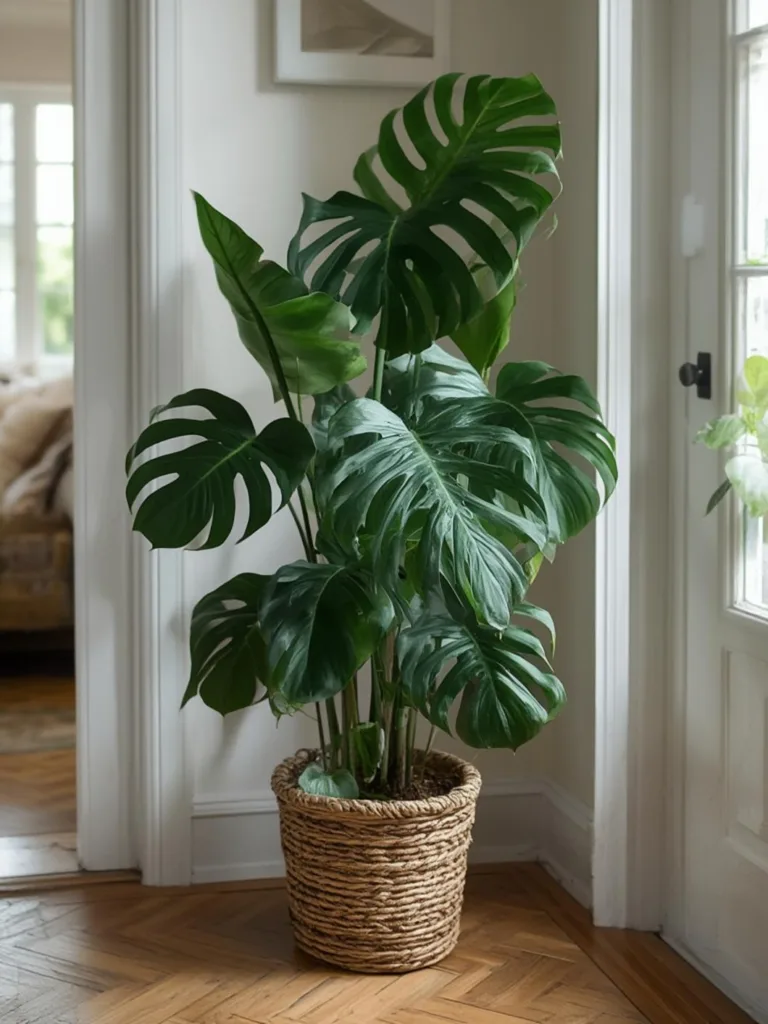
Monsteras are tropical perennials that grow year-round, but their growth pattern follows seasonal changes:
Spring and Summer (Growing Season):
– Most active growth period
– Expect 1-2 new leaves per month in optimal conditions
– Best time for repotting (early spring)
– Fertilize regularly (every 4-6 weeks)
Fall and Winter (Dormant Period):
– Growth slows significantly
– Reduce watering frequency
– Hold off on fertilizing
– Maintain consistent temperatures and humidity
Overall Timeline:
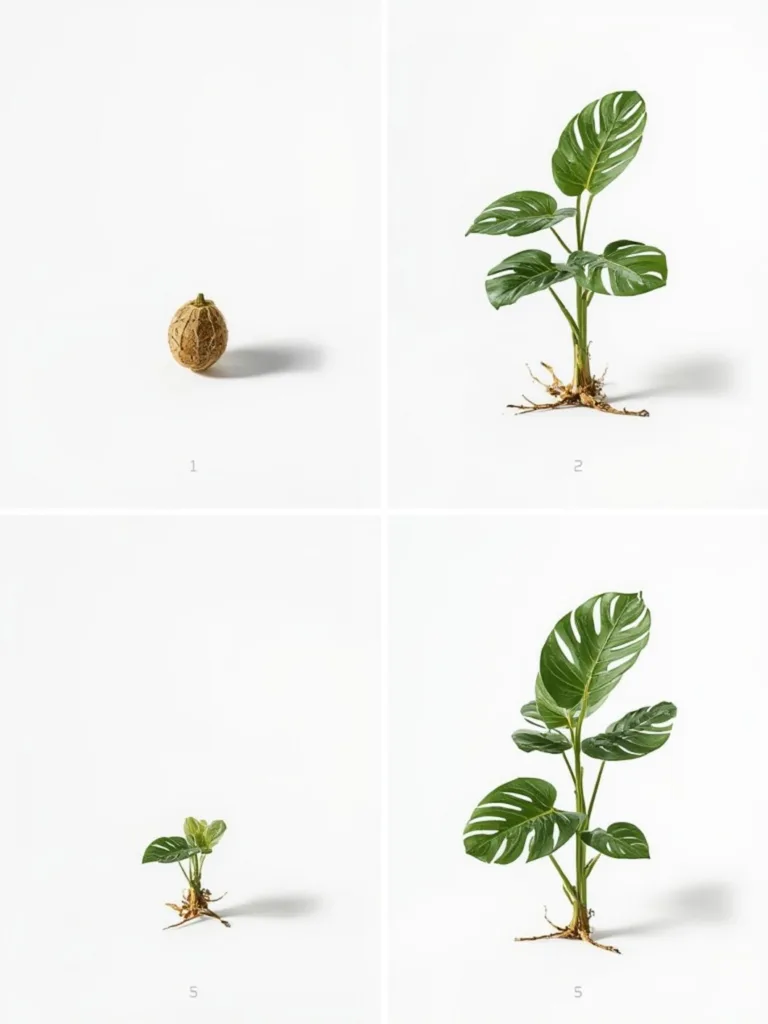
– From small plant to mature specimen: 2-3 years
– Time between new leaves: 4-6 weeks during growing season
– Time to develop fenestrations (holes): Usually after 2-3 years of growth
– Repotting frequency: Every 2-3 years or when roots outgrow the container
Compared to other houseplants, Monsteras grow at a moderate pace, faster than succulents but slower than pothos or spider plants.
Step-by-Step Instructions
1. Select the Perfect Spot
Find a location that receives bright, indirect light. A north or east-facing window is ideal. Avoid direct sunlight, which can scorch the leaves. Your Monstera plant will thrive when it receives plenty of ambient light without harsh direct sun rays, while the Swiss Cheese Plant leaves will develop their characteristic holes better in optimal lighting conditions.
Pro tip: Rotate your plant quarterly to encourage even growth on all sides.
2. Prepare the Potting Mix and Container
Mix your potting medium to ensure excellent drainage. Combine:
– 2 parts quality potting soil
– 1 part perlite or pumice
– 1 part orchid bark or coconut coir
Fill your container about one-third full with the mix. Insert a moss pole or trellis if using one.
Pro tip: Add a handful of activated charcoal to prevent soil odors and fungal growth.
3. Plant Your Monstera
Gently remove the plant from its nursery pot, loosening the roots if they’re circling. Place it in the center of the new pot, ensuring the top of the root ball sits about 1 inch below the pot rim. Fill around with potting mix and firmly but gently press down.
Pro tip: Keep the stems upright and position aerial roots toward the moss pole to encourage climbing.
4. Watering Routine
Water thoroughly until it drains from the bottom holes, then allow the top 2-3 inches of soil to dry out before watering again. This typically means watering once a week in summer and every 10-14 days in winter.
Pro tip: Use room temperature water to avoid shocking the roots, and water in the morning to allow excess moisture to evaporate during the day.
5. Provide Optimal Humidity
Monsteras prefer humidity levels of 60-80%. In dry environments, place a humidity tray underneath (never let the pot sit in water), group with other plants, or use a humidifier.
Pro tip: Mist the leaves occasionally but ensure good air circulation to prevent fungal issues.
6. Support Growth with Fertilizer
Feed your Monstera with a balanced liquid fertilizer diluted to half strength every 4-6 weeks during growing season (spring through early fall).
Pro tip: Flush the soil thoroughly every few months to prevent fertilizer salt buildup.
7. Training and Pruning
Guide aerial roots toward the moss pole using plant ties or twine. Prune yellowing leaves at the base of the stem. For size control, trim stems just before a node.
Pro tip: Save healthy cuttings with nodes to propagate new plants.
Nutritional Benefits / Advantages
While Monstera plants aren’t edible (in fact, they contain calcium oxalate crystals that are toxic if ingested), they offer numerous other benefits:
Air Purification: Monstera plants help improve indoor air quality by filtering toxins like formaldehyde and benzene.
Mental Health Benefits: Studies have shown that indoor plants like Monstera can reduce stress levels, improve mood, and enhance productivity.
Humidity Regulation: These large-leaved plants release moisture through transpiration, naturally humidifying dry indoor air.
Biodiversity Contribution: By growing endangered tropical species at home, you’re helping preserve plant genetic diversity.
Aesthetic Value: The distinctive leaf patterns and architectural form add visual interest and a biophilic connection to natural elements in your living space.
Educational Value: Caring for Monsteras teaches patience and observation skills while fostering a connection to tropical ecosystems.
Tips, Alternative Methods, or Gardening Advice
For Small Spaces: Try the compact Monstera adansonii or Monstera minima, which take up less room while offering similar aesthetic appeal.
In Low Light Conditions: Place your Monstera in the brightest spot available and rotate regularly. Consider supplementing with grow lights during darker months.
Propagation Methods:
– Water propagation: Place a stem cutting with a node in water until roots develop
– Soil propagation: Plant a cutting directly in moist potting mix
– Air layering: For larger plants, wrap a node with damp sphagnum moss until roots form
Climate Adaptations:
– Dry climates: Increase humidity with regular misting or a humidifier
– Cold regions: Keep away from drafty windows in winter; maintain temperatures above 65°F
– Hot areas: Increase watering frequency and provide shade during intense summer heat
Sustainable Growing:
– Reuse coffee grounds as a nutrient boost
– Collect rainwater for irrigation
– Use compostable materials for staking and support
Common Mistakes to Avoid
1. Overwatering
Problem: Soggy soil leads to root rot, yellowing leaves, and eventual plant death.
Solution: Wait until the top 2-3 inches of soil feel dry before watering. Use a moisture meter if you’re unsure. Ensure excellent drainage in both potting mix and container.
2. Improper Light Exposure
Problem: Too little light causes leggy growth and small leaves without fenestrations; too much direct sun scorches leaves.
Solution: Place in bright indirect light, ideally near an east or north-facing window with filtered light. Use sheer curtains to diffuse harsh southern or western exposures.
3. Ignoring Aerial Roots
Problem: Aerial roots left hanging become brittle or may be cut off, reducing the plant’s ability to stabilize and climb.
Solution: Guide aerial roots to the moss pole or trellis, or gently tuck them back into the soil where they can absorb additional nutrients.
4. Temperature Extremes
Problem: Exposure to cold drafts or temperatures below 55°F stunts growth and damages leaves.
Solution: Keep your Monstera away from air conditioning vents, cold windows, and doors. Maintain consistent temperatures between 65-85°F.
5. Neglecting Dust Accumulation
Problem: Dust-covered leaves can’t photosynthesize efficiently and are more prone to pests.
Solution: Wipe leaves monthly with a damp cloth or give your plant a gentle shower in the bathroom every few months.
Storage / Maintenance Tips
Regular Cleaning: Wipe leaves with a damp cloth monthly to remove dust and check for pests.
Seasonal Care Adjustments:
– Spring: Resume regular fertilization, increase watering as growth accelerates
– Summer: Monitor for increased water needs, provide adequate humidity
– Fall: Reduce fertilization, gradually decrease watering frequency
– Winter: Minimal watering, no fertilizer, maintain humidity, protect from drafts
Pruning Schedule: Trim yellowing or damaged leaves any time; major pruning for size control is best done in spring.
Repotting: Repot every 2-3 years or when roots circle the bottom of the pot or grow through drainage holes. Go up just 2-4 inches in pot diameter.
Pest Management: Inspect regularly for spider mites, scale, and mealybugs. Treat immediately with neem oil or insecticidal soap, focusing on leaf undersides.
Long-term Maintenance: As plants mature, they may need staking or tying to support heavier growth. Lower leaves naturally yellow and die as the plant grows taller this is normal.
Propagation for Rejuvenation: Every few years, take cuttings to start new plants, especially if the original becomes leggy or unmanageable.
Conclusion
Growing a Monstera plant at home is a rewarding journey that transforms your space with tropical vibrancy while developing your plant care skills. These adaptable plants forgive minor mistakes and quickly respond to improved care conditions, making them perfect for both beginners and experienced plant enthusiasts. The distinctive leaf patterns of the Swiss Cheese Plant create a stunning focal point in any room, while their relatively straightforward care requirements make them accessible for most home environments.
Remember that patience is key those iconic fenestrated leaves develop as the plant matures, so enjoy each stage of growth along the way. With the right light, consistent care, and occasional maintenance, your Monstera can thrive for decades, potentially becoming a statement piece that grows alongside your plant journey.
Why not start your Monstera adventure today? We’d love to hear about your experiences growing these magnificent tropical plants share your photos and stories in the comments below!
FAQs
How often should I water my Monstera plant?
Water your Monstera when the top 2-3 inches of soil feels dry to the touch, typically every 7-10 days in summer and every 10-14 days in winter. Always check the soil rather than following a rigid schedule, as environmental factors like humidity, temperature, and light affect water needs.
Why aren’t my Monstera leaves developing holes?
Leaf fenestrations (holes) develop as the plant matures, typically after it’s at least 2-3 years old. Ensure your plant receives bright indirect light, as insufficient light can delay or prevent proper fenestration development. Be patient younger leaves start solid, while mature growth will gradually develop the characteristic splits and holes.
Can I grow Monstera from a single leaf cutting?
No, a single leaf without a node cannot develop into a new plant. For successful propagation, your cutting must include at least one node (the bumpy joint on the stem where leaves emerge), as this is where new roots will develop. Ideally, include a segment of stem with one leaf and 1-2 nodes for best results.
How do I know when to repot my Monstera?
It’s time to repot when you notice roots growing through drainage holes, the plant becoming top-heavy and unstable, growth slowing despite appropriate care, or water running straight through without being absorbed. Most Monsteras need repotting every 2-3 years, preferably in spring as new growth begins. Increase pot size by only 2-4 inches in diameter to prevent overwatering issues.
Is my Monstera toxic to pets?
Yes, all parts of Monstera plants contain calcium oxalate crystals that are toxic to cats, dogs, and other pets if ingested. Symptoms of ingestion include oral irritation, excessive drooling, vomiting, difficulty swallowing, and intense burning sensation of the mouth and throat. Keep your plant out of reach of curious pets, or consider pet-safe alternatives like calathea, spider plants, or Boston ferns.