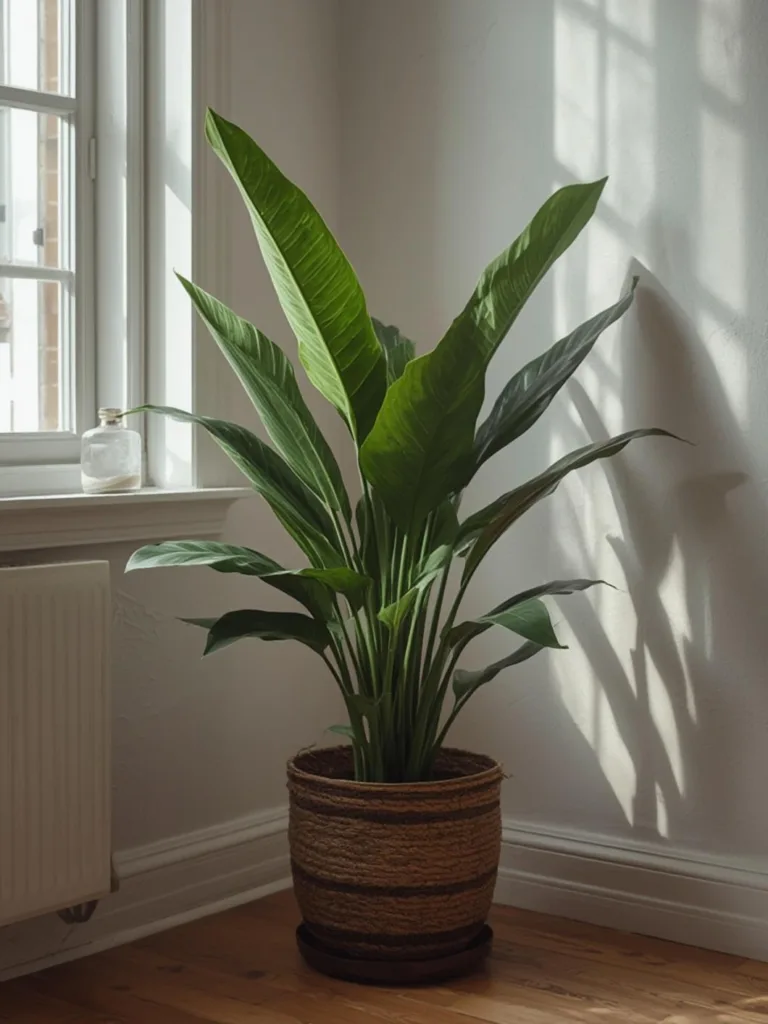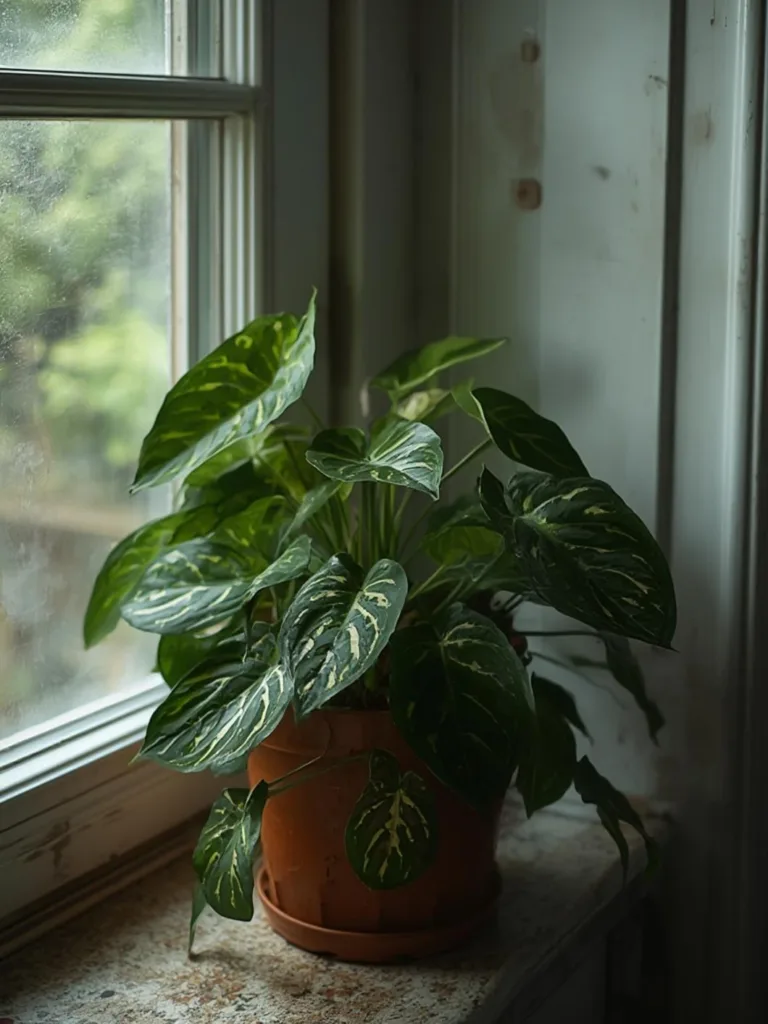

Proven way to grow ZZ plant in 5 steps
Have you ever wondered why the ZZ plant has become such a popular houseplant in recent years? With its glossy, dark green leaves and nearly indestructible nature, it’s no surprise that the ZZ plant has earned its place as a favorite among both novice and experienced indoor gardeners. Growing this tropical plant at home adds a touch of elegance to any space while requiring minimal maintenance. Even if you’ve struggled with watering ZZ plant correctly in the past, this comprehensive guide will help you master the art of ZZ plant care and cultivation.
Table of Contents
Materials & Supplies
To successfully grow and care for a ZZ plant, you’ll need the following items:
- Plant pot with drainage holes – A container that’s 1-2 inches larger than the root ball with proper drainage to prevent root rot
- Well-draining potting mix – A mix designed for succulents or houseplants works best (or create your own with equal parts potting soil, perlite, and sand)
- Watering can – Preferably with a narrow spout for controlled watering
- Spray bottle – For misting or cleaning the leaves (optional)
- Pruning shears – Clean, sharp scissors for removing dead leaves or dividing the plant
- Slow-release fertilizer – A balanced houseplant fertilizer (N-P-K 10-10-10 or similar)
- Gloves – The plant contains calcium oxalate crystals which can irritate skin
- Decorative outer pot or saucer – Optional, for aesthetic purposes
Timing / Growing Schedule
ZZ plants are slow growers with a very flexible growing schedule, making them ideal for busy homeowners:
- Purchasing/Repotting: Best done in spring or early summer
- Growth rate: Extremely slow – expect only 1-2 new stems per year
- Repotting frequency: Every 2-3 years, or when roots start emerging from drainage holes
- Fertilizing schedule: Light feeding once every 3-4 months during spring and summer only
- Dormancy period: Winter months (October-February), when growth slows significantly
- Maturity timeline: A ZZ plant can take 5+ years to reach full maturity
- Propagation timing: Best done in spring or early summer when the plant is actively growing
Compared to other houseplants like pothos or spider plants, ZZ plants require significantly less attention to timing and seasonal care.
Step-by-Step Instructions
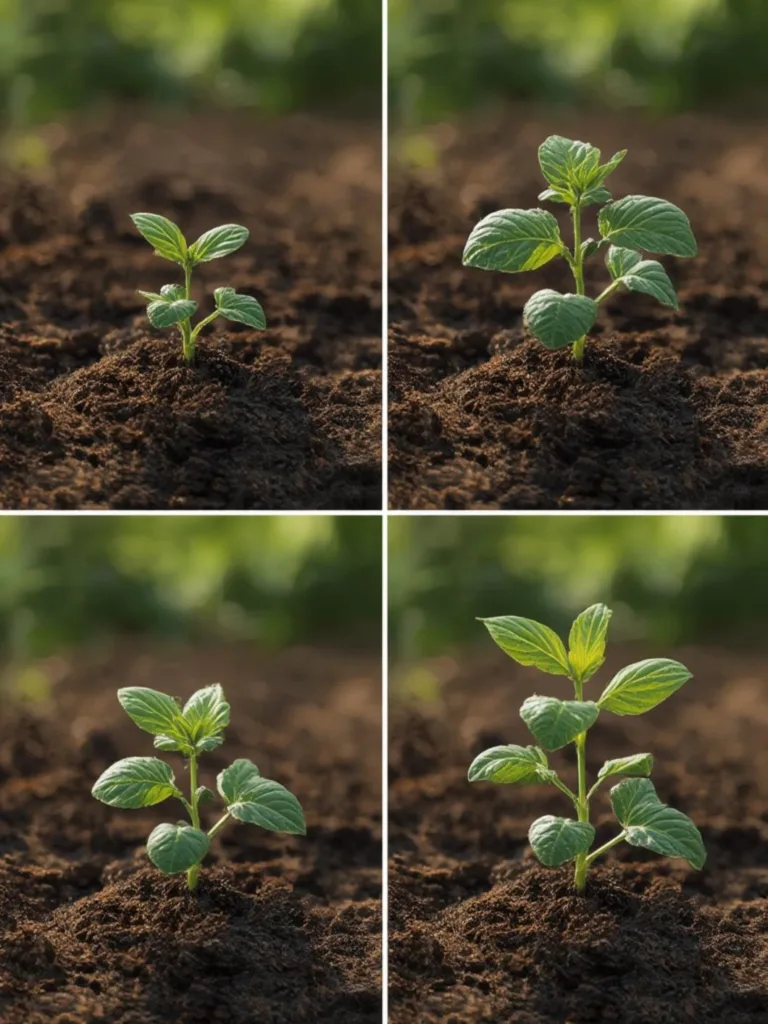
1. Selecting the Right Plant
When purchasing a ZZ plant, look for specimens with multiple stems, vibrant green foliage, and no yellow or brown leaves. Check for pests by examining the undersides of leaves and inspect the rhizomes (potato-like structures) if visible to ensure they’re firm.
2. Choosing the Ideal Location
Place your ZZ plant in bright, indirect light, although it will tolerate low light conditions. Avoid direct sunlight which can scorch the leaves. ZZ plants thrive in normal room temperatures between 65-75°F (18-24°C) and adapt well to average home humidity.
3. Proper Planting Technique
1. Select a pot 1-2 inches larger than the current one with drainage holes
2. Fill the bottom third with well-draining potting mix
3. Gently remove the plant from its nursery container
4. Place in the new pot and fill around the sides with soil
5. Tap the pot gently to settle the soil (don’t compact it)
6. Leave about half an inch of space between the soil and pot rim
7. Water lightly after planting
4. Establishing a Watering ZZ Plant Schedule
ZZ plants store water in their rhizomes and are drought-tolerant. Allow the soil to dry out completely between waterings:
- In spring/summer: Water every 2-3 weeks
- In fall/winter: Reduce to once every 4-6 weeks
- Always test soil moisture by inserting your finger 2 inches deep – only water when completely dry
- When watering, thoroughly soak until water drains from the bottom, then discard excess water
5. Fertilizing Appropriately
Apply a diluted balanced houseplant fertilizer (half the recommended strength) once every 3-4 months during spring and summer. Do not fertilize in fall or winter when the plant is dormant.
6. Pruning and Maintenance
Remove any yellow or brown leaves at their base using clean pruning shears. Wipe leaves occasionally with a damp cloth to remove dust and keep them glossy.
Nutritional Benefits / Advantages
While not an edible plant, the ZZ plant offers numerous benefits for your home environment:
- Air purification – Removes toxins like xylene, toluene, and benzene from indoor air
- Stress reduction – Studies show that indoor plants like ZZs can lower stress levels and improve mood
- Oxygen production – Converts carbon dioxide to oxygen, improving air quality
- Low maintenance benefits – Reduces the time and resources needed compared to fussier houseplants
- Durability – Can survive in conditions that would kill most other houseplants
- Aesthetic value – Provides a structured, architectural element to interior design
- Allergy-friendly – Doesn’t produce pollen or significant allergens
Tips, Alternative Methods, or Gardening Advice
For Small Spaces:
- Consider the dwarf variety ‘Zenzi’ which grows to only 1-2 feet
- Use as a tabletop plant or on floating shelves to save floor space
- Plant in narrow, tall pots to maximize vertical growth
For Different Light Conditions:
- North-facing windows: ZZs tolerate low light but growth will be slower
- East/west windows: Ideal for balanced growth
- South-facing windows: Place at least 3-4 feet from the window to avoid direct sun
For Propagation:
- Leaf cutting method: Cut a healthy leaf, let callus form, then plant in moist soil
- Division method: Separate rhizomes when repotting for multiple plants
- Water propagation: Place stem cuttings in water until roots develop (can take months)
Decorative Ideas:
- Pair with other low-light plants like snake plants for a striking display
- Use decorative rocks or moss as a top dressing to enhance appearance
- Group multiple ZZ plants of different sizes for a dramatic effect
Common Mistakes to Avoid

1. Overwatering
Problem: The most common killer of ZZ plants is excessive watering, causing root rot.
Solution: Always check that the soil is completely dry before watering. When in doubt, wait another week.
2. Using Pots Without Drainage
Problem: Standing water leads to root rot and plant death.
Solution: Always use pots with drainage holes, or drill holes in decorative containers. If using a cachepot, remove the inner pot when watering and allow excess water to drain completely.
3. Placing in Direct Sunlight
Problem: Scorched leaves with brown patches.
Solution: Keep your ZZ plant in bright, indirect light. If placed near a window with direct sun, use a sheer curtain as a buffer.
4. Over-fertilizing
Problem: Fertilizer burn causing brown leaf tips and edges.
Solution: Fertilize sparingly (every 3-4 months) with diluted fertilizer during growing season only.
5. Repotting Too Frequently
Problem: Disrupting the root system unnecessarily stresses the plant.
Solution: ZZ plants prefer to be somewhat root-bound. Only repot every 2-3 years or when roots are visibly outgrowing the pot.
Storage / Maintenance Tips
Seasonal Care
- Spring/Summer: Increase watering slightly as growth accelerates
- Fall/Winter: Reduce watering as the plant enters dormancy
- Year-round: Maintain consistent temperatures between 65-75°F (18-24°C)
Leaf Maintenance
- Dust leaves monthly with a soft, damp cloth to keep them glossy and photosynthesizing efficiently
- Never use leaf shine products as they can clog the pores of the leaves
Pest Management
- Check occasionally for scale insects, mealybugs, or spider mites
- If detected, isolate the plant and treat with insecticidal soap or neem oil
- Preventative measures include good air circulation and proper spacing between plants
Long-term Care
- Rotate the plant quarterly to ensure even growth
- Check rhizomes annually for firmness – soft rhizomes indicate overwatering
- Divide overgrown plants when repotting to rejuvenate and create new plants
Conclusion
Growing a ZZ plant at home offers the perfect balance of beauty and ease, making it an ideal choice for both beginners and experienced plant parents. With minimal attention to watering ZZ plant properly and following the care guidelines outlined in this article, you can enjoy this striking houseplant for many years to come. Remember that patience is key while these plants grow slowly, their longevity and resilience make them worthwhile additions to any indoor garden. Why not start your ZZ plant journey today? Share your experiences in the comments below, or check out our other houseplant guides to expand your indoor garden.
FAQs
Is the ZZ plant toxic to pets and children?
Yes, ZZ plants contain calcium oxalate crystals which are toxic if ingested. Keep the plant away from curious pets and children, and wear gloves when handling to avoid potential skin irritation.
Why are my ZZ plant’s leaves turning yellow?
Yellow leaves most commonly indicate overwatering. Allow the soil to dry completely between waterings and ensure your pot has good drainage. Occasionally, very old leaves may naturally yellow and drop off.
How long can a ZZ plant go without water?
ZZ plants can survive without water for 3-4 months in moderate conditions due to their water-storing rhizomes. However, for optimal health, water when the soil is completely dry, typically every 2-3 weeks in summer and 4-6 weeks in winter.
Can ZZ plants flower indoors?
Yes, though it’s rare. Under ideal conditions and with mature plants, small, inconspicuous aroid-type flowers might appear near the base of the stems. These flowers resemble small corn cobs and aren’t particularly ornamental.
Why is my ZZ plant not growing?
ZZ plants are naturally slow-growing, producing only 1-2 new stems per year. If you’re seeing no growth at all, check light conditions (too little light slows growth), ensure you’re not overwatering, and consider applying a light fertilizer during the growing season.