5 Rustic Log Cabin Living Room Furniture Must-Haves
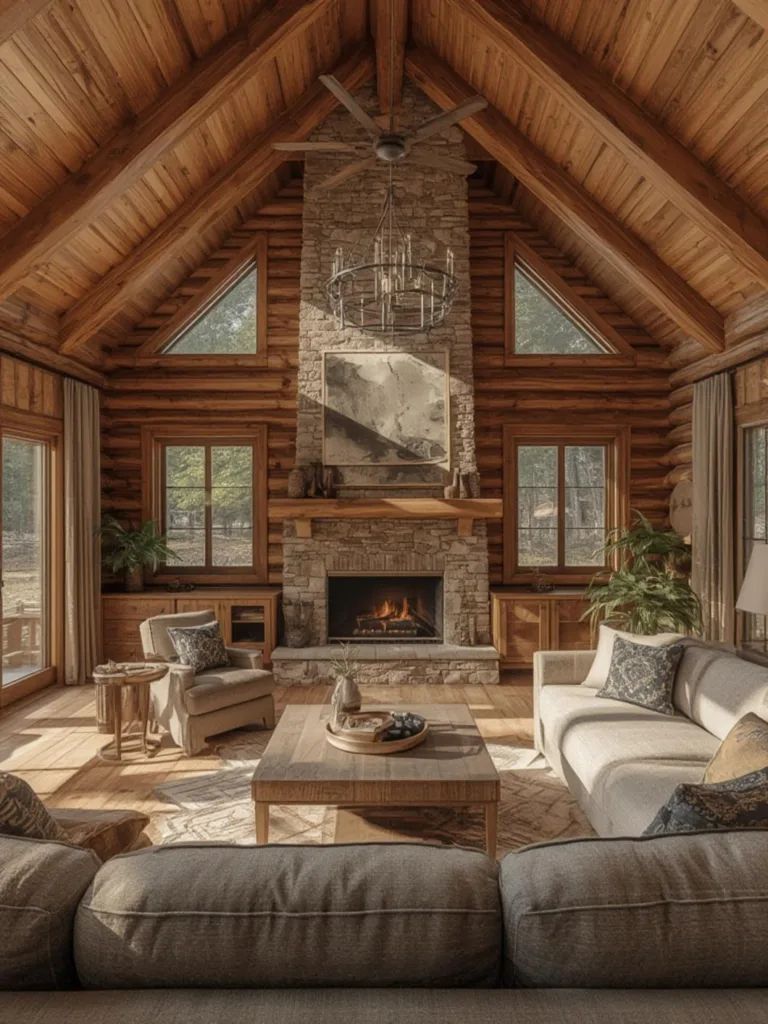
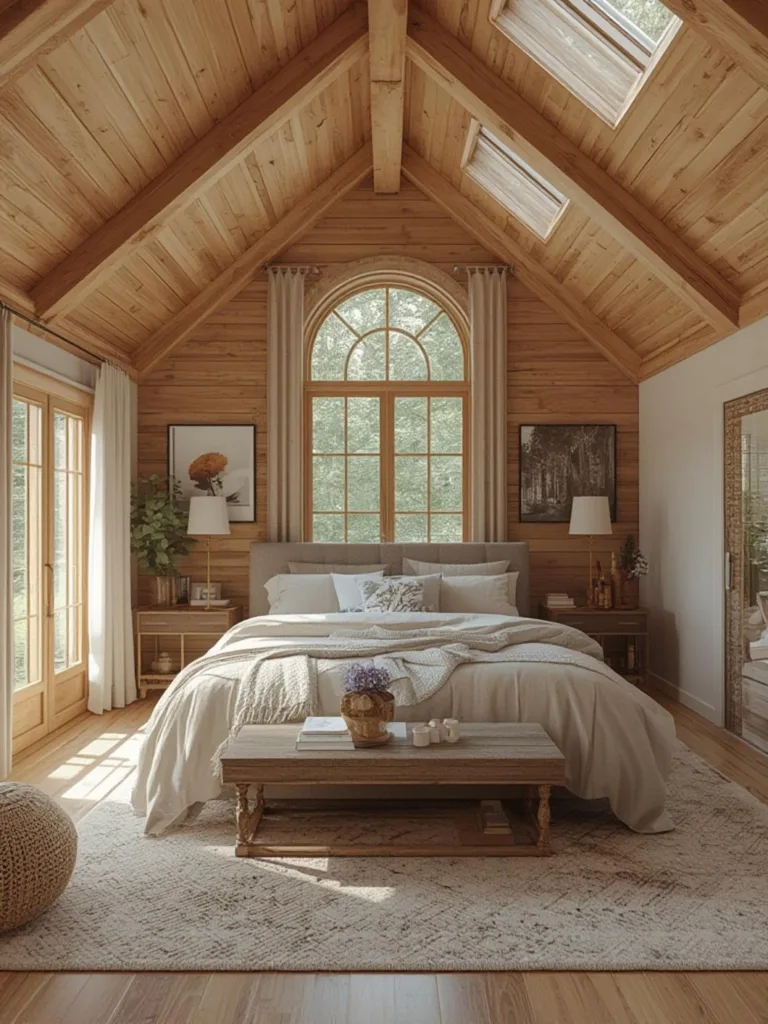
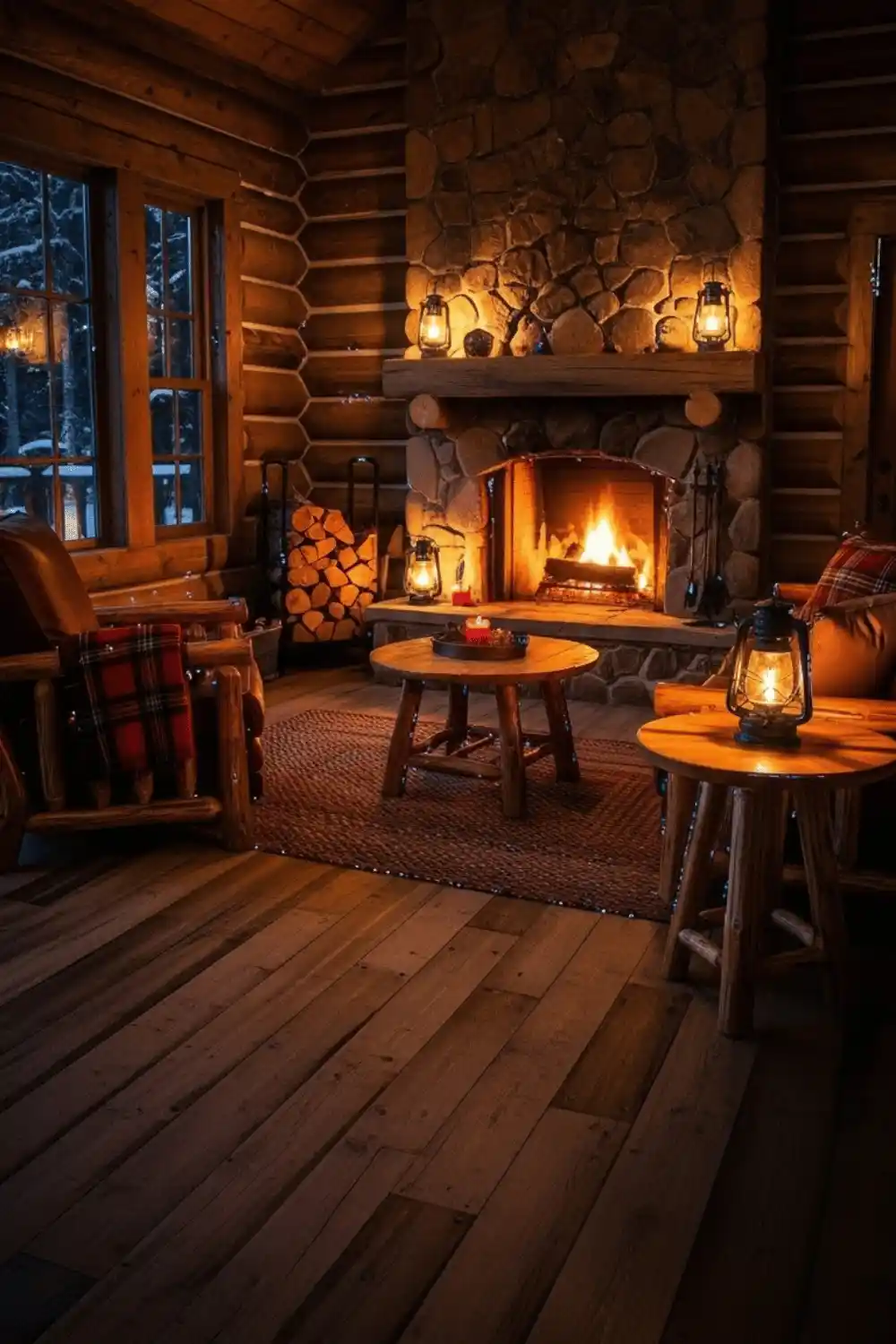
Imagine stepping into a living space where warmth embraces you like a familiar hug, where the rustic charm of natural wood surrounds you, and where every piece of furniture tells a story of craftsmanship and heritage. Creating that quintessential mountain retreat feeling starts with selecting the right log cabin living room furniture pieces that balance authenticity with comfort.
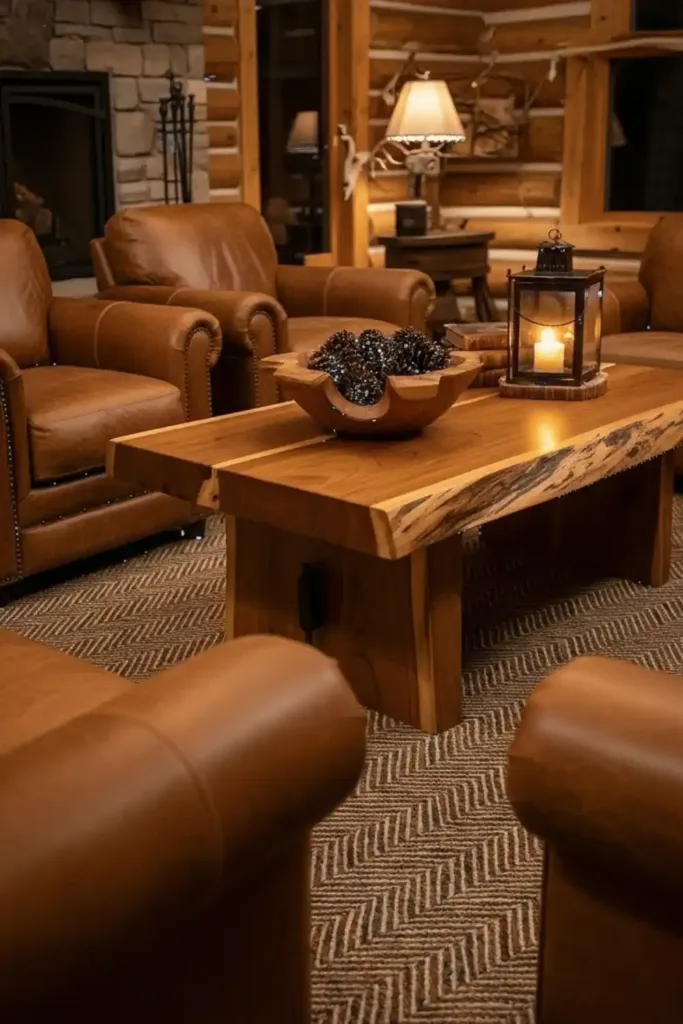
This timeless design approach continues to surge in popularity, not just in actual cabins but in suburban homes seeking that connection to nature. The centerpiece of many such spaces often includes a rustic coffee table that anchors the room and serves as both a functional surface and a statement piece that captures the essence of cabin living.
Table of Contents
Design Concept Overview
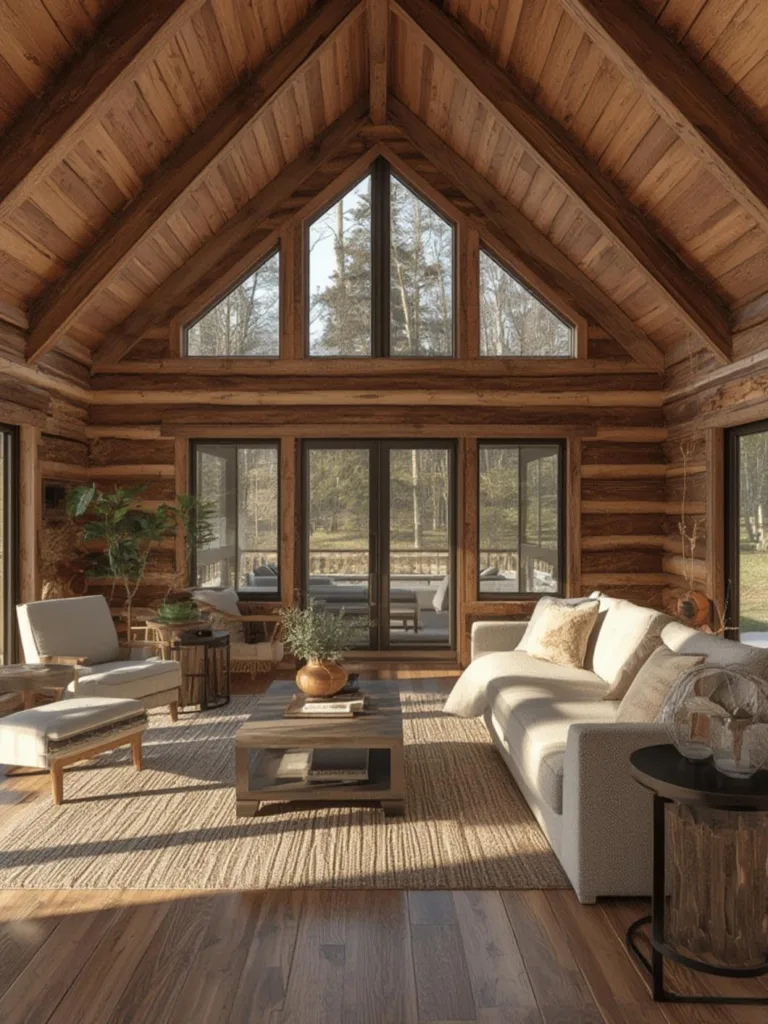
The log cabin aesthetic draws inspiration from traditional mountain homes, emphasizing natural materials, earthy color palettes, and a sense of sturdy craftsmanship. This design philosophy creates spaces that feel simultaneously grand and intimate, with an inherent connection to the outdoors.
The core aesthetic revolves around exposed wood elements, from wall treatments to ceiling beams, complemented by stone features like fireplaces or accent walls. The mood evokes warmth and security a shelter from both literal and figurative storms. While most commonly found in actual cabins, mountain homes, and rural retreats, this style has successfully migrated to suburban and even urban environments where homeowners seek a connection to nature and simpler times.
The design works particularly well in open-concept living areas with high ceilings, where the substantial furniture pieces have room to breathe while still creating intimate conversation areas.
Materials, Colors & Key Elements
Essential Materials:
– Solid wood furniture (pine, oak, cedar, hickory)
– Natural stone elements
– Leather upholstery
– Iron or bronze hardware and accessories
– Wool, cotton, and fur textiles
Color Palette:
– Deep earthy browns
– Forest and sage greens
– Burgundy and rust accents
– Cream and beige neutrals
– Charcoal and black contrasts
Key Furniture Elements:
1. Oversized leather or fabric sofa with wooden frame details
2. Heavy wood armchairs with plush cushions
3. Statement coffee table with tree stump base or thick plank top
4. Solid wood side tables, often with live edges
5. Storage pieces like blanket chests or trunk-style tables
6. Rocking chairs or gliders for additional seating
7. Entertainment centers or bookshelves made from matching wood
Budget-Friendly Alternatives:
– Wood-look furniture with partial solid wood construction
– Faux leather upholstery options
– Iron-look hardware made from lightweight metals
– Synthetic fur throws and pillows
– DIY projects using reclaimed wood or log slices
Timing, Budget & Planning
Budget Considerations:
– Entry-level log cabin look: $3,000-$5,000 (focusing on key pieces and accessories)
– Mid-range transformation: $7,000-$12,000 (quality solid furniture, some architectural elements)
– High-end cabin interior: $15,000-$30,000+ (premium materials, custom pieces, structural elements)
Timeline Expectations:
– Planning phase: 1-2 months (researching, sourcing, creating mood boards)
– Basic implementation: 1-2 weeks (furniture delivery and arrangement)
– Complete transformation: 1-3 months (including any architectural changes)
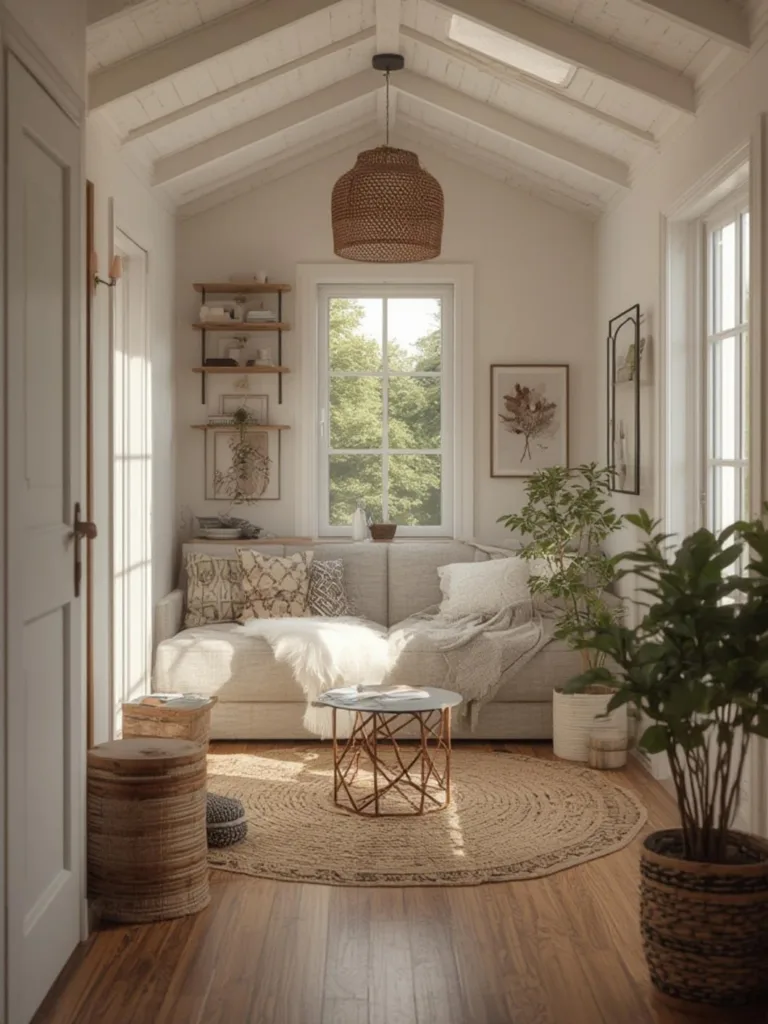
Small Space Adaptations:
For apartments or smaller homes, scale down with:
– 2-seater sofa instead of oversized versions
– Single statement armchair rather than pairs
– Multifunctional furniture like storage ottomans
– Wall-mounted lighting to save floor space
– Careful selection of fewer but impactful pieces
Planning Tips:
1. Start with the largest piece (typically the sofa) and build around it
2. Focus on quality for key pieces you’ll use daily
3. Consider traffic flow in smaller spaces
4. Create zones for conversation, entertainment, and relaxation
Step-by-Step Guide
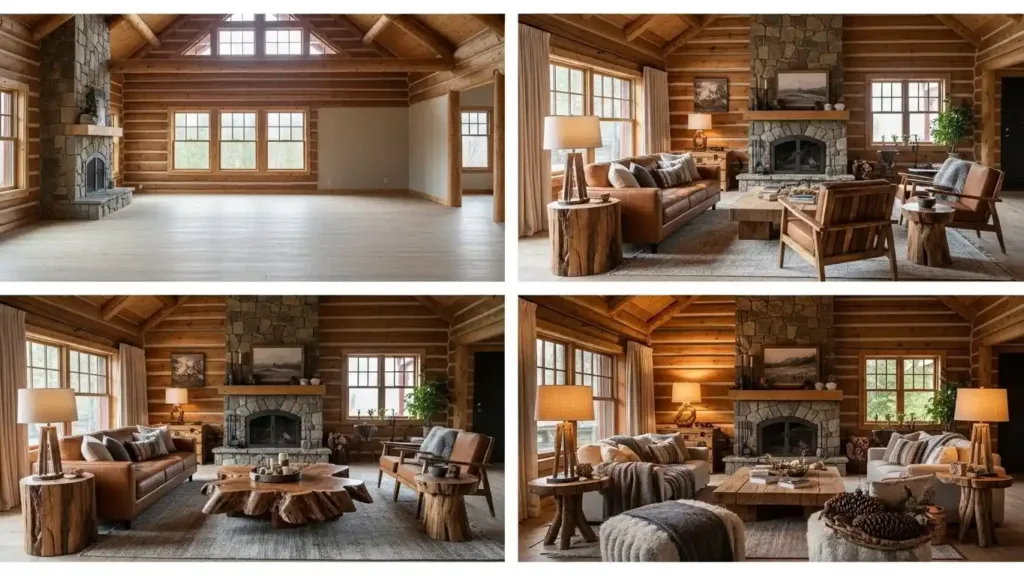
1. Assess Your Space
Start by measuring your room and noting architectural features like fireplaces, windows, and doorways. Create a rough floor plan to understand what size log cabin living room furniture will fit comfortably while allowing for proper traffic flow.
2. Establish Your Focal Point
In cabin-style rooms, this is often a stone fireplace, a view window, or an impressive wood feature wall. Arrange furniture to highlight this focal point.
3. Select Your Anchor Pieces
Choose a substantial sofa in leather or a durable fabric like wool or canvas in earth tones. Pair with 1-2 armchairs in complementary materials.
4. Add a Statement rustic coffee table
Look for thick-cut wood slabs, trunk styles, or pieces incorporating logs or branches. This centerpiece should be both functional and visually interesting.
5. Layer in Lighting
Combine floor lamps with metal or wooden bases, table lamps with natural materials like stone or wood, and overhead lighting with wrought iron or antler-inspired fixtures.
6. Incorporate Textile Elements
Add wool area rugs, plaid or striped patterns, and plush throw pillows in complementary earth tones. Include several throw blankets in varied textures.
7. Select Nature-Inspired Accessories
Decorate with items like pinecones, antlers (real or replica), carved wooden animals, vintage outdoor gear, and botanical prints or landscape photography.
8. Add Warmth with Window Treatments
Choose natural materials like wooden blinds, burlap or canvas curtains, or plaid draperies that enhance the cabin aesthetic.
Benefits & Functional Advantages
Aesthetic Benefits:
– Creates an instant sense of warmth and welcome
– Establishes a strong design identity with timeless appeal
– Connects interior spaces with natural surroundings
– Offers excellent backdrop for seasonal decorating
Functional Advantages:
– Solid wood furniture provides exceptional durability
– Heavy pieces remain stable and secure in active households
– Natural materials age beautifully, developing character over time
– Leather and wool upholstery options offer excellent wear resistance
– The style accommodates family-friendly features and comfort-focused design
Lifestyle Improvements:
– Encourages unplugging and connection with a less technology-focused aesthetic
– Creates spaces ideal for gathering and conversation
– Supports visual and tactile comfort through natural materials
– Offers excellent sound absorption through substantial furniture and textiles
Alternative Styles & Customization Ideas
- Modern Cabin Approach:
– Clean-lined furniture with less ornamentation
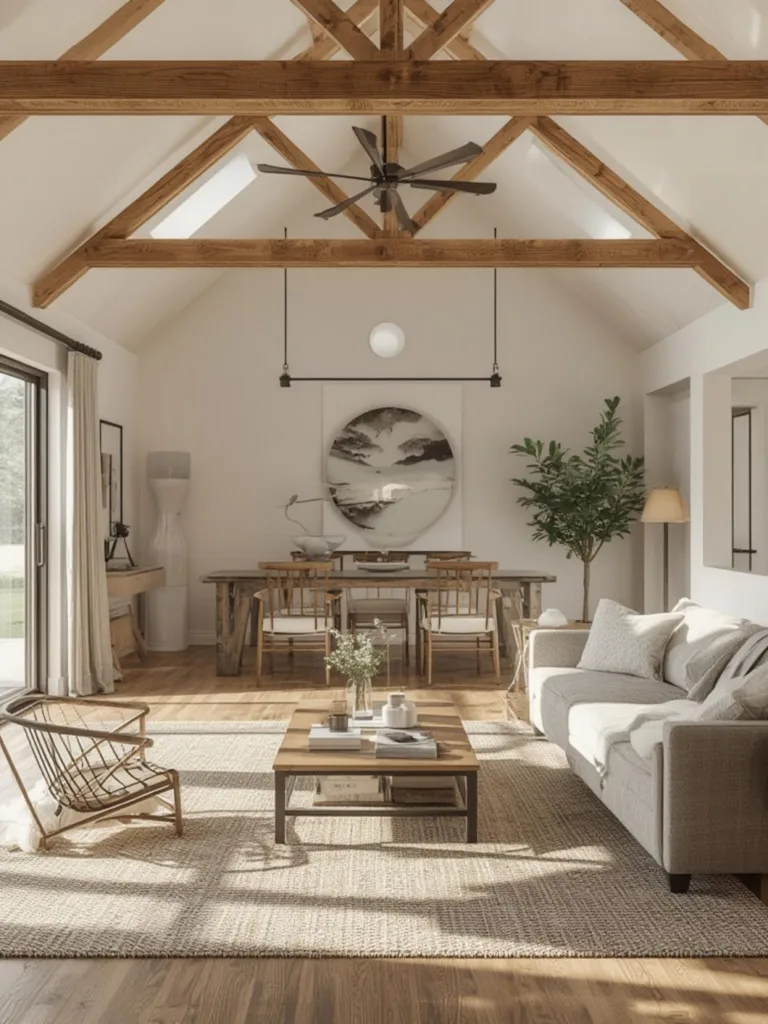
– Monochromatic color scheme with strategic wood elements
– Minimalist accessories focused on form and function
– Contemporary lighting paired with traditional materials - Scandinavian-Inspired Cabin:
– Lighter wood tones like birch and pine
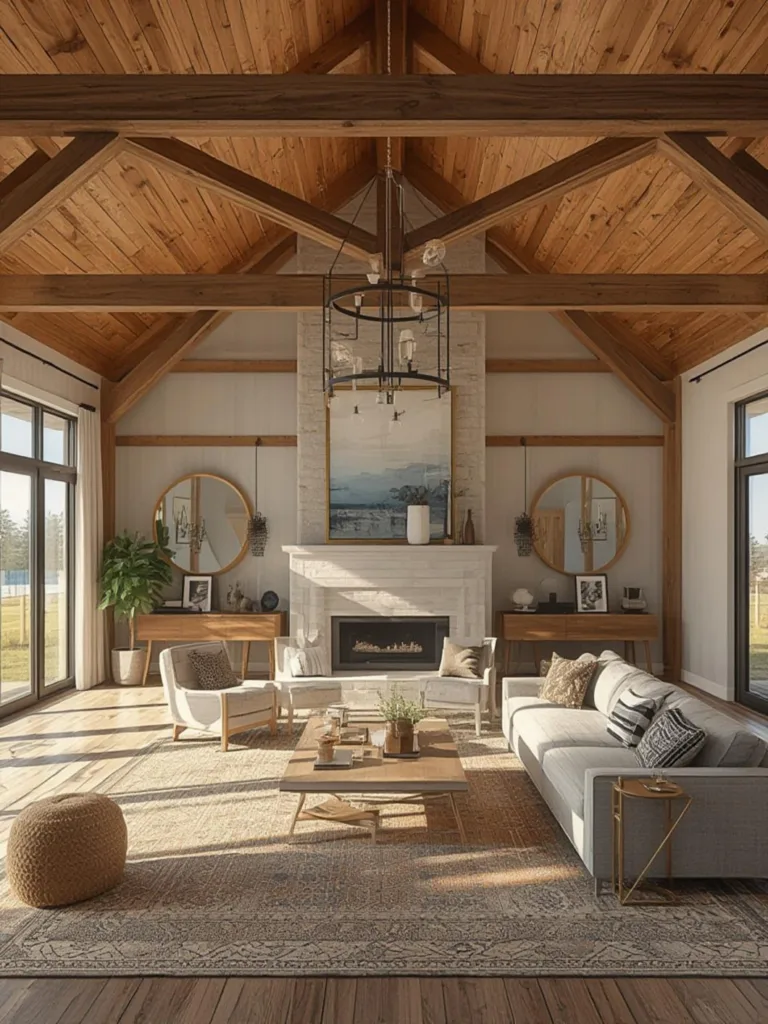
– White walls contrasting with wood elements
– Geometric patterns instead of traditional plaids
– Sleeker furniture profiles with similar materials - Southwestern Cabin Fusion:
– Incorporate Native American patterns and textiles
– Add turquoise and terra cotta accents
– Include leather with decorative tooling
– Feature desert-inspired artwork and accessories - DIY Opportunities:
– Create side tables from salvaged logs
– Repurpose wooden crates for storage and display
– Make custom cushion covers from wool blankets or flannel shirts
– Design wall art using branches, twigs, or bark
Common Mistakes to Avoid
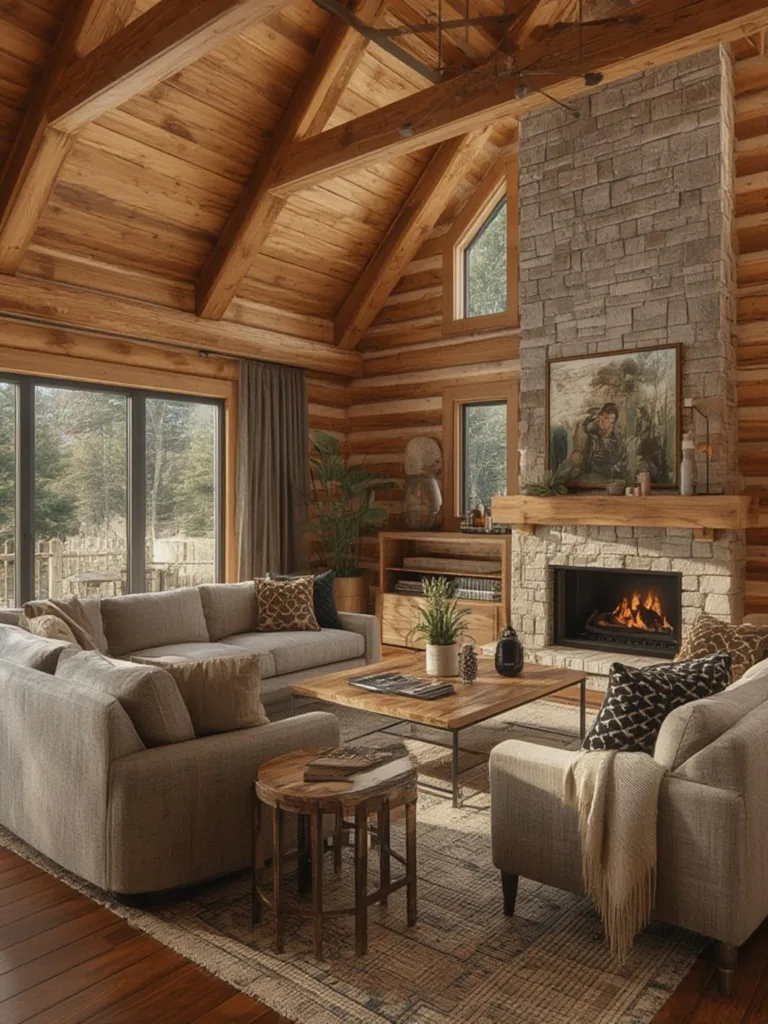
Mistake 1: Overcrowding with Too Many Wood Pieces
Solution: Balance wood elements with upholstered pieces, metal accents, and stone features. Allow some breathing room between large wooden furniture items.
Mistake 2: Creating a Theme Park Rather Than a Home
Solution: Avoid going overboard with themed accessories like excessive animal figurines, signage, or rustic tools. Choose a few quality statement pieces instead.
Mistake 3: Ignoring Scale in Relation to Room Size
Solution: Select furniture proportionate to your space. Even small rooms can embrace cabin style with appropriately sized pieces that maintain the aesthetic without overwhelming.
Mistake 4: Using Low-Quality Imitation Materials
Solution: Invest in at least a few genuine pieces made from real wood, leather, or stone. Mix with budget-friendly options that still maintain visual integrity.
Mistake 5: Creating a Dark, Cave-Like Environment
Solution: Balance dark wood with lighter textiles, strategic lighting, and occasional bright accents to prevent the space from feeling gloomy.
Maintenance & Longevity Tips
- Wood Furniture Care:
– Dust regularly with a soft, slightly damp cloth
– Apply quality furniture wax or oil 2-4 times yearly
– Keep out of direct sunlight to prevent fading
– Use coasters and placemats to prevent water rings
– Address scratches promptly with appropriate touch-up products - Leather Upholstery Maintenance:
– Vacuum crevices regularly with soft brush attachment
– Clean with approved leather products twice yearly
– Condition annually to prevent drying and cracking
– Address spills immediately with appropriate cleaners
– Rotate cushions quarterly for even wear - Textile Preservation:
– Wash removable covers according to manufacturer instructions
– Rotate throw pillows to distribute wear
– Vacuum upholstery weekly to remove dust and debris
– Treat stains promptly with appropriate cleaners
– Consider professional cleaning annually for heavily used items - Seasonal Refreshes:
– Summer: Swap heavy throws for lighter cotton blankets
– Fall: Add warmer textiles and deeper color accents
– Winter: Increase layered textiles and ambient lighting
– Spring: Incorporate botanical elements and lighter accent colors
Conclusion
Creating a welcoming mountain retreat atmosphere begins and ends with thoughtful selection of log cabin living room furniture that balances authenticity, comfort, and personal style. Whether you’ve embraced this aesthetic fully in a genuine cabin setting or incorporated key elements into a more contemporary space, the timeless appeal of natural materials and craftsmanship will continue to create spaces that feel both grounding and inviting.
Remember that the heart of this design philosophy isn’t just about appearances it’s about creating rooms that encourage gathering, conversation, and connection.Start with a quality rustic coffee table as your centerpiece, layer in comfortable seating and meaningful accessories, and you’ll have a space that not only looks authentic but feels like the perfect retreat from the modern world.
FAQs
What’s the ideal arrangement for log cabin living room furniture in a small space?
Focus on fewer, high-quality pieces rather than numerous smaller items. A loveseat instead of a full sofa, one statement chair, and a properly scaled coffee table will create the cabin feel without overwhelming the room. Use vertical space with wall-mounted shelving and lighting to maintain floor space.
How can I incorporate cabin style without my space looking dated?
Balance traditional cabin elements with contemporary touches like modern art, cleaner-lined furniture, and updated lighting fixtures. Choose a more restrained color palette focusing on neutrals with selective use of traditional cabin patterns and textures.
What are the best upholstery fabrics for cabin-style furniture that will stand up to family use?
Top choices include leather (which develops character with age), wool blends, canvas, denim, and performance fabrics with stain resistance. Look for materials with a minimum of 15,000+ rubs in durability testing for high-use furniture.
Can log cabin style work in urban apartments or contemporary homes?
Absolutely. The key is selective adaptation rather than wholesale replication. Choose 2-3 statement pieces with authentic cabin character, keep walls lighter, incorporate modern lighting, and balance rustic elements with cleaner contemporary pieces for a fresh interpretation of cabin style.
What’s worth splurging on versus saving when creating a log cabin living room?
Invest in your primary seating (sofa and main armchair) and a quality wood coffee table, as these create the foundation of your space. Save on accessories, secondary tables, and lighting, where vintage, thrifted, or DIY options can actually add authentic character while being budget-friendly.