How to grow Philodendron with 5 easy tips
Have you ever walked into a room with lush, tropical plants and felt instantly transported to a peaceful jungle oasis? Growing the versatile Philodendron at home can create this exact feeling while purifying your air and adding a touch of natural elegance to any space. With over 450 species in this genus, these adaptable houseplants have become a favorite among both novice and experienced plant parents.
Their striking foliage and forgiving nature make them perfect for indoor cultivation, and proper Philodendron care is surprisingly straightforward. This comprehensive guide will walk you through everything you need to know to grow these beautiful tropical plants successfully in your home environment.
Table of Contents
Materials & Supplies
To get started with your philodendron journey, you’ll need to gather these essential supplies:
– Potting container: Choose a pot with drainage holes that’s 1-2 inches larger than the root ball. Plastic, ceramic, or terracotta all work well.
– Well-draining potting mix: A quality houseplant or aroid mix that contains peat moss, perlite, and pine bark for proper aeration.
– Watering can: A long-spout watering can helps deliver water directly to the soil without wetting the foliage.
– Pruning shears: Clean, sharp scissors or pruning tools for maintenance and propagation.
– Support structure: For climbing varieties, provide a moss pole, trellis, or stake.
– Liquid fertilizer: A balanced (20-20-20) houseplant fertilizer diluted to half-strength.
– Spray bottle: For misting and increasing humidity around your plant (optional).
– Neem oil: An organic option for pest prevention and treatment.
– Plant saucer: To catch excess water without damaging furniture.
– Humidifier: For maintaining optimal humidity levels, especially in dry climates (optional).
Timing / Growing Schedule
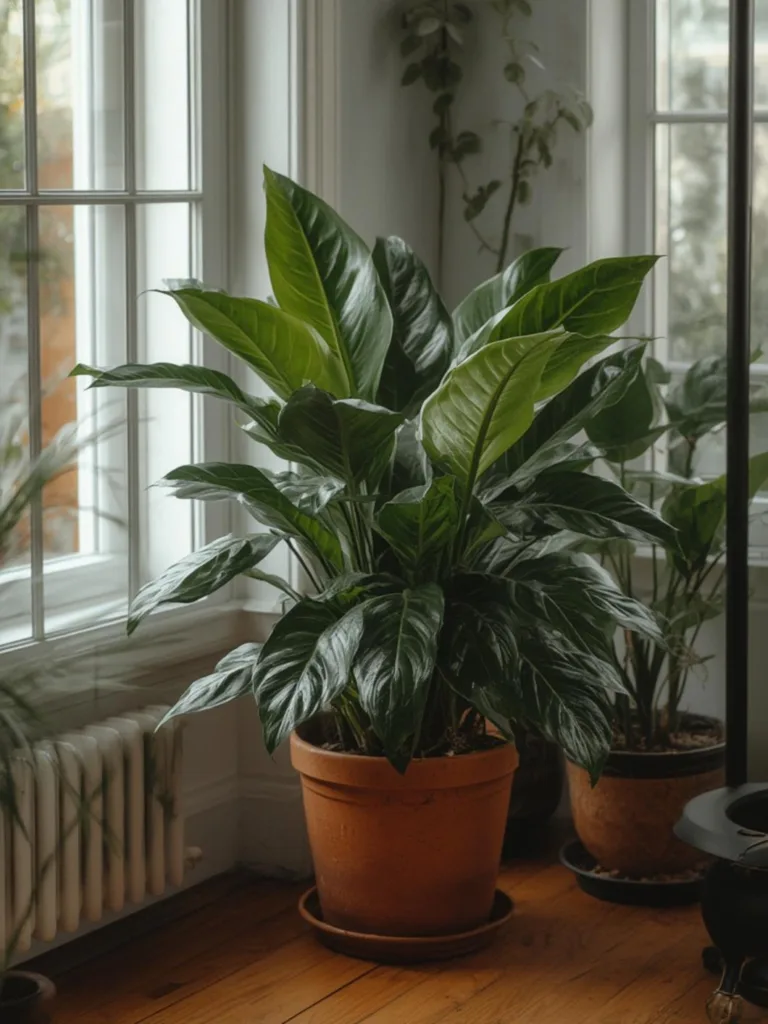
Philodendrons are tropical perennials that grow year-round indoors, though they have distinct seasonal patterns:
Spring & Summer (Growing Season):
– Active growth phase requires more frequent watering and feeding
– Best time for repotting and propagation (late spring)
– Expect 1-3 new leaves per month during peak growing season
– Apply fertilizer every 4-6 weeks
Fall & Winter (Dormant Season):
– Growth slows significantly
– Reduce watering by approximately 30-50%
– Withhold fertilizer completely
– Monitor for drafts and cold exposure that can damage leaves
Unlike seasonal outdoor plants, philodendrons don’t have a strict planting timeline. You can purchase and pot them any time of year, though spring offers optimal conditions for establishment. From cutting to mature plant typically takes 2-3 years, though you’ll enjoy foliage from the beginning.
Step-by-Step Instructions
1. Select the Right Philodendron Variety
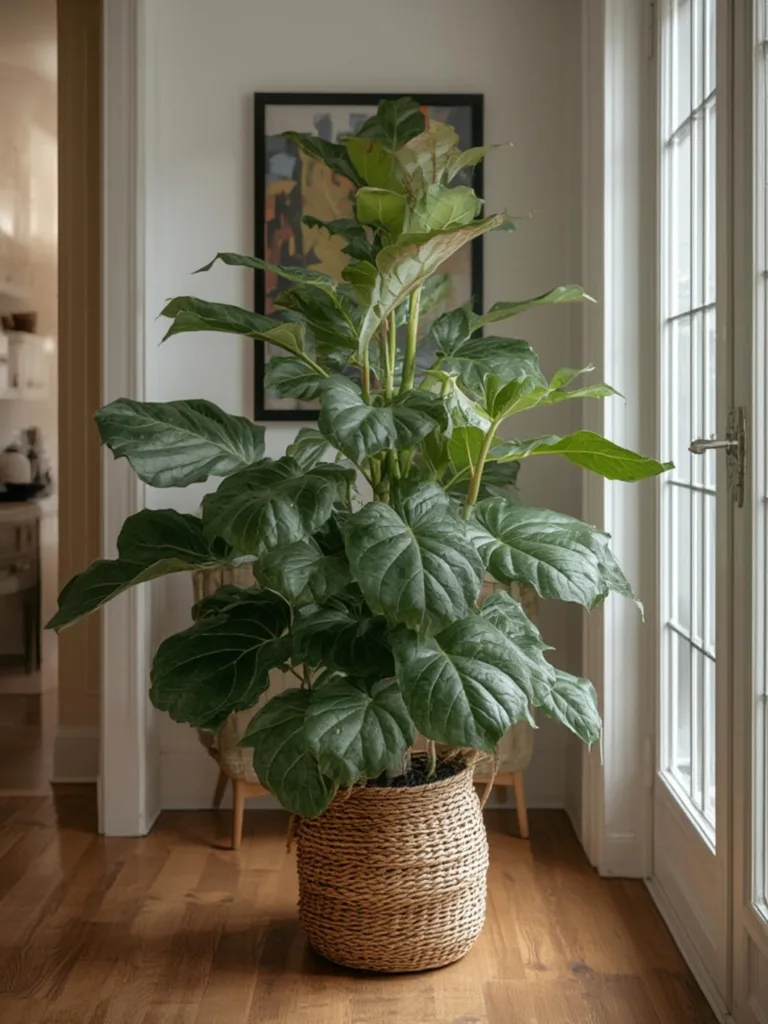
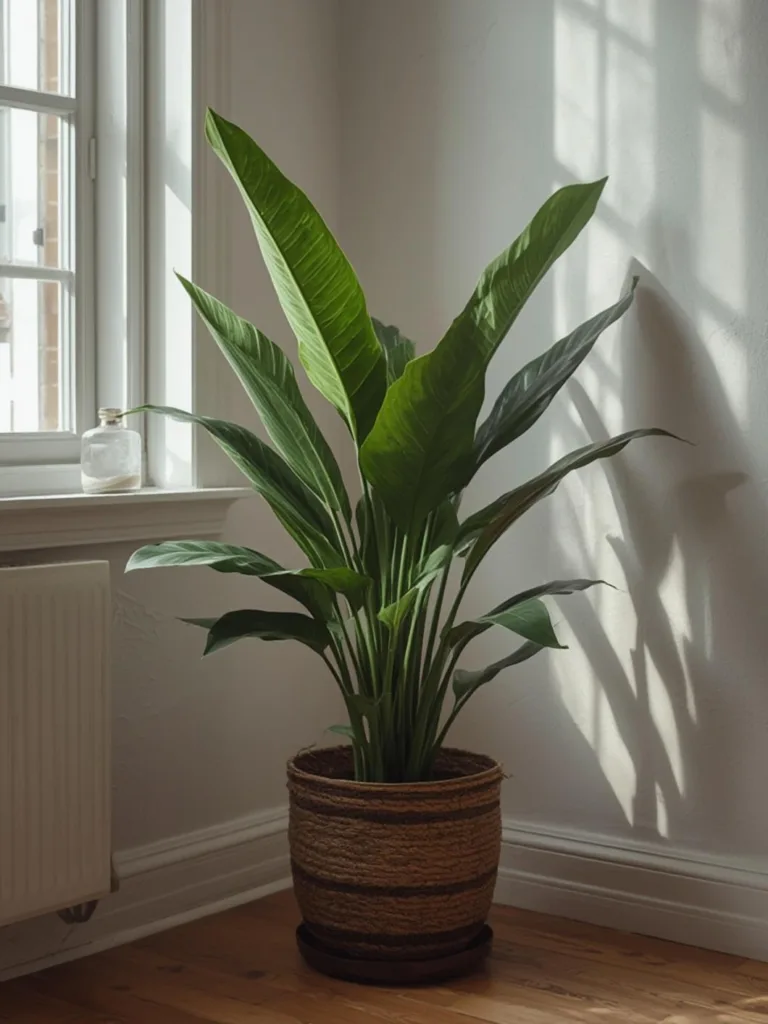
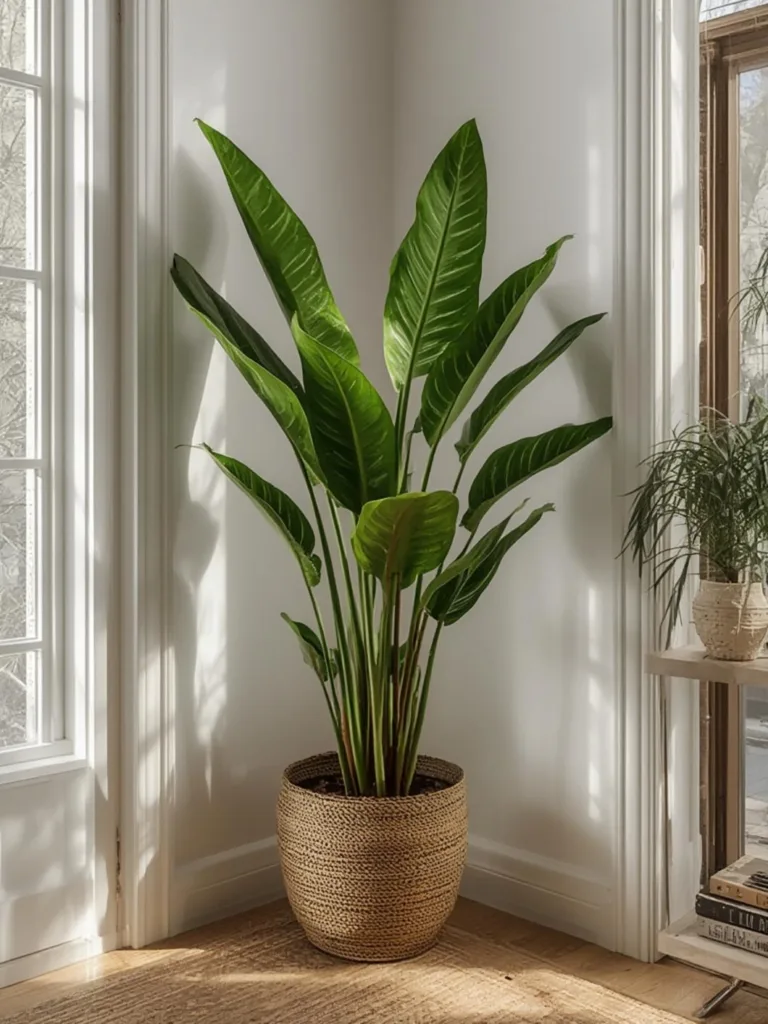
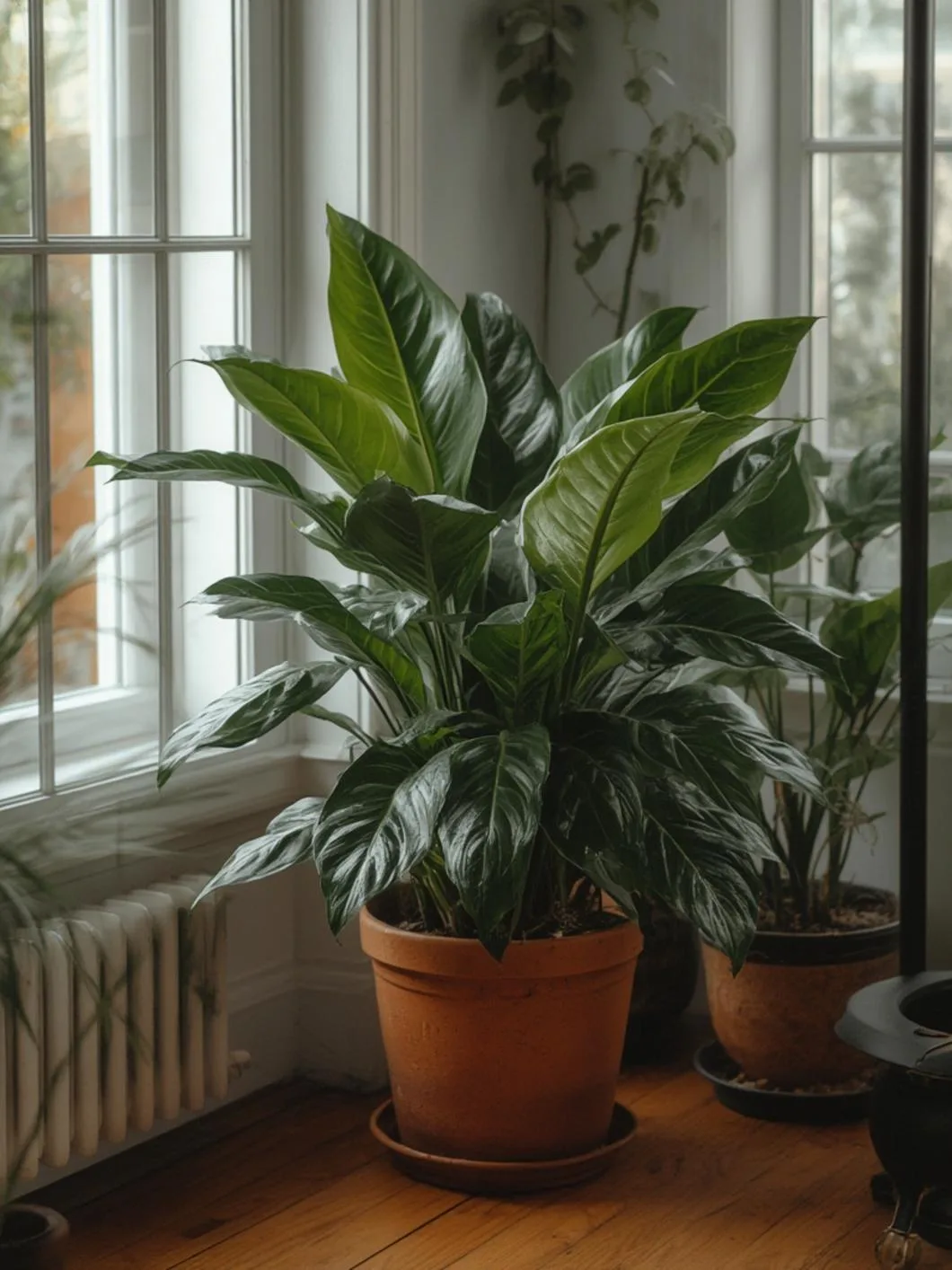
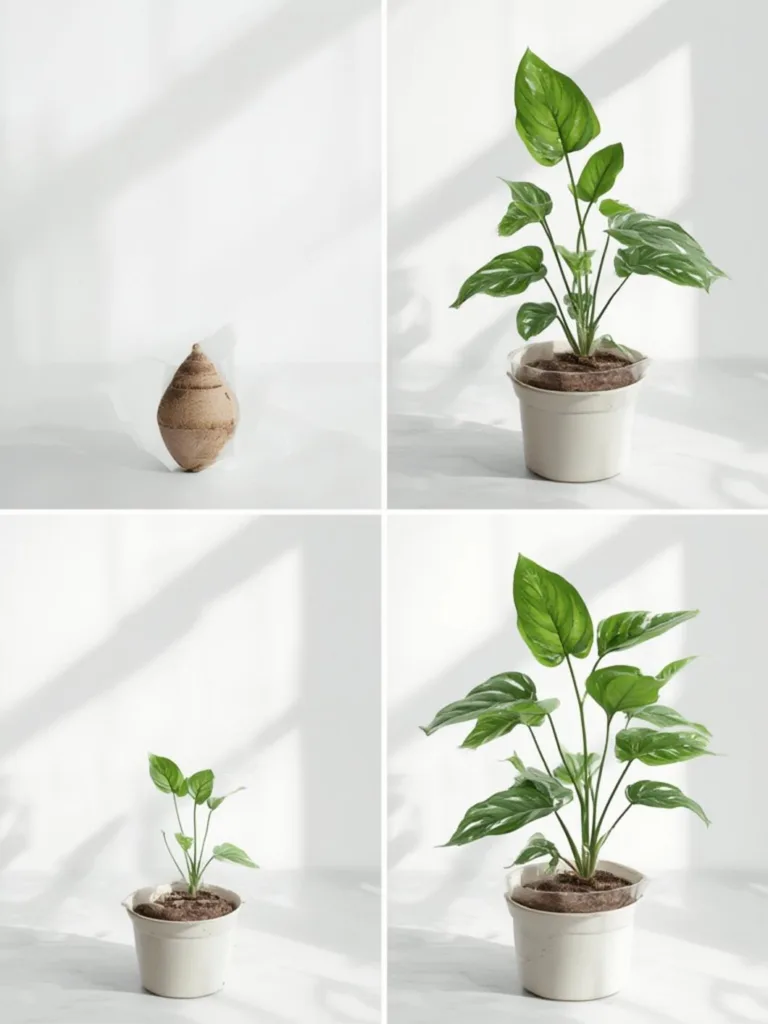
Different varieties have different care needs and appearances. Climbing types like Heartleaf Philodendron require vertical support, while self-heading types like Philodendron ‘Birkin’ grow in a more compact, upright fashion. Consider your space and light conditions when choosing your plant.
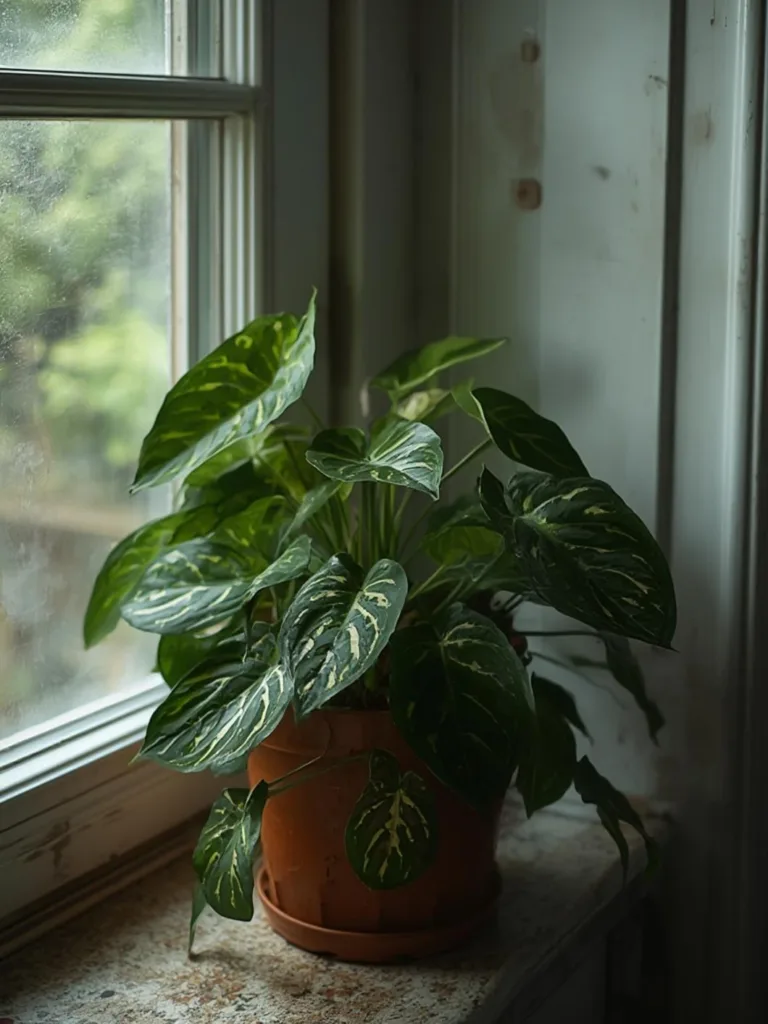
Pro tip: For beginners, start with the nearly indestructible Heartleaf Philodendron (Philodendron hederaceum) or the striking Brasil variety with its variegated leaves.
2. Choose and Prepare Your Container
Select a pot 1-2 inches larger than the current root ball with adequate drainage holes. If using a decorative pot without holes, use it as a cachepot with a plastic nursery pot inside. Line the bottom with small stones to improve drainage if needed.
Pro tip: Always choose a pot with drainage holes to prevent root rot, one of the most common issues in Philodendron care.
3. Prepare the Potting Mix
Mix two parts peat-based potting soil with one part perlite and one part orchid bark. This creates the well-draining yet moisture-retentive environment that philodendrons love. For climbing varieties, consider adding a small amount of sphagnum moss to help roots attach to support structures.
Pro tip: Pre-moisten your potting mix before planting to ensure even water distribution.
4. Planting Your Philodendron
Gently remove the plant from its nursery container, loosening the roots slightly if they’re bound. Place it in the new pot at the same depth as before, with the top of the root ball sitting about 1 inch below the pot rim. Fill in with your prepared soil mix, pressing gently to eliminate air pockets.
Pro tip: Handle the roots carefully—damaged roots can stress the plant and slow its establishment.
5. Watering After Planting
Water thoroughly until water flows from the drainage holes, then allow the pot to drain completely. This initial watering helps settle the soil around the roots and provides necessary moisture for establishment.
Pro tip: If your tap water is highly chlorinated, let it sit out overnight before watering your Philodendron.
6. Provide Proper Light Conditions
Place your philodendron in bright, indirect light—never in direct sunlight, which can scorch the leaves. Eastern or northern windows are often ideal, while southern or western windows may require sheer curtains to filter strong light.
Pro tip: If leaves appear pale or the spaces between nodes are elongated, your plant needs more light. If leaves develop brown patches, it’s getting too much direct sun.
7. Establish a Watering Routine
Allow the top 1-2 inches of soil to dry out between waterings. In typical indoor conditions, this means watering once every 7-10 days in summer and every 2-3 weeks in winter. Always check soil moisture with your finger before watering.
Pro tip: Yellowing lower leaves often indicate overwatering, while curling or drooping leaves suggest underwatering.
Nutritional Benefits / Advantages
While philodendrons aren’t edible (in fact, they’re toxic if ingested), they offer significant benefits for your home environment:
– Air purification: Philodendrons effectively remove formaldehyde and other volatile organic compounds (VOCs) from indoor air, according to NASA’s Clean Air Study.
– Humidity regulation: These plants release moisture through transpiration, helping maintain healthier humidity levels in dry indoor spaces.
– Stress reduction: Research shows that interacting with houseplants can lower blood pressure and reduce psychological and physiological stress.
– Improved concentration: Studies indicate that indoor plants may enhance attention span and concentration by up to 20%.
– Aesthetic benefits: The lush, tropical appearance creates a calming biophilic environment that connects indoor spaces with nature.
– Low-allergen option: Unlike flowering plants, philodendrons don’t produce pollen that triggers allergies.
Tips, Alternative Methods, or Gardening Advice
Different Growing Methods
Water propagation: Snip a stem cutting with at least one node, place in water, and watch roots develop within 2-3 weeks before potting.
Sphagnum moss propagation: Wrap nodes in moist sphagnum moss secured with plastic wrap for higher propagation success rates.
Terrarium growing: Smaller philodendron varieties thrive in high-humidity terrarium environments.
Semi-hydroponics: Growing in LECA (Lightweight Expanded Clay Aggregate) provides excellent drainage while maintaining consistent moisture.
Climate Adaptations
Dry climates: Group plants together to create a microclimate with higher humidity, or use pebble trays filled with water.
Cold regions: Keep plants away from drafty windows during winter months and consider supplemental grow lights during shorter days.
Warm climates: Monitor for faster growth and adjust watering and fertilizing schedules accordingly.
Space Considerations
Small apartments: Trailing varieties like Heartleaf Philodendron can be trained to grow along bookshelves or hanging planters to maximize vertical space.
Office environments: Choose low-light tolerant varieties like Philodendron ‘Brasil’ for spaces with fluorescent lighting.
Bathrooms: The high humidity makes them perfect locations for philodendrons, especially in shower areas with filtered light.
Common Mistakes to Avoid
1. Overwatering
Problem: Soggy soil leads to root rot, yellowing leaves, and eventual plant death.
Solution: Water only when the top 1-2 inches of soil feels dry to the touch. Use a moisture meter if you’re uncertain.
2. Improper Light Exposure
Problem: Too little light causes leggy growth and sparse foliage; too much direct sun burns leaves.
Solution: Place in bright, indirect light. If leaves are pale or stretching, move closer to a light source. If leaves show brown patches, provide more shade.
3. Using Incorrect Potting Mix
Problem: Dense, water-retentive soils without adequate aeration suffocate philodendron roots.
Solution: Use a well-draining aroid mix with chunky components like orchid bark and perlite.
4. Neglecting Humidity Needs
Problem: Low humidity causes brown leaf edges, especially in winter or air-conditioned environments.
Solution: Group plants together, use humidity trays, or run a humidifier to maintain 50-60% humidity.
5. Overfertilizing
Problem: Fertilizer burn damages roots and leaves, appearing as brown or crispy leaf edges.
Solution: Apply diluted fertilizer (half-strength) monthly during growing season only, and flush the soil occasionally with clean water.
Storage / Maintenance Tips
Routine Maintenance
Watering: Maintain a consistent schedule based on environmental conditions, typically allowing the top inch of soil to dry between waterings.
Cleaning: Wipe leaves monthly with a damp cloth to remove dust and increase the plant’s ability to photosynthesize. This also helps prevent pest infestations.
Pruning: Trim leggy stems and yellowing leaves to maintain appearance and redirect energy to new growth. Always use clean, sharp scissors.
Rotation: Turn your plant a quarter-turn weekly to ensure even growth on all sides.
Seasonal Care
Spring: Resume regular fertilizing schedule and increase watering as growth accelerates.
Summer: Monitor for increased water needs during hot weather and provide additional humidity if air conditioning is running.
Fall: Gradually reduce watering and stop fertilizing as growth slows.
Winter: Maintain temperatures above 55°F (13°C), keep plants away from cold drafts, and water sparingly.
Long-term Maintenance
Repotting: Move to a pot 1-2 inches larger every 2-3 years, or when roots begin circling the pot or growing through drainage holes.
Root pruning: For plants you wish to keep in the same size pot, trim up to one-third of the root mass during repotting and refresh with new soil.
Support: As climbing varieties grow, regularly check and adjust plant ties to prevent stem damage and ensure the plant is securely attached to its support.
Conclusion
Growing a Philodendron at home offers the perfect combination of tropical beauty and forgiving nature. These versatile plants add life to any space while purifying your air and creating a connection to nature indoors. With proper Philodendron care, including the right light, watering schedule, and occasional pruning, your plant can thrive for years and even be propagated to share with friends or expand your collection. Whether you’re a beginning plant parent or an experienced indoor gardener, the satisfaction of watching these tropical beauties unfurl new leaves is unmatched. Start with one variety and you’ll likely find yourself becoming a collector as you discover the incredible diversity these plants offer.
Ready to start your philodendron journey? Share your growing experiences in the comments below or tag us in your plant photos on social media. And if you found this guide helpful, explore our other houseplant care guides to build your indoor jungle one plant at a time!
FAQs
How often should I water my philodendron?
Water when the top 1-2 inches of soil feels dry to the touch, typically every 7-10 days during growing season and less frequently during winter. Factors like pot size, humidity, and temperature will affect watering frequency, so always check the soil rather than following a strict calendar schedule.
Why are my philodendron’s leaves turning yellow?
Yellowing leaves most commonly indicate overwatering, but can also result from nutrient deficiencies, insufficient light, or normal aging of older leaves. First, check that your plant isn’t sitting in water and that the soil drains properly. If only older, lower leaves are yellowing and your plant is otherwise healthy, this may be normal leaf senescence.
Can philodendrons grow in low light conditions?
While philodendrons are more tolerant of low light than many houseplants, they won’t thrive in dark corners. They can survive in moderate to low indirect light, but growth will be slower and leggy. Varieties with darker green leaves generally tolerate lower light better than variegated types, which need brighter conditions to maintain their patterns.
Are philodendrons safe for pets and children?
No, all philodendron varieties contain calcium oxalate crystals that are toxic if ingested. Contact with the sap can also cause skin irritation in sensitive individuals. Keep plants out of reach of children and pets, and wash hands after handling them, especially before touching your eyes or face.
How do I propagate my philodendron?
The easiest method is stem cutting propagation. Cut a 4-6 inch stem segment just below a node (the bumpy part where leaves emerge), ensuring your cutting has at least one node and preferably 2-3 leaves. Place the cutting in water, changing it weekly, until roots develop (usually 2-4 weeks), then transfer to soil once roots are 1-2 inches long.