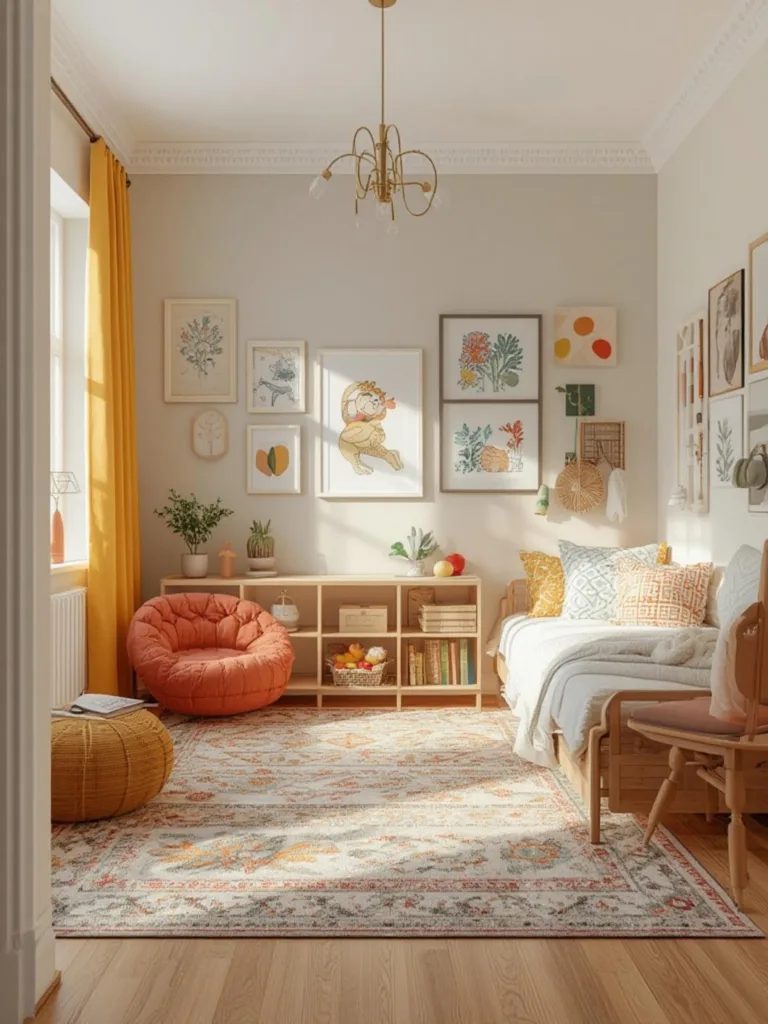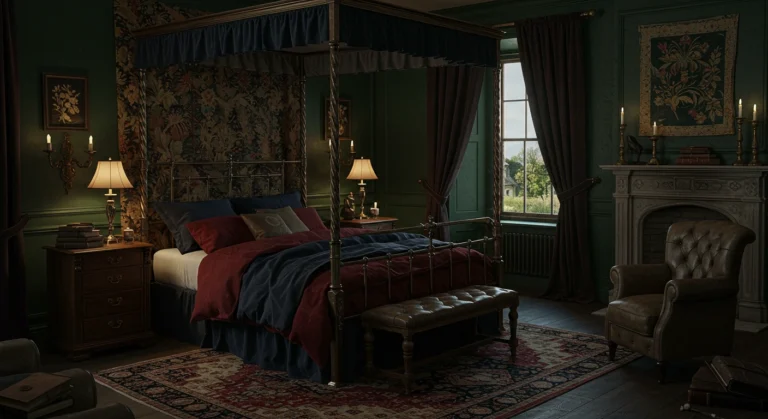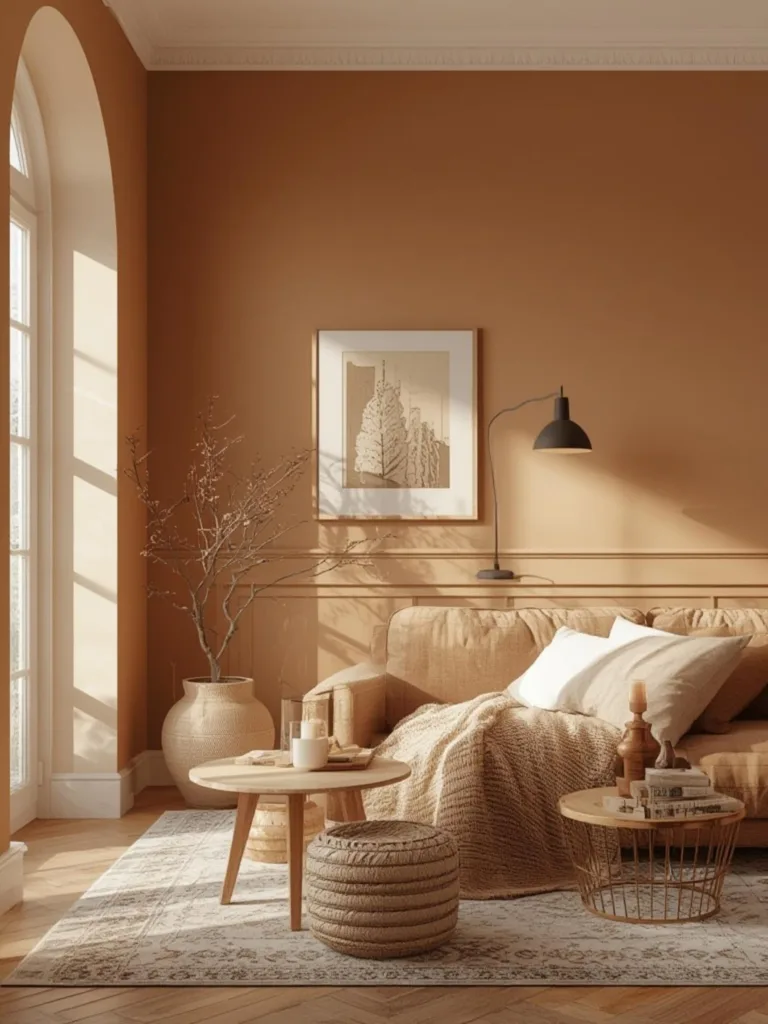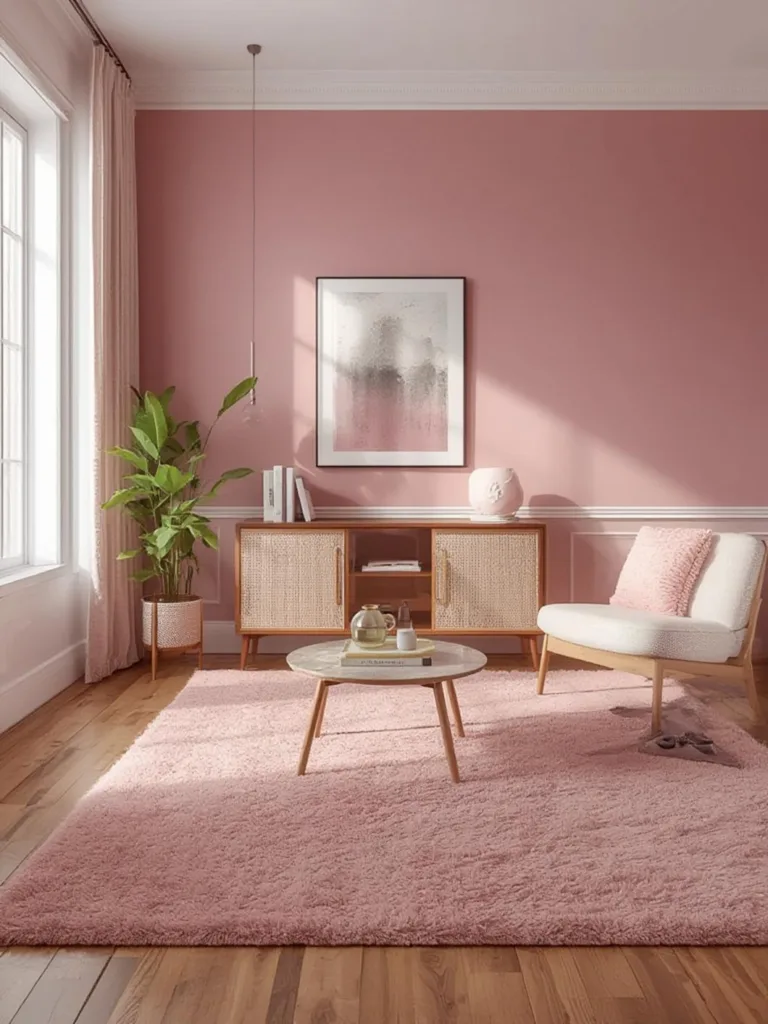
Best way to grow: How to Choose Interior Paint in 5 Steps
Ever walked into a room and felt instantly calm, energized, or perhaps a bit uneasy without knowing exactly why? The secret often lies in the walls surrounding you. Wall color establishes the foundation for your entire space influencing mood, perceived room size, and how your furnishings appear. When considering How to Choose Interior Paint, most homeowners feel overwhelmed by the thousands of options available.
The interior paint color selection process requires both art and science, balancing personal preferences with design principles. Today, we’ll demystify this process and help you transform your spaces with confidence, ensuring your home reflects your unique personality while avoiding costly color mistakes.
Table of Contents
Design Concept Overview
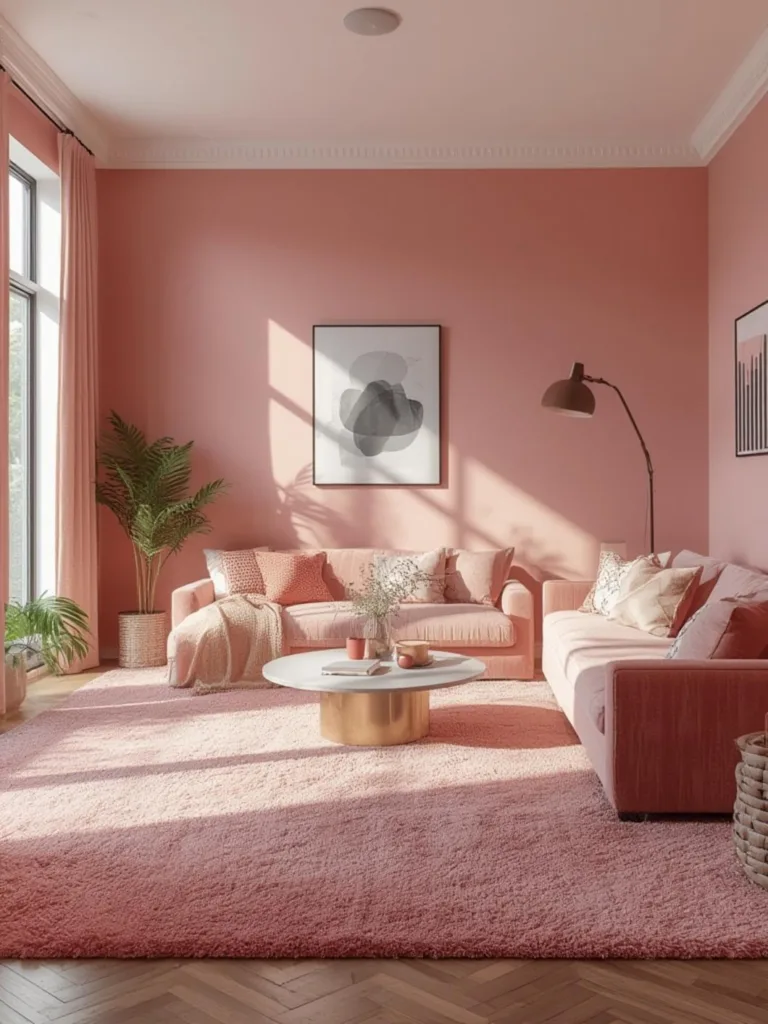
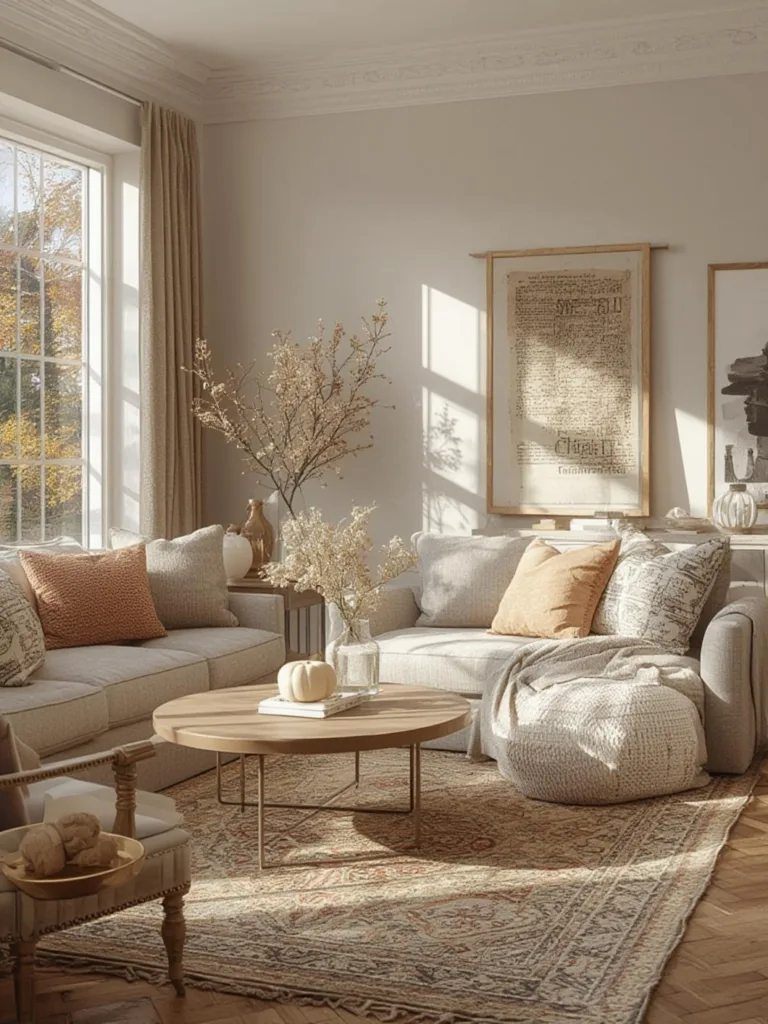
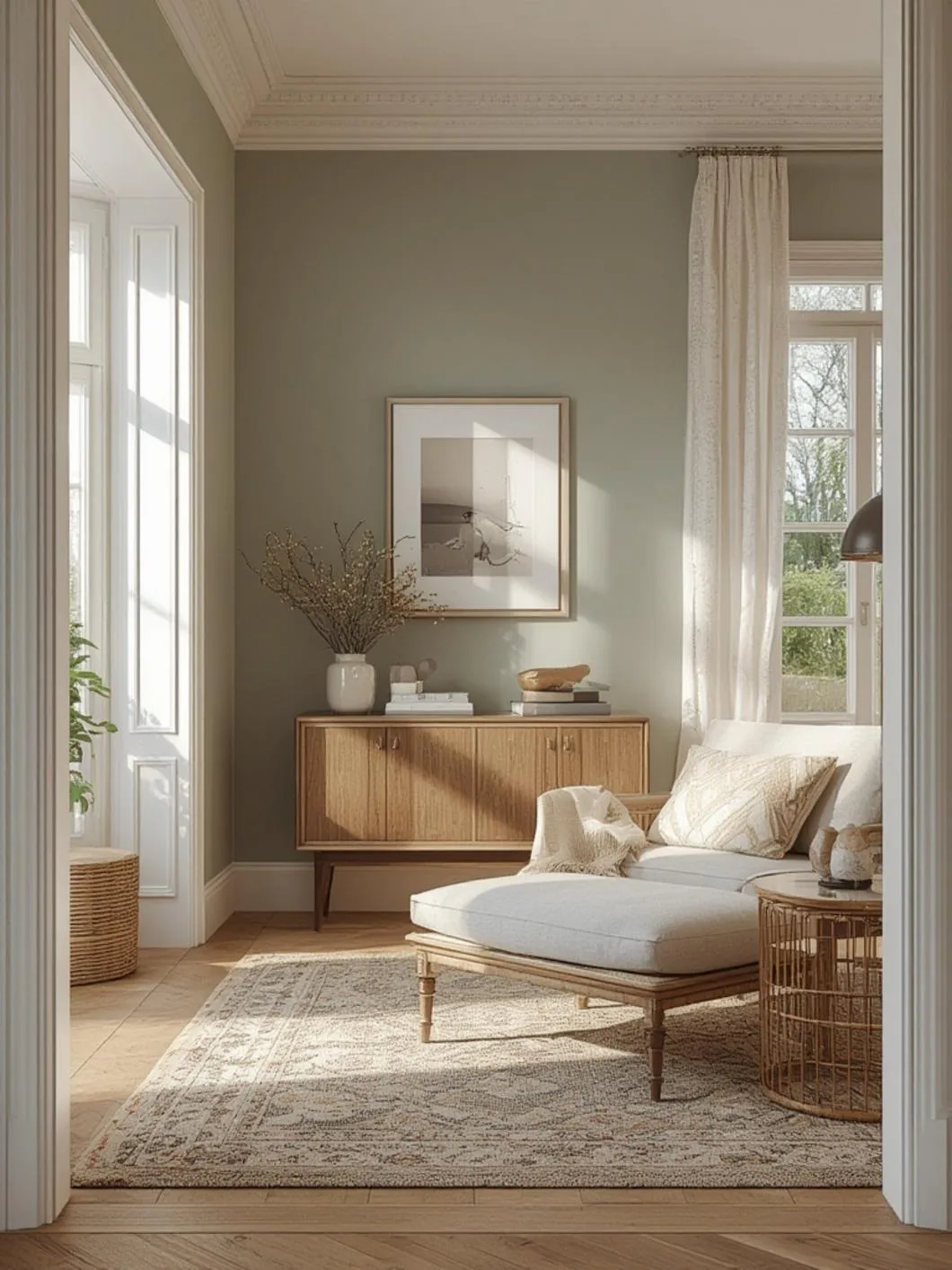
The perfect interior paint scheme establishes harmony while adding visual interest. Whether you’re drawn to serene monochromatic palettes, bold accent walls, or sophisticated neutral backgrounds, your wall colors create the canvas for your entire design narrative. The most successful color schemes align with both your personal taste and the room’s function calming blues and greens for bedrooms, energizing yellows for kitchens, or focus-enhancing neutrals for home offices.
Your color selection should consider the room’s architectural features, existing furnishings, lighting conditions, and how the space connects to adjacent rooms. Contemporary approaches often feature strategic color blocking, accent walls, or ceiling color to define zones within open floor plans. Timeless schemes typically incorporate a 60-30-10 rule: 60% dominant color (walls), 30% secondary color (furniture), and 10% accent color (accessories).
Materials, Colors & Key Elements
Essential Materials:
– Paint samples (sample pots or peel-and-stick swatches)
– Primer (tinted when using dramatic color changes)
– Quality paintbrushes (angled brush for cutting-in)
– Microfiber rollers (different nap lengths for different textures)
– Painter’s tape
– Drop cloths
– Extension poles
– Paint trays and liners
Paint Types:
– Flat/Matte: Low sheen, hides imperfections, ideal for ceilings and low-traffic areas
– Eggshell/Satin: Slight sheen, easy to clean, perfect for living areas
– Semi-gloss: Moisture-resistant, durable, suitable for kitchens and bathrooms
– High-gloss: Highly reflective, great for trim and architectural details
Color Selection Tools:
– Color wheels
– Fan decks
– Digital visualization apps
– Designer-curated palettes
– Natural inspiration (landscapes, favorite textiles, artwork)
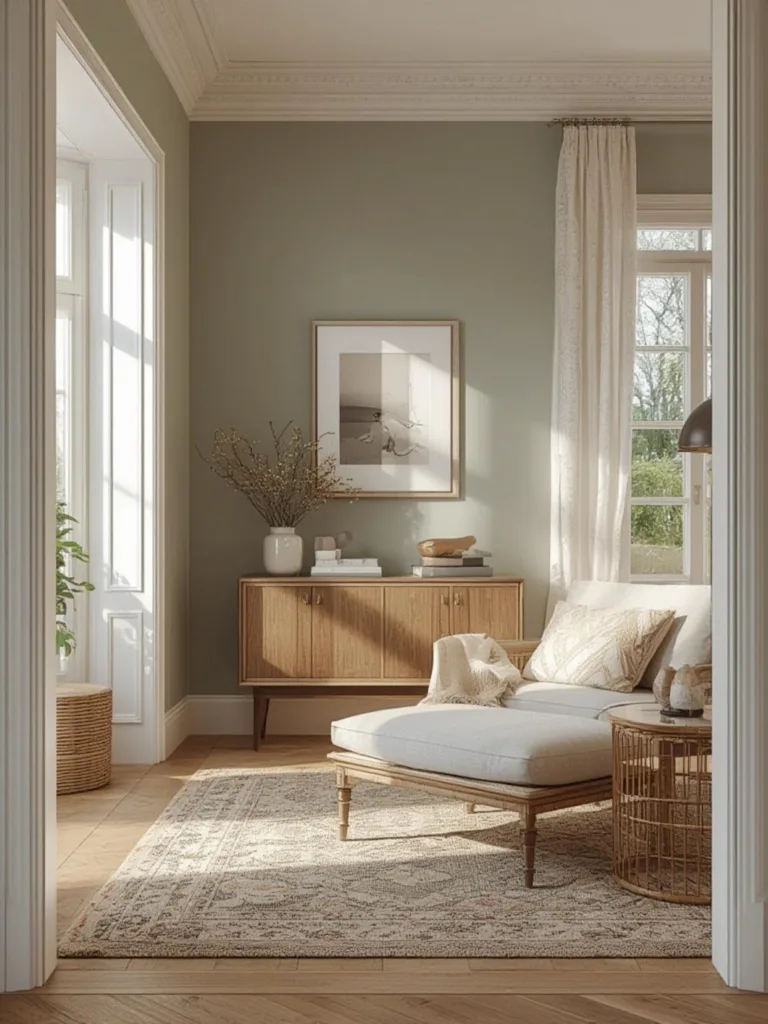
The most successful interior color schemes typically incorporate three complementary elements: a dominant neutral base, a secondary color with medium visual weight, and accent colors that create focal points. For cohesive flow throughout your home, consider selecting colors from the same family or with similar undertones, varying the intensity from room to room.
Timing, Budget & Planning
Budget Considerations:
– Economy paint: $15-30 per gallon
– Mid-range paint: $30-50 per gallon
– Premium paint: $50-100+ per gallon
– Professional painting: $2-6 per square foot (labor)
– DIY supplies: $100-200 for basic tools
Project Timeline:
– Color selection: 1-2 weeks (including testing samples)
– Room preparation: 1 day per room
– Painting: 1-2 days per average-sized room
– Drying/curing time: 24-48 hours minimum before replacing furniture
For budget-conscious projects, consider these strategies:
– Paint accent walls rather than entire rooms
– Update trim color for a fresh look without full repainting
– Choose timeless neutrals for large spaces and express personality through less expensive accessories
– Invest in quality paint for high-traffic areas and economize in less visible spaces
– Purchase during seasonal sales (typically spring and fall)
Small spaces may actually benefit from more thoughtful color choices consider lighter values to expand space or intentionally dark, enveloping colors for cozy, intimate rooms.
Step-by-Step Guide
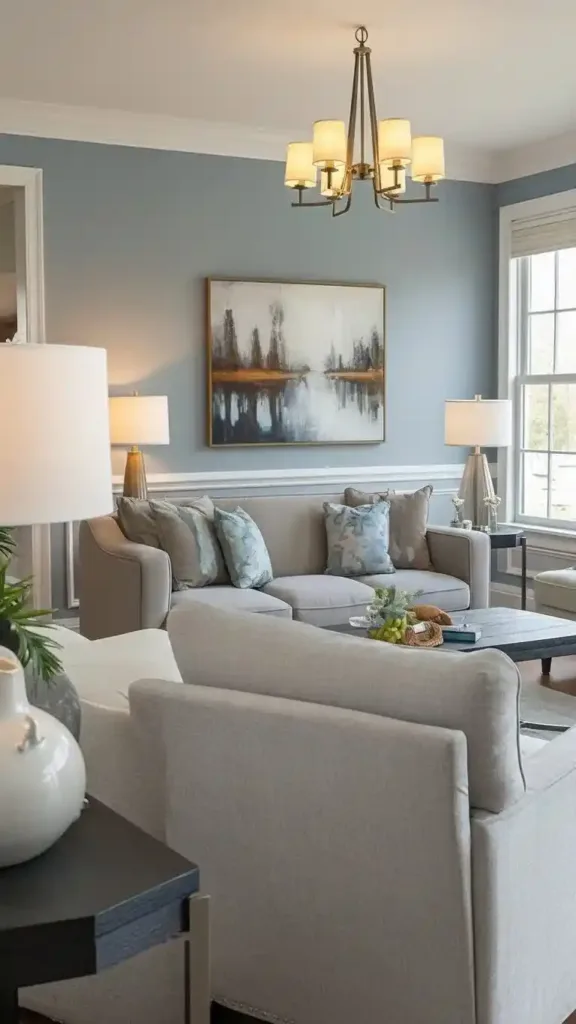
- 1. Assess Your Space
– Identify the room’s natural light direction and intensity
– Note architectural features worth highlighting or minimizing
– Consider fixed elements (flooring, cabinets, stone)
– Determine room function and desired mood - 2. Gather Inspiration
– Create a digital or physical mood board
– Collect images of spaces that resonate with you
– Identify recurring colors in your favorite possessions
– Consider your existing furniture and accessories - 3. Select a Color Strategy
– Monochromatic: Various shades of one color
– Complementary: Colors opposite on the color wheel
– Analogous: Colors adjacent on the color wheel
– Neutral base with accent colors - 4. Test Before Committing
– Purchase 3-5 sample colors per room
– Apply large swatches (at least 1′ x 1′) on multiple walls
– Observe colors at different times of day
– View under both natural and artificial lighting - 5. Finalize Your Interior Paint Color Selection
– Consider how colors flow from room to room
– Select appropriate finishes based on room function
– Calculate required paint quantity (1 gallon typically covers 350-400 sq ft)
– Purchase quality tools for best results - 6. Prepare and Prime
– Clean walls thoroughly
– Repair any damage
– Apply primer when changing colors dramatically or covering stains
– Protect floors and furniture
When learning How to Choose Interior Paint, remember that lighting dramatically affects perception. What appears soft blue in a south-facing room may look significantly different in north-facing spaces. Always test in the actual environment before making final decisions.
Benefits & Functional Advantages
The right wall colors deliver multiple benefits beyond aesthetics:
Psychological Effects:
– Blue tones promote tranquility and sleep quality
– Yellow stimulates conversation and optimism
– Green balances energy and promotes concentration
– Neutral palettes reduce visual noise and create versatile backgrounds
Spatial Perception:
– Light colors visually expand spaces
– Dark colors create intimacy and depth
– Unified color schemes increase perceived size
– Strategic accent walls define functional areas without physical barriers
Environmental Benefits:
– Low-VOC and zero-VOC paints improve indoor air quality
– Quality paint requires fewer coats, reducing overall consumption
– Proper color selection minimizes artificial lighting needs
– Timeless choices reduce frequent repainting and waste
Investment Value:
– Neutral, professionally selected color schemes can increase property value
– Thoughtfully painted accent walls highlight architectural features
– Updated, on-trend colors signal well-maintained properties to potential buyers
Alternative Styles & Customization Ideas
For Different Aesthetic Preferences:
– Modern Minimalist: Crisp whites, charcoals, with occasional bold accents
– Traditional: Warm neutrals, historical colors, tonal variations
– Bohemian: Rich, saturated jewel tones with complementary accents
– Scandinavian: Cool whites, soft grays, pale blues with wood elements
– Industrial: Concrete grays, navy blues, muted metallics
Space-Specific Approaches:
– Small apartments: Unified color scheme with subtle variations
– Open floor plans: Zone definition through coordinated color families
– Historic homes: Period-appropriate palettes with contemporary interpretations
– Rental properties: Reversible approaches like temporary wallpaper or accent furniture
DIY Techniques:
– Color blocking for architectural interest
– Ombré effects for visual movement
– Stenciled patterns as wallpaper alternatives
– Two-tone walls to define spaces or create wainscoting effects
Common Mistakes to Avoid
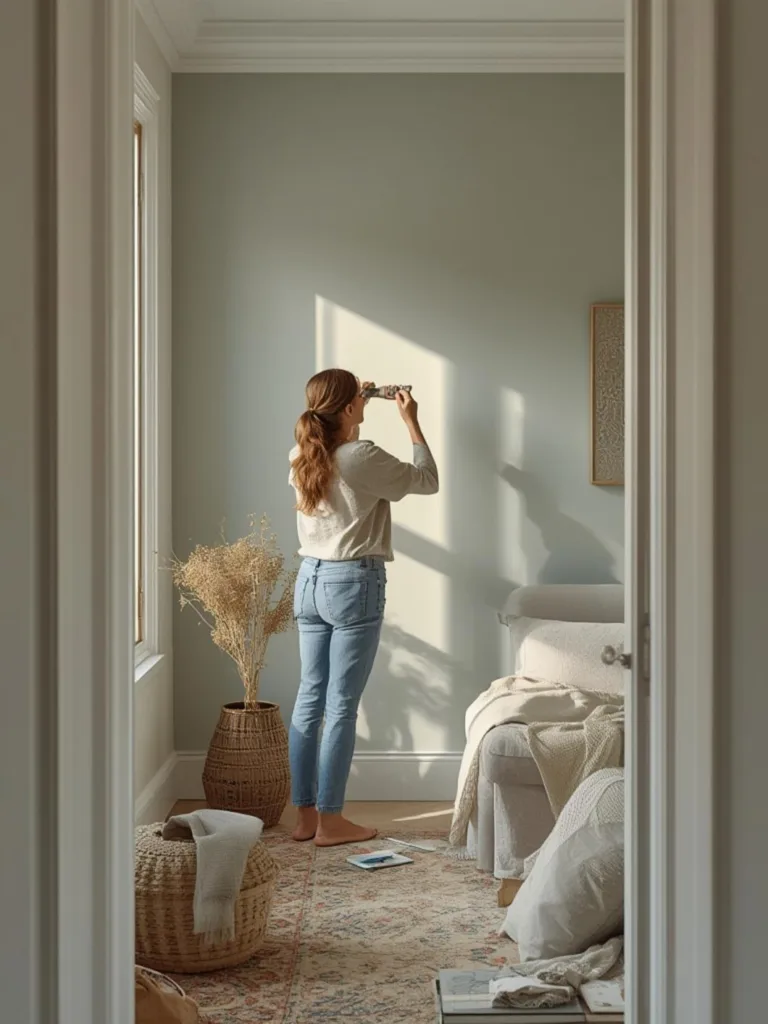
- 1. Selecting Colors from Small Swatches
Problem: Colors appear different at scale
Solution: Test with large sample boards or paint directly on walls - 2. Ignoring Lighting Conditions
Problem: Colors shift dramatically under different light
Solution: Evaluate samples at different times of day in actual room lighting - 3. Failing to Consider Fixed Elements
Problem: New colors clash with existing flooring, cabinetry, or stone
Solution: Select colors that coordinate with existing undertones - 4. Following Trends Without Context
Problem: Trendy colors may feel dated quickly or not suit your space
Solution: Choose timeless base colors and incorporate trends in accessories - 5. Ignoring Room Transition
Problem: Jarring color changes between rooms disrupt flow
Solution: Create a whole-home color plan with complementary transitions - 6. Using Too Many Colors
Problem: Visual chaos and reduced cohesion
Solution: Limit to 3-5 colors throughout home with intentional variation
Maintenance & Longevity Tips
Cleaning & Care:
– Dust walls regularly with microfiber cloths
– Clean scuffs on washable finishes with mild soap solution
– Touch up high-traffic areas annually
– Keep leftover paint labeled with room and date for future touch-ups
Extending Color Relevance:
– Select “forever colors” for major spaces and costly applications
– Update accent walls or small spaces when trends shift
– Refresh trims and ceilings every 5-7 years
– Adjust accessories to evolve your color scheme without repainting
Refresh Strategies:
– Repaint high-traffic areas every 3-5 years
– Update color schemes when major furniture changes occur
– Consider seasonal adjustments through accessories rather than paint
– Document your paint colors and brands for consistent touch-ups
Conclusion
The journey of selecting wall colors transforms houses into personalized homes that reflect your unique personality and support your lifestyle needs. Taking the time to understand color psychology, test options thoroughly, and create thoughtful transitions between spaces pays dividends in both aesthetic satisfaction and functional benefits.
Remember that How to Choose Interior Paint is both science and art balancing color theory with personal preference. The interior paint color selection process may require patience, but the results create the backdrop for your life’s most important moments.
Whether you’re creating a serene sanctuary, an energizing workspace, or a welcoming gathering space, your carefully chosen palette will enhance how you experience your home every day.
FAQs
How many paint samples should I test before making a final decision?
We recommend testing 3-5 options for each space. Colors can appear dramatically different depending on your lighting, so what looks perfect on a swatch might surprise you on the wall. Apply samples in 12″x12″ sections on multiple walls to observe how light affects them throughout the day.
Should I paint my ceiling the same color as my walls?
While white ceilings are traditional and create an airy feel, painting ceilings the same color as walls (or a lighter version) can make a room feel more cohesive and often makes ceilings appear higher. In small spaces or rooms with architectural interest, unified wall and ceiling color creates an enveloping, intentional feel.
How do I choose colors that won’t quickly feel dated?
Focus on timeless neutrals with subtle undertones for larger spaces, saving bold or trendy colors for smaller spaces or accents that can be easily changed. Look to nature-inspired palettes which tend to have longer relevance than fashion-driven colors. Consider historical colors which have already proven their staying power.
What’s the best approach for open floor plans with connecting spaces?
Create a cohesive flow using colors from the same family or with compatible undertones. You might use the same neutral throughout with different accent walls defining functional zones, or gradually shift intensity as you move through spaces. Consider using architectural transitions (doorways, columns, bulkheads) as natural color transition points.
How do I test colors if I’m planning to paint before moving into a new home?
If possible, visit the empty space at different times of day to observe light patterns. Create large sample boards (foam core works well) that you can move around the space. Digital visualization tools can help, but always verify with actual paint samples in the space before final commitment.