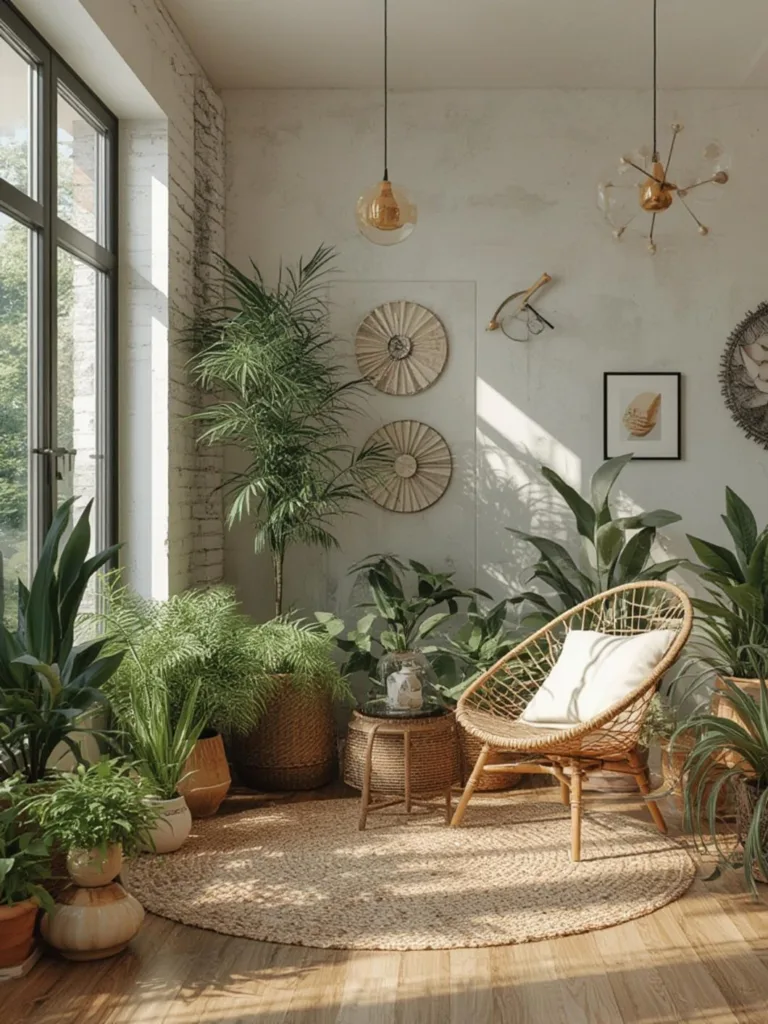
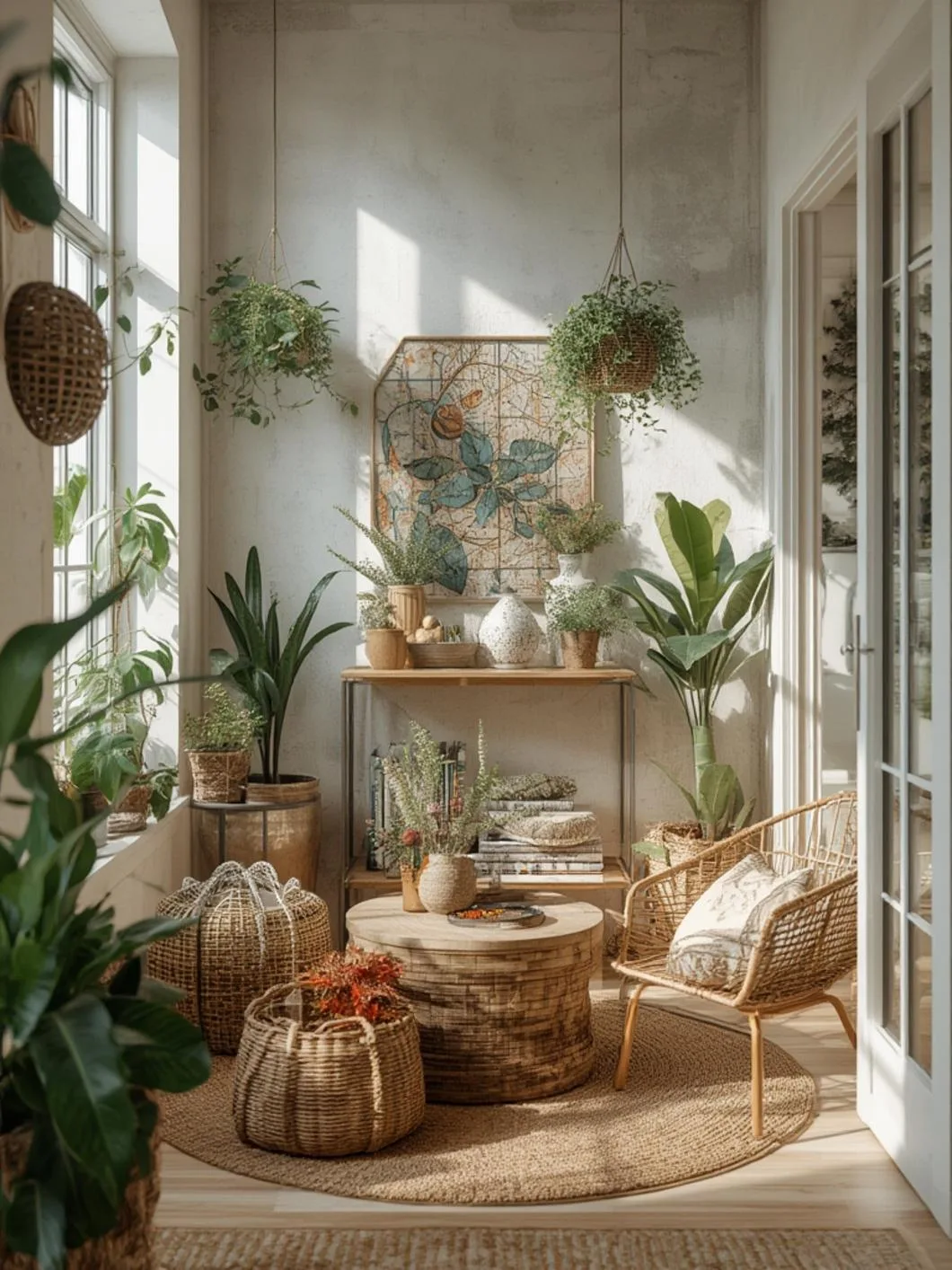
Gardening Guide: 5 Essential Tips for Gardening Success
Have you ever looked at the empty vertical space in your home and wondered how to transform it into something magical? Indoor hanging gardens are revolutionizing the way we bring nature inside, offering a stunning solution for plant lovers with limited floor space. This creative approach to indoor gardening has gained immense popularity as urban dwellers seek to maximize their connection with nature despite spatial constraints.
Creating an indoor hanging garden is not only a visual delight but also offers tremendous wellness benefits, from improved air quality to enhanced mood. With the right gardening guide and some beginner gardening tips, even novice plant parents can transform their living spaces into lush vertical oases.
Table of Contents
Design Concept Overview
An indoor hanging garden embraces the vertical dimension of your living space, creating visual interest by suspending plants at different heights. This design concept works particularly well in contemporary, bohemian, minimalist, and tropical interior styles. The fundamental idea is to create layers of greenery that draw the eye upward, adding dimension to your space while keeping valuable surface areas free.
The mood of a hanging garden is typically relaxed yet vibrant, with a natural color palette dominated by various shades of green punctuated by colorful planters or flowering species. This design works exceptionally well in spaces with high ceilings, near windows, in bathroom corners, over kitchen islands, or even as room dividers in open-plan layouts. The beauty of hanging gardens lies in their adaptability—they can be as simple as a single statement plant or as elaborate as a cascading botanical display.
Materials, Colors & Key Elements
Essential Materials:
– Hanging planters (macramé, ceramic, metal, or glass)
– Sturdy ceiling hooks or brackets (rated for appropriate weight)
– Selection of trailing plants (pothos, spider plants, string of pearls)
– Quality potting soil and drainage materials
– Watering tools (long-spout watering can)
– Plant food and nutrients
– Step ladder for installation and maintenance
Color Combinations:
– Natural palette: Greens, whites, terracottas, and browns
– Contemporary look: Black or white planters with vibrant green foliage
– Bohemian style: Multi-colored macramé holders with various plant textures
– Modern minimalist: Monochromatic planters in white, black, or concrete gray
Key Elements:
– Variety in heights and plant types for visual interest
– Balance between plant foliage density and empty space
– Consideration of light requirements for each plant
– Proper weight distribution and secure mounting
– Complementary container styles that enhance your existing decor
Budget-friendly alternatives include DIY macramé hangers, repurposed containers, propagated plants from cuttings, and strategic placement of fewer, more impactful specimens rather than numerous smaller ones.
Timing, Budget & Planning
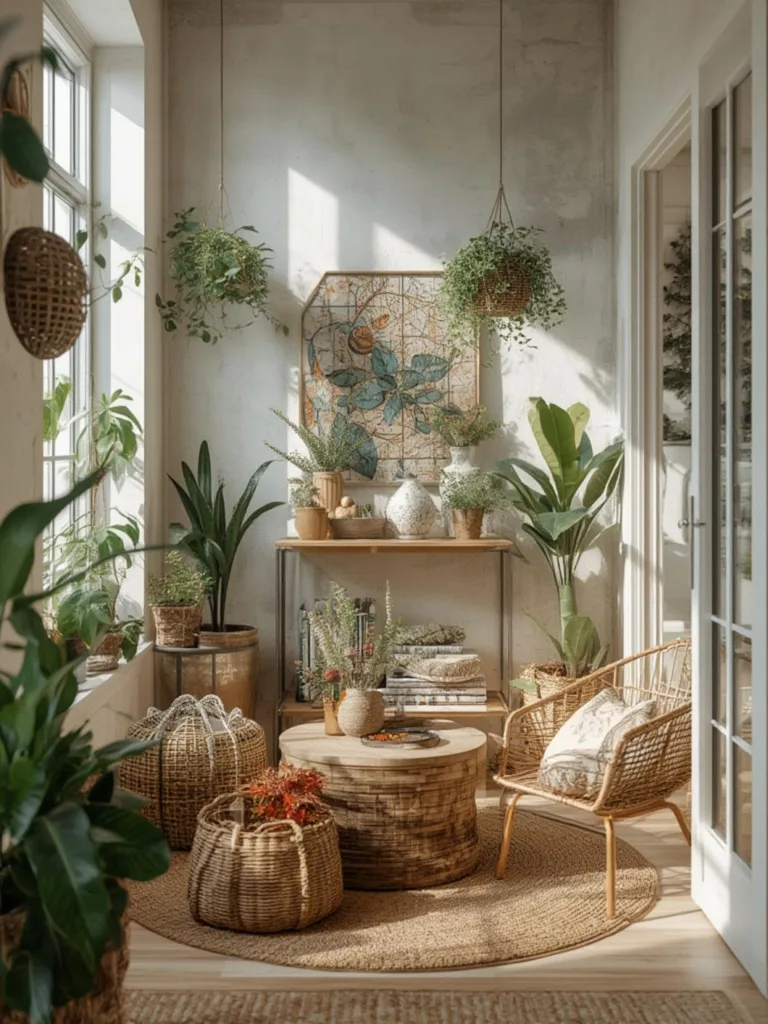
Creating an indoor hanging garden requires thoughtful planning but can be implemented relatively quickly. Here’s a breakdown of what to expect:
Timeline:
– Planning phase: 1-2 weeks (researching plants, sourcing materials, determining placement)
– Installation: 1 day to a weekend, depending on scale
– Plant establishment: 3-4 weeks for plants to adjust to their new environment
Budget Ranges:
– Starter setup (3-5 plants): $75-150
– Mid-range garden (6-10 plants): $150-300
– Elaborate display (11+ plants): $300-600+
These estimates include quality planters, plants, soil, hooks, and basic tools. For budget-conscious projects, consider:
– Starting with just 2-3 statement plants and expanding over time
– Using propagated cuttings from friends’ plants
– Making your own planters or macramé hangers
– Shopping at nurseries rather than boutique plant shops
For small spaces like apartments, focus on lightweight options that won’t damage ceilings. Studio dwellers should consider over-window installations or tension rod systems that don’t require permanent fixtures.
Step-by-Step Guide
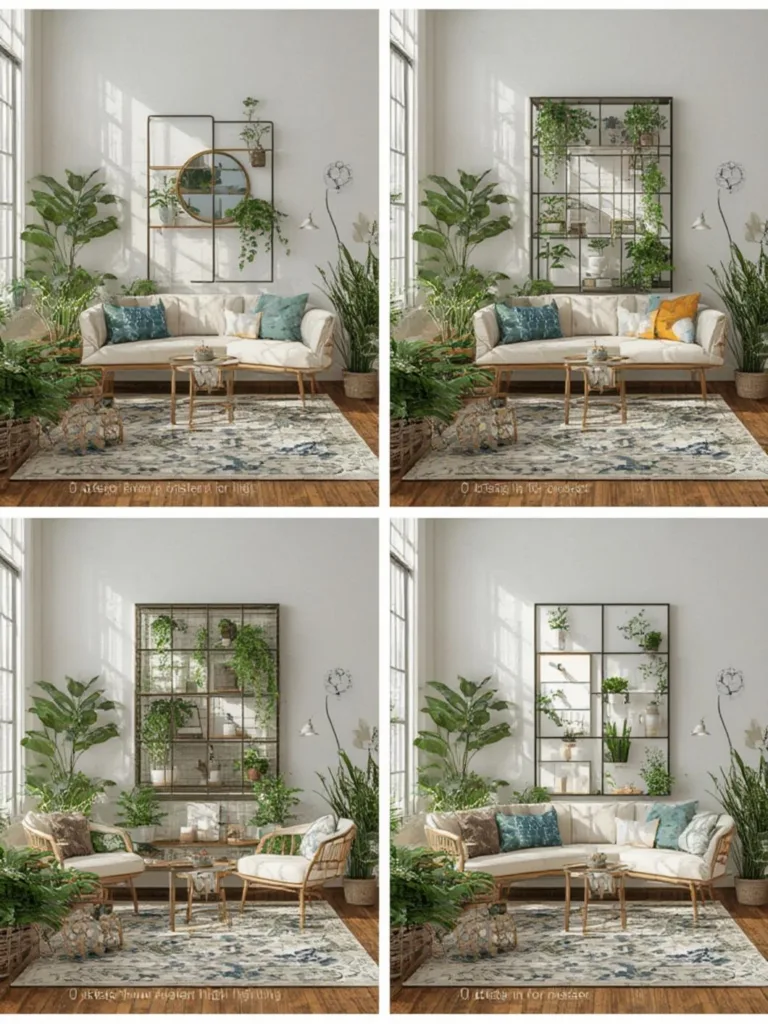
Step 1: Plan Your Layout
Begin by mapping out your space and identifying ideal locations based on light conditions, ceiling height, and accessibility for watering. Consider the mature size of plants and their growth habits. Creating an indoor hanging garden requires careful planning of weight distribution and anchor points. Make sure to check your gardening guide for specific plant requirements and gather beginner gardening tips to ensure success.
Step 2: Install Secure Anchors
Use a stud finder to locate ceiling joists for maximum support. For drywall ceilings, use toggle bolts or ceiling anchors rated for the weight of your plants (including when wet). Space hooks according to your planned layout, ensuring at least 18-24 inches between plants to allow for growth and air circulation.
Step 3: Select and Prepare Plants
Choose plants based on available light:
– Bright, indirect light: Pothos, philodendrons, spider plants, string of pearls
– Medium light: Ferns, ivy, peperomia, prayer plants
– Lower light: ZZ plants, some philodendron varieties, snake plants
Prepare each plant by:
1. Selecting appropriate-sized containers with drainage holes
2. Adding drainage material at the bottom (pebbles or pottery shards)
3. Using quality potting mix suitable for each species
4. Planting at the correct depth and firming soil gently
Step 4: Hang Plants Strategically
Hang plants starting with the largest/heaviest specimens first, ensuring they’re secure before proceeding. Arrange plants at varying heights for visual interest, with trailing varieties positioned to cascade naturally without obstructing walkways or views. Consider the mature length of trailing plants when determining height.
Step 5: Establish a Maintenance Routine
Create a care schedule accounting for:
– Watering needs (typically less frequent than ground-level plants)
– Rotation for even growth (quarterly turns)
– Pruning for shape and health (as needed)
– Fertilization schedule (typically monthly during growing season)
– Seasonal adjustments based on changing light conditions
Benefits & Functional Advantages
Indoor hanging gardens offer numerous benefits beyond their aesthetic appeal:
1. Space Optimization: Free up valuable floor and surface space while utilizing unused vertical areas.
2. Improved Air Quality: Plants naturally filter toxins and increase oxygen levels in your home.
3. Natural Humidity: Transpiration from plants can increase humidity, beneficial in dry environments.
4. Sound Absorption: Foliage helps reduce noise and echo in hard-surfaced rooms.
5. Privacy Enhancement: Strategically placed hanging plants can create natural screens and room dividers.
6. Temperature Moderation: Plants can help regulate room temperature and reduce energy costs.
7. Psychological Benefits: Studies show indoor plants reduce stress and improve mood and productivity.
8. Pest Deterrence: Some hanging plants naturally repel common household pests.
Alternative Styles & Customization Ideas
For Different Aesthetic Preferences:
– Minimalist: Focus on a few sculptural plants like string of pearls or air plants in simple white or concrete planters.
– Bohemian: Embrace colorful macramé hangers, mix-and-match pots, and abundant trailing varieties.
– Modern Industrial: Combine metal planters with geometric hangers and structural plants like snake plants.
– Tropical: Create a jungle feel with large-leafed philodendrons, monstera, and colorful flowering plants.
For Space Limitations:
– Tiny Apartments: Install a single overhead rail with adjustable hooks for flexibility.
– Rental-Friendly: Use tension rods between walls or over-the-door hangers that require no permanent installation.
– Low Ceilings: Opt for wall-mounted planters that extend outward rather than downward.
DIY Approaches:
– Convert colanders, teacups, or vintage containers into unique planters
– Create plant shelves from reclaimed wood attached to macramé hangers
– Design a custom pegboard wall system that allows for flexible plant arrangement
Common Mistakes to Avoid
Mistake 1: Inadequate Support Systems
Problem: Underestimating plant weight when wet, resulting in ceiling damage.
Solution: Always use anchors rated for at least twice the expected weight and install into ceiling joists when possible.
Mistake 2: Improper Light Placement
Problem: Hanging plants in locations with insufficient light for their needs.
Solution: Research each plant’s specific light requirements and monitor for signs of stretching, yellowing, or leaf drop that indicate light issues.
Mistake 3: Watering Difficulties
Problem: Placing plants too high to water easily or causing water damage to floors.
Solution: Use a step stool and long-spouted watering can, or temporarily unhook plants for watering in a sink. Consider self-watering planters or water-wicking systems.
Mistake 4: Overcrowding
Problem: Hanging too many plants close together, preventing proper air circulation.
Solution: Allow adequate spacing between plants and avoid blocking air vents or natural airflow patterns.
Mistake 5: Neglecting Growth Patterns
Problem: Failing to account for how plants will grow and trail over time.
Solution: Research mature sizes and growth habits, planning your layout with future growth in mind.
Maintenance & Longevity Tips
To keep your hanging garden thriving year-round:
Seasonal Care:
– Spring: Refresh soil, increase watering as growth accelerates, prune leggy growth
– Summer: Monitor for increased water needs, provide shade from intense direct sun
– Fall: Reduce fertilization, prepare for lower light conditions
– Winter: Decrease watering frequency, move plants away from cold windows, consider supplemental grow lights
Long-Term Maintenance:
– Inspect hooks and hangers monthly for signs of wear or strain
– Repot plants every 1-2 years or when roots become visible at drainage holes
– Propagate leggy plants to refresh their appearance and create new specimens
– Clean leaves monthly to remove dust and maximize light absorption
– Monitor for pest issues with regular inspections, treating promptly with appropriate methods
Refresh Strategies:
– Rotate plant positions seasonally to provide fresh visual impact
– Swap out containers for an instant update without replanting
– Add new varieties periodically to maintain interest and experiment with different textures
Conclusion
Creating an indoor hanging garden transforms ordinary living spaces into extraordinary botanical retreats while maximizing your available square footage. The vertical dimension of your home offers unlimited potential for creative expression through plants, allowing you to cultivate a personal oasis regardless of your floor space constraints. Whether you’re a seasoned plant enthusiast or just beginning your journey with houseplants, an indoor hanging garden provides both aesthetic beauty and significant wellness benefits.
Remember that success comes from thoughtful planning, proper plant selection, and consistent care. With this gardening guide and some patience, you’ll soon be enjoying the fruits of your elevated beginner gardening tips as your hanging garden flourishes and evolves throughout the seasons.
FAQs
What are the best plants for beginners to use in hanging gardens?
Pothos, spider plants, and heartleaf philodendrons are excellent choices for beginners as they’re forgiving, adaptable to various light conditions, and clearly communicate their watering needs through visual cues. They also propagate easily, allowing you to expand your collection over time.
How do I water hanging plants without creating a mess?
Take plants down and water them in a sink or bathtub when possible. Alternatively, use a long-spouted watering can and water slowly, allowing absorption before adding more. Plant saucers or cachepots can catch excess water, but remember to empty them to prevent root rot.
Will my ceiling support the weight of multiple hanging plants?
Most residential ceilings can support hanging plants when properly anchored into ceiling joists or using appropriate drywall anchors. For heavier installations, consult with a professional. As a general rule, keep the total weight under 25-30 pounds per anchor point, accounting for plant growth and wet soil weight.
How do I keep my hanging plants from growing unevenly toward light sources?
Rotate your plants a quarter turn weekly to promote even growth. For severely uneven growth, prune the longer sides to encourage fullness. Consider using grow lights to supplement natural light and provide more even illumination in darker months or spaces.
Can I create a hanging herb garden in my kitchen?
Absolutely! Herbs like mint, oregano, thyme, and trailing varieties of basil can thrive in hanging planters. Position them near a sunny window, ensure good air circulation to prevent mildew, and harvest regularly to encourage bushy growth. Just be aware that most culinary herbs need at least 4-6 hours of bright light daily to flourish.