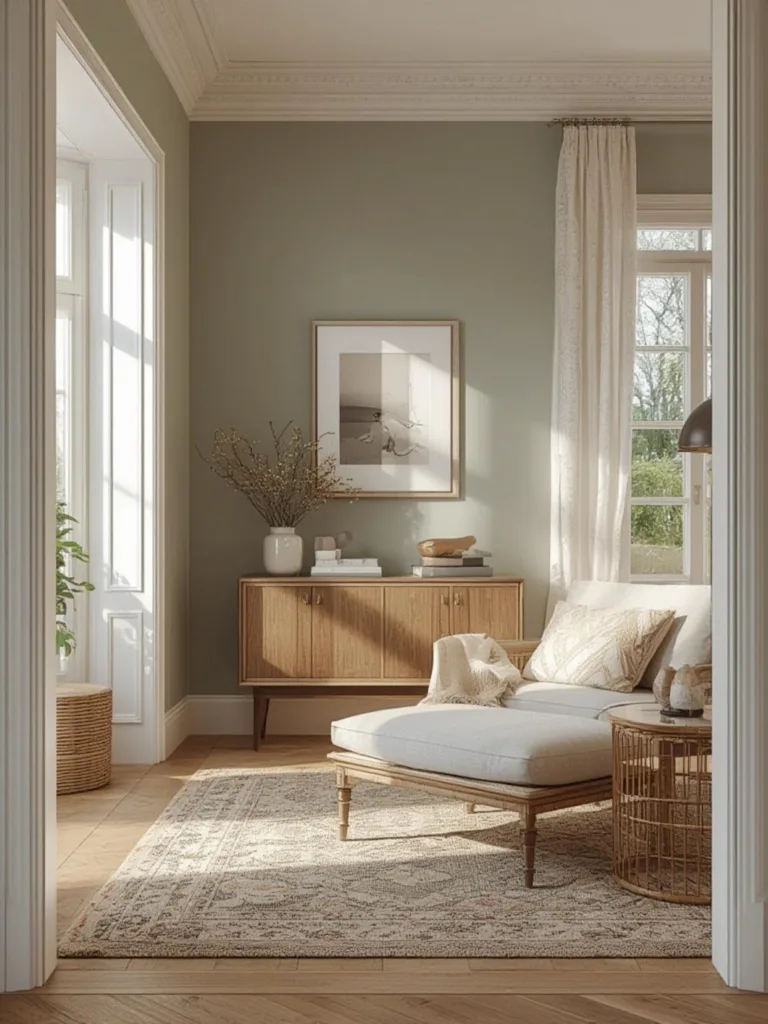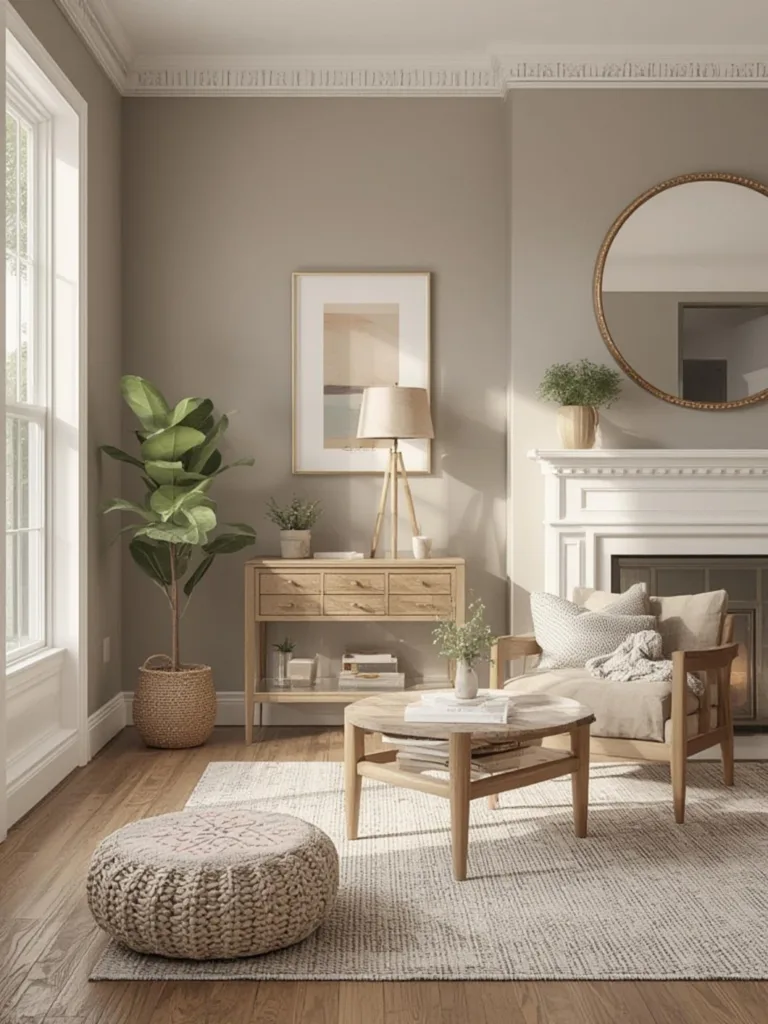
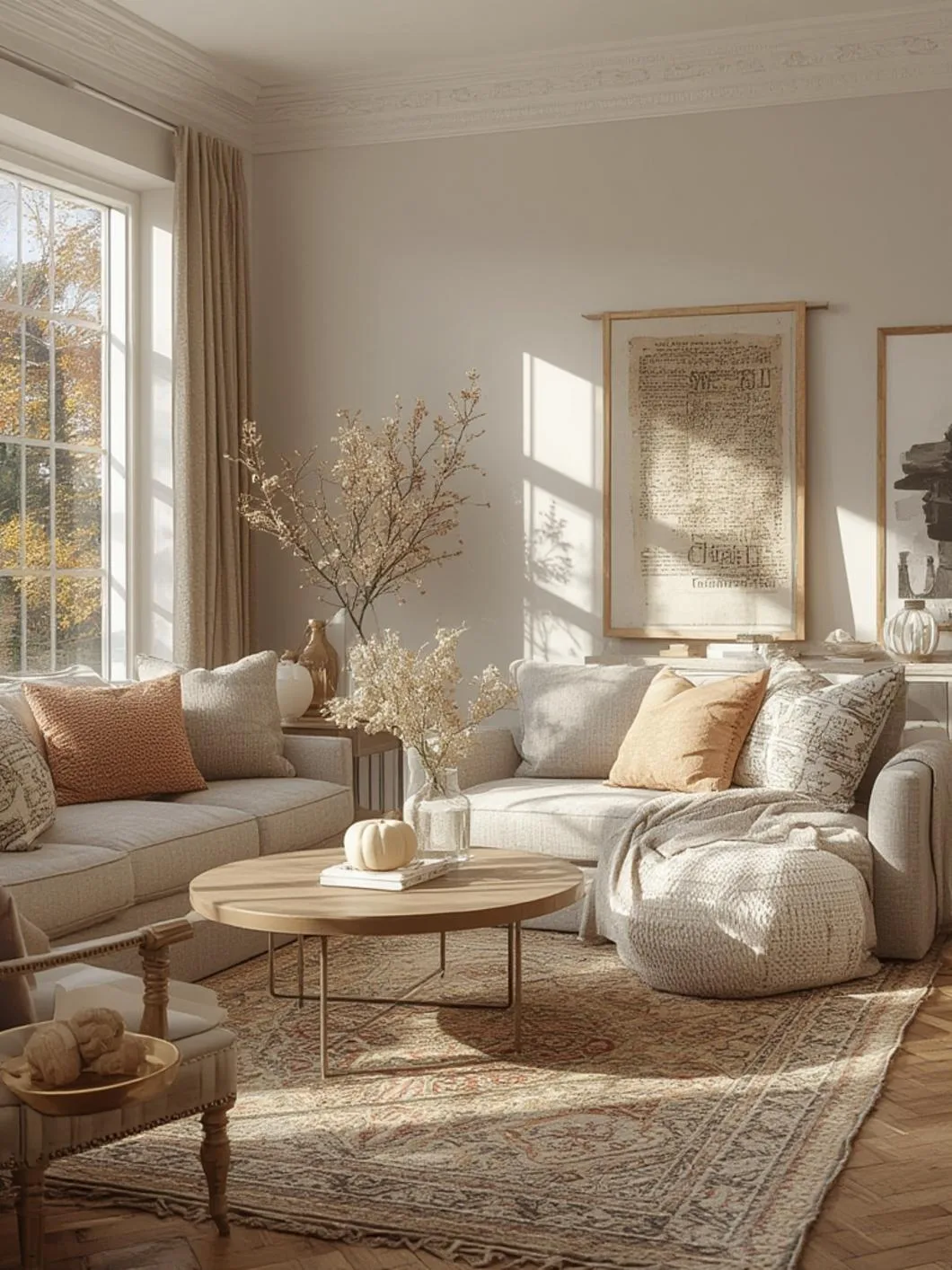
Decorating Tips for Fall: 7 Stunning Ideas for a Cozy Home
As the leaves begin to change and temperatures drop, our homes become sanctuaries of warmth and comfort. Are you ready to transform your space into an autumn haven that embraces the season’s rich textures and colors? This year’s decorating tips for fall focus on creating spaces that balance aesthetic appeal with practical comfort, bringing nature’s warmth indoors.
Whether you’re looking to completely refresh your home or simply add a few seasonal touches, these fall home decor ideas will guide you through creating spaces that feel both trendy and timeless. With thoughtful planning and strategic styling, you can create a cozy autumn retreat that welcomes both family and guests with seasonal charm.
Table of Contents
Design Concept Overview
The fall design aesthetic centers around creating a sense of warmth, comfort, and natural abundance. This concept draws inspiration from nature’s autumnal palette rich ambers, deep burgundies, burnt oranges, forest greens, and earthy neutrals. The overall mood should evoke feelings of coziness and tranquility, perfect for those increasingly chilly evenings spent indoors.
Fall design works particularly well in living rooms, entryways, and dining spaces where gathering happens naturally. The concept balances rustic and refined elements, incorporating natural materials with subtle seasonal motifs. Unlike holiday-specific decor, autumn styling focuses on transitional elements that can carry your home from September through November without feeling dated or overly thematic.
Materials, Colors & Key Elements
Essential Materials:
– Natural fibers: wool, cotton, linen, and jute
– Organic elements: dried botanicals, pinecones, acorns, branches
– Warm metals: brass, copper, and antiqued gold
– Wood tones: walnut, oak, and maple
– Ceramic and earthenware vessels
Color Palette:
– Foundation: warm neutrals (cream, taupe, camel)
– Accent colors: burnt orange, mustard yellow, olive green, burgundy, rust
– Metallics: copper, brass, and bronze for subtle shimmer
Key Decor Elements:
– Layered textiles: chunky knit throws, plaid blankets, velvet pillows
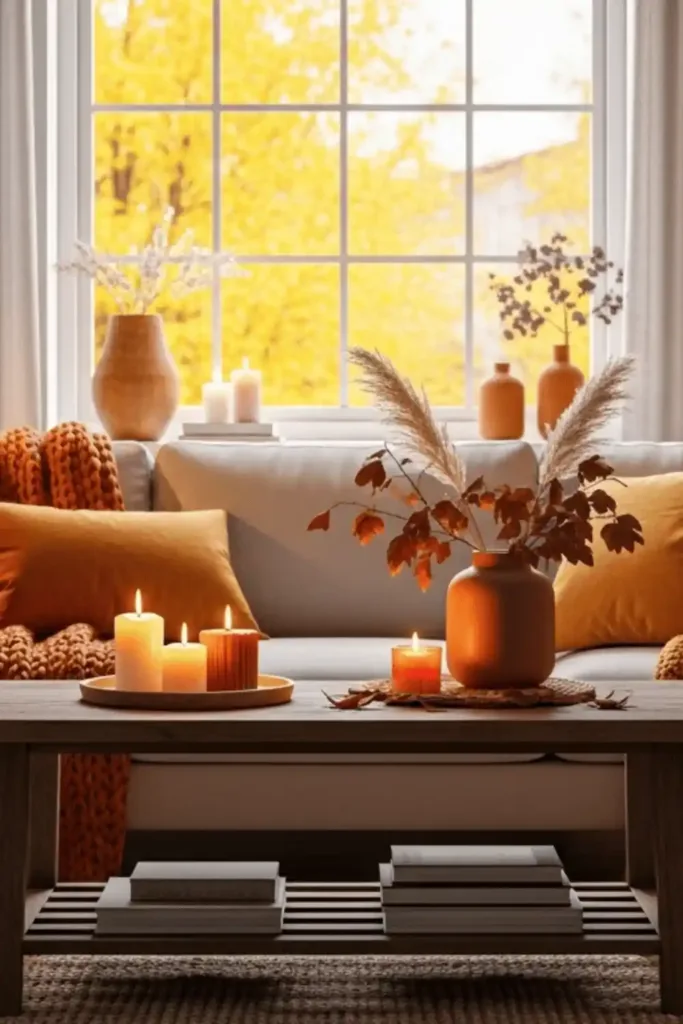
– Mood lighting: amber-toned bulbs, candles, string lights
– Botanical arrangements: wheat stalks, dried hydrangeas, preserved leaves
– Functional decor: woven baskets, wooden bowls, ceramic pitchers
– Scent elements: cinnamon, apple, cedarwood, and pumpkin spice candles
Budget-friendly alternatives include DIY dried arrangements, thrifted brass vessels, and repurposed textiles in seasonal colors. Consider natural elements foraged from outdoor spaces as free decorative items with authentic seasonal charm.
Timing, Budget & Planning
Fall decorating typically begins in late August or early September, allowing for a full season of enjoyment before holiday decorations emerge. For comprehensive fall styling, plan for:
– Basic refresh (new pillows, throws, tabletop items): $100-200
– Moderate update (includes new textiles, lighting, and key decor): $300-500
– Complete seasonal transformation (furniture updates, major decor changes): $800-1,500+
For apartments and smaller spaces, focus on impactful pieces rather than numerous small items, which can create visual clutter. Consider multi-functional items like storage ottomans in fall fabrics or a statement throw that provides both decoration and comfort.
Planning timeline:
– 2-4 weeks before: Assess current decor, develop color scheme, create shopping list
– 2-3 weeks before: Deep clean spaces, purchase major items
– 1 week before: Add textiles and primary decor elements
– Final days: Add fresh or perishable elements (pumpkins, gourds, fresh arrangements)
For renters and budget-conscious decorators, emphasize temporary elements like removable wallpaper, interchangeable pillow covers, and freestanding decor rather than permanent installations.
Step-by-Step Guide
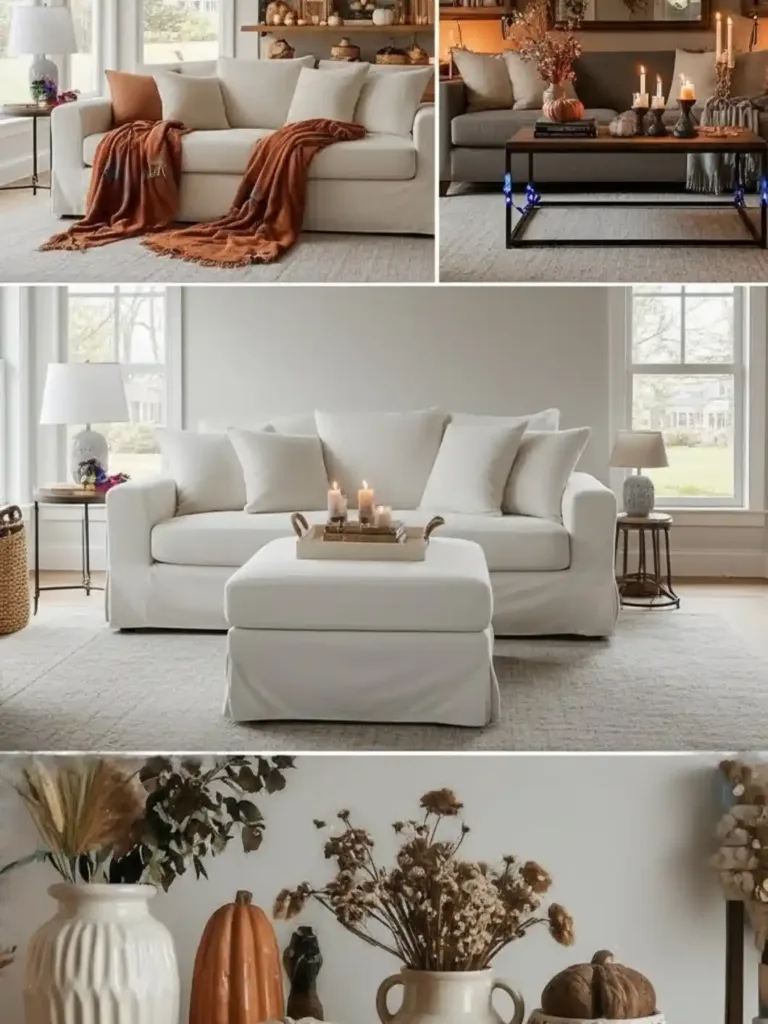
1. Start with a seasonal clean-out: Remove summer decor and lightweight textiles, creating a neutral foundation for fall elements.
2. Layer textiles strategically: Begin with heavier curtains, then add area rugs, sofa throws, and finally accent pillows in coordinating autumn colors.
3. Create a welcoming entryway: Arrange a fall vignette with a mix of pumpkins (fabric, ceramic, and real), a seasonal wreath, and a weather-appropriate doormat.
4. Develop warm lighting schemes: Switch bright bulbs for warmer tones, add string lights in glass containers, and position candles at varying heights for dimension.
5. Style horizontal surfaces in odd numbers: On coffee tables, consoles, and mantels, arrange items in groups of three or five, varying heights and textures.
6. Bring autumn to the dining area: Center tables with low arrangements of seasonal elements, flanked by candlesticks or lanterns that won’t block conversation.
7. Transform the fireplace area: Create a focal point with a layered mantel display featuring mirrors, artwork, candles, and subtle decorating tips for fall elements like preserved leaves or small pumpkins.
8. Add sensory elements: Incorporate seasonal scents through candles, simmer pots, or essential oil diffusers with cinnamon, apple, and cedarwood notes.
9. Create cozy corners: Designate reading or relaxation nooks with extra pillows, throws, and ambient lighting to encourage seasonal nesting.
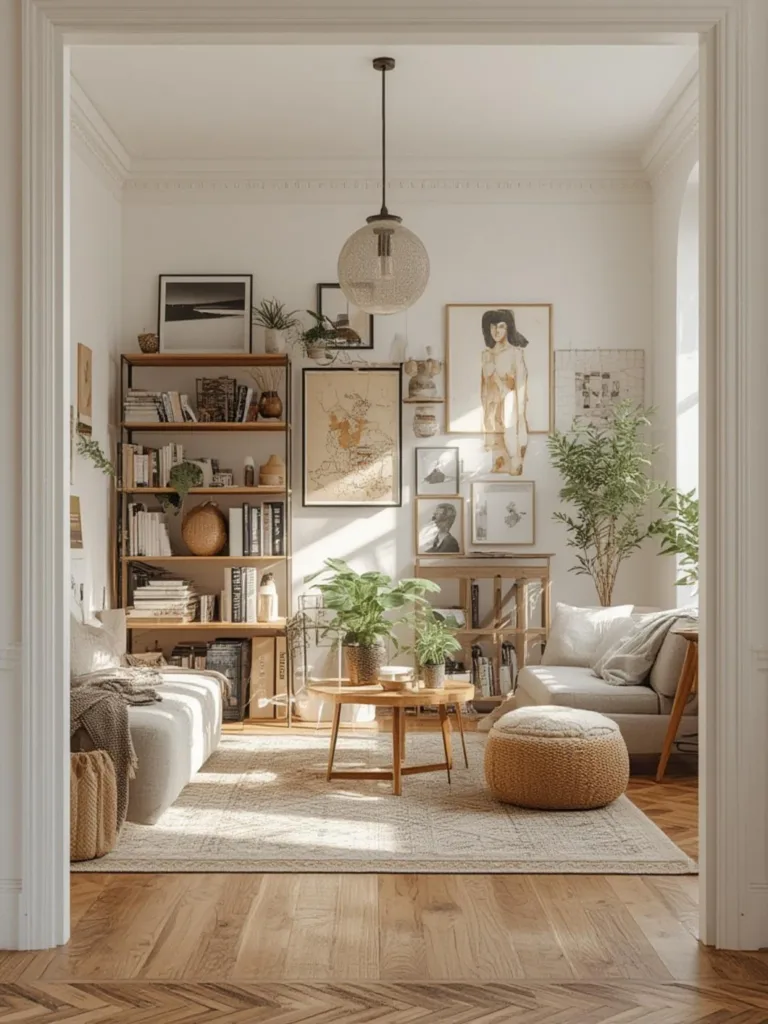
10. Incorporate subtle fall home decor ideas: Add seasonal artwork, swap out bathroom hand towels, and place small seasonal touches in unexpected areas like bookshelves.
Benefits & Functional Advantages
Beyond aesthetic appeal, fall decorating serves practical purposes for the changing season:
Enhanced Comfort: Heavier textiles and layered fabrics help maintain warmth as temperatures drop, potentially reducing heating costs.
Improved Ambiance: Warmer lighting creates a more relaxing environment, countering the effects of decreasing natural daylight hours.
Mood Enhancement: Seasonal decor can combat autumn melancholy by creating environments that feel intentionally cozy rather than simply dark.
Entertaining Readiness: Fall decor sets the stage for seasonal gatherings, creating conversation starters and memorable environments for guests.
Connection to Nature: Bringing natural elements indoors helps maintain a connection to the outdoors when weather limits outside time.
Seasonal Mindfulness: Thoughtfully changing your environment promotes awareness of seasonal shifts and appreciation for the present moment.
Alternative Styles & Customization Ideas
Modern Minimalist Fall
– Focus on clean lines and subtle textures
– Limit color palette to 2-3 hues
– Choose architectural vessels in fall colors
– Incorporate single-stem dried botanicals
– Use metallic accents sparingly for maximum impact
Bohemian Autumn
– Layer multiple textiles with global patterns
– Mix metallics freely
– Incorporate macramé elements in warmer tones
– Display collections of varied pumpkins and gourds
– Add dried pampas grass and oversized botanicals
Farmhouse Fall
– Emphasize white backgrounds with pops of orange
– Incorporate galvanized metals and distressed woods
– Add plaid and buffalo check patterns
– Display vintage harvest tools as wall art
– Use whitewashed pumpkins and natural corn husks
Luxe Autumn
– Focus on rich velvets and brocade fabrics
– Choose jewel tones: emerald, amethyst, and sapphire
– Incorporate marble, brass, and smoked glass
– Display artistic interpretations of seasonal elements
– Add feathers and pheasant motifs for sophisticated texture
Small Space Solutions
– Use vertical arrangements to maximize impact without floor space
– Focus on scent and lighting changes rather than large decor items
– Choose multi-functional seasonal items (decorative baskets that provide storage)
– Create window displays that enjoy natural light without consuming interior space
Common Mistakes to Avoid
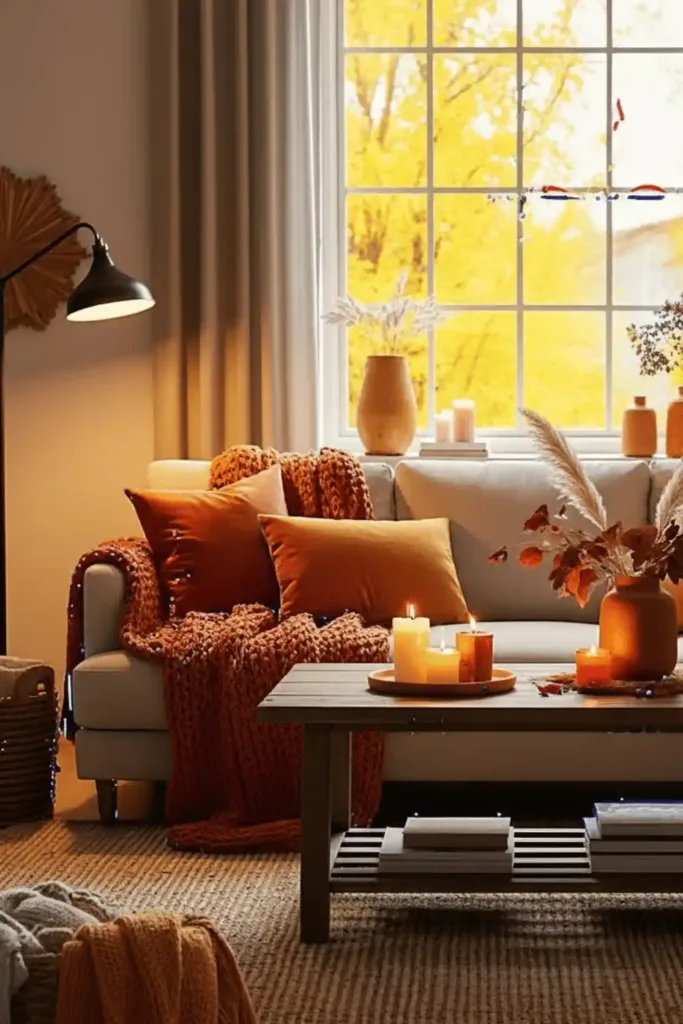
Overcrowding Surfaces
Problem: Filling every surface with seasonal decor creates visual chaos.
Solution: Follow the “rule of three” for smaller surfaces, leaving breathing room between groupings.
Neglecting Lighting Changes
Problem: Keeping bright summer lighting undermines cozy fall atmosphere.
Solution: Layer lighting with table lamps, floor lamps, and candles; switch to warmer bulbs (2700K-3000K).
Ignoring Transitions
Problem: Abrupt decorating changes feel jarring rather than seasonal.
Solution: Begin with subtle changes in September, building to peak autumn decor in October before transitioning toward winter elements in late November.
Overlooking Textural Variety
Problem: Using only one type of material (like all smooth ceramics) creates flat, uninteresting displays.
Solution: Combine rough (woven baskets), smooth (polished metals), soft (textiles), and natural (wooden) elements in each vignette.
Focusing Only on Traditional Fall Motifs
Problem: Overusing pumpkins, leaves, and traditional motifs can feel cliché.
Solution: Incorporate seasonal colors and textures in unexpected ways, like amber glass vessels, copper hardware, or textured wall art.
Maintenance & Longevity Tips
To keep your fall decor looking fresh throughout the season:
Preserve Natural Elements: Spray dried leaves, pinecones, and branches with clear matte fixative to prevent shedding and extend longevity.
Rotate Perishables: Replace real pumpkins and gourds before they deteriorate; consider starting with green pumpkins that will naturally turn orange over time.
Protect Textiles: Use fabric protector spray on new seasonal pillows and throws to guard against spills during holiday gatherings.
Create Storage Systems: Invest in proper storage containers for seasonal items, using color-coded bins and vacuum bags for textiles.
Plan for Transitions: Design core autumn displays that can easily transition to Thanksgiving or winter holidays by swapping select elements rather than complete redecoration.
Refresh Mid-Season: Around mid-October, evaluate displays and refresh arrangements, replacing any tired elements and adding new seasonal touches to maintain interest.
Conclusion
Transforming your home for autumn doesn’t require a complete redesign it’s about thoughtfully layering elements that engage the senses and create an atmosphere of comfort. The most successful decorating tips for fall focus on creating spaces that feel authentic to your lifestyle while embracing the season’s natural warmth and texture.
By approaching your seasonal decor with intention, focusing on quality over quantity, and incorporating elements that bring genuine comfort, you’ll create spaces that feel welcoming throughout the autumn months.
Remember that the best fall home decor ideas are those that make you feel at home spaces that encourage lingering conversations, quiet moments of reflection, and the simple joy of being surrounded by beauty as the world outside transitions toward winter.
FAQs
What’s the ideal time to put up fall decorations?
Early to mid-September is typically ideal for initial fall decor, allowing you to enjoy the season fully before holiday decorating begins. Consider a gradual approach, adding layers as temperatures drop and replacing summer elements progressively rather than all at once.
How can I create fall ambiance in a small apartment?
Focus on impactful changes like switching textiles (pillows, throws, curtains), adding warm lighting through candles and string lights, and incorporating scent elements. Vertical arrangements on walls and doors maximize impact without consuming limited floor space.
What fall decor items offer the best value for my budget?
Textiles provide the biggest impact for your investment. Quality throw pillows and blankets in seasonal colors can be used for years and stored efficiently. Natural elements foraged from outdoor spaces (pinecones, branches, leaves) cost nothing but add authentic seasonal charm.
How do I incorporate fall colors if they don’t match my existing decor?
Look for neutral interpretations of fall colors camel instead of orange, forest green instead of bright red, or warm gray instead of brown. Alternatively, focus on textures (woven elements, wood tones) and metallic accents (copper, bronze) that suggest autumn without strong color commitments.
When should I transition from general fall decor to Thanksgiving-specific decorations?
Most designers recommend maintaining general fall decor through early November, then incorporating Thanksgiving-specific elements about two weeks before the holiday. This approach maximizes your decorating investment while acknowledging important celebrations.