Tiny Home Interior: 7 Proven Ideas to Maximize Space
Have you ever wondered how to transform a compact living area into a stylish, functional haven? The growing popularity of downsizing has sparked a creative revolution in the world of interior design. With urban housing prices climbing and environmental consciousness rising, more people are embracing the challenge and charm of a tiny home interior that maximizes every square inch without sacrificing aesthetics.
These small-scale dwellings demonstrate that with clever space-saving solutions, you can create a home that feels surprisingly spacious, incredibly cozy, and undeniably stylish. Let’s explore how to make the most of minimal square footage with maximum impact.
Table of Contents
Design Concept Overview
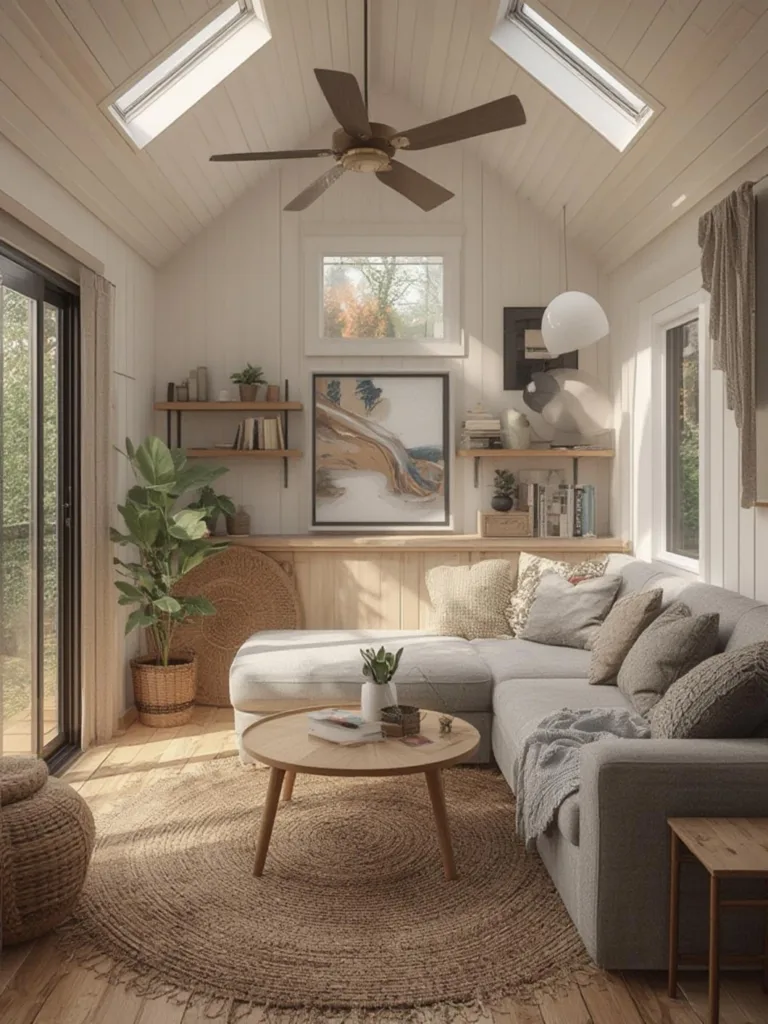
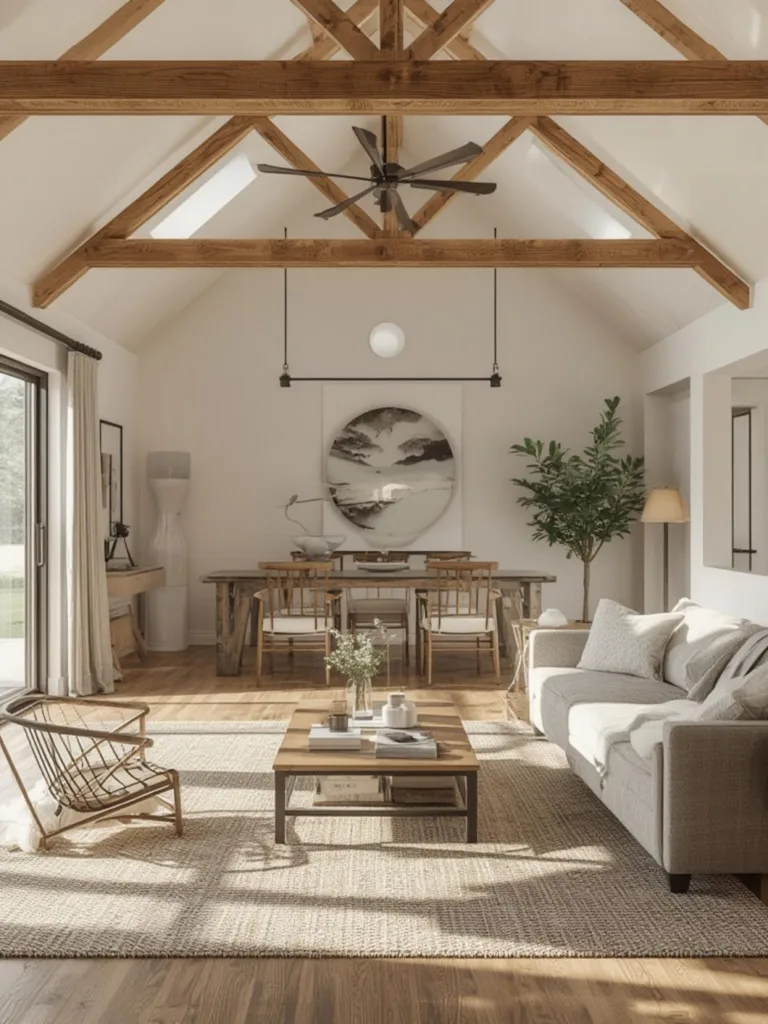
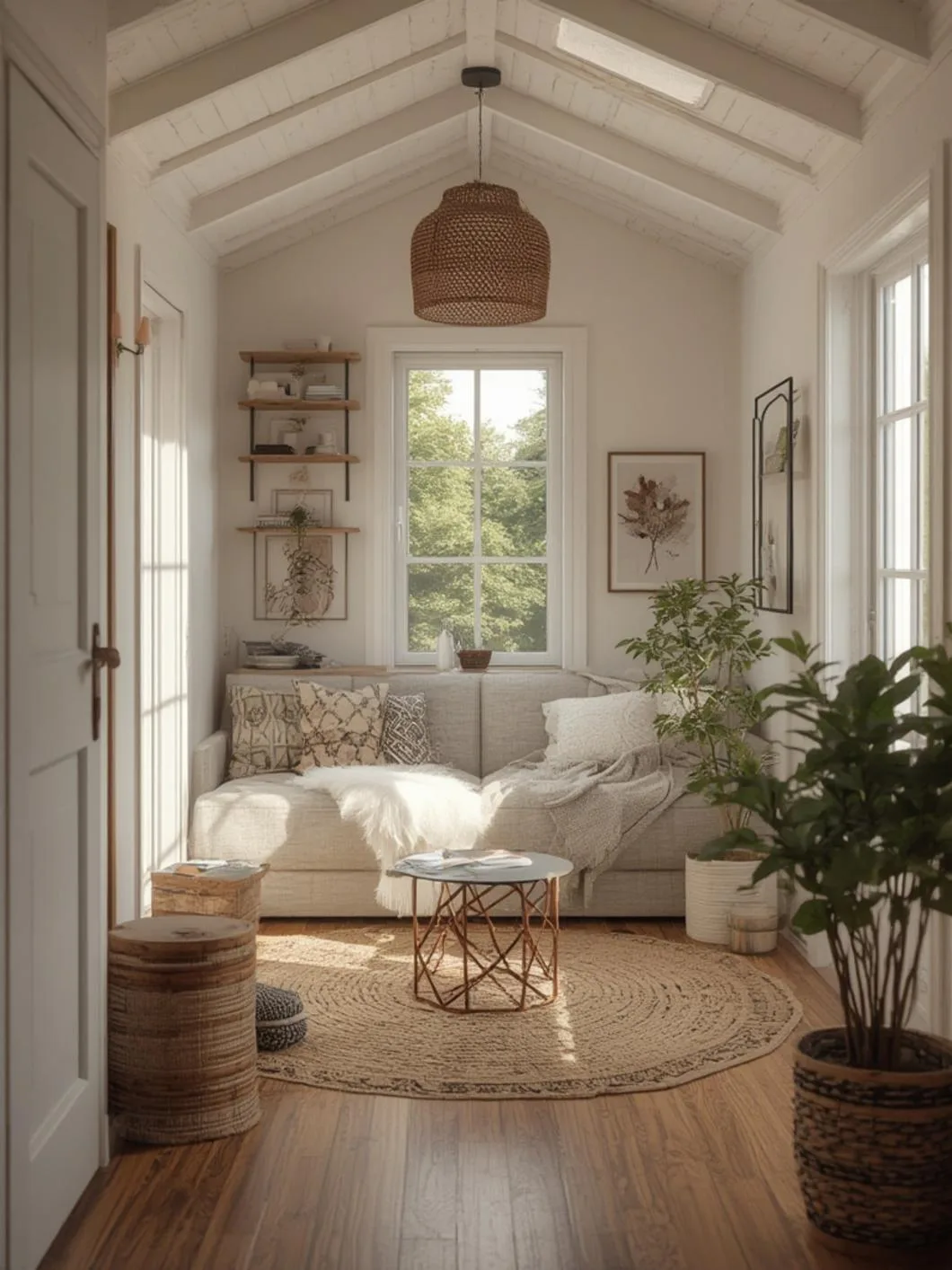
The cornerstone of successful tiny home design centers on thoughtful minimalism with intentional touches. Unlike traditional homes where space allowances might permit decorative excess, tiny homes thrive on a “less is more but make it meaningful” philosophy. The most successful compact interiors typically embrace a cohesive design language—whether Scandinavian-inspired with its clean lines and light wood tones, modern industrial with space-defining metal elements, or warm bohemian with carefully curated textiles.
The ideal tiny home aesthetic creates visual continuity that helps spaces feel larger, with careful attention to scale. Color palettes typically lean toward light neutrals with strategic pops of color to create depth without overwhelming the limited visual field. These designs work exceptionally well in urban apartments, accessory dwelling units (ADUs), converted vans or buses, and purpose-built tiny homes on wheels.
Materials, Colors & Key Elements
Materials
- Lightweight visual materials: Glass, acrylic, and translucent elements that don’t visually weigh down the space
- Multipurpose furniture: Sofa beds, extendable tables, nesting side tables
- Natural elements: Wood, stone, and plants to create warmth and connection to nature
- Reflective surfaces: Mirrors, glass backsplashes, and polished metals to bounce light
Color Palette
- Base palette: Whites, creams, light grays, and soft beiges to expand visual space
- Accent colors: Selective use of bolder hues in removable elements (pillows, artwork)
- Monochromatic schemes: Tonal variations of a single color to create depth without fragmentation
Key Elements
- Built-ins: Custom storage solutions that utilize otherwise wasted spaces
- Vertical storage: Tall, narrow shelving units and wall-mounted options
- Multi-functional pieces: Ottoman storage, Murphy beds, drop-leaf tables
- Strategic lighting: Combination of ambient, task, and accent lighting to define zones
Budget alternatives include repurposing furniture with paint or new hardware, using tension rods and under-shelf baskets for non-permanent storage solutions, and investing in quality fabric room dividers instead of building permanent walls.
Timing, Budget & Planning
Planning a tiny home interior requires more precision than designing for larger spaces, as every inch matters. Allow approximately:
- Initial planning and design: 4-8 weeks for measuring, research, and creating a detailed floor plan
- Sourcing materials and furniture: 2-4 weeks, depending on availability
- Implementation: 2-12 weeks, depending on the extent of customization
Budget considerations vary based on the level of customization:
- Budget-friendly approach ($1,000-$5,000): Focus on multipurpose furniture, DIY solutions, and strategic organization systems
- Mid-range investment ($5,000-$15,000): Some custom built-ins, quality space-saving furniture, and moderate renovations
- High-end tiny living ($15,000+): Fully customized solutions, high-quality transforming furniture, and premium finishes
For apartment dwellers, renters should prioritize free-standing solutions that can move with you, while homeowners might consider more permanent built-in options. Student housing and micro-apartments benefit from modular systems that can adapt to changing needs.
Step-by-Step Guide
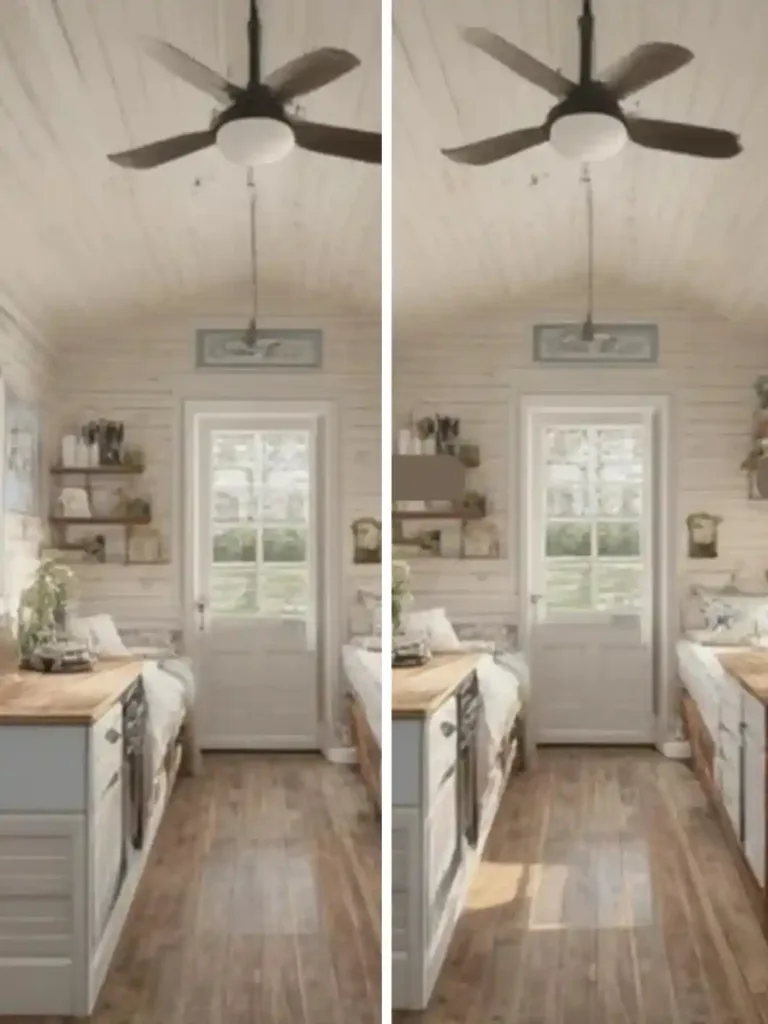
1. Assess and Measure Your Space
* Create a detailed floor plan with precise measurements
* Note locations of windows, doors, outlets, and fixed elements
* Identify “dead zones” that could be activated with custom solutions
2. Define Functional Zones
* Map out areas for sleeping, eating, working, and relaxing
* Consider traffic flow between zones
* Determine which zones can overlap through convertible furniture
3. Design Vertical Solutions
* Plan storage that extends to the ceiling
* Consider overhead storage in transitional areas
* Utilize wall space with floating shelves and hanging systems
4. Select Multifunctional Furniture
* Choose pieces that serve at least two purposes
* Prioritize items that can be collapsed or expanded as needed
* Look for space-saving furniture with built-in storage
5. Implement a Cohesive Design Scheme
* Select a consistent color palette that flows throughout
* Choose scaled-down versions of furniture (apartment-sized vs. full-sized)
* Create visual continuity with repeating materials and finishes
6. Maximize Light and Create Visual Expansion
* Install mirrors strategically to double visual space
* Select light-filtering window treatments that maximize natural light
* Ensure each zone has adequate task lighting
7. Add Personality Without Clutter
* Select fewer but more meaningful decorative items
* Rotate seasonal decor rather than displaying everything at once
* Incorporate art that adds depth or creates a visual “window”
8. Optimize for Your tiny home interior Lifestyle
* Customize storage for your specific hobbies and activities
* Create dedicated “homes” for frequently used items
* Install charging stations and tech solutions that eliminate cord clutter
Benefits & Functional Advantages
Living in a thoughtfully designed tiny space offers numerous benefits beyond just saving on rent or mortgage:
- Reduced environmental impact: Smaller spaces require less energy to heat and cool
- Lower maintenance requirements: Less square footage means less time cleaning and maintaining
- Financial freedom: Reduced housing costs can allow for more experiences or savings
- Forced intentionality: Limited space encourages mindful consumption and curating only what you truly value
- Simplified lifestyle: Less time managing possessions translates to more time for experiences
- Design cohesion: Smaller spaces are easier to design with a consistent aesthetic
- Efficiency in daily routines: Well-designed tiny spaces reduce wasted movement and streamline activities
Many tiny home dwellers report increased satisfaction with their living environment when it’s designed specifically for their needs rather than adapting to a conventional layout.
Alternative Styles & Customization Ideas
The beauty of tiny home design is its adaptability to personal style preferences:
- Minimalist Japanese: Emphasizing natural materials, hidden storage, and transforming furniture
- Scandinavian Hygge: Focusing on cozy textiles, warm woods, and multi-purpose built-ins
- Industrial Compact: Utilizing pipe shelving, metal accents, and exposed structural elements
- Bohemian Tiny: Incorporating textiles for visual interest, wall-hanging storage, and plants
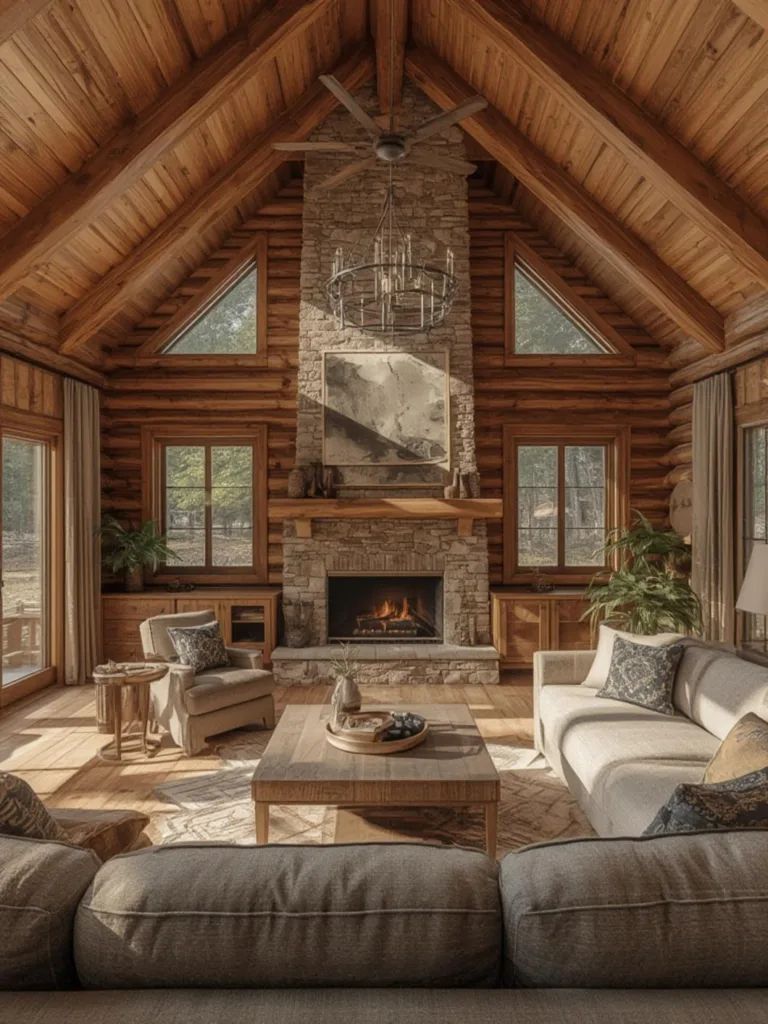
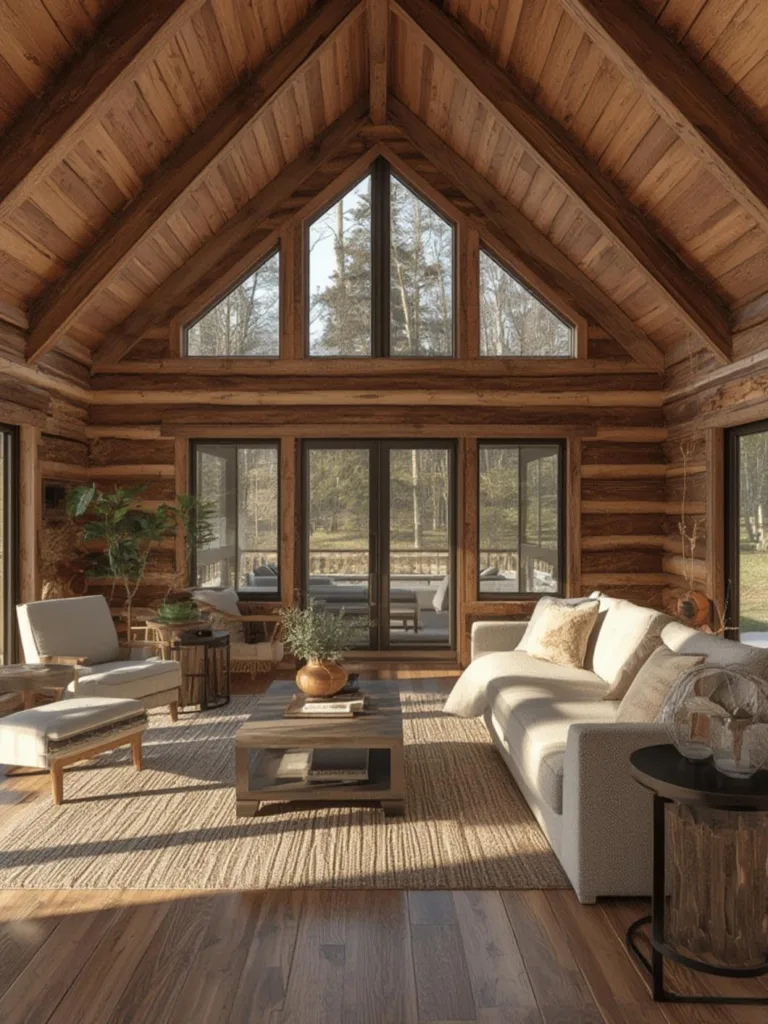
- Rustic Small-Scale: Featuring reclaimed wood, vintage containers for storage, and warm textures
Adaptation strategies for specific situations:
- Studio apartments: Room dividers that double as storage, ceiling-mounted curtain systems
- Family tiny homes: Bunk solutions, convertible play areas, and designated zones for privacy
- Home office integration: Fold-down desks, converting closets to work nooks, vertical file systems
- Pet-friendly small spaces: Built-in feeding stations, integrated pet beds, hidden litter solutions
Common Mistakes to Avoid
1. Overfilling the space
Solution*: Follow the “one in, one out” rule when acquiring new items
Alternative*: Schedule quarterly decluttering sessions
2. Choosing oversized furniture
Solution*: Select apartment-scale furniture with exposed legs
Alternative*: Create paper templates to test furniture footprints before purchasing
3. Neglecting vertical space
Solution*: Install storage that reaches to the ceiling
Alternative*: Use tension pole systems for rentals
4. Poor lighting placement
Solution*: Layer lighting with ambient, task, and accent sources
Alternative*: Use plug-in wall sconces to free up surface space
5. Ignoring transition spaces
Solution*: Add hooks, small shelves, and storage to entryways and hallways
Alternative*: Install over-door organizers and hanging systems
6. Visual clutter through mismatched styles
Solution*: Stick to a consistent color scheme and material palette
Alternative*: Paint mismatched furniture pieces the same color
Maintenance & Longevity Tips
Maintaining an organized tiny home requires consistent habits:
- Daily reset routine: Spend 10 minutes each evening returning items to their designated homes
- Seasonal rotation: Store off-season clothing and items in vacuum bags under beds or sofas
- One-touch rule: Handle mail and papers once, immediately deciding to act, file, or recycle
- Digital solutions: Scan documents rather than keeping paper copies
- Regular purging schedule: Evaluate possessions quarterly, releasing what’s no longer serving you
To keep your tiny space looking fresh over time:
- Invest in washable slipcovers that can be cleaned or changed seasonally
- Choose modular storage systems that can be reconfigured as needs change
- Select classic, durable furniture pieces for permanent items
- Update with smaller, inexpensive accessories rather than major pieces
- Plan for technological evolution with adaptable charging and workspace solutions
Conclusion
Creating a beautiful, functional tiny home interior is both an art and a science—requiring thoughtful planning, creative solutions, and a willingness to rethink conventional living arrangements. The rewards, however, are substantial: a personalized sanctuary that supports your lifestyle while reducing financial burden and environmental impact. The best small space designs incorporate clever space-saving solutions that turn limitations into opportunities for innovation. Whether you’re downsizing by choice or necessity, the principles outlined here can help transform even the most modest footprint into a home that feels surprisingly spacious and undeniably yours.
FAQs
What’s the minimum square footage needed for a comfortable tiny home?
While some tiny houses are as small as 100 square feet, most people find 250-400 square feet more livable long-term. The key is efficient layout rather than just size—a well-designed 250 sq ft space can feel more comfortable than a poorly designed 400 sq ft one.
How can I create privacy in an open-concept tiny home?
Utilize room dividers that double as storage, install ceiling tracks for curtains that can be opened or closed as needed, use furniture placement to define zones, and incorporate sound-absorbing materials to create acoustic privacy even when visual privacy is limited.
What are the most worthwhile investments for a tiny home interior?
The best return on investment typically comes from high-quality, multi-functional furniture (especially beds and seating), custom built-in storage that maximizes unusual spaces, excellent lighting systems, and durable, easy-to-clean surfaces that will stand up to concentrated use.
How do I prevent my tiny space from feeling cluttered?
Implement the “one in, one out” rule, choose furniture with clean lines and visible floor space underneath, maintain consistent color schemes, provide hidden storage for small items, and keep surfaces 50% clear. Regular decluttering sessions are essential for tiny living.
Can a tiny home work for families with children?
Absolutely! Families in tiny homes typically benefit from creative sleeping arrangements (bunk systems, lofts, convertible spaces), designated storage for each family member, outdoor living extensions when possible, and clear household systems for managing possessions.