Best way to grow Spider plant: 5 tips Spider plant
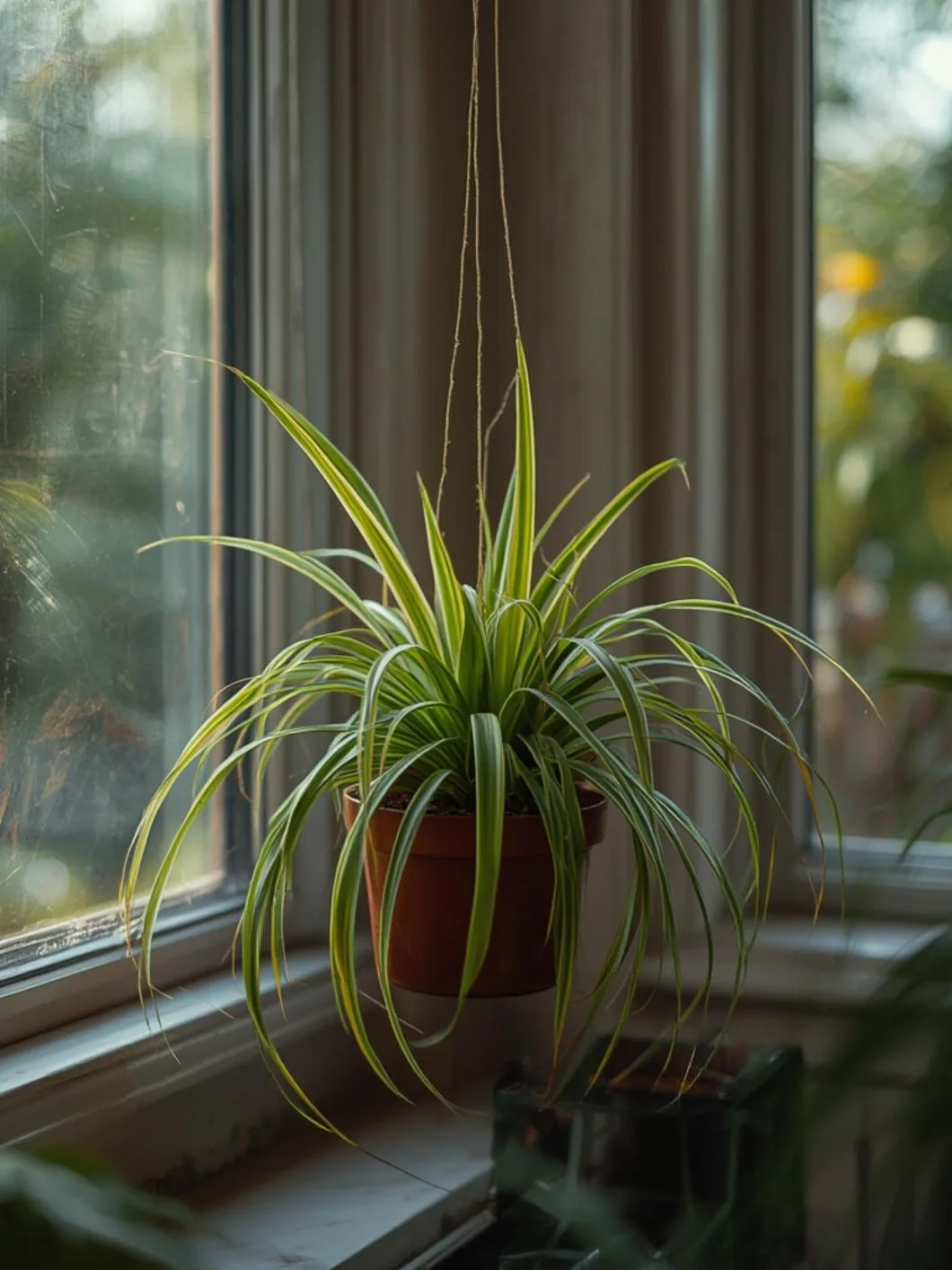
Have you been looking for an easy-to-maintain houseplant that adds a touch of elegance to your living space? Look no further than the Spider plant! This popular indoor plant, known scientifically as Chlorophytum comosum, is beloved for its arching green and white striped leaves and air-purifying capabilities. Understanding spider plant care is surprisingly straightforward, making it perfect for both beginning and experienced plant enthusiasts. With minimal effort, you can enjoy the cascading beauty of this adaptable houseplant while benefiting from its natural ability to cleanse your indoor environment.
Table of Contents
Materials & Supplies
Before you begin growing your spider plant, gather these essential materials:
1. Spider Plant: Either a mature plant from a garden center or a spider plantlet (baby) from an existing plant.
2. Potting Container: A medium-sized pot (6-8 inches) with drainage holes.
3. Potting Mix: Well-draining potting soil; a mix designed for houseplants works perfectly.
4. Watering Can: For controlled watering.
5. Plant Scissors or Pruning Shears: For trimming dead leaves and harvesting plantlets.
6. Spray Bottle: For misting (optional).
7. Plant Food: Balanced liquid fertilizer (10-10-10 or similar).
8. Decorative Pot Cover or Saucer: To catch excess water (optional).
9. Plant Hanger: If you wish to display your plant in a hanging basket.
10. Plant Support Stakes: For larger specimens (optional).
Timing / Growing Schedule
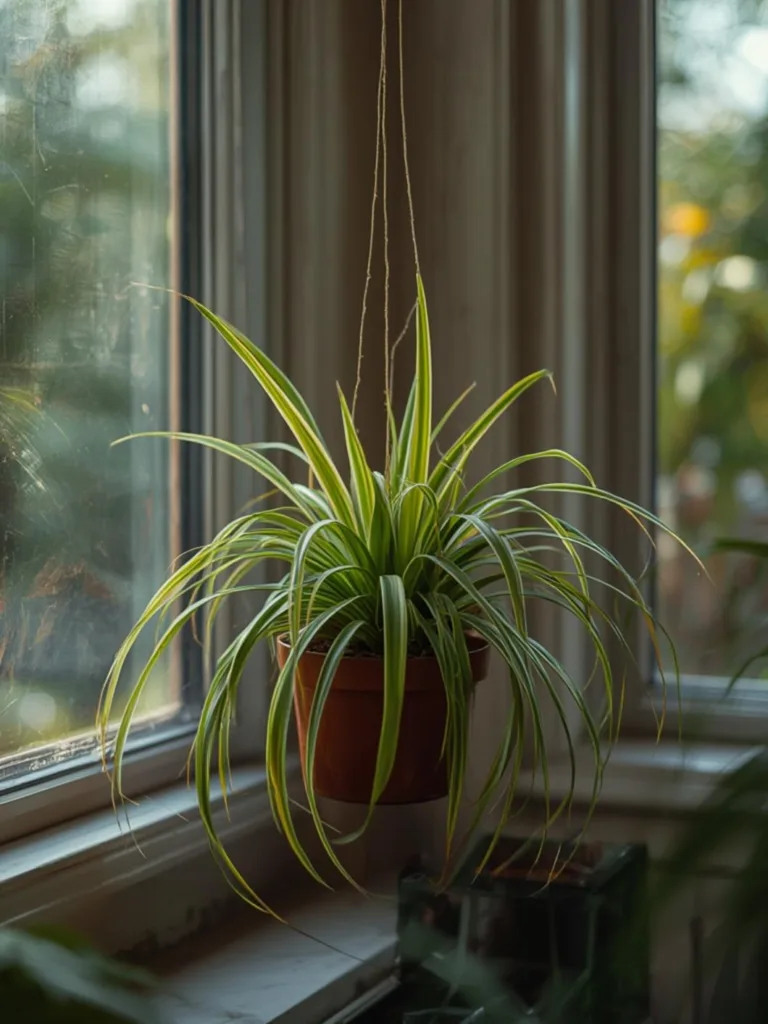
Spider plants can be started any time of year when grown indoors, which is one of their many advantages. Here’s what to expect:
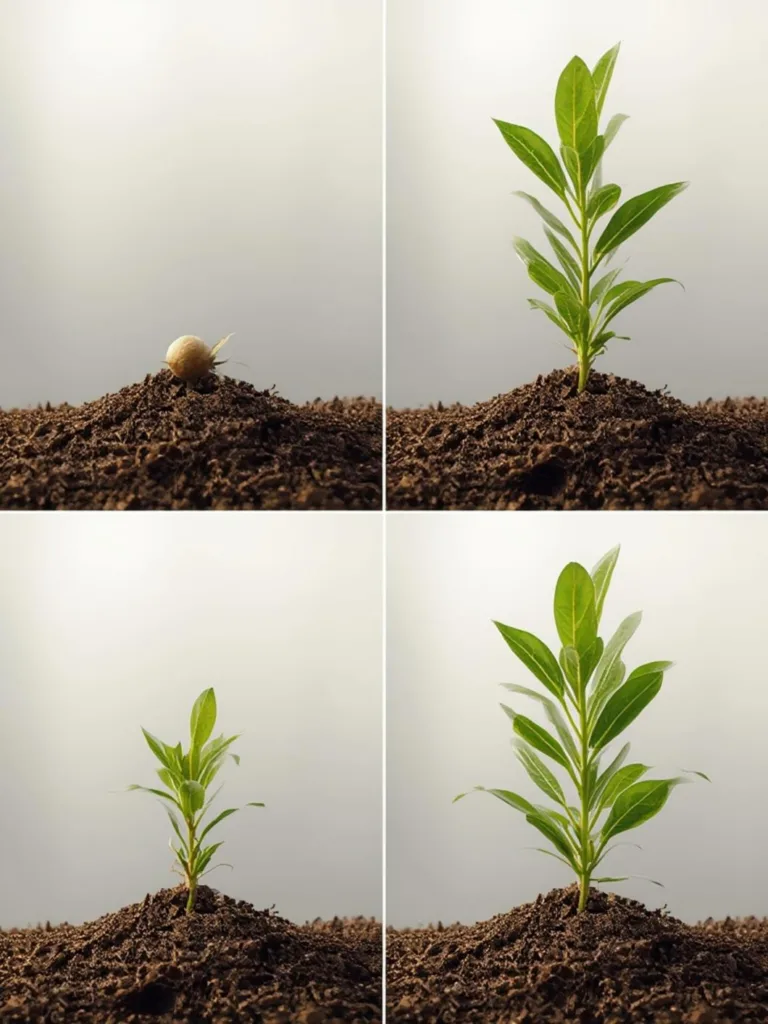
– Initial Establishment: 2-4 weeks for a new plant to adapt to its environment.
– Growth Rate: Moderate growth during spring and summer; slower in fall and winter.
– Baby Production: After about 1 year (or sooner if mature), spider plants begin producing plantlets on long stems.
– Repotting Schedule: Every 1-2 years, preferably in spring.
– Fertilizing Timeline: Monthly during growing season (spring through early fall); none needed in winter.
Spider plants reach maturity faster than many houseplants, often filling out their containers within 6-12 months. Their rapid growth makes them particularly satisfying for impatient gardeners!
Step-by-Step Instructions
1. Selecting and Positioning Your Spider Plant
Choose a location with bright, indirect light. The Spider plant can tolerate lower light conditions but thrives with more brightness (without direct sun that can scorch leaves). A north or east-facing window is ideal. For optimal spider plant care, maintain temperatures between 65-75°F (18-24°C) and moderate humidity.
Pro Tip: Rotate your plant quarter-turn weekly to encourage even growth and prevent it from leaning toward the light source.
2. Planting and Potting
Select a container with drainage holes that’s slightly larger than the root ball. Fill the bottom third with well-draining potting mix. Remove the plant from its nursery container, gently loosen the roots, and position in the center of the new pot. Fill around the sides with soil, pressing gently to eliminate air pockets. Leave about half an inch of space below the rim for watering.
Pro Tip: Adding a thin layer of pebbles at the pot’s bottom improves drainage and prevents root rot.
3. Watering Routine
Allow the top 1-2 inches of soil to dry out between waterings. Spider plants prefer to dry slightly rather than remain constantly moist. Water thoroughly until it drains from the bottom, discarding any water that collects in the saucer. In winter, reduce watering frequency as growth slows.
Pro Tip: Use filtered or distilled water if possible, as spider plants are sensitive to fluoride and chlorine in tap water, which can cause brown leaf tips.
4. Fertilizing
Feed your plant with a balanced liquid fertilizer diluted to half strength once a month during the growing season (spring through early fall). Skip fertilizing in winter when growth naturally slows.
Pro Tip: If you notice pale leaves, your plant might need more nutrients, while burned leaf edges often indicate over-fertilization.
5. Propagating Spider Plantlets
When your plant matures, it will produce baby plants (spiderettes) on long stems. To propagate:
– Wait until the baby develops small roots.
– Leave it attached to the mother plant and place it on moist soil in a small pot positioned nearby.
– Once established (2-3 weeks), cut the connecting stem.
– Alternatively, cut the plantlet and root it in water before potting.
Pro Tip: Keep the soil consistently moist (not wet) for new plantlets until they establish strong roots.
Nutritional Benefits / Advantages
While spider plants aren’t edible, they offer remarkable environmental and health benefits:
1. Air Purification: NASA studies confirm spider plants effectively remove toxins like formaldehyde, xylene, and carbon monoxide from indoor air.
2. Improved Humidity: S. plants release moisture through transpiration, naturally humidifying dry indoor environments.
3. Stress Reduction: Research suggests that interacting with houseplants, including spider plants, reduces psychological stress and blood pressure.
4. Sustainable Décor: As they produce plantlets, this plants offer an eco-friendly way to multiply your greenery or share with friends without additional purchases.
5. Allergy Reduction: By improving air quality, S. plants may help reduce symptoms for allergy sufferers.
Tips, Alternative Methods, or Gardening Advice
Different Growing Methods
1. Hanging Baskets: The classic display method, allowing plantlets to cascade dramatically.
2. Tabletop Planters: Shorter, more compact specimens make excellent table centerpieces.
3. Terrarium Growing: Mini varieties work well in enclosed glass containers.
4. Outdoor Cultivation: In zones 9-11, spider plants can grow outdoors in shaded areas.
5. Water Growing: This plants can be maintained in water alone for extended periods.
Special Considerations
– Variegated vs. Solid Green: Variegated varieties (with white stripes) need more light than solid green types to maintain their coloration.
– Pet Safety: While considered non-toxic, some cats may be attracted to spider plants’ mildly hallucinogenic properties. Keep plants elevated if this is a concern.
– Small Spaces: For apartments, consider wall-mounted planters to display this plants without sacrificing floor space.
– Humidity Boosting: Group spider plants with other houseplants to create a microclimate with higher humidity.
Common Mistakes to Avoid
1. Overwatering
* Problem: Soggy soil leads to root rot, yellowing leaves, and eventual plant death.
* Solution: Water only when the top 1-2 inches of soil feel dry to the touch. Ensure pots drain fully after watering.
2. Improper Light Exposure
* Problem: Too little light causes leggy growth; direct sunlight burns leaves.
* Solution: Place in bright, indirect light. If leaves appear pale, move closer to a light source.
3. Using Heavy Potting Soil
* Problem: Dense soil retains too much moisture and lacks aeration.
* Solution: Choose well-draining potting mix or add perlite to regular potting soil.
4. Ignoring Brown Tips
* Problem: Continuing brown leaf tips often indicate fluoride toxicity or low humidity.
* Solution: Use filtered water and increase humidity by misting or using a humidifier.
5. Over-fertilizing
* Problem: Excess fertilizer causes burned leaf edges and salt buildup.
* Solution: Fertilize only monthly during growing season with diluted solution.
Storage / Maintenance Tips
Regular Maintenance
1. Pruning: Trim brown leaf tips with clean scissors. Remove entirely yellow or dead leaves at the base.
2. Cleaning: Dust leaves monthly with a damp cloth to ensure proper photosynthesis and prevent pest issues.
3. Dividing: Every 2-3 years, divide overgrown plants during repotting to rejuvenate growth.
4. Pest Management: Inspect regularly for mealybugs and spider mites. Treat infestations with insecticidal soap or neem oil.
Seasonal Care
– Spring/Summer: Increase watering frequency and begin fertilization schedule.
– Fall/Winter: Reduce watering and stop fertilizing. Move plants away from cold windows and drafts.
– Year-Round: Maintain moderate humidity and rotate plants periodically for even growth.
Conclusion
The Spider plant is truly one of the most rewarding houseplants available, offering beauty, air-purifying benefits, and the joy of watching baby plantlets develop with minimal effort. By following the simple spider plant care guidelines outlined in this guide, you’ll enjoy a thriving, lush plant that can potentially remain with you for decades.
Whether you’re decorating a dorm room, office, or home, these adaptable plants bring a touch of natural elegance to any space while continuously improving your air quality. Why not start your plant journey today? Share your growing experiences in the comments below or explore our other houseplant guides to expand your indoor garden!
FAQs
Why are my spider plant’s leaves turning brown at the tips?
Brown tips typically result from fluoride in tap water, low humidity, or salt buildup from fertilizer. Switch to filtered water, increase humidity, and flush the soil occasionally by watering thoroughly until water runs freely from drainage holes.
How often should I repot my spider plant?
Repot young, actively growing spider plants annually in spring. Mature plants can go 2-3 years between repotting. Choose a pot only 1-2 inches larger than the current container to prevent overwatering issues.
Can spider plants survive in low light conditions?
Yes, this plants tolerate low light but won’t thrive. In insufficient light, growth slows, variegation fades, and the plant produces fewer plantlets. They perform best in bright, indirect light but will survive in less optimal conditions.
Why isn’t my mature spider plant producing babies?
This Plants typically produce plantlets when slightly root-bound in bright light. If your plant isn’t producing spiderettes, ensure it receives adequate light, isn’t over-potted, and is mature enough (usually at least one year old). Seasonal factors also affect plantlet production, which typically increases in spring and summer.
Are spider plants safe for pets?
Spider plants are non-toxic to dogs and cats according to the ASPCA, though they contain compounds that can cause mild hallucinations in cats, making them attractive for cats to chew. Consider hanging plants out of reach if your cat shows interest in nibbling the leaves.