How to Grow 5 Plants with Urban Gardening
Have you ever dreamed of growing your own lush green oasis but thought your limited space was a deal-breaker? Urban living doesn’t have to mean sacrificing the joy of nurturing plants and harvesting your own produce. With the rising popularity of urban gardening techniques, city dwellers are transforming balconies, windowsills, and even walls into productive green spaces.
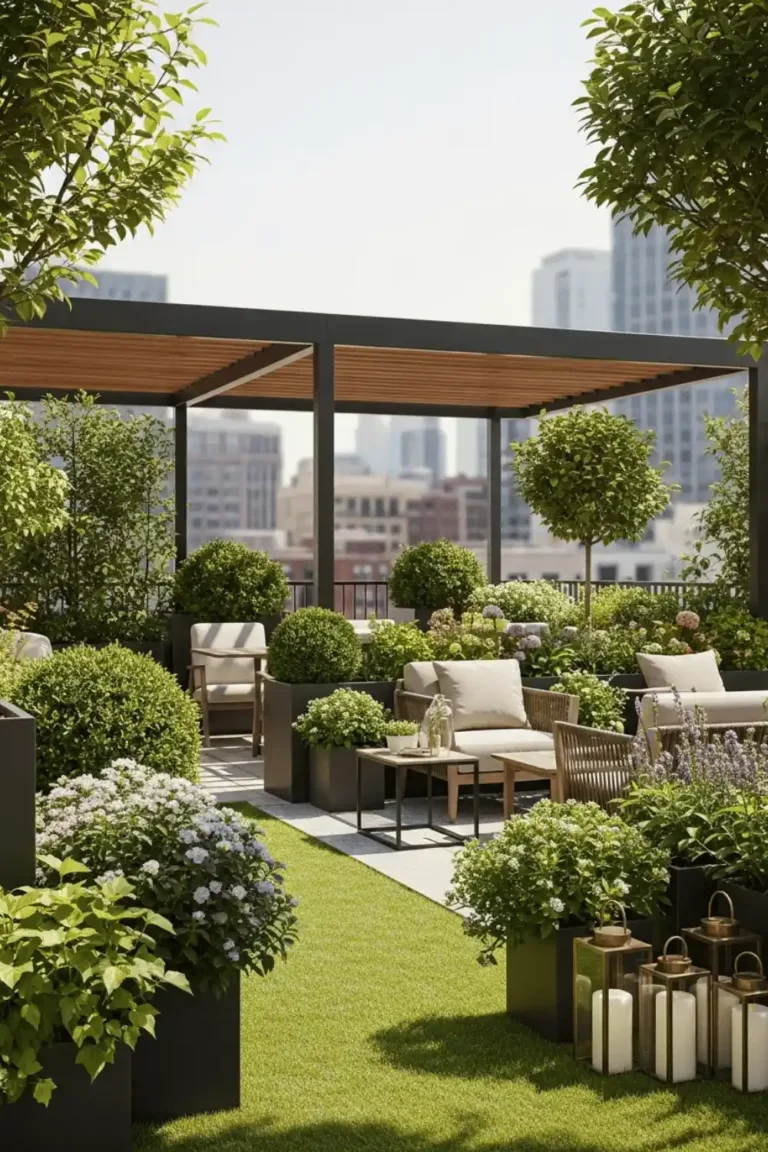
This trend isn’t just about aesthetics, it’s a practical approach to sustainability, mental wellbeing, and connecting with nature. Similarly, rooftop gardening has emerged as an innovative solution for maximizing unused spaces in densely populated areas, creating green sanctuaries above the city bustle.
Table of Contents
Design Concept Overview
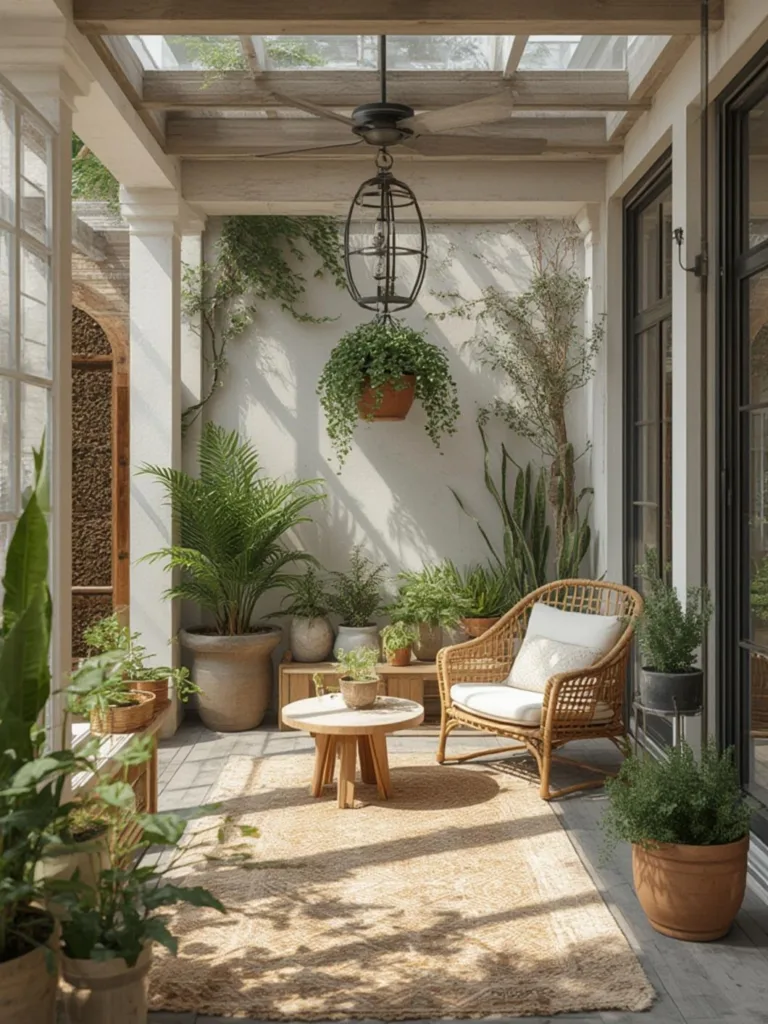
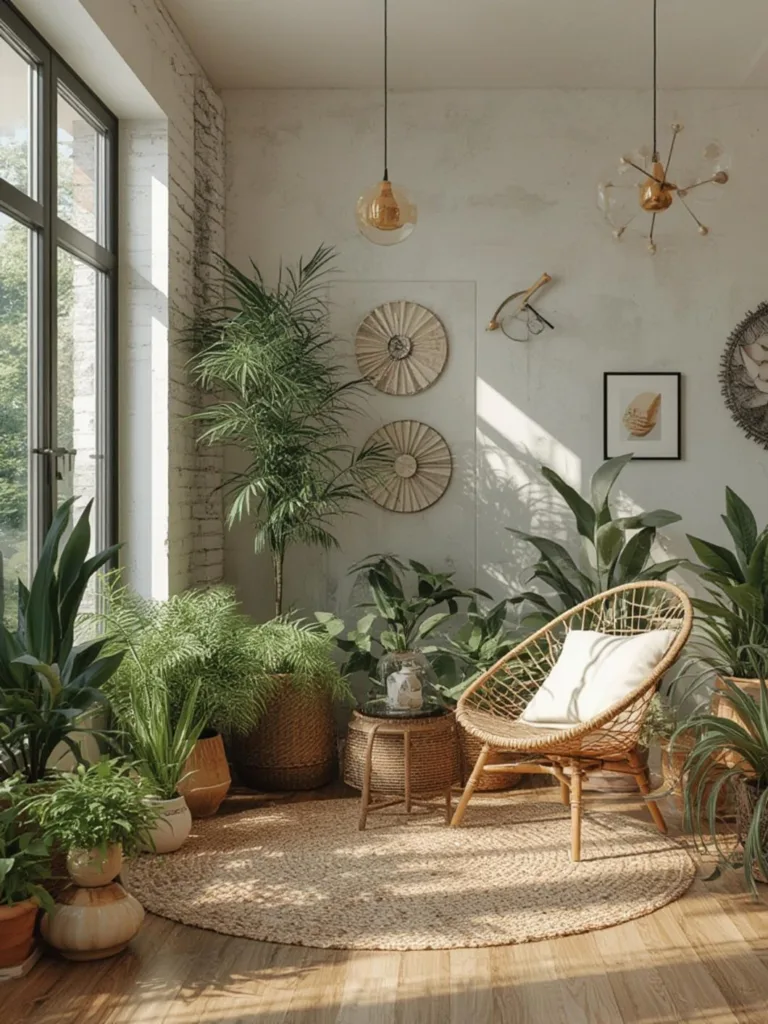
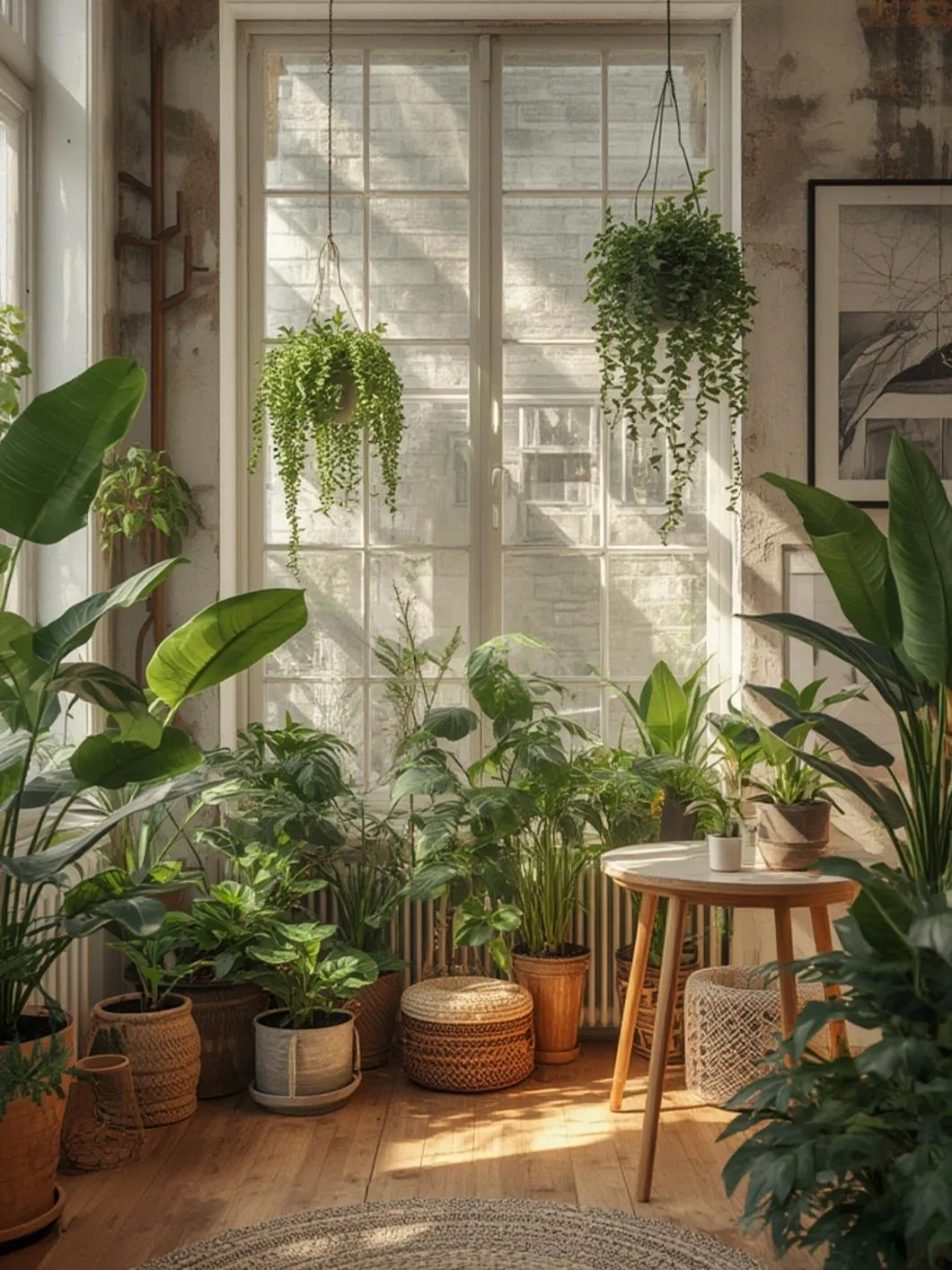
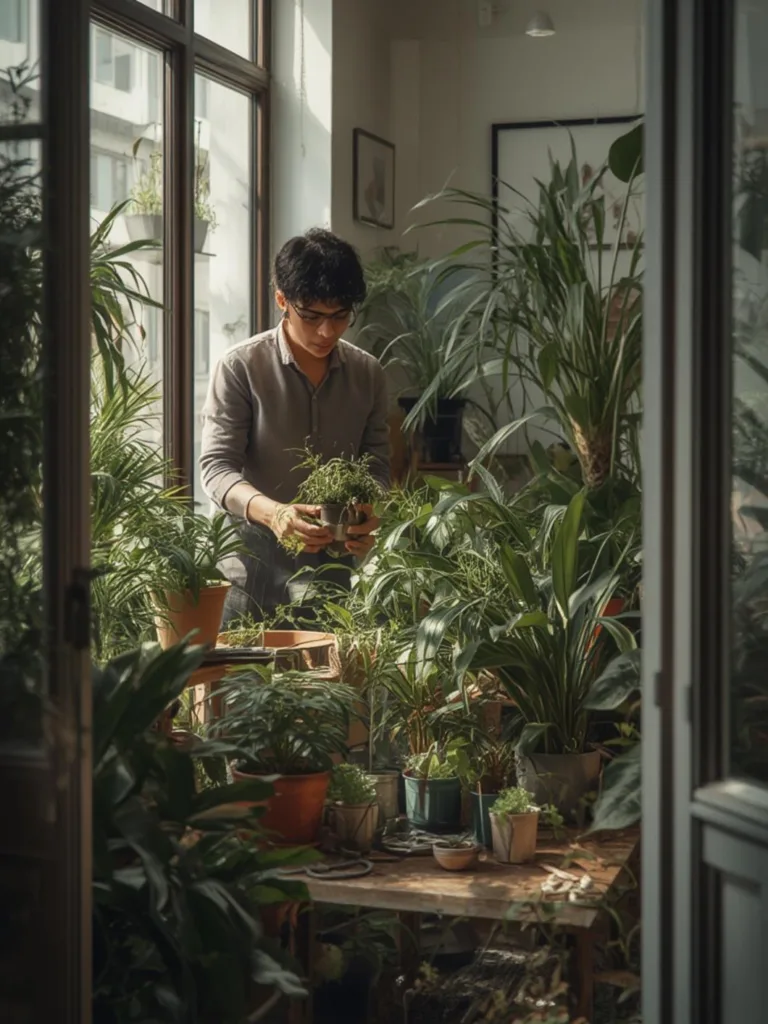
The modern urban garden concept embraces vertical thinking, multi-functional elements, and space-efficient designs. Unlike traditional gardens, urban green spaces focus on maximizing every square inch through creative container arrangements, vertical systems, and strategic plant selection. The aesthetic typically balances functionality with visual appeal think neat rows of herbs in sleek containers, vertical wall planters with cascading greens, or compact raised beds with carefully planned companion plantings.
The overall mood evokes tranquility and productivity, with color palettes that often include natural tones (terracotta, wood, stone) paired with the vibrant greens of plants and colorful produce. This gardening approach works brilliantly in apartments, townhomes, small yards, balconies, and even fire escapes anywhere with access to adequate light and a bit of creativity.
Materials, Colors & Key Elements
To create your own small-space garden, you’ll need these essential elements:
Containers and Planters:
– Self-watering containers (perfect for busy urbanites)
– Fabric grow bags (affordable and collapsible for storage)
– Railing planters and window boxes (maximizing edge spaces)
– Vertical wall systems (for ultimate space efficiency)
– Tiered plant stands (creates multiple growing levels)
Growing Media:
– High-quality potting soil (avoid garden soil which compacts in containers)
– Coco coir (sustainable alternative to peat moss)
– Vermiculite or perlite for drainage
– Organic compost for nutrients
Support Systems:
– Trellises, stakes, and cages for climbing plants
– Hanging systems for overhead space utilization
– Wall-mounted grids for vertical growing
Color Palette:
– Natural terracotta and clay tones
– Modern monochromatic schemes (white, black, gray containers)
– Bright accent colors for visual interest
– Mixed metals (copper, galvanized steel) for industrial-chic looks
Budget-Friendly Alternatives:
– Repurposed containers (food-safe buckets, old colanders, wooden crates)
– DIY self-watering systems using recycled bottles
– Community seed exchanges instead of purchasing plants
– Propagating new plants from cuttings or divisions
Timing, Budget & Planning
Budget Considerations:
– Entry-level setup: $50-150 (basic containers, soil, seeds, minimal tools)
– Mid-range setup: $150-300 (quality containers, irrigation system, variety of plants)
– Premium setup: $300-500+ (designer planters, automated systems, mature plants)
Planning Timeline:
– Research and design: 2-3 weeks (assessing light conditions, selecting plants)
– Initial setup: 1-2 weekends (purchasing materials, setting up containers)
– Establishment period: 4-8 weeks (allowing plants to establish before full production)
Space-Specific Planning:
– Balconies (25-50 sq ft): Focus on weight restrictions, wind exposure, and railing systems
– Windowsills (3-10 sq ft): Prioritize herbs and compact plants with appropriate light needs
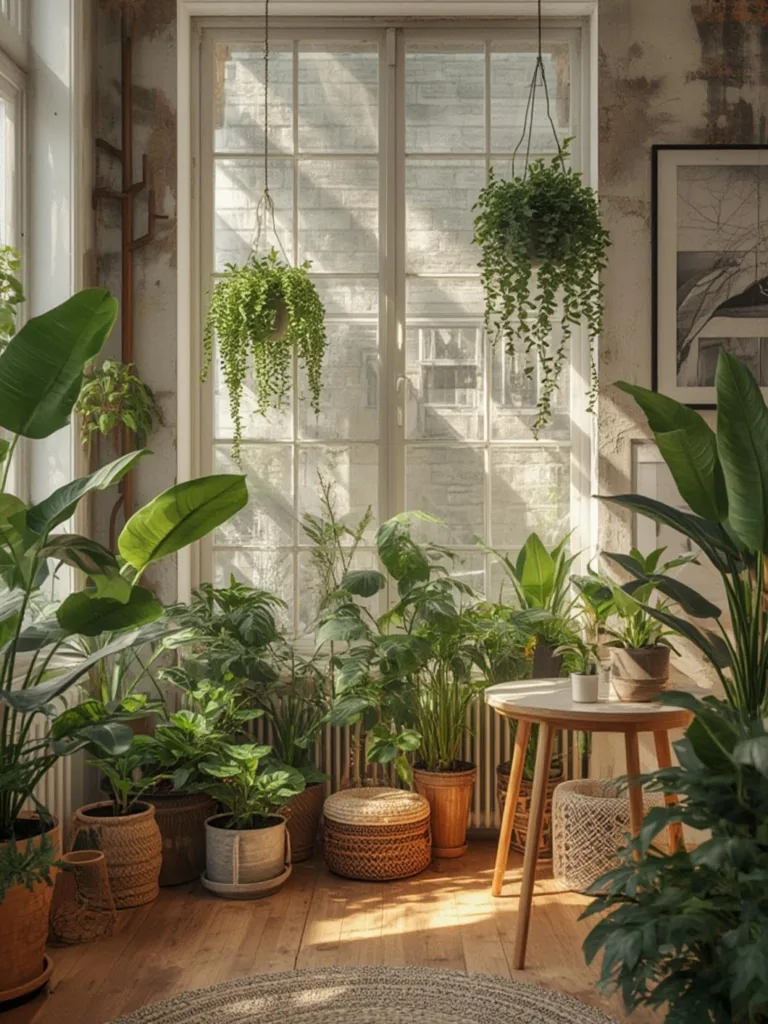
– Indoor spaces: Incorporate grow lights, humidity considerations, and mess management
– Tiny apartments: Emphasize dual-purpose furniture with growing spaces and wall systems
When planning, always map out your space first, measuring available areas and noting light conditions throughout the day. This preparation saves money and prevents purchasing unsuitable plants or systems for your specific conditions.
Step-by-Step Guide
1. Assess Your Environment
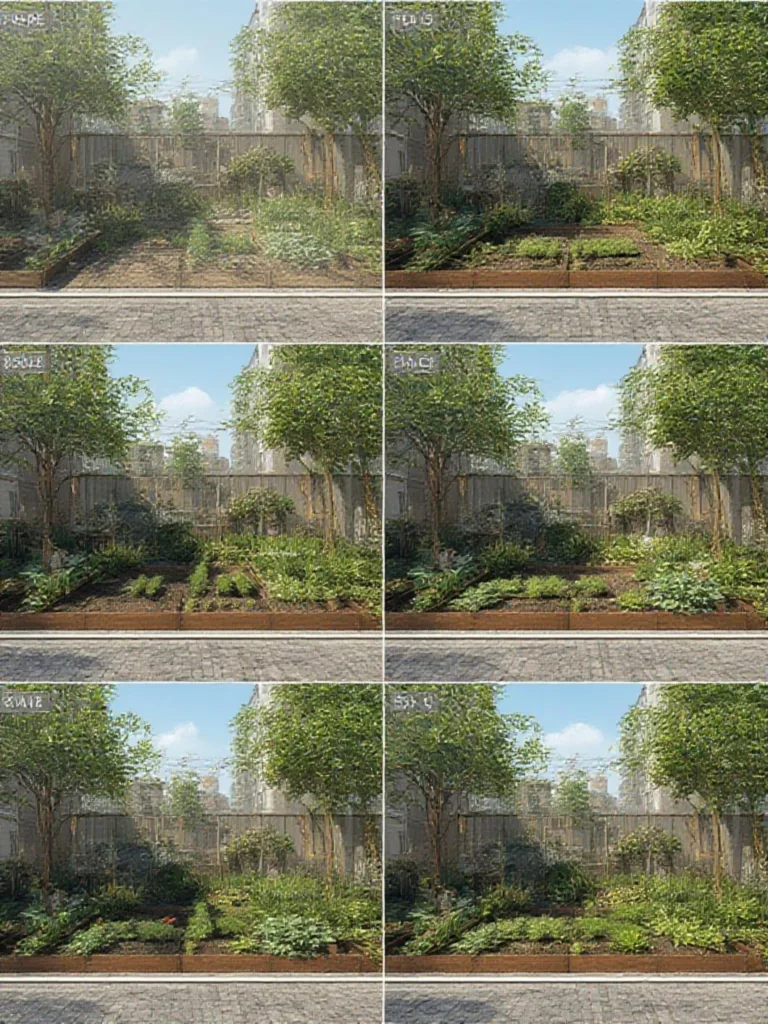
– Map sunlight patterns (minimum 6 hours for vegetables, 3-4 for many herbs)
– Evaluate weight restrictions for balconies or rooftops
– Identify water access points and potential drainage issues
– Consider microclimates (reflective walls, wind tunnels, heat traps)
2. Design Your Space
– Sketch layout with designated zones based on plant needs
– Plan vertical elements to maximize growing area
– Ensure access for maintenance and harvesting
– Create seating or relaxation areas within the garden
3. Select Appropriate Plants
– Choose compact varieties bred for containers
– Group plants with similar water and light requirements
– Incorporate companions that deter pests or enhance growth
– For beginners, start with resilient herbs and greens before attempting challenging crops
4. Set Up Your Growing System
– Ensure proper drainage in all containers (drill holes if needed)
– Create reservoir systems for consistent watering
– Install trellises and supports before planting climbers
– Position plants according to height (taller in back, shorter in front)
5. Implement Efficient Irrigation
– Install drip systems or self-watering mechanisms for consistent moisture
– Create water collection systems to harvest rainfall
– Group plants with similar water needs to prevent over/under watering
The beauty of urban gardening lies in its adaptability to your unique space. Similarly, rooftop gardening requires thoughtful planning to address exposure and weight concerns, but rewards with unparalleled views and growing conditions.
Benefits & Functional Advantages
Creating a small-space garden offers numerous benefits beyond mere aesthetics:
Health Benefits:
– Access to fresh, nutritious produce
– Improved air quality through plant filtration
– Reduced stress and anxiety through therapeutic gardening activities
– Connection with natural cycles and seasonal rhythms
Environmental Advantages:
– Reduced food miles and carbon footprint
– Creation of microhabitats for pollinators and beneficial insects
– Mitigation of urban heat island effect
– Improved rainwater absorption and reduced runoff
Practical Benefits:
– Money savings on expensive herbs and specialty produce
– Waste reduction through composting opportunities
– Educational opportunities for children and adults
– Enhanced property value and appeal
Space Optimization:
– Utilization of previously unproductive areas
– Creation of visual screens and privacy barriers
– Noise reduction in urban environments
– Temperature moderation around living spaces
Alternative Styles & Customization Ideas
Adapt your small-space garden to your personal style and needs:
Minimalist Approach:
– Monochromatic containers with geometric forms
– Limited palette of plants with architectural qualities
– Clean lines and negative space emphasis
– Focus on form over variety
Cottage Garden Style:
– Mixed plantings with abundant flowers and herbs
– Vintage and repurposed containers
– Informal, romantic arrangements
– Emphasis on pollinators and beneficial insects
Modern Industrial:
– Metal containers, concrete planters
– Stark contrasts between plant materials and containers
– Grid-like organization and repetition
– Emphasis on structural plants and clean lines
Edible Landscapes:
– Integration of ornamentals with food plants
– Tiered plantings for maximum production
– Emphasis on continuous harvesting through succession planting
– Focus on culinary themes (pizza garden, salsa garden, etc.)
Children’s Gardens:
– Sensory plants for touching, smelling
– Quick-growing varieties for immediate gratification
– Whimsical containers and garden decorations
– Plants that attract butterflies and beneficial insects
Common Mistakes to Avoid
1. Underestimating Sunlight Requirements
– Solution: Track sun patterns before planting; use sun-mapping apps
– Adapt plant choices to actual conditions rather than wishful thinking
2. Inadequate Drainage
– Solution: Ensure all containers have drainage holes; elevate containers on feet
– Add drainage materials to container bottoms; monitor for waterlogging
3. Overcrowding Plants
– Solution: Follow spacing guidelines even in containers
– Practice succession planting instead of placing everything at once
4. Improper Container Sizing
– Solution: Match container depth to root needs (deeper for root vegetables)
– Consider mature plant size, not just seedling dimensions
5. Neglecting Soil Quality
– Solution: Invest in quality potting mix, not garden soil
– Replenish nutrients regularly with appropriate fertilizers or compost
6. Ignoring Weight Considerations
– Solution: Calculate filled container weights for balconies and rooftops
– Consider lightweight alternatives like coir and foam-based growing media
Maintenance & Longevity Tips
Sustain your urban garden with these essential maintenance practices:
Regular Monitoring:
– Check moisture levels daily during hot periods
– Inspect for pests and diseases twice weekly
– Observe plant vigor and signs of nutrient deficiencies
Seasonal Tasks:
– Spring: Refresh growing media, start warm-season crops
– Summer: Maintain regular watering, harvest frequently, provide shade when needed
– Fall: Plant cool-season crops, prepare for winter protection
– Winter: Maintain indoor gardens, plan next season, repair systems
System Maintenance:
– Clean containers annually to prevent disease buildup
– Flush irrigation systems monthly to prevent clogs
– Replace growing media partially or completely each season
– Sanitize tools between uses to prevent disease spread
Longevity Strategies:
– Rotate crops even in containers to prevent pest buildup
– Incorporate beneficial companion plants to deter common pests
– Practice preventative rather than reactive pest management
– Document successes and failures for continuous improvement
Conclusion
Small-space urban gardening represents much more than a trendy hobby it’s a revolutionary approach to reconnecting with our food systems and natural world despite space limitations. By implementing the strategies outlined above, even the smallest balcony or windowsill can transform into a productive, beautiful growing space that nourishes both body and spirit. The techniques of rooftop gardening and container cultivation demonstrate that gardening is no longer restricted to those with traditional yards.
As cities continue to densify, these ingenious growing approaches will only become more valuable and refined. Whether you’re motivated by fresh herbs for cooking, creating a peaceful green retreat, or reducing your environmental footprint, small-space gardening offers accessible solutions for every urban dweller. Start small, learn from each season, and watch as your miniature eden flourishes in the most unexpected of places.
FAQs
How much sunlight do I really need for a successful urban garden?
Most vegetable plants require 6-8 hours of direct sunlight daily, though leafy greens can thrive with 4-6 hours. If your space receives less than 4 hours, consider shade-tolerant ornamentals like ferns, hostas, and peace lilies. Light-reflecting surfaces or supplemental grow lights can also improve light conditions in challenging spaces.
Can I grow vegetables in an apartment with only north-facing windows?
North-facing windows typically provide insufficient light for most vegetables. However, you can successfully grow leafy herbs like mint and chives, microgreens, and some leafy vegetables with supplemental grow lights. Focus on light-efficient crops and consider self-contained hydroponic systems designed for indoor use.
How do I prevent my containers from becoming too heavy for my balcony?
Start by checking your balcony’s weight capacity with building management. Use lightweight containers made from fiberglass, resin, or fabric grow bags instead of ceramic or concrete. Incorporate lightweight growing media by mixing perlite or vermiculite with potting soil. Consider distributing weight by placing containers around the perimeter rather than clustering them in one area.
What are the best plants for absolute beginners with limited space?
Start with forgiving herbs like mint, basil, and chives; resilient vegetables such as cherry tomatoes, lettuce, and radishes; and low-maintenance ornamentals like pothos, spider plants, and succulents. These plants tolerate occasional neglect and provide quick rewards. As your confidence grows, gradually introduce more challenging varieties.
How can I create privacy with my small-space garden?
Incorporate tall, narrow plants like bamboo, ornamental grasses, or columnar evergreens in containers along edges. Use trellises with climbing vines (jasmine, ivy, or climbers) to create living screens. Arrange tiered plantings with taller elements at the back. Strategic placement of hanging baskets can also create eye-level screening while preserving floor space.