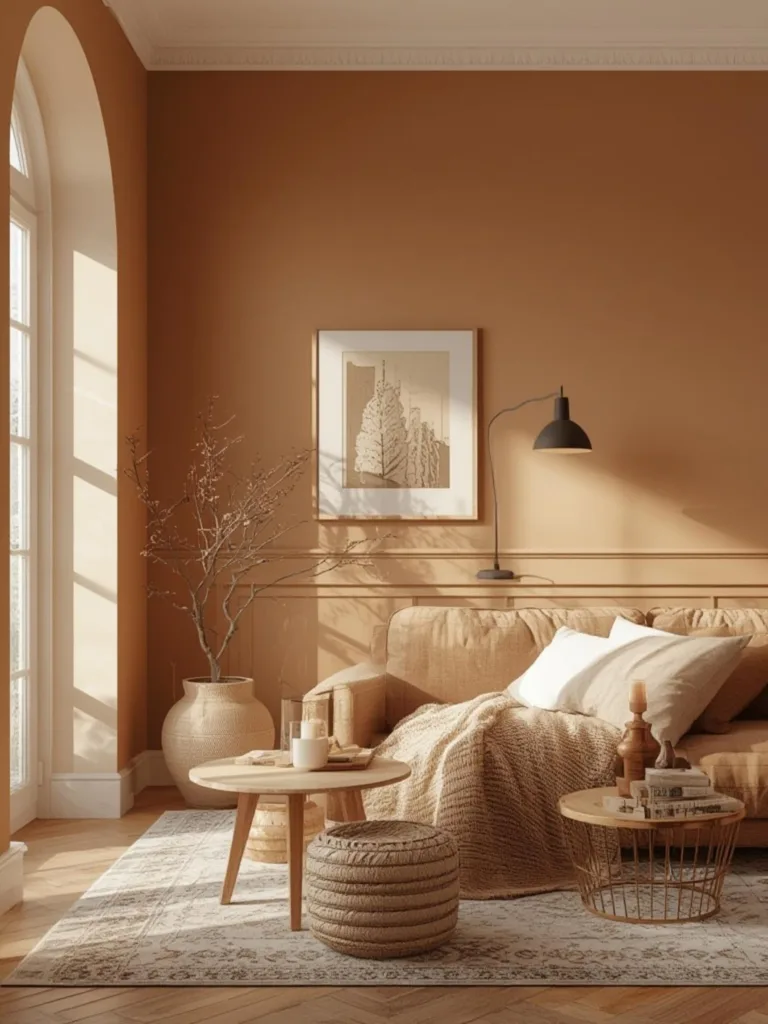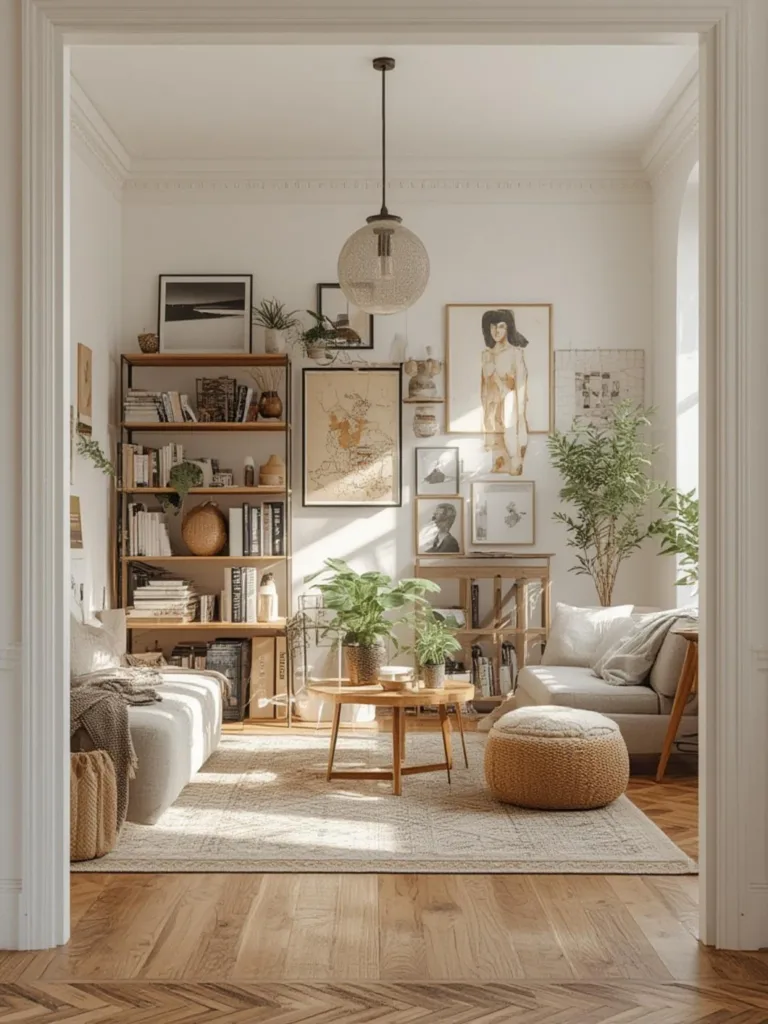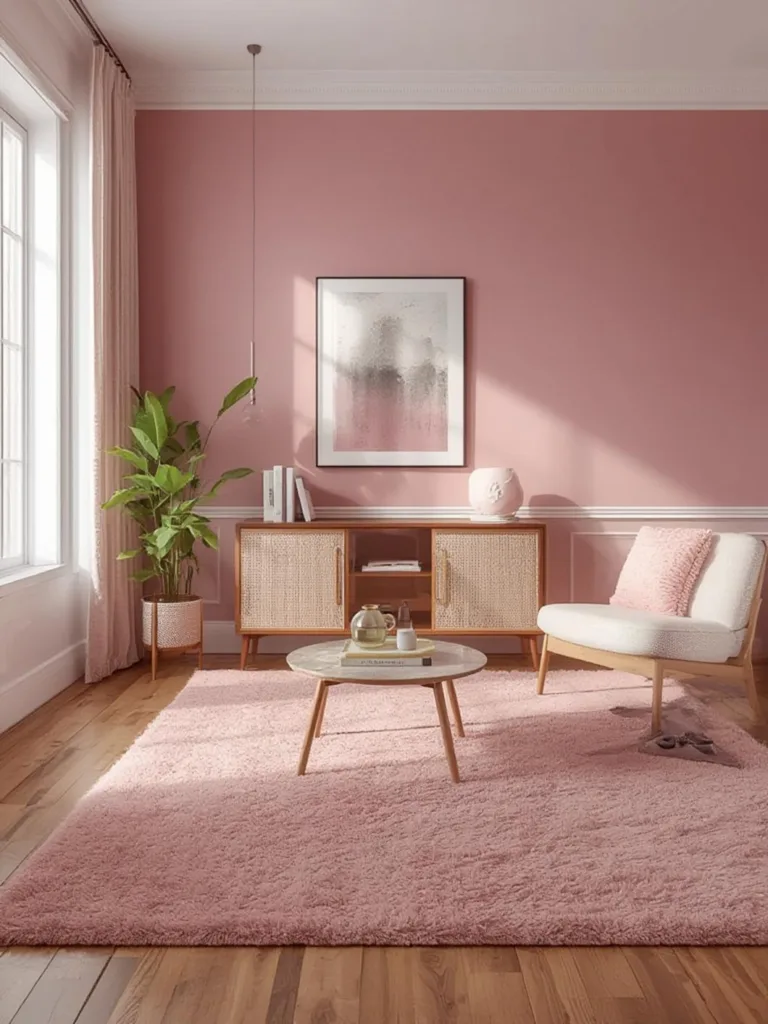
Best way to grow kitchen wall decor with 12 ideas
The kitchen, often dubbed the heart of the home, deserves more than just functional equipment and storage solutions it deserves personality and style. Are you staring at blank kitchen walls wondering how to breathe life into them? You’re not alone. Today’s homeowners are increasingly recognizing that thoughtfully chosen kitchen wall decor can completely transform the cooking space from merely functional to inspiringly beautiful.
Whether you’re a culinary enthusiast or someone who simply appreciates a well-designed space, incorporating the right kitchen wall art can elevate your kitchen’s ambiance, reflect your personal style, and create a more inviting environment for both everyday cooking and entertaining.
Table of Contents
Design Concept Overview
The concept of decorating kitchen walls has evolved dramatically in recent years, moving beyond the traditional cookbook shelves and fruit-themed prints. Modern kitchen wall design embraces a blend of functionality and aesthetics, creating focal points that complement the overall kitchen design rather than competing with it.
The most effective kitchen wall decorations typically follow one of several design approaches:
1. Minimalist Elegance: Clean lines, monochromatic schemes, and carefully selected statement pieces
2. Rustic Charm: Natural materials, vintage elements, and warm, earthy tones
3. Bold Contemporary: Geometric patterns, vibrant colors, and unexpected artistic elements
4. Classic Timelessness: Symmetrical arrangements, traditional motifs, and sophisticated color palettes
Each approach works best when it harmonizes with your existing cabinetry, countertops, and overall kitchen architecture. The ideal wall decorations should enhance the space without overwhelming it, creating visual interest that draws the eye without disrupting the functional flow of the kitchen.
Materials, Colors & Key Elements
Materials
– Metal Accents: Copper, brass, and wrought iron pieces add industrial charm and warmth
– Natural Wood: Floating shelves, framed prints, or decorative cutting boards bring organic texture
– Ceramic and Porcelain: Decorative plates, tile arrangements, or pottery offer classic appeal
– Canvas and Textiles: Printed artwork, fabric wall hangings, or macramé add softness
– Glass and Mirrors: Reflective elements that can make spaces appear larger and brighter
Color Palettes
– Neutral Foundation: Whites, creams, grays, and beiges create versatile backgrounds
– Accent Colors: Navy blue, forest green, terracotta, or mustard yellow for pops of color
– Monochromatic Schemes: Varying shades of one color for sophisticated, cohesive looks
– High-Contrast Combinations: Black and white, navy and gold, or emerald and brass for drama
Key Elements
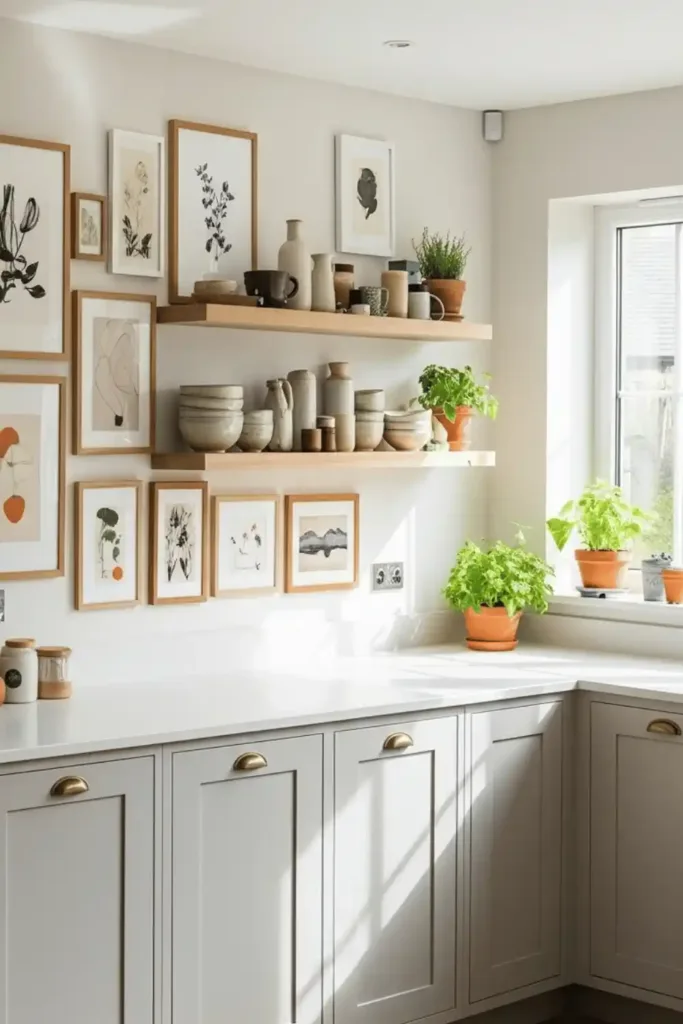
1. Open Shelving: Functional yet decorative, displaying beautiful dishware or collections
2. Statement Art: Large-scale paintings, prints, or photographs that anchor the space
3. Wall Clocks: Both functional and decorative, especially vintage or uniquely designed pieces
4. Botanical Elements: Plants, herbs, or botanical prints bringing life and freshness
5. Typography: Quote signs, family rules, or recipe displays adding personality and meaning
Timing, Budget & Planning
Budget Considerations
– Budget-Friendly ($50-$200): DIY projects, framed prints, floating shelves, and small decorative items
– Mid-Range ($200-$500): Quality artwork, custom shelving systems, decorative mirror arrangements
– Premium ($500+): Hand-painted murals, designer art pieces, custom metal installations, high-end shelving systems with integrated lighting
Project Timeline
– Quick Refresh (1-2 days): Hanging pre-purchased art, installing simple shelves, arranging existing decorative items
– Moderate Update (1-2 weeks): Custom framing projects, painting accent walls, installing more complex shelving systems
– Complete Transformation (3-4 weeks): Custom installations, commissioned artwork, projects requiring professional help
Planning Tips
1. Measure Before Purchasing: Always know your wall dimensions and ceiling height
2. Consider Scale: Choose pieces proportionate to your wall space and room size
3. Account for Practicality: Remember that kitchens involve heat, moisture, and occasional splashes
4. Plan Around Obstacles: Work with, not against, windows, cabinets, and appliances
5. Create a Mock-Up: Use paper templates or digital design tools to visualize arrangements before committing
Step-by-Step Guide
Step 1: Assess Your Space
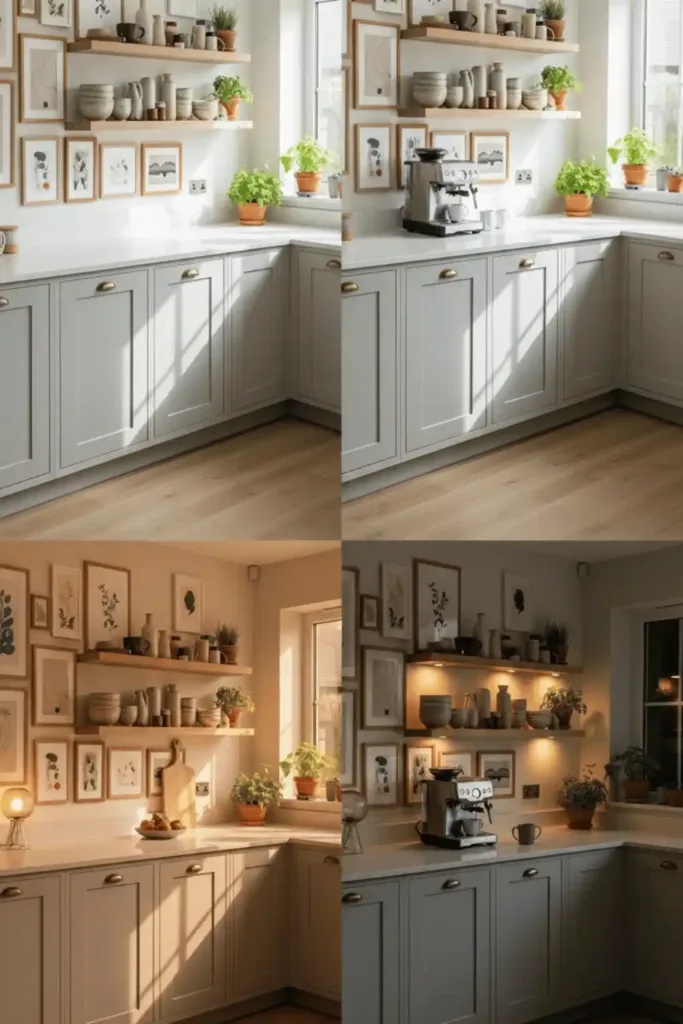
Begin by thoroughly analyzing your kitchen walls. Identify prime decorating areas typically above countertops, over sinks, adjacent to dining areas, or on empty wall sections between cabinets. Consider lighting conditions, viewing angles, and how each wall interacts with your daily kitchen activities.
Step 2: Define Your Style Direction
Choose a cohesive aesthetic that complements your existing kitchen design. Whether you’re drawn to farmhouse chic, industrial modern, Scandinavian minimalism, or eclectic bohemian, selecting a clear direction helps create a harmonious look.
Step 3: Create a Focal Point
Every well-designed kitchen needs a visual anchor. This might be a striking piece of kitchen wall art, an arrangement of decorative plates, or an eye-catching clock. Position this focal point where it naturally draws attention without disrupting workflow.
Step 4: Layer in Supporting Elements
Build around your focal point with complementary pieces. Consider the “rule of threes” by grouping similar items together. Balance larger pieces with smaller accents, and vary heights and textures for visual interest.
Step 5: Add Functional Components
Incorporate kitchen wall decor that serves practical purposes, such as magnetic knife strips, hanging herb gardens, or decorative hooks for utensils. These elements combine beauty with utility, maximizing your space.
Step 6: Finalize with Personal Touches
Complete the look with meaningful items that tell your story family recipes framed as art, vintage kitchen tools from grandparents, or travel souvenirs with culinary connections. These personal elements transform a pretty kitchen into a deeply personal space.
Benefits & Functional Advantages
Thoughtfully designed kitchen walls deliver multiple benefits beyond mere aesthetics:
1. Improved Mood and Inspiration: Beautiful surroundings can make cooking feel less like a chore and more like a creative outlet
2. Enhanced Spatial Perception: Strategic decoration can make small kitchens appear larger or bring warmth to oversized spaces
3. Increased Home Value: Well-designed kitchens consistently rank among the top factors influencing property values
4. Better Organization: Decorative elements like pegboards, rail systems, and open shelving combine beauty with practical storage
5. Personalized Atmosphere: Wall decor transforms generic kitchens into spaces that reflect your unique personality and style preferences
6. Conversation Starters: Interesting wall elements naturally spark discussion during gatherings and entertaining
Alternative Styles & Customization Ideas
For Small Kitchens
– Vertical Orientation: Draw the eye upward with tall, narrow art pieces or vertical shelving
– Mirror Installations: Strategically placed mirrors create depth and reflect light
– Light Colors: Keep the palette bright and airy to prevent visual crowding
– Minimalist Approach: Select fewer, more impactful pieces rather than numerous small items
For Rental Properties
– Removable Wallpaper: Create dramatic accent walls without permanent changes
– Command Strips and Hooks: Hang art and decorative elements without damaging walls
– Leaning Art: Place framed pieces on countertops or shelves instead of hanging them
– Temporary Tile Stickers: Transform backsplashes without construction
Style Variations
– Farmhouse Kitchen: Distressed wood signs, mason jar displays, and vintage implements
– Modern Minimalist: Single large-scale abstract art, sleek floating shelves, and monochromatic schemes
– Bohemian Kitchen: Global textiles, botanical displays, and mixed-media art collections
– Industrial Chic: Metal typography, factory-inspired clocks, and repurposed machinery parts
Common Mistakes to Avoid
Mistake 1: Ignoring Practicality
Problem: Choosing decor that can’t withstand kitchen conditions like heat, humidity, and food splatters.
Solution: Select washable, durable materials like metal, ceramic, or specially-treated art prints with protective glass covers.
Mistake 2: Inappropriate Scaling
Problem: Installing pieces that are too small or too large for the available wall space.
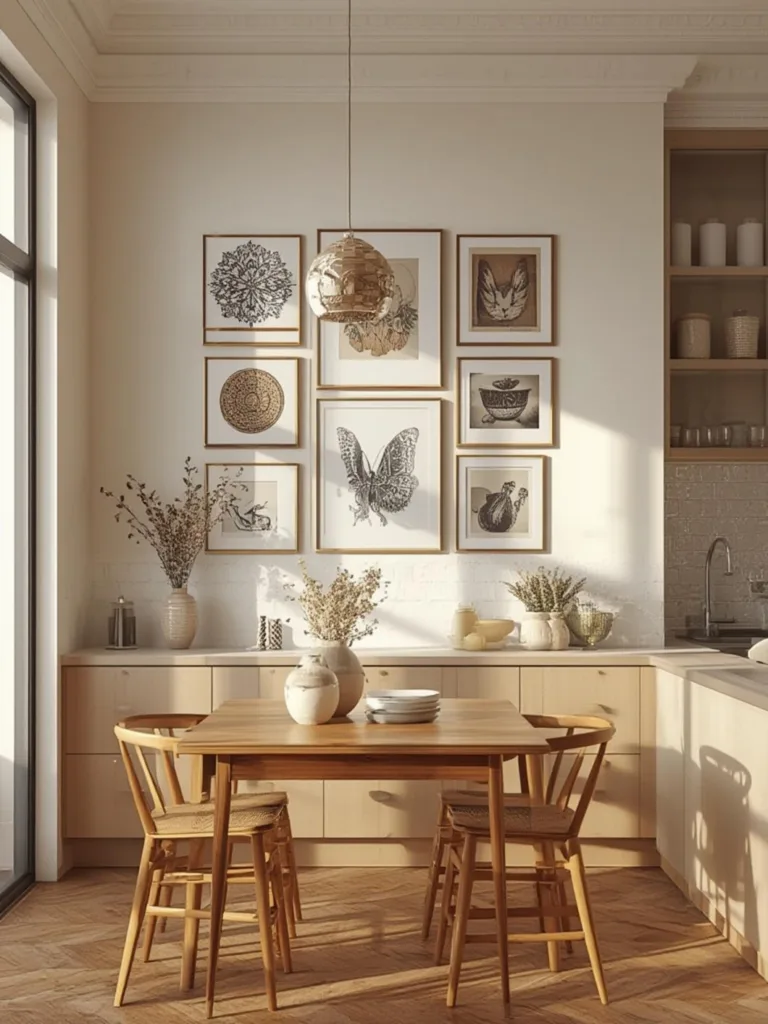
Solution: Follow the two-thirds rule artwork should occupy about two-thirds of the wall space available to it for optimal visual balance.
Mistake 3: Overcrowding
Problem: Filling every inch of wall space, creating visual chaos.
Solution: Embrace negative space. Allow breathing room around key pieces to prevent overwhelming the eye.
Mistake 4: Poor Placement
Problem: Positioning decor where it interferes with cooking or is vulnerable to damage.
Solution: Keep valuable art away from stovetops and sinks; place decor at appropriate heights for viewing.
Mistake 5: Neglecting Lighting
Problem: Beautiful wall elements that disappear in poor lighting conditions.
Solution: Install proper lighting that highlights your wall decor, such as under-cabinet lights, picture lights, or adjustable track lighting.
Maintenance & Longevity Tips
To ensure your kitchen wall decorations remain beautiful for years:
1. Regular Cleaning: Dust open shelving weekly and wipe down wall-hung items monthly to prevent grease buildup
2. Protective Treatments: Apply clear sealants to wooden elements and consider UV-protective glass for valuable artwork
3. Seasonal Rotation: Change smaller decorative elements seasonally to keep the space feeling fresh without major investments
4. Quality Hardware: Invest in proper hanging hardware rated for kitchen environments and the weight of your items
5. Climate Considerations: In humid kitchens, avoid paper-based art or untreated wood that might warp
6. Periodic Reassessment: Every 2-3 years, evaluate your decor to see what needs refreshing, replacing, or simply rearranging
Conclusion
The kitchen, as the true heart of the home, deserves walls that tell your story and create a space where memories are made. With thoughtfully chosen kitchen wall decor, you can transform an ordinary cooking space into an extraordinary environment that inspires creativity and welcomes family and friends. Whether you prefer the simplicity of minimalist designs or the character of vintage collections, the right kitchen wall art can elevate your everyday experiences.
Remember that the most successful kitchen walls balance beauty with function, reflecting your personal style while enhancing the practical purpose of this essential room. Take your time, choose pieces that truly speak to you, and watch as your kitchen transforms into a space that nourishes both body and soul.
FAQs
What’s the best wall decor for a small kitchen with limited wall space?
Focus on impactful yet space-efficient options like a single statement art piece, slim floating shelves, or vertical elements that draw the eye upward. Consider decorative but functional items like a beautiful wall-mounted spice rack or a stylish magnetic knife strip that saves counter space while adding visual interest.
How do I decorate kitchen walls near cooking areas that might get splashed or steamy?
For areas near stoves or sinks, choose materials that can withstand heat and moisture, such as metal art, ceramic pieces, or properly sealed and framed prints under glass. Avoid paper-based art, untreated fabrics, or anything with delicate surfaces in these high-risk zones. Consider easy-to-clean options like tile murals or metal signs.
What’s an affordable way to make a big impact on my kitchen walls?
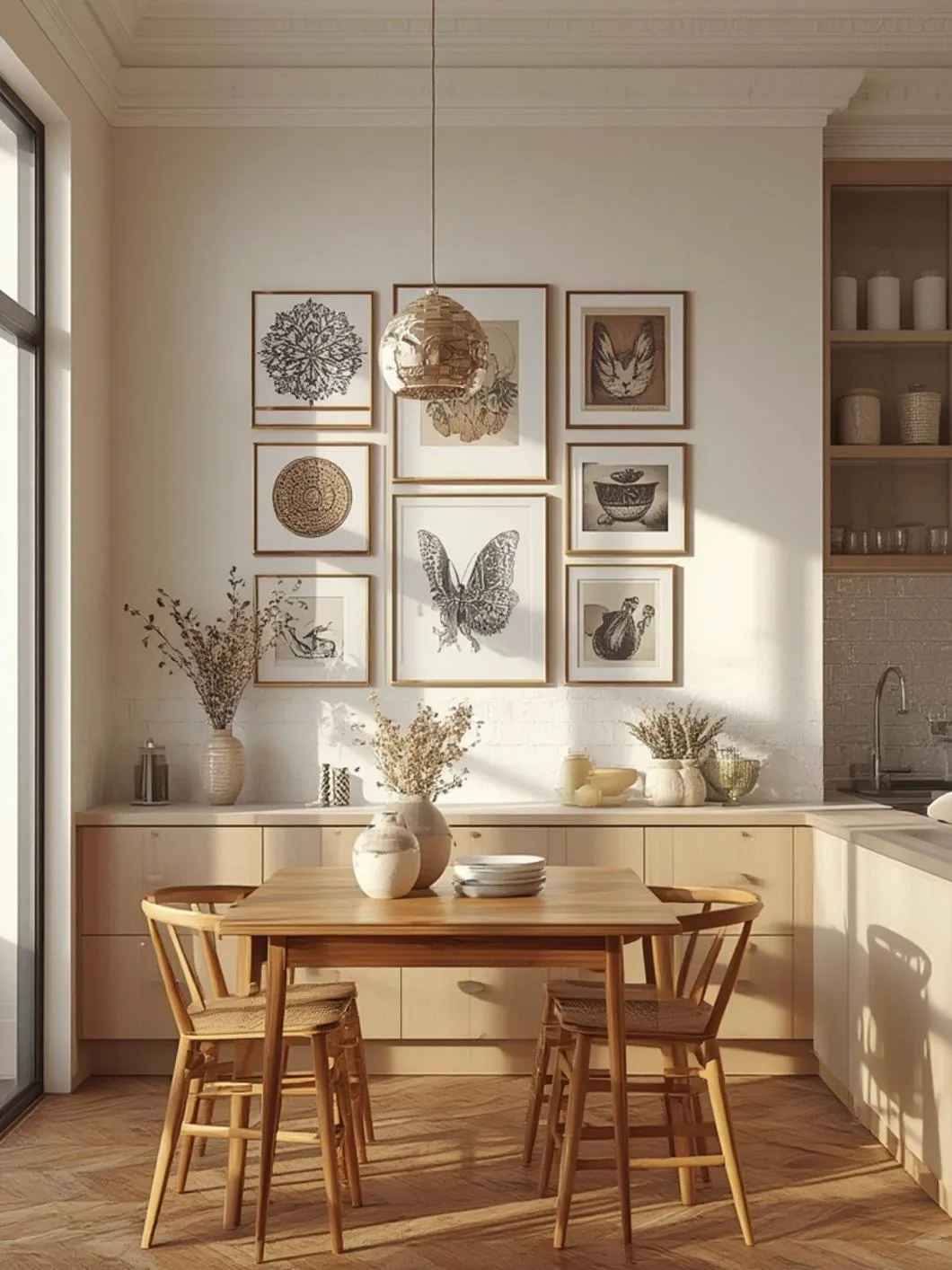
Create a gallery wall using inexpensive frames with free printable kitchen art, family recipes, or food photography you’ve taken yourself. Alternatively, paint a bold accent wall and add a few strategic decor pieces, or install inexpensive floating shelves to display items you already own like colorful dishes or vintage kitchen tools.
How can I ensure my kitchen wall decor complements rather than clashes with my cabinetry and countertops?
Pull colors from existing elements select art or decorative items that incorporate shades found in your countertops, backsplash, or cabinet hardware. For contrast, choose complementary colors from the color wheel, or for harmony, stay within the same color family but vary the intensity. Bring cabinet hardware finishes (brass, nickel, etc.) into your decor elements for cohesion.
Is there kitchen wall decor that works well in a rental where I can’t make permanent changes?
Absolutely! Consider removable wallpaper panels, command strips for hanging lightweight art, leaning art on countertops or shelves, decorative cutting boards propped against backsplashes, or magnetic decorations if you have metal surfaces. Temporary backsplash stickers can also dramatically change the look without permanent installation.