Best way to grow 7 exterior paint color palettes
Have you ever noticed how a fresh coat of paint can completely transform a home’s exterior? In today’s design landscape, homeowners are increasingly using exterior paint color palettes as their secret weapon to boost curb appeal and property value.
The right combination of colors can highlight architectural features, complement the surrounding landscape, and reflect your personal style. As we move further into 2024, exterior color schemes are becoming bolder and more intentional, with homeowners willing to step outside traditional boundaries to create truly distinctive facades that stand out in their neighborhoods.
Table of Contents
Design Concept Overview
Modern exterior color design embraces both timeless elegance and contemporary flair. The concept centers around creating visual harmony between your home and its environment while expressing personality. Today’s most successful exterior designs typically feature:
– A balanced three-color approach (main color, trim color, accent color)
– Contextual awareness that considers architectural style, neighborhood aesthetic, and natural surroundings
– Strategic use of contrast to highlight architectural details
– Color psychology principles to evoke specific emotional responses
These color strategies work particularly well on craftsman, colonial, modern farmhouse, mid-century, and contemporary architectural styles, though they can be adapted to virtually any home with thoughtful application.
Materials, Colors & Key Elements
Essential Color Combinations
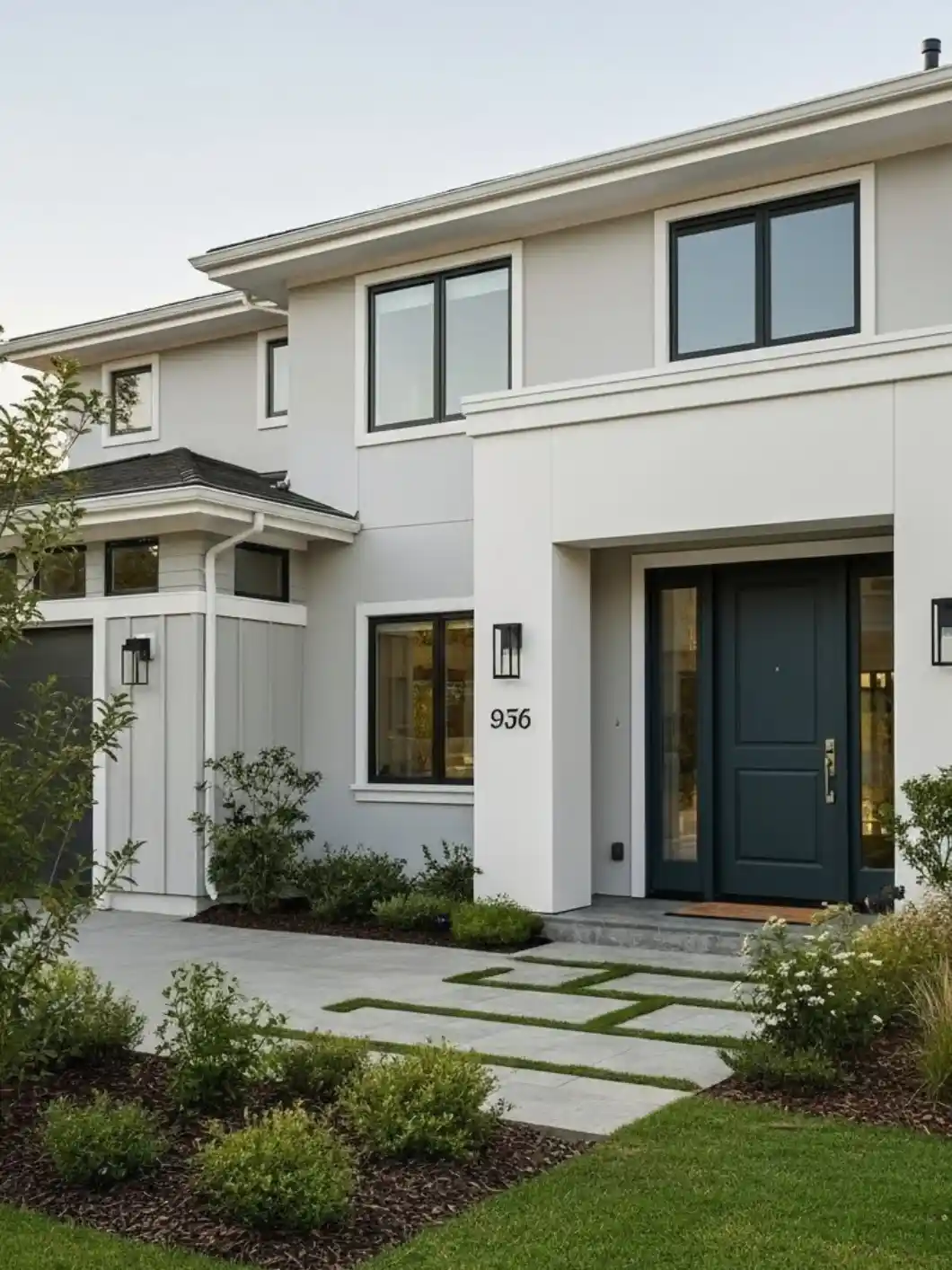
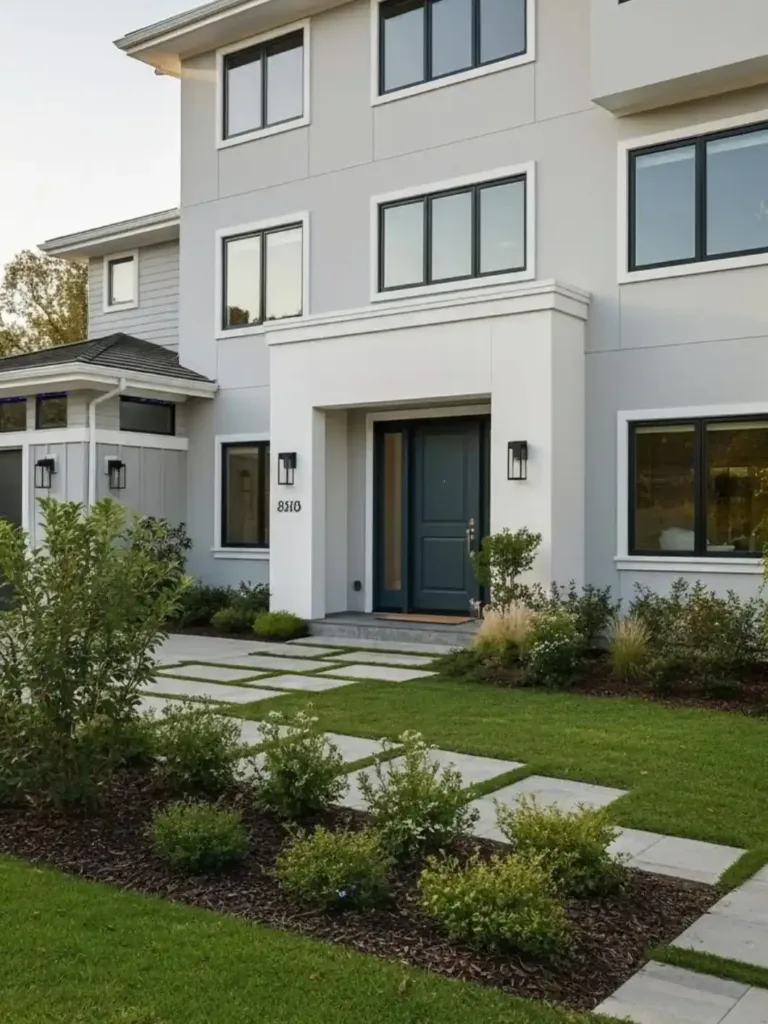
1. Neutral Foundations with Bold Accents
– Main: Soft whites, warm greys, or muted taupes
– Trim: Crisp whites or complementary neutrals
– Accent: Navy blue, forest green, or burgundy for doors and shutters
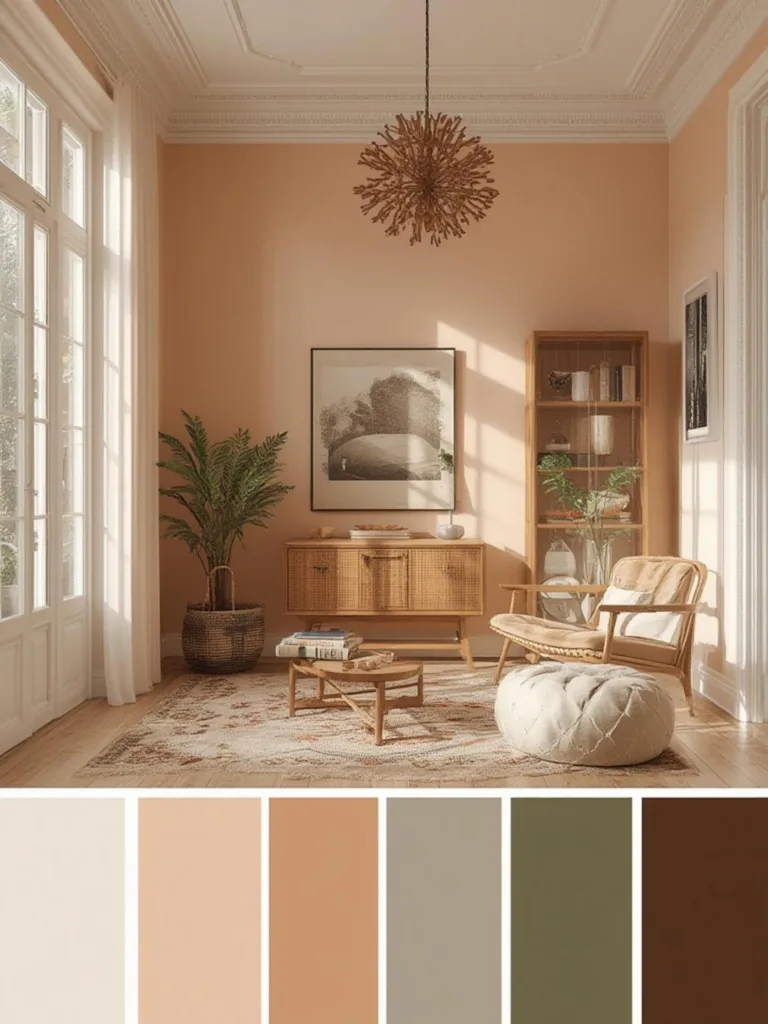
2. Earth-Inspired Palettes
– Main: Sage green, terra cotta, or warm sandstone
– Trim: Creamy whites or light tans
– Accent: Deep browns or muted blues
3. Monochromatic Sophistication
– Main: Medium-tone grey or beige
– Trim: Lighter or darker shade of the main color
– Accent: Black or charcoal for contrast elements
Key Paint Considerations
– Weather-resistant exterior paint with UV protection
– Proper primers suited to your home’s exterior material
– Semi-gloss or satin finishes for trim areas
– Matte or eggshell finishes for main siding areas
– Specialty finishes for doors and accent features
Quality Materials
– Premium acrylic latex paints for durability
– Professional-grade brushes and rollers
– Quality painter’s tape for clean lines
– Appropriate surface preparation materials
Timing, Budget & Planning
Budget Considerations
– Basic Exterior Painting: $3,000-$6,000 for an average-sized home
– Premium Paint Job: $6,000-$12,000 with high-end materials and complex color schemes
– DIY Approach: $1,000-$3,000 for materials only
Time Requirements
– Planning Phase: 2-4 weeks for color selection, sampling, and decision-making
– Professional Implementation: 3-7 days for an average home
– DIY Approach: 1-3 weekends, depending on home size and complexity
Season Considerations
– Spring and fall offer ideal temperature and humidity conditions
– Avoid extremely hot, cold, or humid days for best results
– Plan ahead for painter availability during peak seasons
Space-Specific Budgeting
– Small Homes/Townhomes: $2,500-$4,000 professionally painted
– Large Homes: $10,000+ for comprehensive professional painting
– Accent Updates Only: $500-$1,500 for door, trim, and shutter refreshes
Step-by-Step Guide
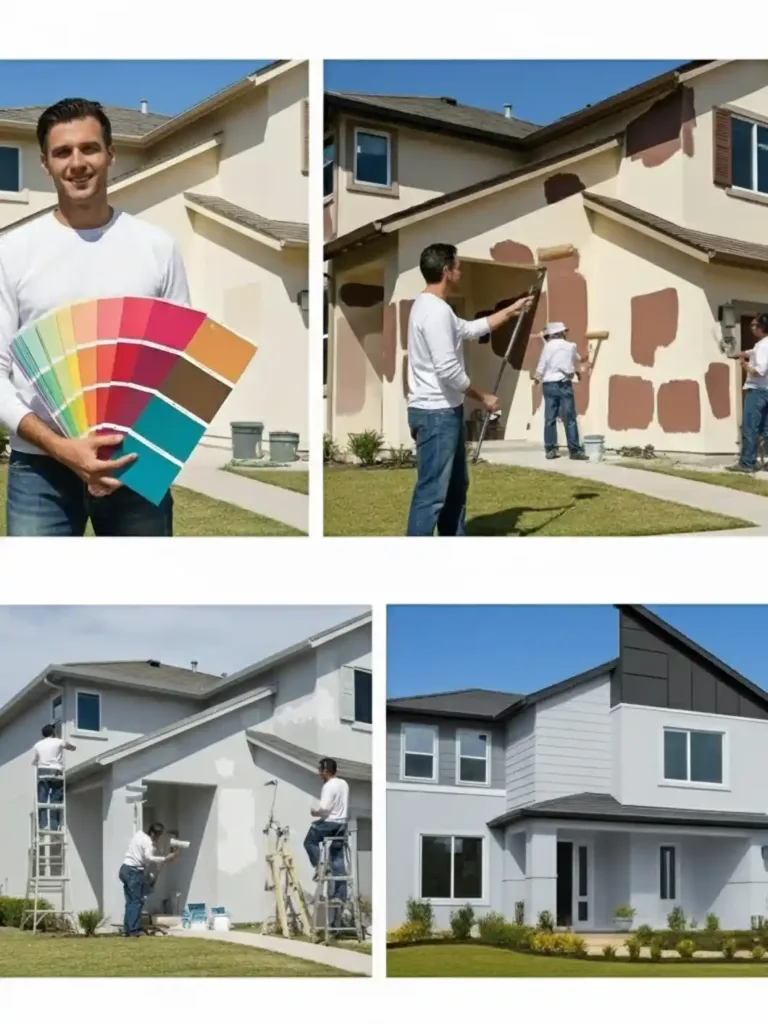
1. Analyze Your Home’s Architecture
– Identify key architectural features to highlight
– Consider the home’s era and original design intentions
– Note fixed elements that will influence your color choices (roof, stonework, etc.)
2. Research Neighborhood Context
– Observe neighboring homes for complementary (not matching) exterior color schemes
– Check HOA restrictions if applicable
– Consider how your palette will look in different seasons
3. Select Your Color Strategy
– Choose between contrasting, complementary, or monochromatic approaches
– Decide on a 2-3 color palette with clear hierarchy
– Consider the 60-30-10 rule (60% main color, 30% secondary color, 10% accent)
4. Test Colors in Real Conditions
– Purchase sample sizes of your chosen exterior paint color palettes
– Paint 2-foot square test patches on different sides of your home
– Observe colors during different times of day and weather conditions
5. Prepare Surfaces Properly
– Power wash all surfaces
– Scrape, sand, and repair damaged areas
– Apply appropriate primers to bare surfaces
6. Apply Paint Strategically
– Start with trim areas
– Move to main body surfaces
– Finish with accent elements like doors and shutters
7. Document Your Colors
– Keep detailed records of brands, formulas, and finishes
– Store small amounts for future touch-ups
– Create a maintenance schedule for different exterior elements
Benefits & Functional Advantages
Aesthetic Benefits
– Increased curb appeal and visual presence
– Enhanced architectural features and character
– Updated look without structural changes
– Expression of personal style
Practical Advantages
– Protection against weather elements and UV damage
– Improved home durability and material preservation
– Easier cleaning and maintenance
– Potential energy efficiency improvements with reflective paints
Financial Benefits
– Increased property value (up to 5-10%)
– Better first impressions for potential buyers
– Extended lifespan of exterior materials
– Prevention of costly structural repairs
Alternative Styles & Customization Ideas
Regional Adaptations
– Coastal Homes: Light blues, soft greys, and crisp whites
– Desert Dwellings: Warm terracottas, sandy beiges, and dusty roses
– Mountain Retreats: Forest greens, rich browns, and deep blues
– Urban Townhomes: Bold contrasts, contemporary greys, and statement accents
Architectural Style Variations
– Victorian: Multi-color schemes highlighting ornate details
– Mid-Century Modern: Earthy tones with bright door accents
– Craftsman: Nature-inspired triads with contrasting trim
– Modern Farmhouse: Crisp whites with black accents
Sustainable Approaches
– Low-VOC and zero-VOC paint options
– Naturally derived pigments and finishes
– Solar-reflective coatings for energy efficiency
– Recycled paint programs and environmentally friendly disposal
Common Mistakes to Avoid
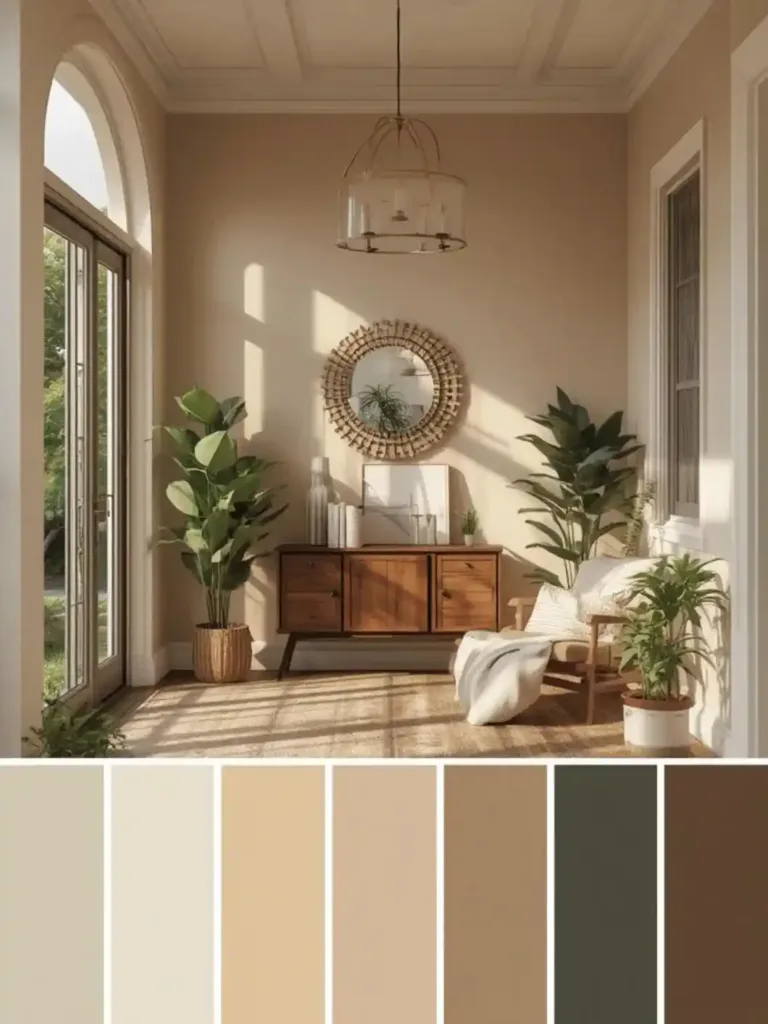
1. Ignoring the Fixed Elements
– Mistake: Choosing colors that clash with roof, stonework, or landscape
– Solution: Select colors that complement existing permanent features
2. Skimping on Preparation
– Mistake: Rushing to paint over dirty or damaged surfaces
– Solution: Invest time in thorough cleaning, repairs, and priming
3. Testing Colors Inadequately
– Mistake: Choosing colors based solely on small paint chips
– Solution: Paint large test areas on different sides of your home
4. Over-Complicating the Palette
– Mistake: Using too many different colors without clear hierarchy
– Solution: Stick to a 3-color maximum with clear main, secondary, and accent roles
5. Ignoring Lighting Changes
– Mistake: Selecting colors without considering sun exposure and shadows
– Solution: Observe test patches at different times of day and in various weather conditions
Maintenance & Longevity Tips
Regular Maintenance Schedule
– Inspect painted surfaces every spring and fall
– Clean exterior walls annually with gentle soap and water
– Touch up damaged areas promptly to prevent spread
– Plan for full repainting every 7-10 years (depending on climate)
Climate-Specific Care
– Hot, Sunny Areas: Check for UV fading and bubbling
– Humid Regions: Watch for mold and mildew development
– Cold Climates: Inspect for freeze-thaw damage and cracking
– Coastal Areas: Monitor for salt damage and more frequent repainting
Touch-Up Strategies
– Keep extra paint properly sealed for future touch-ups
– Document exact paint colors, brands, and formulas
– Clean areas thoroughly before applying touch-up paint
– Use the same application method as the original painting
Conclusion
Selecting the perfect exterior paint color palettes is both an art and a science, balancing personal preference with architectural appropriateness and neighborhood context. The right exterior color schemes not only protect your home and increase its value but also create a daily sense of pride and enjoyment when you pull into your driveway.
By following the guidelines in this article, testing colors thoroughly, and implementing with care, you’ll create a home exterior that stands the test of time while expressing your unique aesthetic vision. Remember that color is one of the most powerful and cost-effective tools in your home improvement arsenal use it wisely, and your home will thank you with years of beautiful curb appeal.
FAQs
How often should I repaint my home’s exterior?
Most quality exterior paint jobs last 7-10 years, though this varies by climate. Homes in extreme conditions (intense sun, heavy rain, or coastal environments) may require repainting every 5-7 years, while those in mild climates might extend to 10-15 years with proper maintenance.
What’s the best exterior color for resale value?
Neutral colors typically offer the best return on investment, with soft whites, warm beiges, and muted grays being particularly appealing to buyers. However, strategic use of on-trend accent colors can help your home stand out in a competitive market.
Can I paint my exterior in cold weather?
Most exterior paints require temperatures between 50-85°F (10-29°C) for optimal application and drying. Some specialty paints can be applied in temperatures as low as 35°F (2°C), but it’s generally best to wait for appropriate weather conditions.
How do I coordinate exterior colors with my roof and landscaping?
Consider your roof’s undertones (warm or cool) when selecting your main color. For landscaping, choose colors that either complement your garden palette or provide an attractive backdrop. Take photos of your home with your yard visible and test colors against these images.
What’s the difference between paint sheens for exteriors?
Flat/matte finishes hide imperfections but are harder to clean; satin/eggshell provides a subtle sheen with good dirt resistance; semi-gloss offers high durability and washability for trim; and gloss provides maximum protection but highlights surface flaws. Most homes use satin for main surfaces and semi-gloss for trim.