log cabin home designs: 10 Fast, Powerful Ways to Win
Have you ever fantasized about escaping the hustle and bustle of city life for the tranquility of a cozy woodland retreat? There’s something inherently magical about the warmth and character of log cabin home designs that continues to captivate homeowners and interior design enthusiasts alike. The rustic charm, natural materials, and connection to nature make log cabins an enduring architectural style that blends seamlessly with modern living needs.
Whether you’re planning a complete log cabin construction project or simply want to incorporate elements of this timeless aesthetic into your current home, understanding the fundamentals of cabin design is essential for creating a space that feels both authentic and comfortable.
Table of Contents
Design Concept Overview
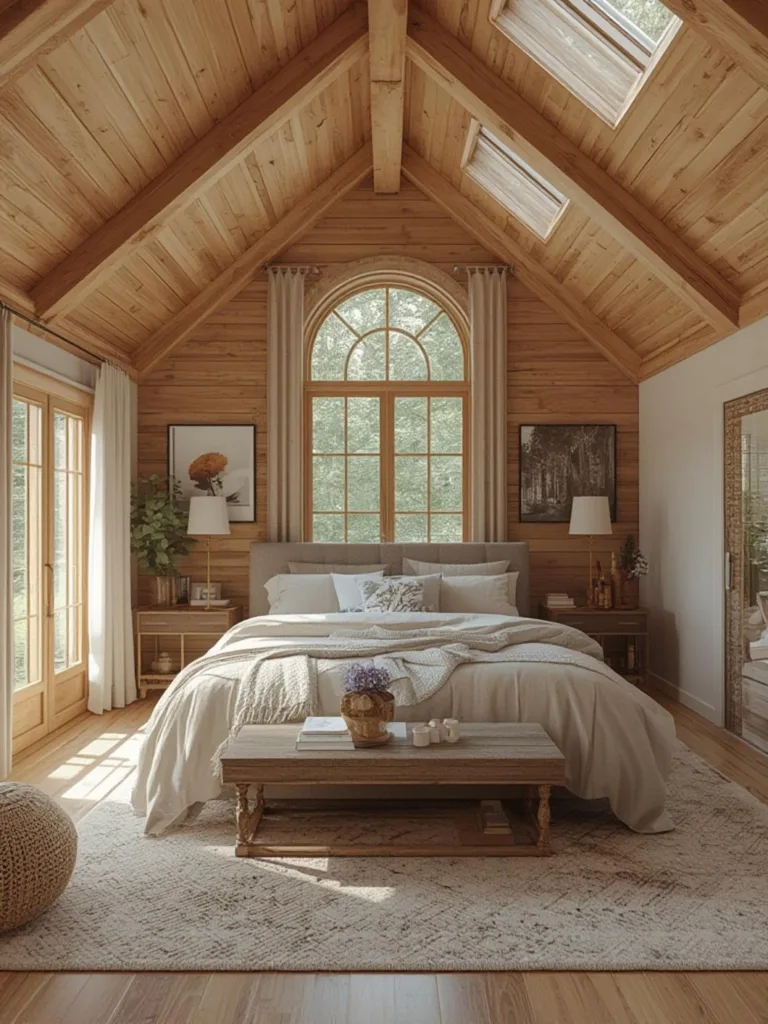
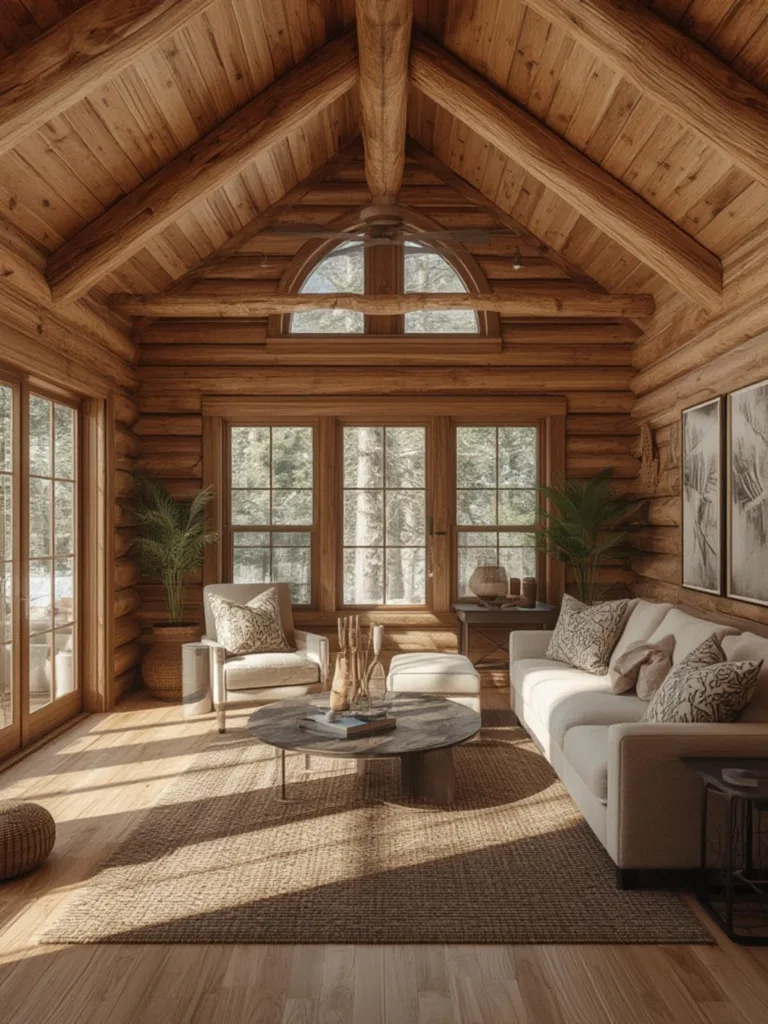
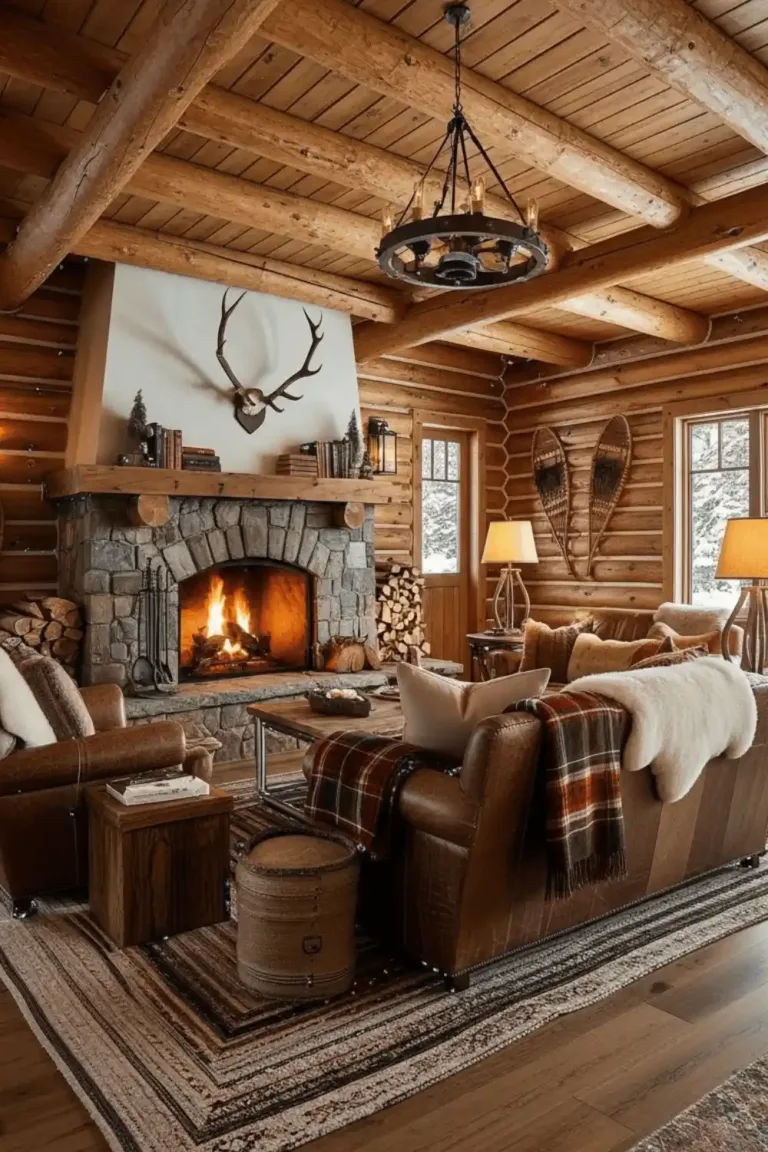
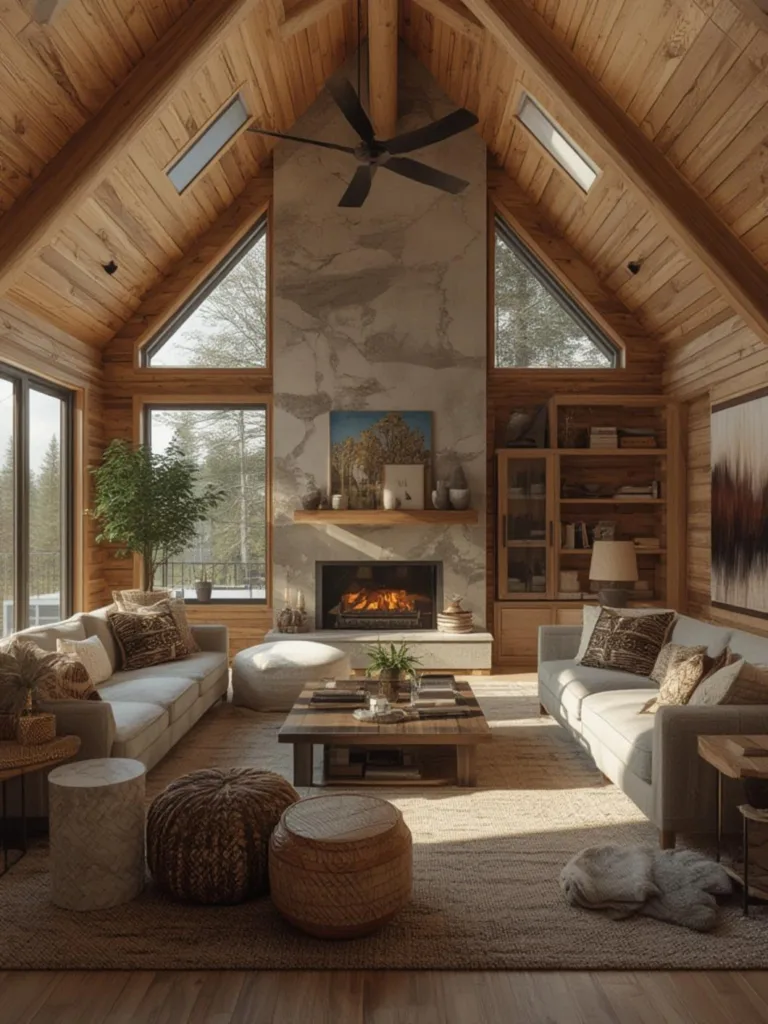
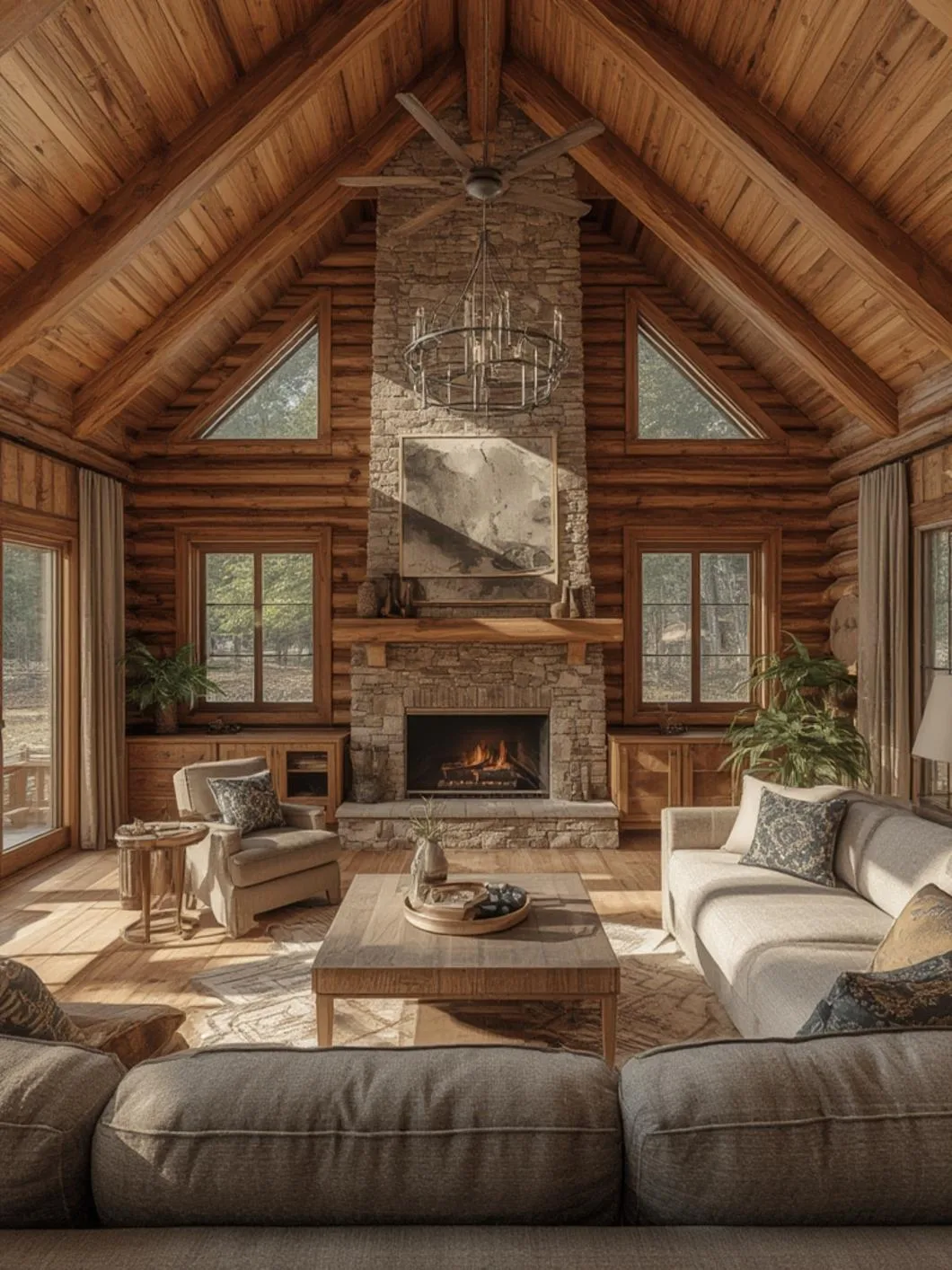
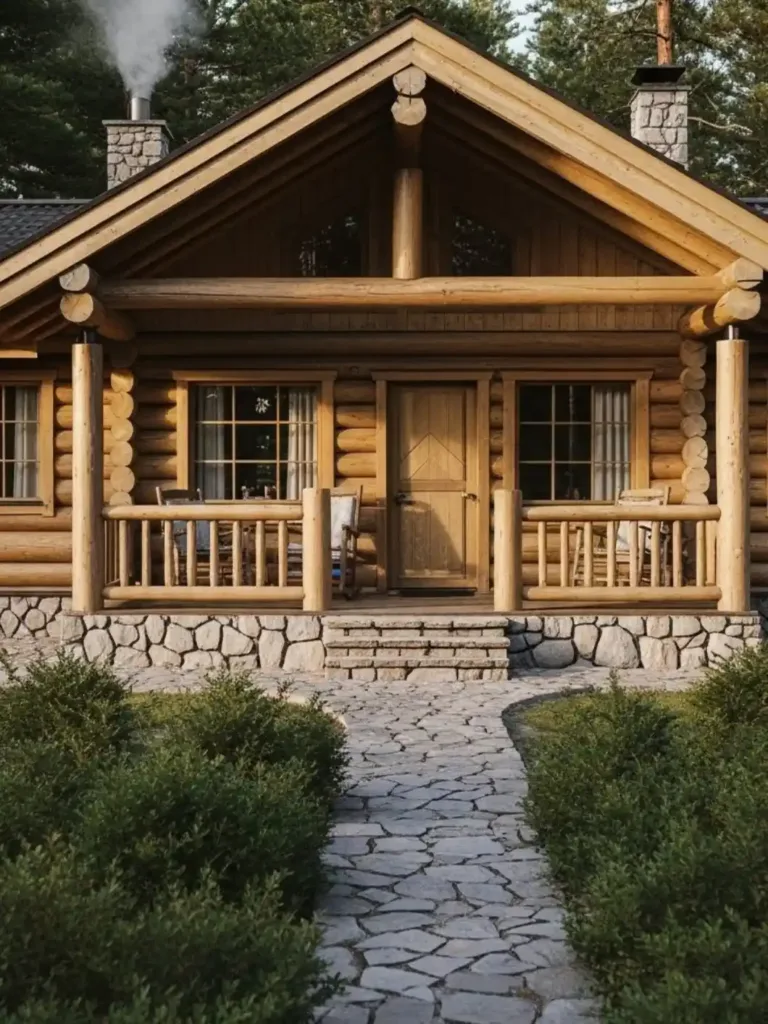
The log cabin aesthetic embodies a distinctive blend of rustic charm, natural elements, and cozy simplicity. At its core, this design concept celebrates the beauty of natural wood, with exposed log walls serving as both structural elements and the primary visual feature. Traditional cabin designs typically feature an open-concept living space centered around a prominent fireplace or wood stove, creating a natural gathering point that radiates both literal and figurative warmth.
The overall mood evokes feelings of comfort, security, and a deep connection to nature. This design philosophy works particularly well in rural or woodland settings, where the exterior architecture can complement the surrounding landscape. However, cabin-inspired design elements can be successfully incorporated into various environments, from mountain retreats and lakeside cottages to suburban homes seeking a touch of rustic character.
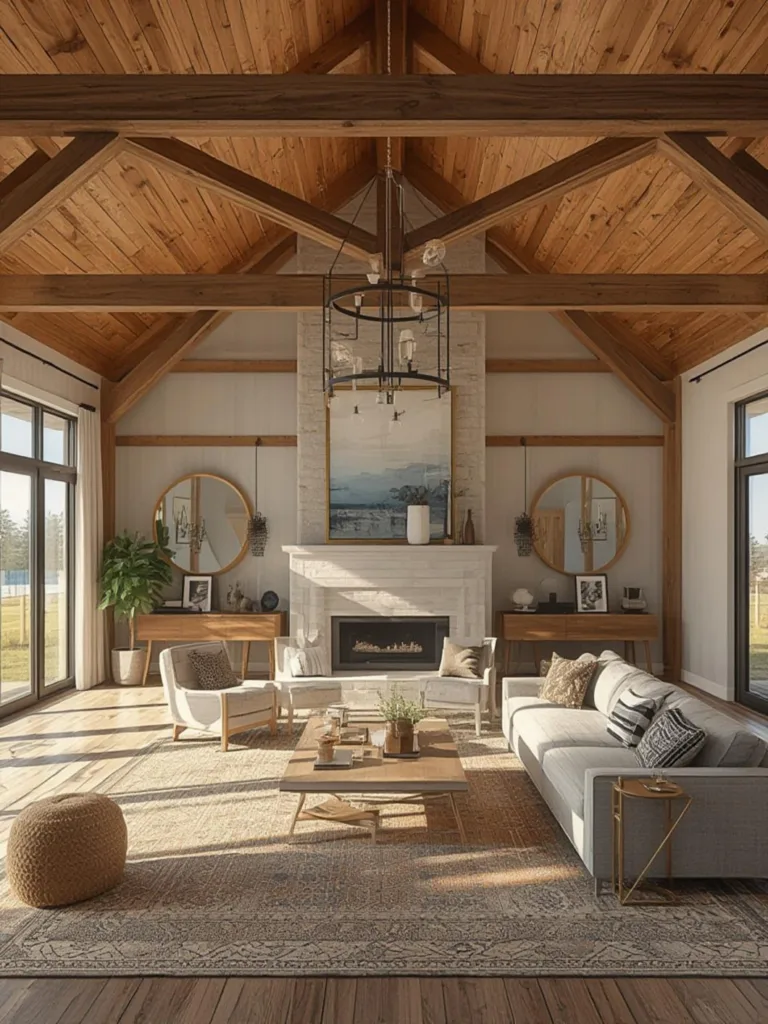
Modern interpretations of cabin design often balance traditional elements with contemporary comforts, creating spaces that honor rustic traditions while accommodating today’s lifestyle needs and technological requirements.
Materials, Colors & Key Elements
The authentic cabin aesthetic hinges on thoughtful material selection that emphasizes natural elements and textures:
- Materials:
– Solid wood logs or timber framing (pine, cedar, oak, or Douglas fir)
– Stone accents (river rock, fieldstone, or stacked stone for fireplaces and foundations)
– Natural flooring options (wide-plank hardwood, slate, or textured tile)
– Metal accents (wrought iron, copper, or bronze fixtures)
– Natural textiles (wool, cotton, leather, and hide) - Color Palette:
– Warm earth tones (browns, tans, and deep reds)
– Forest-inspired greens and blues
– Neutral beiges and creams
– Deep, rich accents (burgundy, forest green, and navy) - Key Furniture Elements:
– Substantial wooden furniture with visible grain patterns
– Leather upholstery or nature-inspired fabrics
– Handcrafted or artisanal pieces
– Built-in wooden features (bookshelves, window seats, storage)
– Statement lighting fixtures (antler chandeliers, lantern-style pendants) - Budget-Friendly Alternatives:
– Wood-look ceramic tile instead of hardwood flooring
– Faux stone veneers rather than solid stone
– Wood panel accent walls instead of full log construction
– Reclaimed or repurposed materials for authentic character at lower cost
– DIY projects incorporating natural elements (branch curtain rods, driftwood shelving)
Timing, Budget & Planning
- Budget Considerations:
– Full log cabin construction: $150-$350+ per square foot ($300,000-$700,000+ for a 2,000 sq. ft. home)
– Timber frame hybrid construction: $200-$250 per square foot
– Interior cabin-inspired renovation: $10,000-$50,000 depending on scope
– Room-by-room cabin styling: $1,500-$5,000 per room - Timeline Expectations:
– Complete log home construction: 6-12 months
– Major interior renovation with cabin elements: 2-4 months
– Room redesign with cabin aesthetic: 2-4 weeks
– Decorative updates and styling: 1-2 weeks - Planning Considerations for Smaller Spaces:
– Focus on key visual elements rather than complete structural changes
– Incorporate wood accents strategically (ceiling beams, accent walls)
– Choose multi-functional furniture with cabin-inspired design
– Use lighting to create the warm, intimate atmosphere typical of cabins
– Select fewer, more impactful decor pieces rather than numerous small items
For apartment dwellers, consider removable wood-look wallpaper, furniture with visible wood grain, and natural textiles to capture the cabin feel without permanent modifications.
Step-by-Step Guide
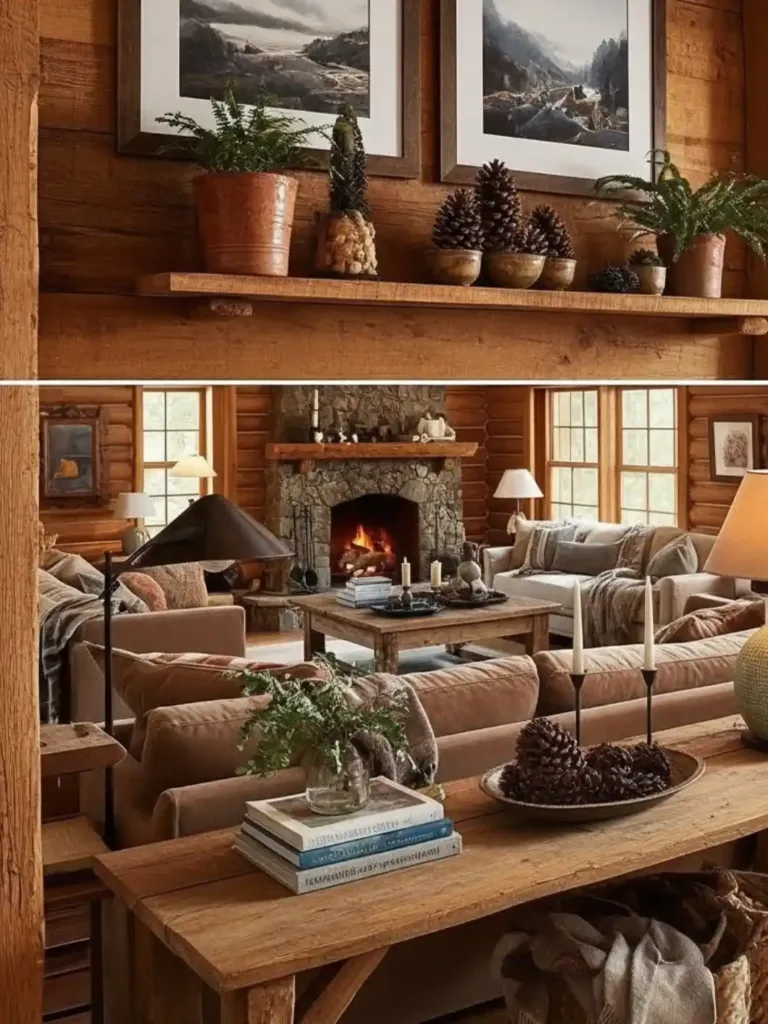
Transforming your space with log cabin home designs can be approached systematically, whether you’re building from scratch or renovating:
- 1. Define Your Cabin Style:
– Traditional log construction with full round logs
– Timber frame with infill walls
– Conventional construction with cabin-inspired elements
– Modern-rustic hybrid approach - 2. Create a Cohesive Material Plan:
– Choose complementary wood species for structural elements and furniture
– Select stone types for fireplaces, accents, or foundations
– Determine flooring materials that support the cabin aesthetic
– Identify metal finishes for hardware, fixtures, and accents - 3. Design the Heart of Your Cabin:
– Center the layout around a fireplace or wood stove when possible
– Create conversational seating arrangements that emphasize togetherness
– Incorporate ample natural light through well-placed windows
– Balance open spaces with cozy nooks for reading or relaxation - 4. Layer in Natural Textiles:
– Add wool throws and blankets in plaid or nature-inspired patterns
– Include leather or suede upholstery on key furniture pieces
– Incorporate natural fiber rugs (wool, jute, or sisal)
– Select window treatments that enhance the rustic aesthetic while providing privacy - 5. Incorporate Authentic Lighting Solutions:
– Install statement lighting fixtures that reflect cabin character
– Layer ambient, task, and accent lighting for flexibility
– Consider iron or bronze fixtures with amber-toned bulbs for warmth
– Add strategically placed candles or lanterns for authentic ambiance - 6. Add Meaningful Decor Elements:
– Display nature-inspired artwork or photography
– Incorporate handcrafted items with visible craftsmanship
– Select decor that tells a story or holds personal significance
– Include botanical elements (dried flowers, branches, pinecones)
For those undertaking more extensive log cabin construction, working with experienced builders who specialize in this architectural style is essential to ensure structural integrity and proper techniques.
Benefits & Functional Advantages
Cabin-inspired homes offer numerous advantages beyond their aesthetic appeal:
- Aesthetic Benefits:
– Timeless design that resists trends and fads
– Natural materials that develop character and patina over time
– Warm and inviting atmosphere that guests consistently find welcoming
– Distinctive look that stands apart from cookie-cutter construction - Functional Advantages:
– Superior thermal mass in true log construction for natural temperature regulation
– Excellent acoustic properties that dampen sound transmission
– Potential energy efficiency with proper design and construction
– Natural humidity regulation from wood elements
– Durability and longevity when properly maintained - Lifestyle Improvements:
– Enhanced connection to nature through natural materials
– Reduced visual stimulation creating restful environments
– Potential for improved air quality from natural materials
– Spaces that encourage disconnection from technology and reconnection with people
– Environments that support mental well-being through biophilic design principles
Alternative Styles & Customization Ideas
While traditional log cabins have distinctive characteristics, numerous variations accommodate different preferences:
- Modern Cabin:
– Clean lines and minimal decoration
– Larger windows for enhanced natural light
– Contemporary furniture paired with traditional log elements
– Neutral color palette with strategic pops of color
– Integration of smart home technology - Scandinavian-Inspired Cabin:
– Lighter wood tones and whitewashed surfaces
– Minimalist furnishings with clean profiles
– Abundant natural light emphasized
– Hygge-focused elements for comfort
– Simple, functional design solutions - Mountain Lodge Style:
– Grander scale with soaring ceilings
– Substantial stone elements
– Dramatic lighting with statement fixtures
– Luxury finishes paired with rustic elements
– Resort-inspired amenities and spaces - Small Space Adaptations:
– Focus on vertical space with lofted areas
– Multi-functional furniture pieces
– Built-in storage solutions
– Scaled-down versions of typical cabin elements
– Strategic use of mirrors to enhance space perception
Common Mistakes to Avoid
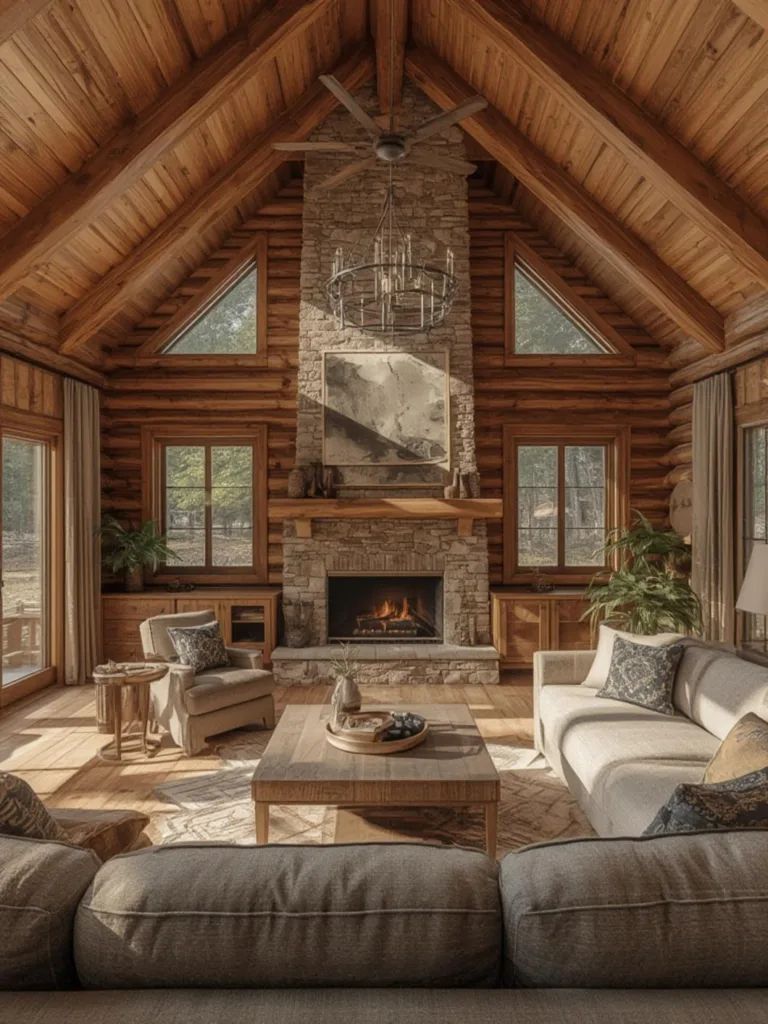
Even the most enthusiastic cabin designers can fall into common pitfalls:
- Over-Theming:
– Solution: Integrate cabin elements organically rather than filling spaces with themed objects like bears, moose, and pine trees
– Better Approach: Let authentic materials and craftsmanship speak for themselves - Improper Scale:
– Problem: Furniture that’s too small can look lost in spaces with substantial wood elements
– Solution: Choose appropriately scaled pieces that balance the visual weight of log walls and heavy architectural features - Inadequate Lighting:
– Issue: Dark wood absorbs light, making poorly lit cabin spaces feel gloomy
– Fix: Layer multiple light sources and incorporate reflective surfaces to brighten spaces - Material Incongruence:
– Mistake: Mixing too many wood species or finishes without a cohesive plan
– Better Method: Create a limited palette of complementary woods and finishes for harmony - Maintenance Oversight:
– Problem: Failing to plan for the specific maintenance needs of log construction
– Solution: Develop a preventative maintenance schedule addressing inspection, staining, sealing, and pest prevention
Maintenance & Longevity Tips
Maintaining the beauty and integrity of cabin-inspired spaces requires specific attention:
- Wood Element Maintenance:
– Apply appropriate sealants and finishes to protect exposed wood
– Schedule regular inspections for signs of moisture damage or pest activity
– Reapply exterior stains and sealants every 3-5 years
– Address any checks (cracks) in logs promptly to prevent water infiltration - Interior Care:
– Use appropriate cleaners for wood surfaces that won’t damage finishes
– Maintain consistent indoor humidity levels (30-50%) to prevent wood movement
– Protect wood floors with area rugs in high-traffic zones
– Dust exposed beams and high wood surfaces regularly - Seasonal Updates:
– Rotate textiles seasonally (lighter linens in summer, heavier wools in winter)
– Adjust window treatments to maximize or minimize sunlight as needed
– Inspect fireplaces and chimneys before winter use
– Check weatherstripping and caulking before extreme weather seasons - Long-term Considerations:
– Document all wood treatments and products used for future reference
– Establish relationships with specialized contractors for major maintenance
– Develop a multi-year maintenance calendar to track cyclical care needs
– Keep materials on hand for minor touch-ups and repairs
Conclusion
The enduring appeal of log cabin home designs lies in their ability to create spaces that feel simultaneously sheltering and connected to the natural world. Whether you’re embarking on a complete log cabin construction project or simply incorporating elements of this timeless style into your existing home, the principles of authenticity, natural materials, and craftsmanship remain central to success.
By thoughtfully balancing traditional cabin elements with your personal needs and preferences, you can create a space that offers both visual charm and functional comfort for years to come. The cabin aesthetic transcends mere decoration to create environments that encourage slowing down, connecting with loved ones, and appreciating the simple pleasures of home values that remain as relevant today as they were when the first log cabins were built centuries ago.
FAQs
How can I incorporate cabin elements into my home without a complete renovation?
Focus on adding exposed wood beams, a stone accent wall, cabin-inspired furniture pieces, and natural textiles like wool throws and leather upholstery. These elements can transform the feel of a space without structural changes.
What’s the approximate cost difference between authentic log construction and conventional construction with cabin aesthetics?
Authentic log homes typically cost 20-30% more than conventional construction initially. However, a conventional home with cabin-inspired finishes and features can achieve a similar aesthetic at a lower cost point, starting at around $200 per square foot versus $250-350+ for true log construction.
Are log homes energy efficient compared to conventional construction?
When properly designed and constructed with modern insulation techniques, log homes can be very energy efficient. The thermal mass of logs helps regulate temperature, though additional insulation is usually required to meet current energy codes. The efficiency ultimately depends on proper construction, sealing, and maintenance.
What are the best wood species to use for cabin-inspired furniture and finishes?
Pine offers an affordable option with distinctive knots and grain, cedar provides natural resistance to insects and moisture, oak delivers exceptional durability with pronounced grain patterns, and walnut offers darker tones for sophisticated cabin designs. Each species brings different aesthetic and functional qualities to your space.
How do I prevent my cabin interior from feeling too dark or heavy?
Balance dark wood elements with lighter walls, incorporate ample lighting at multiple levels, use mirrors strategically to reflect light, select some furniture pieces in lighter finishes, and incorporate textiles with lighter colors or patterns to create visual contrast and brightness.