Force a Snake Plant to Produce Pups 8 Proven Techniques
Have you ever gazed at a thriving Snake Plant, wondering how to get it to produce new pups? You’re not alone! Snake Plants, also known as Sansevieria, are not only adored for their striking appearance but also for their ability to purify indoor air. In this article, we will explore 8 proven techniques to force a Snake Plant to produce pups, giving you the tools to create your own tiny jungle at home.
Whether you’re a novice plant parent or an experienced green thumb seeking new ways to expand your plant collection, this guide will offer practical tips, insightful examples, and inspirational ideas. So, get ready to nurture your gardening skills and turn your living space into a natural oasis. Let’s dive into the world of Snake Plants and learn how you can encourage them to thrive and multiply!
Table of Contents
Why Snake Plants Are Popular in Home Decor
H2: The Aesthetic Appeal of Snake Plants
Snake Plants are prized in home decor for their striking architecture and diverse leaf patterns. Their tall, upright leaves bring a touch of elegance to any space. The plants thrive in various environments, making them perfect for modern interiors.
H2: The Benefits of Growing Snake Plants
Aside from their aesthetic value, Snake Plants are known for their air-purifying qualities. These plants can filter toxins from the air and improve indoor humidity levels. Their low maintenance needs make them ideal for busy lifestyles, providing beauty without extensive care.
Techniques for Forcing Snake Plants to Produce Pups
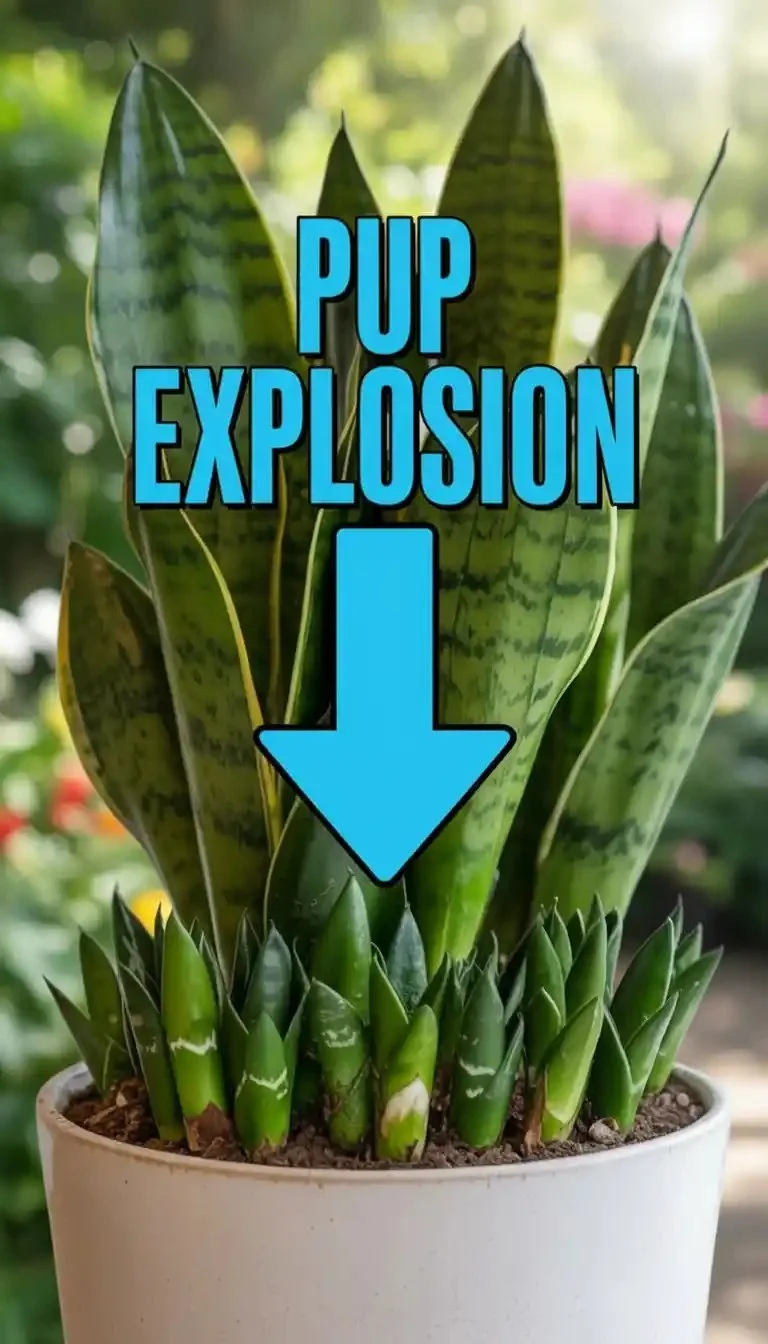
Understanding Pups and Their Formation
Snake Plants naturally produce pups or offshoots as a means of reproduction. If you want to encourage your plant to produce more pups, understanding its growth cycle is crucial.
Technique 1: Optimal Lighting Conditions
- Tip: Place your Snake Plant in bright, indirect sunlight.
- Why: While they can tolerate low light, adequate light encourages growth and pup production.
Technique 2: Ideal Watering Practices
- Tip: Water your plant thoroughly but allow the soil to dry out completely between waterings.
- Why: Overwatering can lead to root rot, hindering growth.
Technique 3: Fertilizing Wisely
- Tip: Use a balanced, all-purpose fertilizer once a month during the growing season.
- Why: Fertilizing provides the necessary nutrients for growth.
Technique 4: Dividing the Root System
- Tip: Repot your Snake Plant every couple of years and separate the pups.
- Why: This encourages the mother plant to produce more pups.
Technique 5: Providing the Right Temperature
- Tip: Keep your Snake Plant in a temperature range of 60 to 80 degrees Fahrenheit.
- Why: Extreme temperatures can stress the plant and inhibit pup production.
Technique 6: Monitoring Pest Issues
- Tip: Regularly check for pests such as spider mites and mealybugs.
- Why: Pests can affect the health of the plant and limit its growth.
Technique 7: Using Propagation Techniques
- Tip: Propagate using leaf cuttings to encourage more pups.
- Why: This technique can provide new growth opportunities for the plant.
Technique 8: Patience and Observation
- Tip: Allow time for your plant to adapt after changing its environment.
- Why: Frustration can lead to missed chances for new growth.
Ideas for Snake Plant Propagation
20 Ideas for Forcing Your Snake Plant to Produce Pups
- Bright Corner
- Create an inviting space with a beautiful chair and your snake plant letting in ample sunlight.
- Gallery Wall Background
- Use your Snake Plant as a backdrop for family photos or artwork.
- Bathroom Oasis
- Place your Snake Plant in the bathroom where humidity can help it thrive.
- Bookshelf Addition
- Layer your library with a few snake plants to liven up the area.
- Table Centerpiece
- Use a small Snake Plant on the dining table to create a natural look.
- Bedroom Serenity
- Place a Snake Plant on your nightstand for added charm while resting.
- Kitchen Accent
- A small Snake Plant can add life to your kitchen countertops.
- Entryway Welcoming
- Enhance the entryway with a tall Snake Plant for greeting guests.
- Home Office Companion
- Bring a touch of nature to your workspace with a potted Snake Plant.
- Sunroom Feature
- Create a tropical vibe in your sunroom with several Snake Plants.
- Outdoor Patio
- Bring your plants outside for the summer to soak in natural sunlight.
- Rustic Shelf Decor
- Use a wooden shelf to showcase your Snake Plant among rustic decor.
- Floating Plant Stand
- Elevate your plant’s position with a floating shelf in your living room.
- Colorful Pot Upgrade
- Change the pot to a colorful option for a fresh look.
- Seasonal Greens Display
- Place your Snake Plant among seasonal decorations for enhanced aesthetic.
- Inspirational Quotes Board
- Pair your plant with a board of motivating quotes in your workspace.
- Layered Textures
- Mix different textures with textiles around your Snake Plant.
- Formal Living Room
- Add elegance by placing a Snake Plant in a sleek container in your formal area.
- DIY Pot Crafting
- Craft your own personalized pot to match your home’s decor.
- Family Gathering Space
- Place Snake Plants where family gathers, creating a peaceful atmosphere.
Expert Tips for Instant Success
Interior designers recommend:
- Layering Textures: Combine different materials and plant types for visual interest.
- Mixing Natural Materials: Use rattan, wood, or stone around your Snake Plant for a cohesive look.
- Using Plants for Balance: Arrange your plants in odd numbers to create a balanced aesthetic.
FAQs
How do I know when to repot my Snake Plant?
Repot your Snake Plant when you notice roots coming out of the drainage holes or if the plant becomes top-heavy.
Can Snake Plants survive in low light?
Yes, Snake Plants can tolerate low light, but they thrive better with indirect sunlight.
How often should I fertilize my Snake Plant?
Fertilize your Snake Plant once a month during the growing season for optimal growth.
Can I propagate a Snake Plant in water?
Yes, you can propagate a Snake Plant in water, but transferring it to soil after rooting is essential.
What should I do if my Snake Plant is not producing pups?
Ensure that your plant has the right light, water, and nutrients for optimal growth. Consider repotting if the roots are crowded.
Conclusion
Growing and propagating Snake Plants is a rewarding experience that can enhance your home decor while contributing to a healthier living environment. By employing the techniques outlined in this article, you can create your own mini jungle of thriving Snake Plants. Remember that patience and care play key roles in the process. Enjoy the journey of nurturing these beautiful plants and watch as they bring life and energy to your home.