Flowering Herbs Made Easy: 7 Powerful Growth Tips
Have you ever dreamed of stepping into your kitchen and plucking fresh herbs for your culinary creations, regardless of the weather outside? Indoor herb gardens are revolutionizing the way we approach both cooking and home décor, offering a perfect blend of functionality and aesthetic appeal. The concept of cultivating herb gardens within our living spaces has gained tremendous popularity in recent years, as more people recognize the joy of growing their own herbs while simultaneously enhancing their interior design.
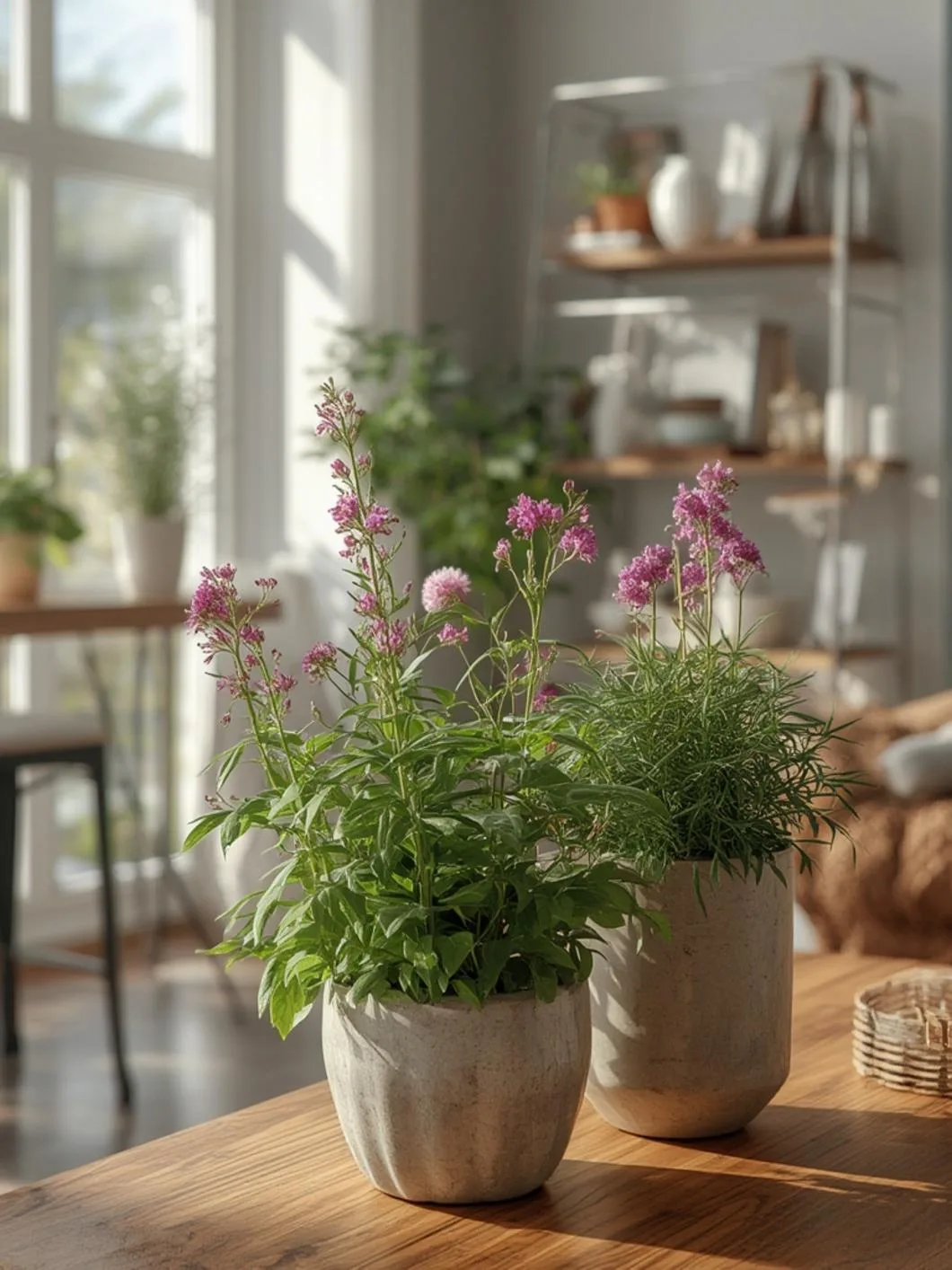
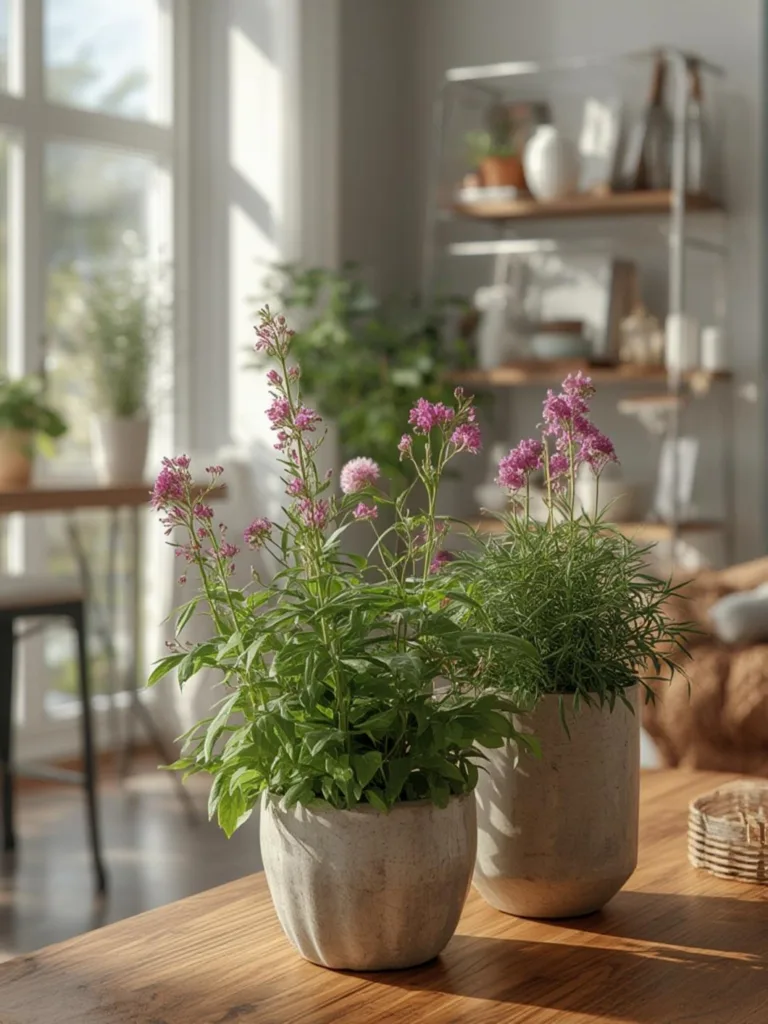
Many homeowners are particularly drawn to flowering herbs that add vibrant colors and pleasant aromas to their indoor spaces, creating a multisensory experience that ordinary décor simply cannot match.
Table of Contents
Design Concept Overview
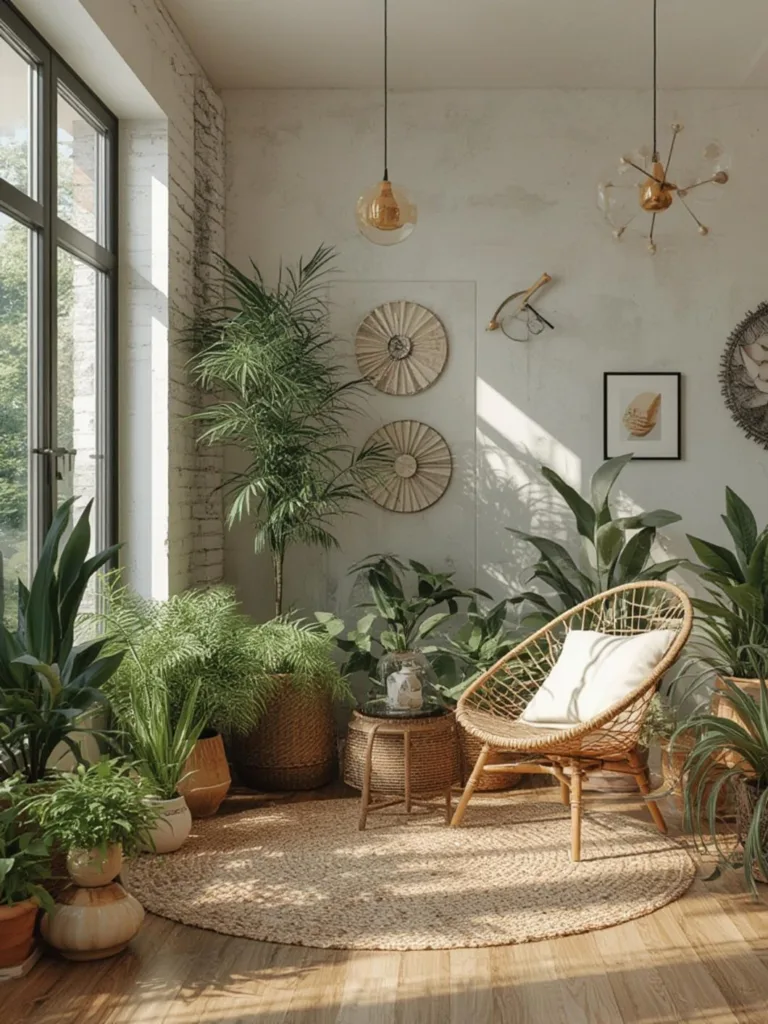
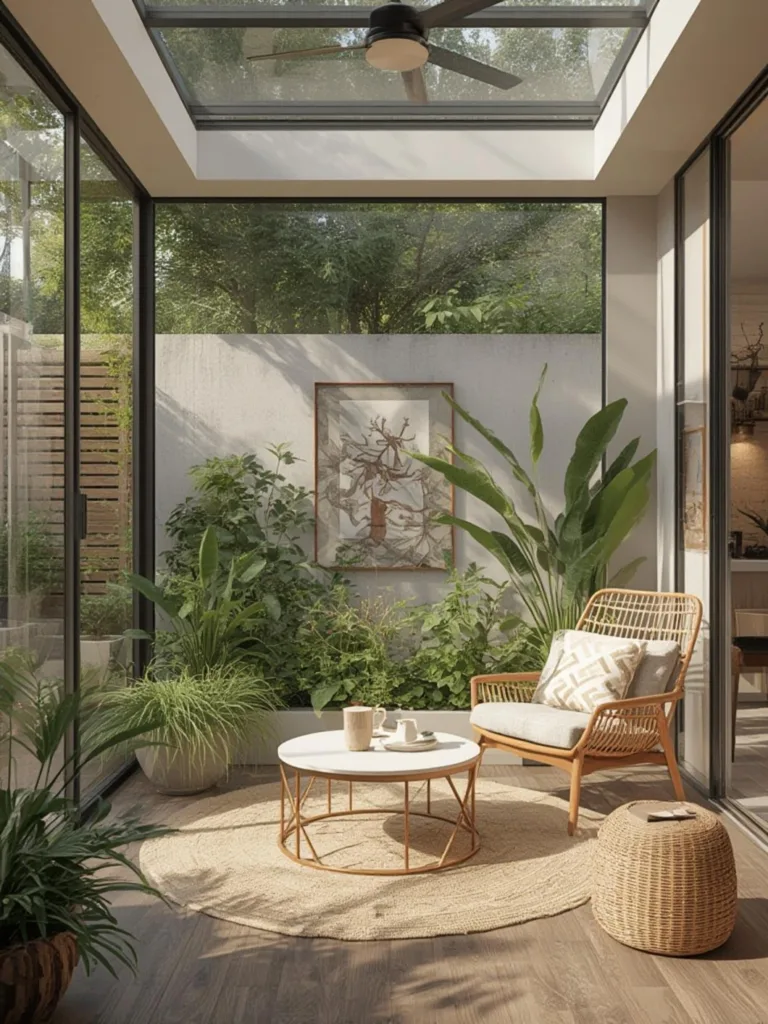
Indoor herb gardens represent a harmonious fusion of practicality and beauty. This design concept embraces biophilic principles connecting humans with nature while serving a practical purpose. The overall aesthetic typically leans toward a fresh, organic feel that can complement various interior styles from minimalist modern to cozy farmhouse.
The mood created by indoor herb gardens is one of tranquility, growth, and mindfulness. Color palettes generally include abundant greens of various shades, accented by terra cotta, natural woods, or sleek ceramics depending on your style preference. These gardens work best in spaces with ample natural light, making kitchens, breakfast nooks, sunrooms, and bright windowsills ideal locations. However, with proper planning and sometimes supplemental lighting, they can thrive in almost any room of your home.
Materials, Colors & Key Elements
Essential Materials:
– Containers: Choose from terra cotta pots, ceramic planters, wall-mounted systems, hanging planters, or specialized herb growing kits
– Growing medium: High-quality potting soil formulated for herbs or hydroponic systems
– Drainage materials: Pebbles, pottery shards, or specialized drainage systems
– Herbs: Beginners should start with resilient varieties like basil, mint, rosemary, thyme, and chives
Color Combinations:
– Natural palette: Various shades of green foliage with earthy container tones
– Contemporary contrast: Vibrant green herbs against white, black, or metallic containers
– Complementary scheme: Green herbs with terra cotta, natural wood, or woven elements
Key Design Elements:
– Tiered displays to maximize vertical space
– Hanging systems for smaller footprints
– Window-friendly arrangements to optimize natural light
– Specialized herb garden furniture like plant stands or rolling carts
– Label systems (chalkboard stakes, engraved markers) for identification
Budget-Friendly Alternatives:
– Repurposed containers: Mason jars, tin cans, or recycled containers with drainage holes added
– DIY wooden planter boxes from reclaimed materials
– Propagating herbs from grocery store purchases instead of buying seedlings
– Self-watering systems made from recycled bottles
Timing, Budget & Planning
Budget Considerations:
– Starter budget ($50-$100): Basic containers, soil, and 4-6 common herb varieties
– Mid-range budget ($100-$250): Decorative containers, quality potting medium, 8-10 herb varieties, basic grow light
– Luxury budget ($250+): Designer planters, specialized growing systems, rare herb varieties, professional-grade lighting
Planning Timeline:
– Research phase: 1-2 weeks to identify suitable herbs for your light conditions and culinary preferences
– Acquisition phase: 1 week to purchase containers, soil, and plants
– Setup phase: 1-2 days for arrangement and planting
– Establishment phase: 2-4 weeks for herbs to adapt to their new environment
Small Space Adaptations:
– Vertical wall gardens using pocket planters or modular systems
– Window box installations for apartment dwellers
– Countertop micro-gardens with compact varieties
– Hanging systems that utilize overhead space
– Multi-tiered stands that maximize vertical space with a small footprint
Step-by-Step Guide
1. Assess Your Space
– Identify areas with at least 4-6 hours of natural light (south or west-facing windows are ideal)
– Measure available space to determine container sizes and quantities
– Consider proximity to the kitchen for convenience
– Note temperature fluctuations and drafts that might affect herb health
2. Select Appropriate Containers
– Choose containers at least 6-8 inches deep for most herbs
– Ensure all containers have drainage holes
– Group containers with similar aesthetic to maintain design coherence
– Consider the visual weight and balance of your arrangement
3. Choose Herbs Based on Light Conditions
– Full sun (6+ hours): Rosemary, thyme, sage, flowering herbs like lavender
– Moderate sun (4-6 hours): Basil, oregano, mint, chives
– Lower light tolerance (3-4 hours): Parsley, mint, chives
4. Prepare Growing Medium
– Mix potting soil with perlite for improved drainage (ratio of 3:1)
– For container bottoms, add a layer of small pebbles or pottery shards
– Consider herb-specific soil mixes for specialized varieties
5. Plant and Arrange Your herb gardens
– Place taller herbs in back, shorter ones in front
– Group herbs with similar water requirements together
– Leave space between plants for growth (check mature size)
– Press soil firmly but gently around roots
6. Establish a Care Routine
– Develop a watering schedule based on individual herb needs
– Implement a rotation system for even light exposure
– Create a harvesting schedule to encourage bushy growth
– Plan for seasonal adjustments in care
7. Integrate with Your Interior Design
– Arrange containers to create visual interest through varying heights
– Consider color coordination between containers and your existing décor
– Use herb gardens as natural room dividers or focal points
– Incorporate complementary design elements like decorative watering cans
Benefits & Functional Advantages
Culinary Benefits:
– Fresh herbs contain more flavor and nutrients than store-bought alternatives
– Immediate access encourages more frequent use in cooking
– Ability to harvest exactly the amount needed reduces waste
– Opportunity to grow unusual varieties not commonly found in stores
Aesthetic Advantages:
– Living elements add texture, color, and visual interest to interior spaces
– Natural air purification as plants filter indoor pollutants
– Pleasant aromas create an inviting atmosphere
– Dynamic décor that changes and grows throughout seasons
Lifestyle Improvements:
– Nurturing plants provides stress relief and mindfulness opportunities
– Engaging children with growing edibles encourages healthy eating habits
– Sustainable practice that reduces packaging waste and transportation emissions
– Educational value in understanding plant life cycles and food sources
Alternative Styles & Customization Ideas
Style Variations:
– Modern minimalist: Clean-lined white or black containers arranged in geometric patterns
– Rustic farmhouse: Terra cotta pots, wooden crates, and vintage containers
– Industrial: Metal containers, pipe structures, and utility-inspired systems
– Bohemian: Macramé hangers, colorful ceramics, and eclectic container mix
Specialized Approaches:
– Hydroponic systems for soil-free growing
– Smart gardens with built-in lighting and watering systems
– Themed gardens (Italian cooking herbs, tea herbs, medicinal herbs)
– Seasonal rotation gardens that change with cooking preferences
Space-Specific Adaptations:
– Under-cabinet lighting systems for dark kitchens
– Rolling cart gardens that can move to follow sunlight
– Windowsill extenders to maximize limited sill space
– Magnetic or suction systems for refrigerator or window attachment
Common Mistakes to Avoid
1. Overcrowding Plants
– Problem: Insufficient air circulation leads to fungal issues
– Solution: Follow spacing guidelines for mature plant size, not seedling size
2. Incompatible Groupings
– Problem: Mixing herbs with vastly different water or light requirements
– Solution: Research and group herbs with similar needs together
3. Inadequate Drainage
– Problem: Waterlogged roots leading to root rot
– Solution: Always use containers with drainage holes and appropriate potting medium
4. Improper Harvesting
– Problem: Taking too much foliage at once, weakening the plant
– Solution: Never harvest more than 1/3 of a plant at one time
5. Neglecting Pest Monitoring
– Problem: Indoor environments can still harbor pests like aphids or spider mites
– Solution: Implement regular inspection and organic pest management
6. Aesthetic Inconsistency
– Problem: Mismatched containers creating visual chaos
– Solution: Maintain a cohesive design language through color, material, or shape
Maintenance & Longevity Tips
Regular Care:
– Establish a consistent watering routine based on individual herb needs
– Rotate containers periodically for even light exposure
– Prune regularly to encourage bushier growth and prevent legginess
– Dust leaves occasionally to ensure maximum photosynthesis
Seasonal Adjustments:
– Move plants away from cold windows in winter
– Adjust watering frequency as heating systems change indoor humidity
– Supplement with grow lights during shorter daylight months
– Reduce fertilization in winter months when growth naturally slows
Long-Term Management:
– Repot herbs every 12-18 months with fresh potting medium
– Propagate leggy specimens to refresh your collection
– Harvest seeds from annual herbs for future planting
– Divide perennial herbs like chives and mint when they outgrow containers
Conclusion
Indoor herb gardens represent a perfect marriage of form and function in home design, offering both practical benefits and aesthetic appeal. By following the guidelines in this comprehensive guide, you can create a thriving herb collection that enhances your culinary experiences while adding a touch of living beauty to your interior spaces.
Whether you’re drawn to the aromatic qualities of flowering herbs or the practical aspects of having fresh cooking ingredients at your fingertips, the satisfaction of nurturing your own herb gardens offers rewards that extend far beyond mere decoration. As you embark on this green journey, remember that the most successful indoor gardens are those that balance beauty with functionality, creating spaces that nourish both body and soul.
FAQs
What herbs grow best in low-light apartments?
Parsley, mint, chives, and some varieties of basil can tolerate lower light conditions (3-4 hours daily). Consider supplementing with affordable grow lights if your space receives minimal natural light.
How can I prevent herbs from outgrowing their containers too quickly?
Regular harvesting is key snip herbs frequently to encourage bushier growth rather than height. Choose appropriate container sizes for each herb type, and consider dwarf varieties specifically bred for container gardens.
Is it possible to grow herbs from kitchen scraps or grocery store purchases?
Yes! Many store-bought herbs can be propagated. Place stems of basil, mint, or rosemary in water until roots develop, then transfer to soil. Alternatively, some herbs like green onions can be regrown simply by placing their root ends in water.
What’s the best way to incorporate herb gardens into a minimal-space kitchen?
Look upward and consider vertical solutions like wall-mounted planters, hanging systems, or tiered stands. Magnetic planters on refrigerators, narrow windowsill containers, or under-cabinet growing systems can utilize otherwise unused spaces.
How do I balance aesthetics with practicality in my indoor herb garden?
Choose containers that complement your existing décor, arrange herbs with visual interest in mind (varying heights and textures), and consider the garden’s placement as part of your overall design scheme. Remember that function should guide your decisions herbs need proper light, so beauty must follow functionality.