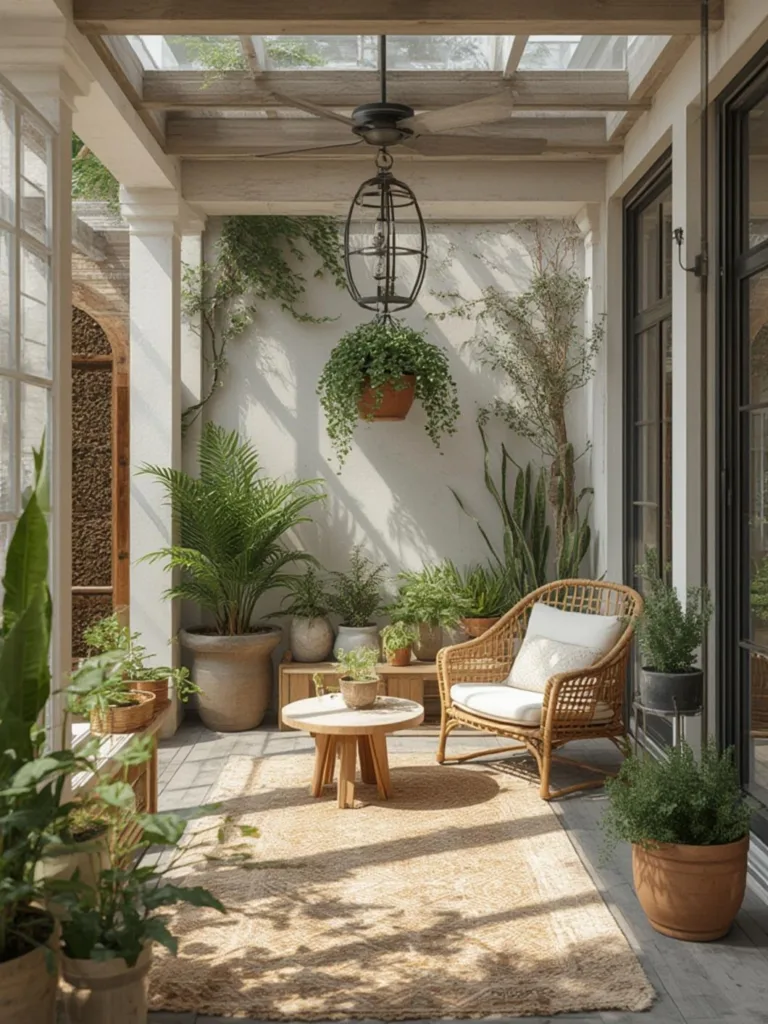
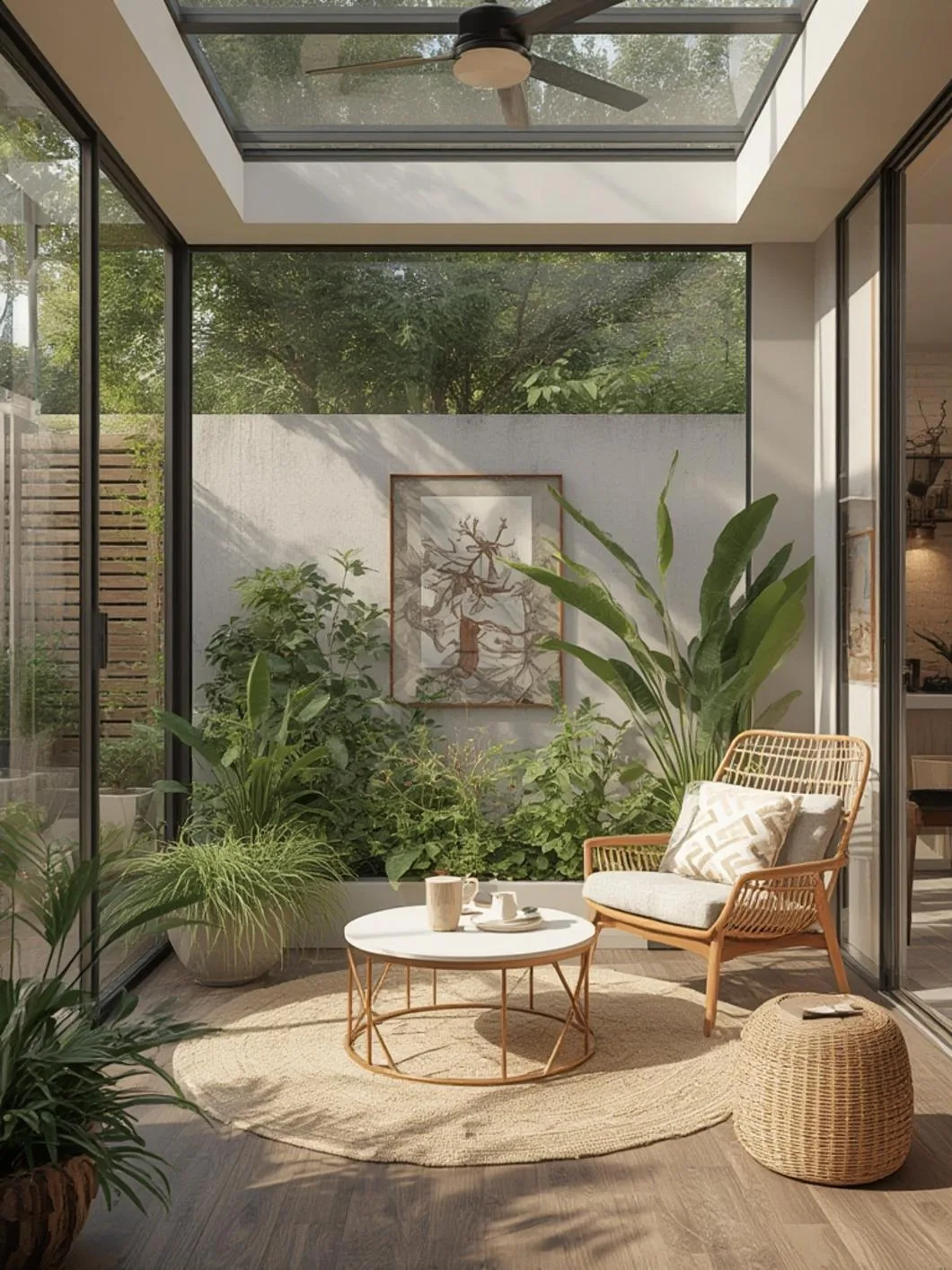
Garden design with 7 ideas garden design
Imagine stepping into your backyard and feeling like you’ve entered a personal retreat a space that combines beauty, functionality, and tranquility. This sensation is what makes thoughtful garden design so transformative for homeowners. Today’s outdoor spaces have evolved from simple lawns to sophisticated extensions of our living areas, with carefully curated plants, materials, and features.
The fusion of creative landscaping ideas with practical considerations creates spaces that not only look beautiful but also enhance our daily lives, providing areas for relaxation, entertainment, and connection with nature.
Table of Contents
Design Concept Overview
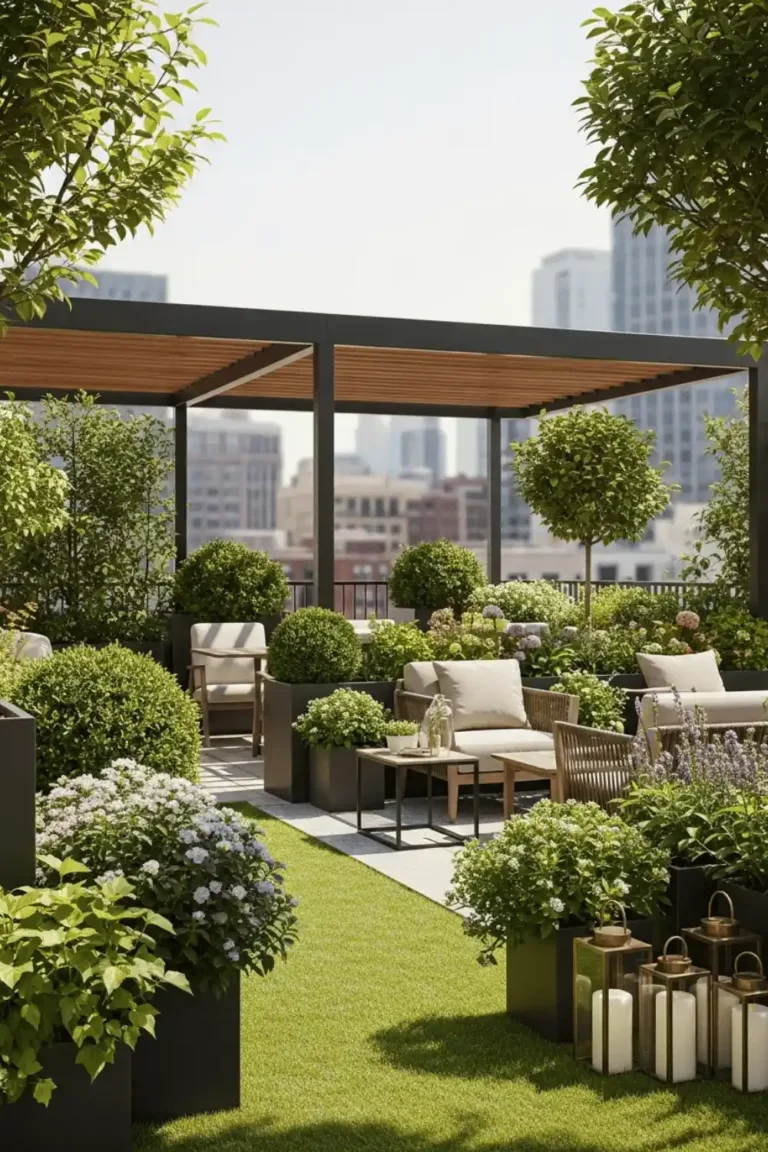
The modern outdoor oasis concept revolves around creating a multifunctional space that balances aesthetic appeal with practicality. This approach treats the garden as an extension of your home’s interior, with defined zones for different activities. The overall mood typically embraces tranquility and natural beauty, often incorporating a color palette inspired by nature earthy greens, soft blues, warm terracottas, and natural wood tones.
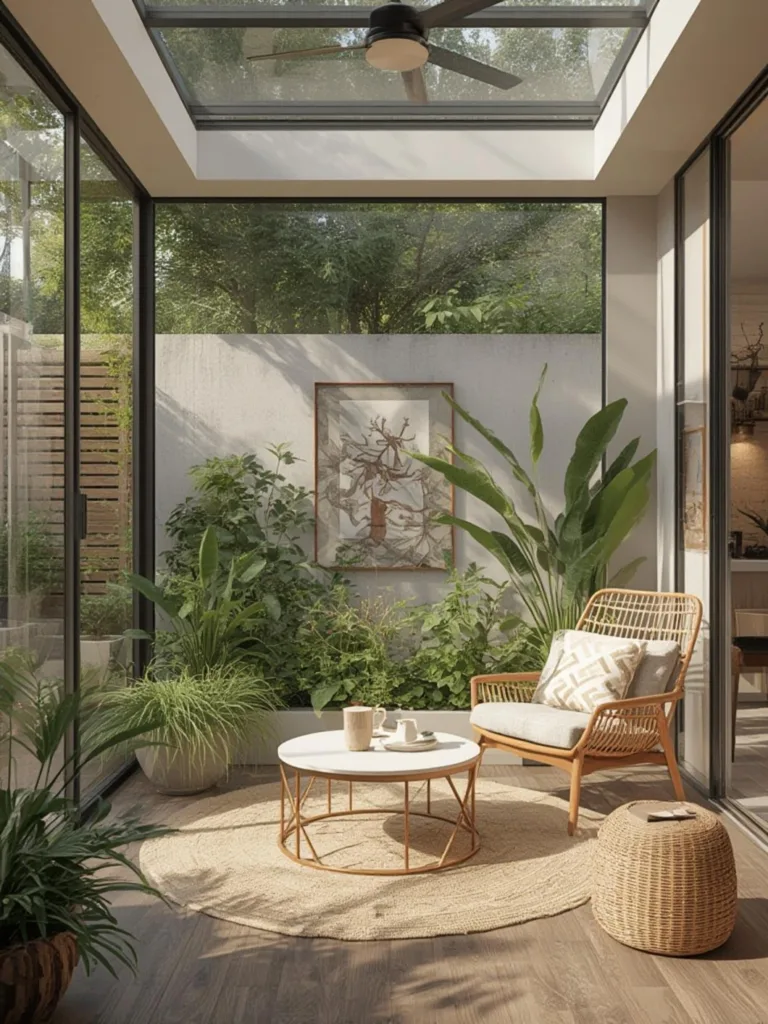
Successful outdoor sanctuaries work in various settings, from spacious suburban yards to compact urban patios. The key is thoughtful space planning and selecting elements that complement both your home’s architectural style and the surrounding environment. Whether you prefer formal symmetry, wild cottage-style abundance, or minimalist zen aesthetics, the foundation remains the same: intentional design that creates harmony between built elements and natural features.
Materials, Colors & Key Elements
Hardscaping Materials
– Natural stone: Flagstone, limestone, or slate for patios and pathways
– Wood: Cedar, redwood, or composite materials for decking and pergolas
– Gravel or decomposed granite: For pathways and transitional areas
– Concrete: Stamped, colored, or exposed aggregate for modern designs
Planting Elements
– Structural plants: Evergreen shrubs, ornamental grasses, and small trees
– Seasonal color: Flowering perennials and bulbs for year-round interest
– Container gardens: For flexible arrangements and seasonal updates
– Vertical elements: Climbing plants, living walls, or espalier techniques
Key Features
– Water elements: Fountains, ponds, or simple water bowls for sound and reflection
– Fire features: Fire pits, outdoor fireplaces, or tabletop fire elements
– Outdoor lighting: Path lights, uplighting, string lights, and lanterns
– Outdoor furniture: Weather-resistant seating, dining areas, and lounging options
Budget-friendly alternatives include using concrete pavers instead of natural stone, selecting younger plants that will grow to fill spaces, incorporating DIY projects like homemade planters, and phasing the project over multiple seasons to spread out costs.
Timing, Budget & Planning
Creating your outdoor oasis requires thoughtful planning and realistic budgeting:
Budget Ranges
– Small-scale refreshes: $1,000-$5,000 for new plants, simple hardscaping, and modest features
– Medium renovations: $5,000-$15,000 for partial hardscape renovations, quality furniture, and established plantings
– Complete transformations: $15,000-$50,000+ for professional design, extensive hardscaping, mature plantings, and premium features
Timeline Considerations
– Planning phase: 1-3 months for design development and material selection
– Implementation: Depends on scope, ranging from a weekend DIY project to 2-3 months for complex professional installations
– Establishment period: Allow 1-2 growing seasons for plants to mature and the garden to reach its full potential
Space Adaptations
For smaller spaces like apartments or townhomes, focus on:
– Vertical gardening techniques using wall-mounted planters or trellises
– Multi-functional furniture that can serve for dining and lounging
– Container gardening with wheels for flexibility
– Carefully selected statement plants that provide maximum impact in limited space
Step-by-Step Guide
1. Assess Your Space and Needs
Begin by evaluating your outdoor area’s existing conditions:
– Measure your space and note sun exposure patterns
– Identify views you want to highlight or screen
– List activities you want to accommodate (dining, lounging, play areas)
– Note existing elements that will remain (trees, structures, utilities)
2. Develop a Concept Plan
Create a rough layout incorporating your garden design vision:
– Sketch activity zones (dining area, lounge space, planting beds)
– Plan circulation paths between areas
– Note focal points and key features
– Consider how landscaping ideas might enhance privacy or frame views
3. Select Hardscape Materials and Features
Choose elements that complement your home’s architecture:
– Select paving materials for patios and pathways
– Decide on structural elements like pergolas, arbors, or retaining walls
– Plan for utilities (irrigation, lighting, drainage)
– Choose water or fire features if desired
4. Develop a Planting Scheme
Select plants appropriate for your climate and conditions:
– Choose anchor plants for structure (trees, large shrubs)
– Plan for seasonal interest with flowering perennials
– Include evergreens for year-round appeal
– Consider maintenance requirements and mature sizes
5. Implementation
Execute your plan in the correct sequence:
– Begin with major earthwork and drainage
– Install hardscape elements
– Complete irrigation and lighting systems
– Add soil amendments and prepare planting areas
– Install plants, starting with largest specimens
– Apply mulch and finishing touches
Benefits & Functional Advantages
A well-designed outdoor space offers numerous advantages:
Physical Benefits
– Creates comfortable microclimates for outdoor living
– Provides space for physical activity and recreation
– Can grow edible plants for nutritional benefits
– Improves property value (typically 15-20% ROI on professional landscaping)
Psychological Benefits
– Reduces stress and improves mental wellbeing
– Provides sensory engagement through fragrance, texture, and sound
– Creates opportunities for creative expression
– Offers a connection with nature and seasonal changes
Environmental Benefits
– Supports local wildlife and pollinators
– Helps manage stormwater runoff
– Creates cooling effects around buildings
– Can reduce energy costs through strategic shade planting
Alternative Styles & Customization Ideas
Adapt the basic principles to create distinctive garden styles:
Contemporary Minimalist
– Clean lines and geometric shapes
– Limited plant palette with emphasis on form
– Monochromatic color schemes
– Architectural plant specimens as focal points
Cottage Garden
– Abundant, informal plantings with romantic feeling
– Mix of flowering perennials, herbs, and edibles
– Curved pathways and picket fences
– Vintage accessories and climbing roses
Mediterranean
– Drought-tolerant plants like lavender, olive trees, and rosemary
– Gravel surfaces and terracotta containers
– Earth-toned hardscaping and stucco walls
– Emphasis on outdoor dining and entertainment
Japanese-Inspired
– Carefully pruned evergreens and specimen trees
– Water features with smooth stones
– Gravel or moss groundcovers
– Bamboo elements and stone lanterns
Common Mistakes to Avoid
Poor Space Planning
Problem: Patios too small for furniture, crowded plantings, or awkward circulation
Solution: Measure furniture before installing hardscaping and allow generous space for pathways (minimum 3 feet wide)
Ignoring Site Conditions
Problem: Plants struggling in inappropriate conditions or erosion issues
Solution: Conduct proper site analysis and select plants appropriate for your soil, light, and climate conditions
Neglecting Scale and Proportion
Problem: Features that look undersized or overwhelming
Solution: Use the rule of thirds for balance and ensure elements are properly scaled to both the human body and surrounding architecture
Overlooking Maintenance Requirements
Problem: Garden becomes overgrown or neglected
Solution: Be realistic about maintenance time and select appropriate plants and materials for your lifestyle
Impulsive Plant Purchases
Problem: Disjointed design with mismatched elements
Solution: Create a comprehensive plan before shopping and stick to your design concept
Maintenance & Longevity Tips
Seasonal Maintenance Schedule
– Spring: Pruning, dividing perennials, refreshing mulch, fertilizing
– Summer: Regular watering, deadheading, light pruning, pest monitoring
– Fall: Leaf cleanup, planting bulbs, protecting tender plants
– Winter: Structural pruning, planning for next season, maintaining hardscape
Long-term Considerations
– Plan for plant growth and mature sizes
– Use quality materials for hardscaping to minimize replacement
– Install proper drainage to prevent future problems
– Document your garden with photos and plant information for future reference
Sustainable Practices
– Implement water-wise irrigation systems
– Practice organic gardening methods
– Compost garden waste on-site when possible
– Choose native or adapted plants that require fewer inputs
Conclusion
Creating a personal outdoor sanctuary through thoughtful garden design is one of the most rewarding home improvement projects. Not only does it enhance your property’s beauty and value, but it also provides a meaningful space for relaxation, entertainment, and connection with nature. By approaching your outdoor space with intention considering both aesthetics and functionality you can transform even the most modest area into a compelling extension of your home. Remember that gardens evolve over time, so embrace the journey and adapt your landscaping ideas as you learn what works best for your specific environment and lifestyle needs. The result will be a personalized retreat that brings joy through every season.
FAQs
How much does professional garden design typically cost?
Professional garden design fees vary widely, typically ranging from $1,500-$5,000 for the design plan alone, depending on property size and complexity. Implementation costs are additional and depend on the selected materials and features.
Can I create an attractive garden in a small space or apartment balcony?
Absolutely! Small spaces can be transformed with container gardens, vertical plantings, and multi-functional features. Focus on a few high-impact elements rather than trying to include too many different features.
How do I create a low-maintenance garden that still looks attractive?
Choose native plants adapted to your region, install efficient irrigation systems, use quality mulch to suppress weeds, and select durable hardscaping materials. Consider automated systems for lighting and watering to reduce regular maintenance.
What’s the best way to blend different garden styles for a personalized look?
Start with a consistent hardscape material palette to create cohesion, then select plant groupings that reflect different styles in separate garden “rooms.” Use transitional elements like pathways or repeated plants to connect these areas harmoniously.
How can I make my garden more environmentally friendly?
Incorporate native plants that support local wildlife, install rain gardens or permeable paving to manage stormwater, reduce lawn areas, practice organic gardening methods, and collect rainwater for irrigation.