Best way to grow Rubber plant: 5 Care Tips for Success
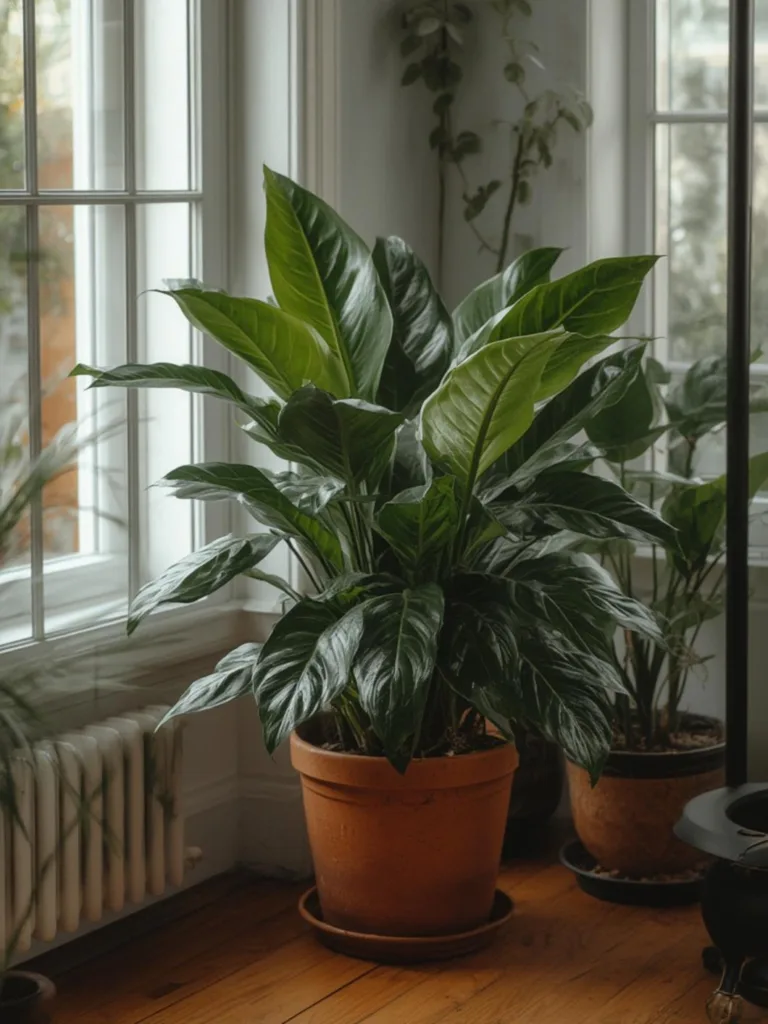
Have you ever admired the glossy, dramatic leaves of a Rubber plant in someone’s living room and wondered if you could grow one just as beautiful? With their striking appearance and air-purifying abilities, rubber plants (Ficus elastica) have become a staple in modern home décor. Creating a thriving environment for your rubber plant isn’t complicated once you understand the basics of Rubber plant care.
Whether you’re a novice gardener or an experienced plant parent, this comprehensive guide will walk you through everything you need to know to grow a healthy, vibrant rubber plant that becomes the centerpiece of your indoor garden.
Table of Contents
Materials & Supplies
Before bringing home your new rubber plant, gather these essential supplies to ensure you have everything needed for proper care:
1. Rubber plant cutting or young plant – Available at garden centers, nurseries, or online plant shops
2. Well-draining potting mix – Choose one formulated for indoor plants or mix regular potting soil with perlite
3. Container with drainage holes – Terracotta or ceramic pots work well and provide stability
4. Watering can – Preferably with a narrow spout for controlled watering
5. Spray bottle – For misting and increasing humidity around your plant
6. Pruning shears – Clean, sharp scissors or pruning tools for trimming
7. Plant stake or support – For taller plants that may need structural support
8. Leaf shine cloth – Microfiber cloth for gently cleaning leaves (optional)
9. Liquid houseplant fertilizer – Balanced, diluted formula
10. Humidity tray – Pebble-filled tray with water for increasing ambient moisture
11. Plant grow light – For rooms with insufficient natural light (optional)
Timing / Growing Schedule
Rubber plants can be started at any time of year when kept indoors, but they experience most active growth during spring and summer months. Here’s what to expect:
Initial Establishment Period: 2-4 weeks for a new plant to adjust to its environment
Active Growing Season: Spring through early fall (March-September)
Dormancy Period: Late fall through winter (October-February)
Growth Rate: Moderate to fast during growing season, with new leaves appearing every 3-4 weeks in optimal conditions
Maturity Timeline: 3-5 years to reach impressive height of 6-10 feet indoors (can grow much taller in outdoor tropical settings)
For best results, purchase young plants in early spring to take advantage of the full growing season. Unlike seasonal plants, rubber plants don’t follow strict planting schedules, making them versatile additions to your indoor garden any time of year.
Step-by-Step Instructions
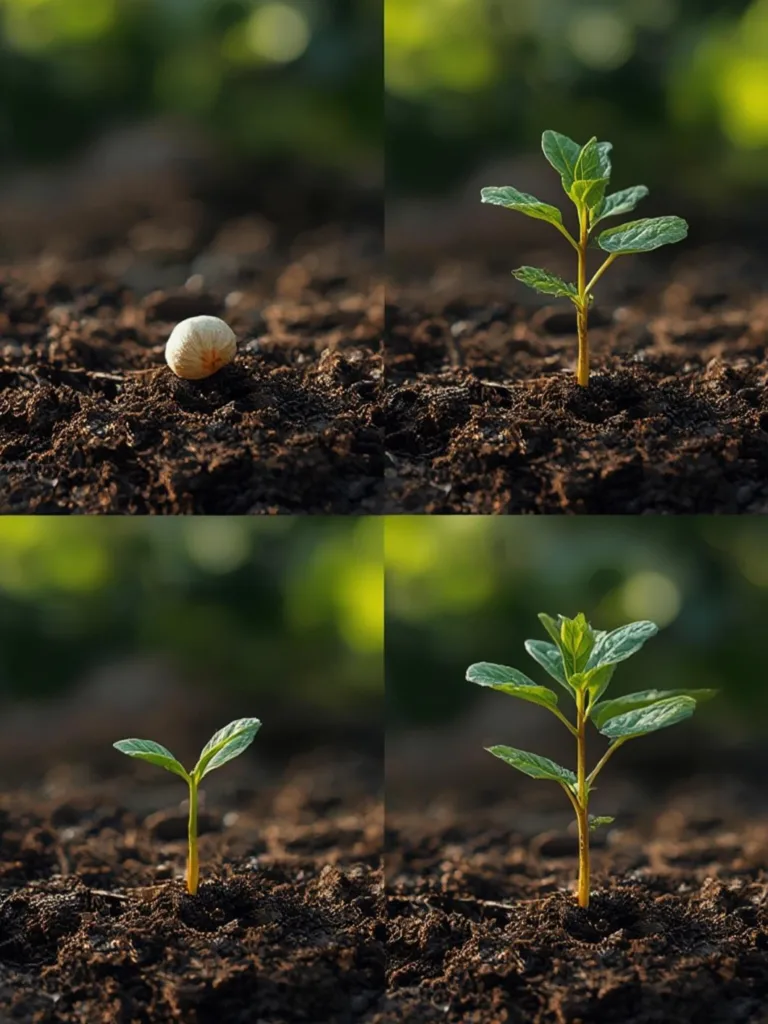
1. Choose the Right Location
Find a spot with bright, indirect light. Rubber plants thrive near east or north-facing windows where they receive morning sun but are protected from harsh afternoon rays. Rotate your Rubber plant regularly to ensure even growth on all sides. Place a humidity tray beneath your plant if your home is particularly dry, as these tropical natives appreciate moisture in the air.
2. Prepare the Pot and Soil
Select a container 1-2 inches larger than the root ball with drainage holes to prevent water accumulation. Add a layer of pebbles at the bottom to improve drainage. Mix potting soil with perlite or orchid bark at a ratio of 2:1 for optimal aeration and drainage. The proper soil mix is crucial for successful Rubber plant care.
3. Planting or Repotting
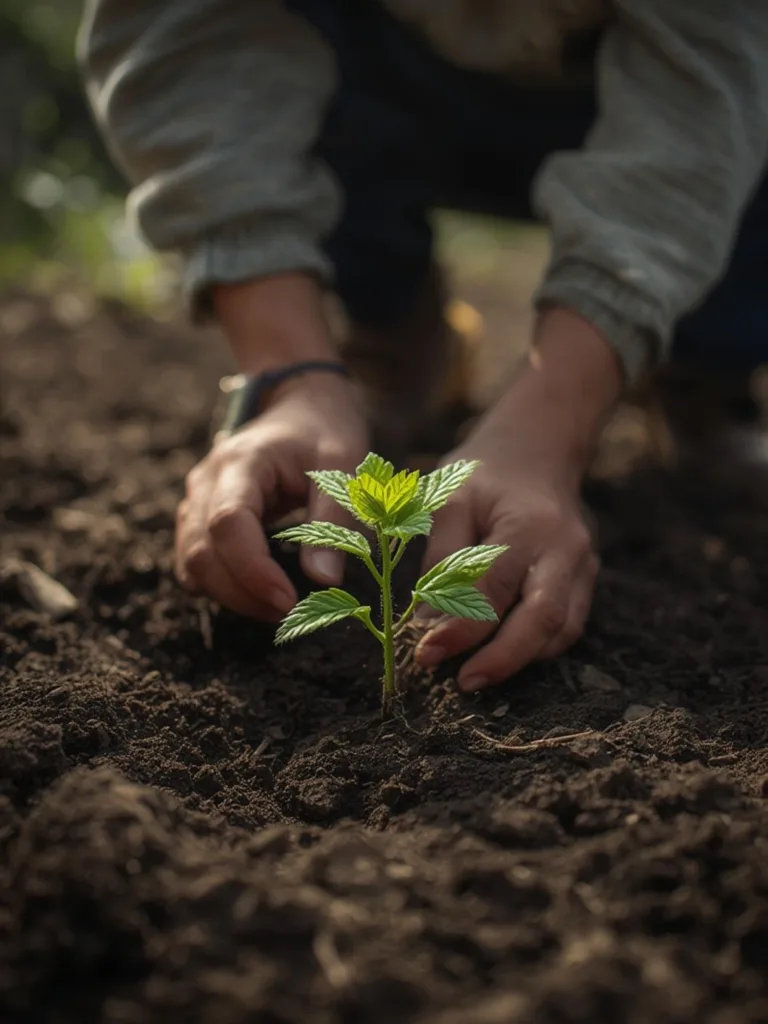
Gently remove your rubber plant from its nursery container, loosening the roots carefully if they appear root-bound. Place it in the center of the new pot, ensuring it sits at the same depth as before. Fill around the root ball with your prepared soil mix, pressing gently to eliminate air pockets without compacting too firmly.
4. Establish a Watering Routine
Water thoroughly after planting until water drains from the bottom holes. Develop a consistent watering schedule based on your home environment typically every 7-10 days during growing season and less frequently during winter. Always check the top 2 inches of soil before watering; if it feels dry, it’s time to water.
5. Maintain Optimal Conditions
Keep room temperatures between 60-80°F (15-27°C) and away from drafty windows, heating vents, or air conditioners. Mist leaves occasionally to increase humidity or use a pebble tray. Clean leaves monthly with a damp cloth to remove dust and help the plant photosynthesize efficiently.
6. Fertilize Appropriately
Feed your rubber plant with diluted liquid fertilizer once a month during the growing season (spring and summer). Reduce to every 6-8 weeks in fall and eliminate fertilizing completely during winter dormancy. Always apply fertilizer to damp soil to prevent root burn.
7. Prune and Maintain Shape
Trim leggy growth and remove damaged leaves using clean, sharp pruning shears. For branching, cut just above a leaf node on the main stem. Wear gloves when pruning as the milky sap can cause skin irritation in sensitive individuals.
Nutritional Benefits / Advantages
While rubber plants aren’t edible, they offer impressive benefits for your home environment:
– Air Purification: Rubber plants excel at removing toxins like formaldehyde, benzene, and trichloroethylene from indoor air
– Oxygen Production: Their large leaf surface area contributes significant oxygen to your living space
– Humidity Regulation: Transpiration process adds moisture to dry indoor environments
– Stress Reduction: Studies show that interacting with indoor plants reduces psychological and physiological stress
– Improved Concentration: Research indicates that houseplants can enhance focus and productivity in work environments
– Aesthetic Value: The striking appearance adds a natural design element to any room
– Longevity: With proper care, a rubber plant can thrive for decades, making it a long-term investment in your wellbeing
Tips, Alternative Methods, or Gardening Advice
For Limited Space: Try a variegated rubber plant variety like ‘Tineke’ or ‘Ruby’ which tend to grow more slowly and stay more compact than the standard green variety.
Propagation Method: Create new plants by air layering make a small incision in a healthy stem, wrap with damp sphagnum moss covered in plastic wrap, and wait for roots to develop before cutting and potting.
Light Alternatives: If natural light is limited, supplement with grow lights positioned 12-24 inches away for 6-8 hours daily.
Support Options: For tall plants developing a lean, insert a moss pole or bamboo stake for support, securing gently with soft plant ties.
Natural Leaf Shine: Rather than commercial leaf shine products, wipe leaves with diluted milk (1:10 ratio with water) for a natural, non-toxic shine.
Pet-Friendly Alternatives: If you have pets, consider that rubber plants are toxic if ingested. Place them on high shelves or opt for pet-safe alternatives like spider plants or Boston ferns.
Common Mistakes to Avoid
1. Overwatering
– Mistake: Watering on a fixed schedule regardless of soil conditions
– Solution: Always check soil moisture first; wait until the top 2 inches are dry before watering
2. Improper Light Exposure
– Mistake: Placing in direct sunlight or very low light conditions
– Solution: Position in bright, indirect light; leaves should appear vibrant but not receive direct sun rays
3. Temperature Fluctuations
– Mistake: Exposing to cold drafts or placing near heating vents
– Solution: Maintain consistent temperatures between 60-80°F and avoid locations with temperature swings
4. Ignoring Humidity Needs
– Mistake: Keeping in very dry environments without supplemental humidity
– Solution: Mist regularly, use a pebble tray, or place a humidifier nearby
5. Repotting Too Frequently
– Mistake: Moving to larger pots before necessary
– Solution: Only repot when roots are visible through drainage holes or growth slows significantly
Storage / Maintenance Tips
Seasonal Care Adjustments:
– Spring/Summer: Increase watering frequency, resume regular fertilizing, monitor for new growth
– Fall/Winter: Reduce watering by approximately 50%, stop fertilizing, move away from cold windows
Leaf Maintenance:
– Clean leaves monthly with a damp cloth to remove dust
– Rotate the plant quarter-turn weekly for even growth
– Remove any yellow or brown leaves promptly
Long-Term Care:
– Repot every 2-3 years in spring
– Refresh top layer of soil annually
– Check occasionally for pests, especially spider mites and mealybugs
– Apply neem oil preventatively every 2-3 months to discourage infestations
Support Requirements:
– Add stakes for plants taller than 3 feet to prevent toppling
– Use soft plant ties that won’t damage the stems
Conclusion
Growing a Rubber plant at home is a rewarding experience that transforms your living space with its dramatic presence while improving air quality. By following this comprehensive guide and maintaining consistent Rubber plant care, you’ll be able to enjoy a healthy, thriving specimen for years to come.
Remember that patience and observation are your greatest tools learn to read your plant’s needs through its appearance, and you’ll develop an intuitive understanding of when to water, fertilize, or adjust its environment. Why not start your rubber plant journey today? Share your rubber plant growing experiences in the comments below or explore our other houseplant guides to expand your indoor garden.
FAQs
Why are my rubber plant’s leaves drooping?
Drooping leaves usually indicate either overwatering or underwatering. Check the soil moisture if it’s soggy, allow it to dry out completely before watering again. If the soil is very dry and the plant perks up after watering, you waited too long between waterings.
How can I make my rubber plant branch out instead of growing tall?
To encourage branching, prune the top growing point of your rubber plant. Cut just above a leaf node with clean, sharp scissors. This will stimulate the plant to produce new growth points below the cut, creating a bushier appearance.
My rubber plant is losing leaves. Is this normal?
Some leaf drop is normal, especially of older bottom leaves. However, excessive leaf drop may indicate stress from improper watering, dramatic temperature changes, or insufficient light. Assess your care routine and make adjustments based on the plant’s needs.
How often should I repot my rubber plant?
Young rubber plants typically need repotting every 12-18 months, while mature plants can stay in the same pot for 2-3 years. Signs it’s time to repot include roots growing through drainage holes, water running straight through the pot, or significantly slowed growth despite proper care.
Can I grow a rubber plant from a cutting?
Yes, rubber plants can be propagated from stem cuttings. Take a 4-6 inch cutting with at least two leaves, let the cut end dry for a few hours, then place in water or moist soil. Keep warm and humid until new roots develop, which typically takes 3-5 weeks.