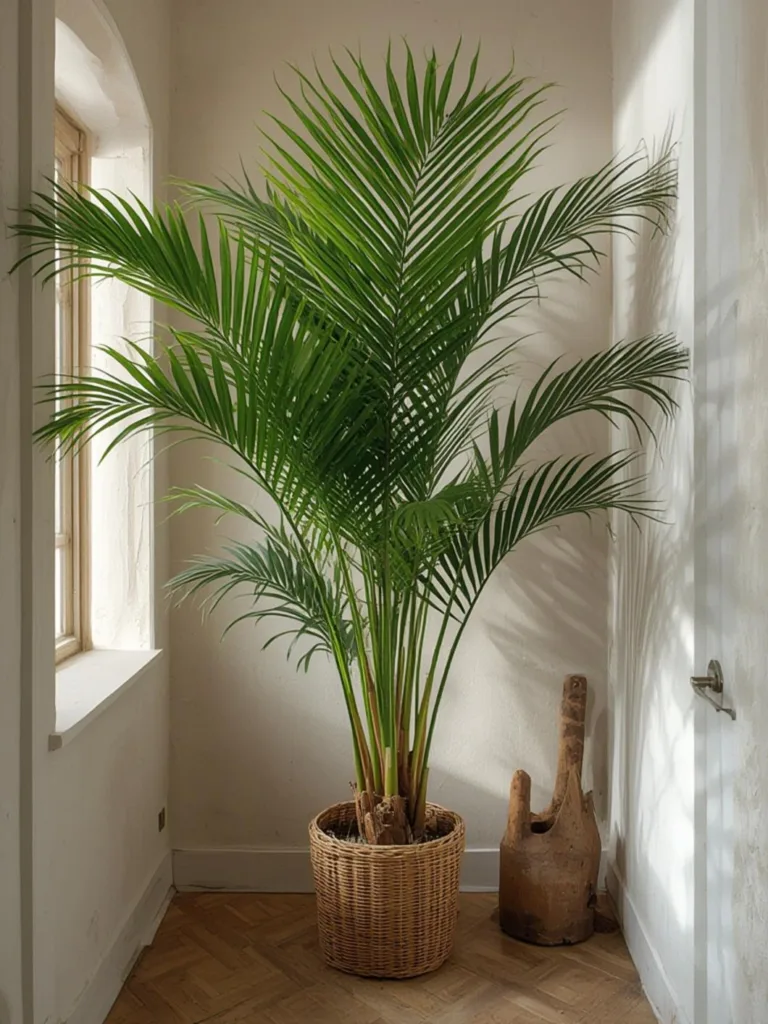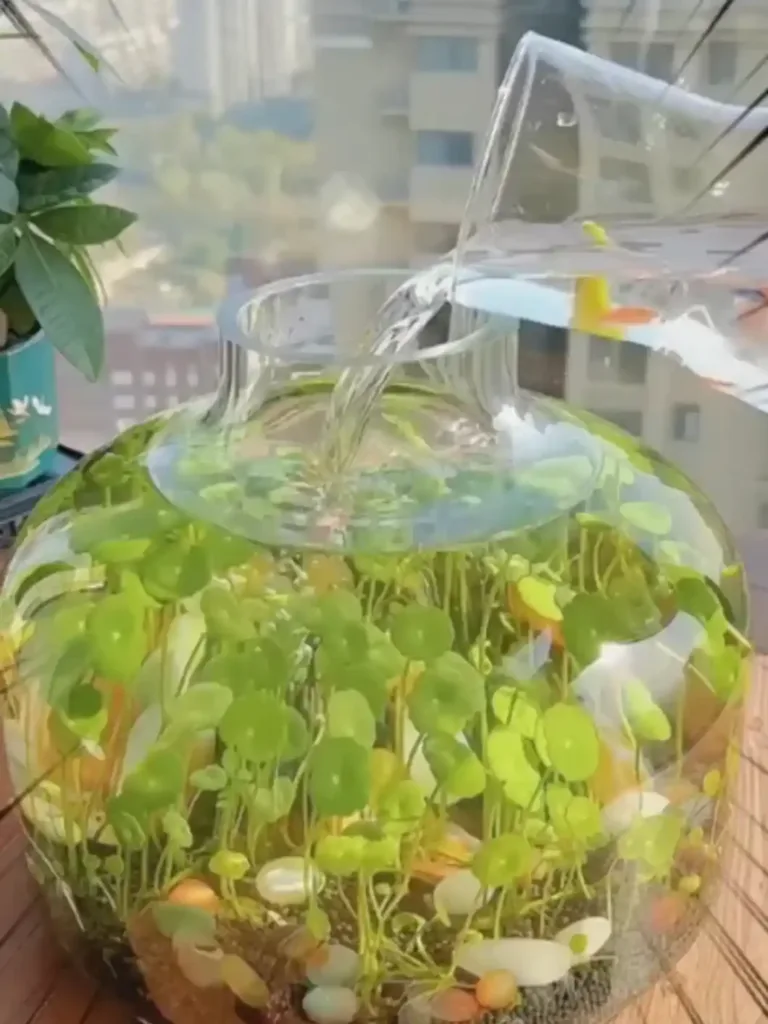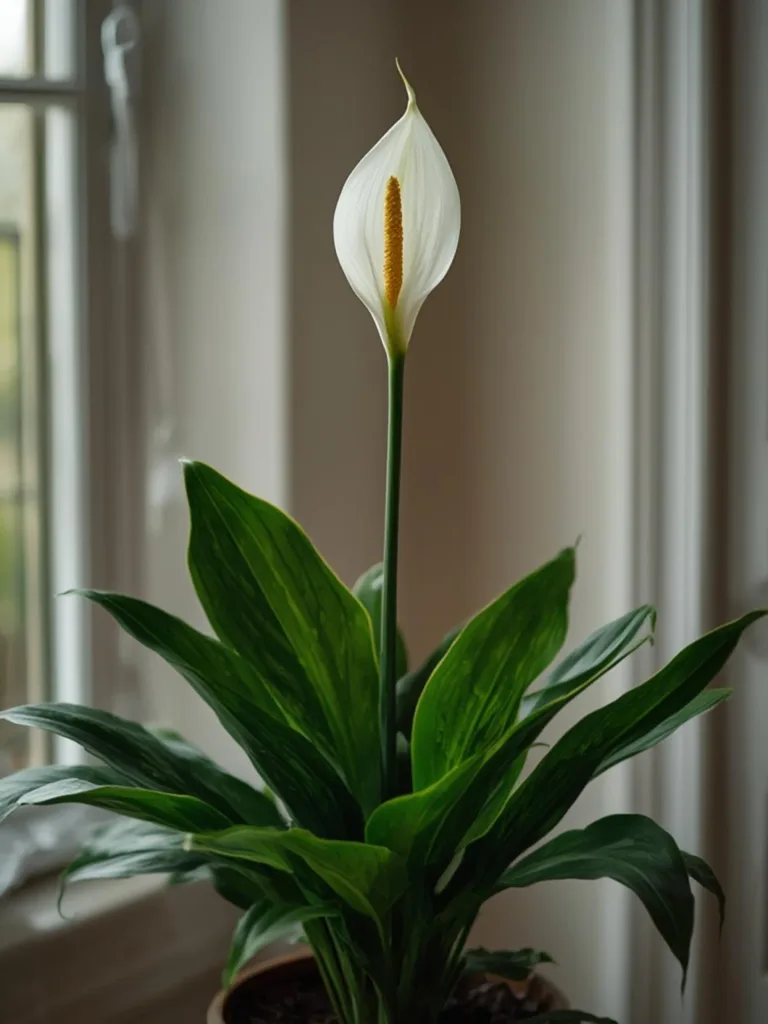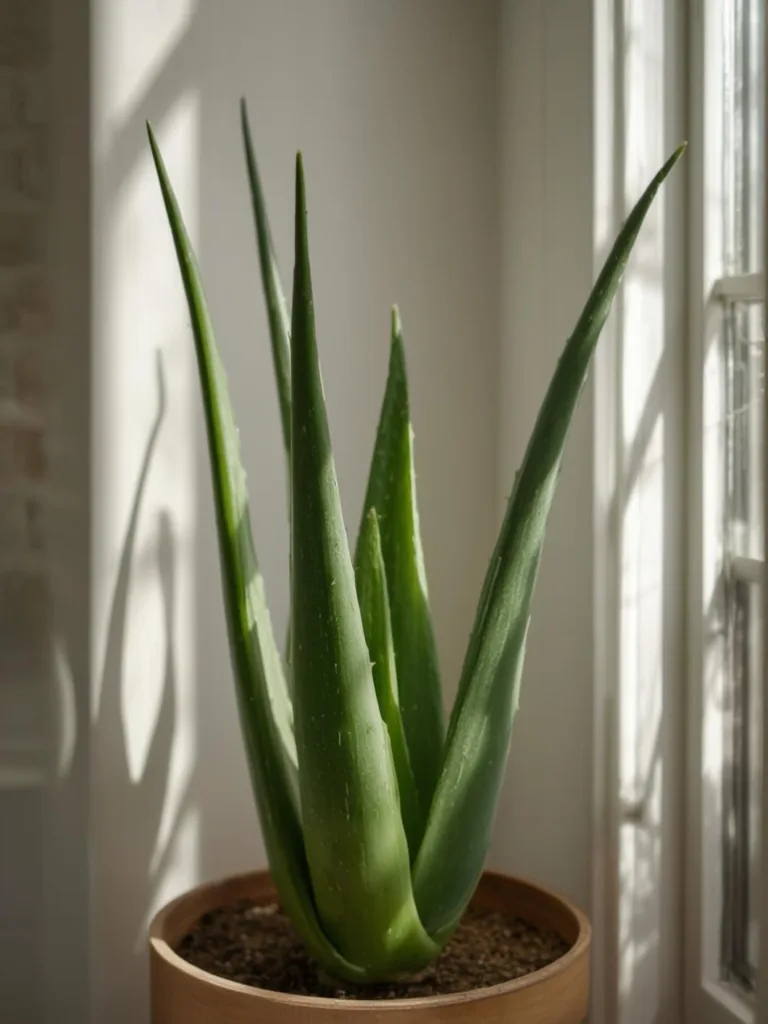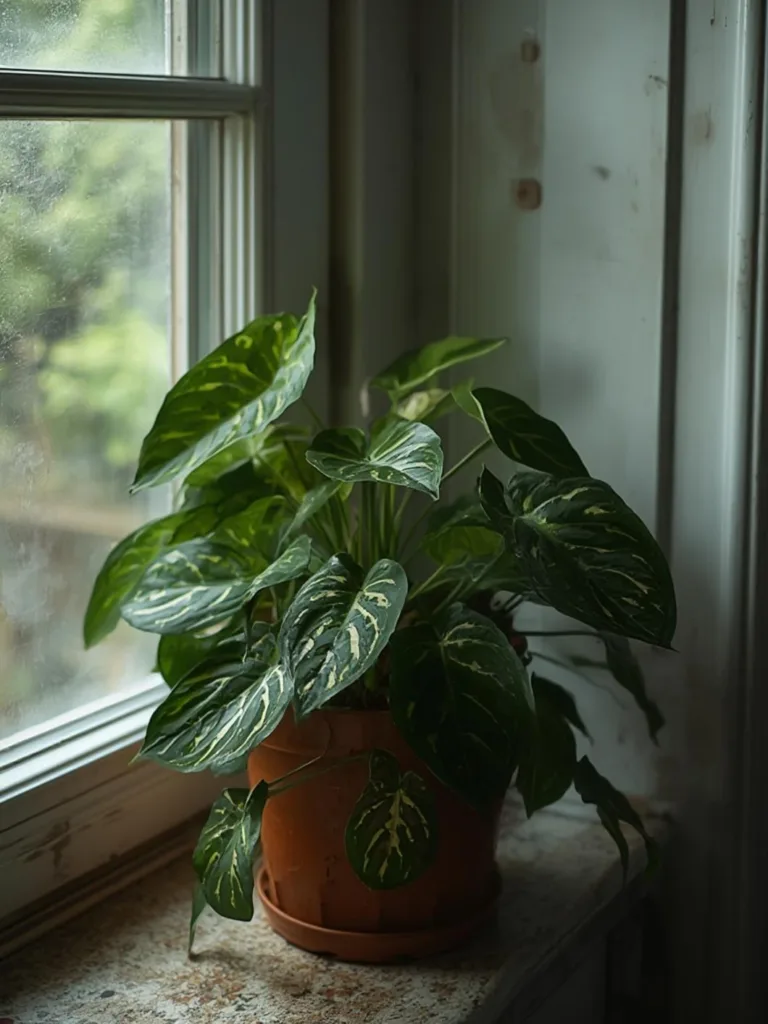
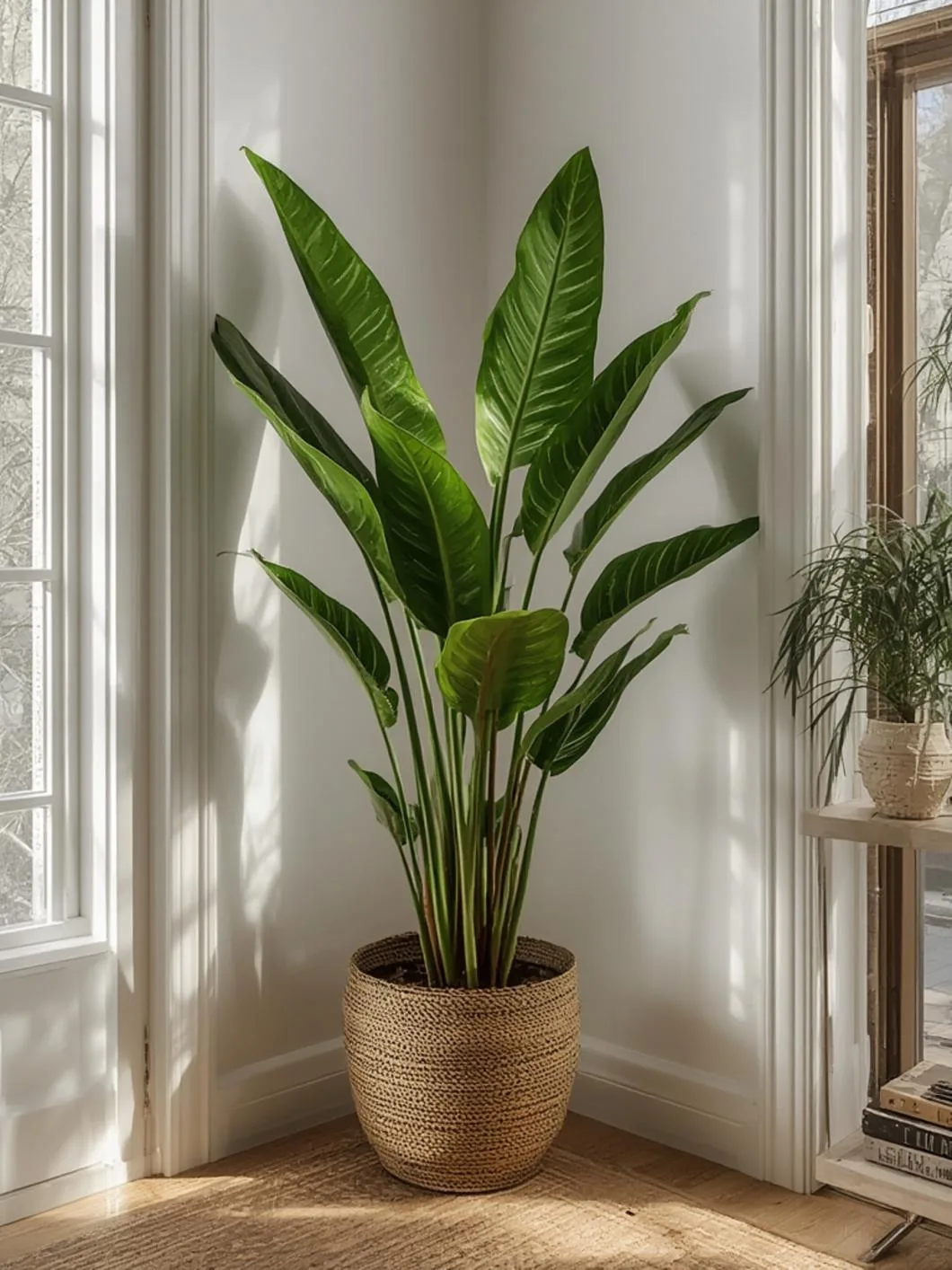
Best way to grow Dracaena in 5 steps
Have you ever walked into a room and been captivated by a tall, elegant plant with dramatic foliage that instantly elevates the space? Chances are, you’ve encountered a Dracaena, one of the most beloved houseplants among both beginners and experienced plant enthusiasts. With their striking architectural form and remarkable air-purifying abilities, these tropical beauties have become staples in homes and offices worldwide.
The versatility of Dracaena care makes these plants ideal for anyone looking to add a touch of natural elegance to their living space without the commitment of high-maintenance greenery. In this comprehensive guide, we’ll explore everything you need to know to successfully grow and maintain these stunning specimens.
Table of Contents
Materials & Supplies
To properly care for your Dracaena, you’ll need to gather these essential supplies:
- 1. Container with drainage holes – Choose a pot that’s 1-2 inches larger than the root ball with adequate drainage to prevent root rot.
- 2. Well-draining potting mix – A quality indoor plant mix or a blend of peat moss, perlite, and pine bark works well.
- 3. Watering can or spray bottle – For controlled, gentle watering that won’t disturb the soil.
- 4. Pruning shears – Clean, sharp scissors or pruning tools for removing dead leaves and shaping.
- 5. Plant fertilizer – A balanced, water-soluble houseplant fertilizer (typically with an N-P-K ratio like 10-10-10).
- 6. Humidity tray or plant mister (optional) – Helpful for maintaining proper humidity levels.
- 7. Plant support stake (for taller varieties) – To provide stability as your Dracaena grows.
- 8. Neem oil or insecticidal soap – For treating occasional pest problems.
Timing / Growing Schedule
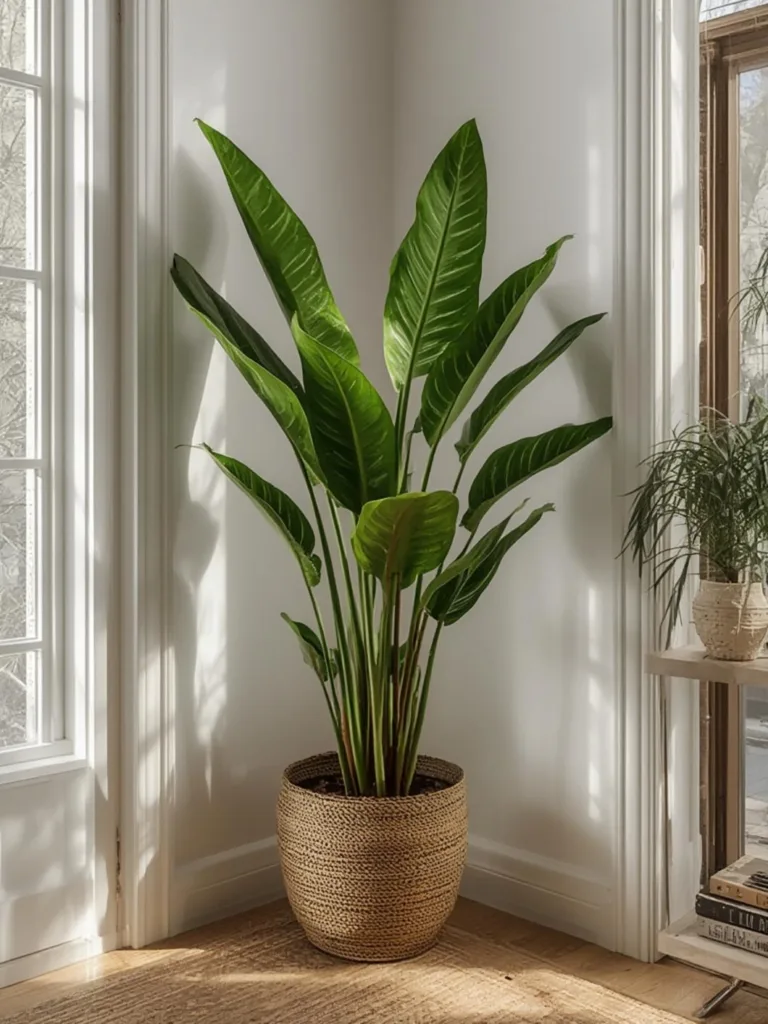
Dracaena plants are relatively slow growers, which contributes to their appeal as low-maintenance houseplants. Here’s what to expect regarding their growth timeline:
- Initial establishment period: 2-4 weeks for a new plant to adjust to its environment
- Active growth season: Spring and summer months (March through September)
- Dormant period: Fall and winter (October through February), when growth slows significantly
- Average growth rate: Approximately 6-10 inches per year, depending on the variety and conditions
- Maturity timeline: Most Dracaenas reach their full decorative potential within 3-5 years
- Repotting frequency: Every 2-3 years, or when roots become visible at the drainage holes
Unlike seasonal garden plants, Dracaenas can be purchased and brought home year-round, though they may establish more quickly when acquired during their active growing season.
Step-by-Step Instructions
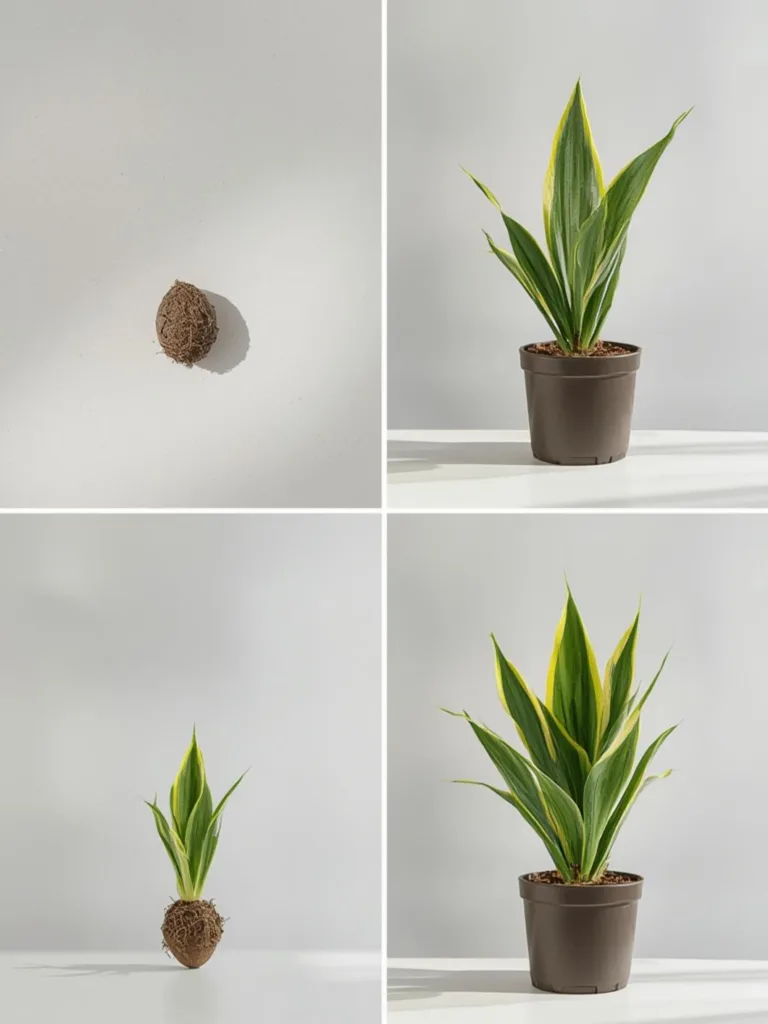
1. Selecting the Right Location
Choose a spot with bright, indirect light – never direct sunlight, which can scorch the leaves. Most Dracaena varieties can tolerate lower light conditions, but growth may slow. Maintain temperatures between 65-80°F (18-27°C) and keep away from drafty areas or heating/cooling vents.
Pro tip: Rotate your plant quarterly to ensure even growth on all sides.
2. Potting Your Plant
Select a container 1-2 inches larger than the root ball with proper drainage holes. Add a layer of potting mix to the bottom, place your Dracaena in the center, and fill around the sides with additional soil. Leave about an inch of space below the rim for watering.
Pro tip: Add a thin layer of decorative pebbles on top of the soil to prevent gnats and add visual appeal.
3. Establishing a Watering Routine
Allow the top 1-2 inches of soil to dry out completely between waterings. For most environments, this means watering every 7-14 days. Reduce frequency during winter months. Always use room temperature water, as cold water can shock the plant.
Pro tip: If you notice brown leaf tips, your plant likely needs more humidity – try grouping plants together or using a pebble tray with water.
4. Fertilizing Schedule
Apply a balanced, water-soluble fertilizer diluted to half-strength every 4-6 weeks during spring and summer. Suspend fertilization during fall and winter when Dracaena care requires less feeding.
Pro tip: Flush the soil thoroughly with water every few months to prevent fertilizer salt buildup.
5. Pruning and Maintenance
Remove yellow or brown leaves by snipping them off at the base. For height control, cut the cane at the desired height with sterilized shears – new growth will emerge from below the cut.
Pro tip: Save the cut cane pieces to propagate new plants by placing them in water or directly into soil.
Nutritional Benefits / Advantages
Beyond their aesthetic appeal, Dracaena plants offer several impressive benefits:
- Air purification: NASA’s Clean Air Study found that Dracaenas effectively remove toxins like formaldehyde, benzene, and trichloroethylene from indoor air.
- Oxygen production: Like all plants, Dracaenas convert carbon dioxide into oxygen, improving air quality.
- Humidity regulation: These plants naturally release moisture through transpiration, helping maintain healthier indoor humidity levels.
- Stress reduction: Studies show that indoor plants like Dracaenas can lower stress levels and improve mood and productivity.
- Biophilic connection: Dracaenas help satisfy our innate need to connect with nature, especially in urban environments.
- Low allergen potential: Unlike flowering plants, Dracaenas rarely trigger allergies, making them suitable for sensitive individuals.
Tips, Alternative Methods, or Gardening Advice
Different Dracaena Varieties for Different Spaces
- Dracaena marginata (Dragon Tree): Slender with thin, arching leaves; perfect for corners with limited floor space.
- Dracaena fragrans (Corn Plant): Broad leaves on thick stems; ideal as a substantial floor plant.
- Dracaena reflexa (Song of India): Compact with variegated leaves; excellent for tabletops or shelves.
- Dracaena sanderiana (Lucky Bamboo): Can grow in water alone; perfect for bathrooms or small spaces.
Adapting to Your Environment
- For low light conditions: Dracaena warneckii and Dracaena Janet Craig tolerate lower light better than other varieties.
- For dry homes: Dracaena marginata is more tolerant of dry air than other varieties.
- For pet owners: Consider positioning plants out of reach, as Dracaenas can be toxic to cats and dogs if ingested.
Natural Pest Control
Create a homemade insecticidal spray using 1 teaspoon of mild liquid soap mixed with 1 quart of water. Spray affected areas weekly until pests disappear.
Common Mistakes to Avoid

1. Overwatering
Problem: Soggy soil leads to root rot, yellowing leaves, and potential plant death.
Solution: Allow the top 1-2 inches of soil to dry completely between waterings. When in doubt, underwater rather than overwater.
2. Using Tap Water with Fluoride or Chlorine
Problem: Chemicals in tap water can cause brown leaf tips and margins.
Solution: Use filtered, distilled, or rainwater. If using tap water, let it sit out overnight to allow chlorine to evaporate.
3. Insufficient Light
Problem: Slow growth, smaller leaves, and loss of variegation in colored varieties.
Solution: Place in bright, indirect light. If natural light is limited, supplement with grow lights designed for houseplants.
4. Ignoring Pest Infestations
Problem: Spider mites, scale, and mealybugs can quickly infest and damage plants.
Solution: Inspect plants regularly, especially the undersides of leaves. Treat promptly with insecticidal soap or neem oil at the first sign of pests.
5. Fertilizing Improperly
Problem: Over-fertilizing causes salt buildup, burning roots and leaf tips.
Solution: Follow a seasonal fertilizing schedule with diluted fertilizer, and flush the soil thoroughly every few months.
Storage / Maintenance Tips
Seasonal Care Adjustments
- Spring/Summer: Increase watering frequency, resume regular fertilizing, and watch for new growth.
- Fall/Winter: Reduce watering by about 50%, stop fertilizing, and protect from cold drafts.
Long-Term Maintenance
- Cleaning: Dust leaves monthly with a damp cloth to keep them shiny and able to photosynthesize efficiently.
- Repotting: Every 2-3 years, move to a pot 1-2 inches larger in diameter. The best time is early spring before new growth begins.
- Pruning: Remove any dead or yellowing leaves throughout the year. Major pruning for shape should be done in spring.
- Propagation: For a fuller plant, cut the top off a leggy stem and plant it back in the same pot. New growth will emerge from the cut stem.
- Leaf care: Brown tips can be trimmed with sharp scissors following the leaf’s natural shape to maintain appearance.
Conclusion
With their striking appearance and forgiving nature, Dracaena plants truly deserve their place among the most popular houseplants worldwide. Whether you’re a beginning plant parent or a seasoned indoor gardener, the straightforward Dracaena care requirements make these versatile plants a rewarding addition to any indoor space. By following the guidelines in this article, you’ll be well-equipped to grow and maintain healthy, vibrant specimens that can thrive for years, even decades, bringing natural beauty and improved air quality to your home or office.
Ready to expand your indoor jungle? Start with a Dracaena today, and don’t forget to share your plant journey with us in the comments below! For more plant care guides and indoor gardening tips, explore our related articles on tropical houseplants.
FAQs
How often should I water my Dracaena plant?
Allow the top 1-2 inches of soil to dry out completely between waterings, which typically means watering every 7-14 days, depending on your home’s temperature, humidity, and light conditions. During winter, reduce watering frequency by about half.
Why are the tips of my Dracaena’s leaves turning brown?
Brown leaf tips usually indicate one of three issues: fluoride/chlorine in tap water, low humidity, or salt buildup from fertilizer. Try using filtered water, increasing humidity with a mister or humidifier, and flushing the soil thoroughly every few months to remedy this common problem.
Can I place my Dracaena in direct sunlight?
No, Dracaenas prefer bright, indirect light. Direct sunlight can scorch their leaves, causing brown patches and permanent damage. An ideal location is near an east or north-facing window, or a few feet away from a south or west-facing window.
How do I propagate my Dracaena plant?
Dracaenas are easily propagated by cutting a piece of stem at least 6 inches long, allowing the cut end to dry for a day, then placing it in water or directly into moist potting mix. Roots typically develop within 3-6 weeks, after which water-propagated cuttings can be transferred to soil.
Is my Dracaena plant safe for pets?
Unfortunately, all Dracaena varieties are toxic to cats and dogs if ingested, containing compounds that can cause vomiting, excessive salivation, and in rare cases, more serious symptoms. If you have pets, place these plants in areas they cannot access or consider pet-safe alternatives like spider plants or Boston ferns.