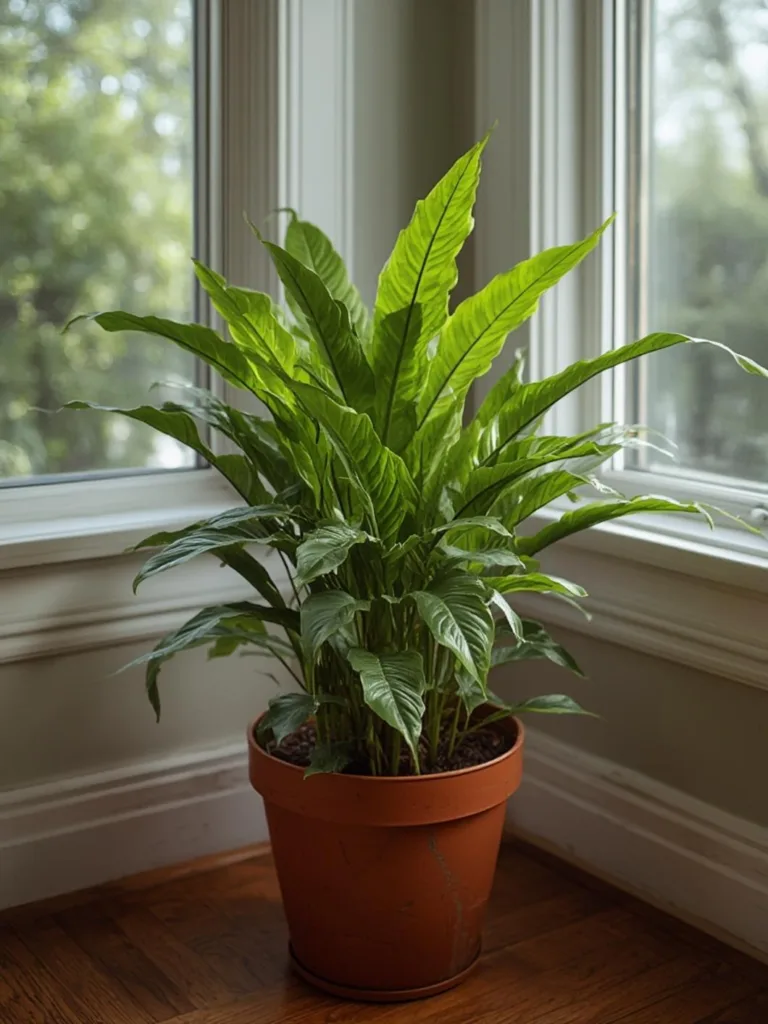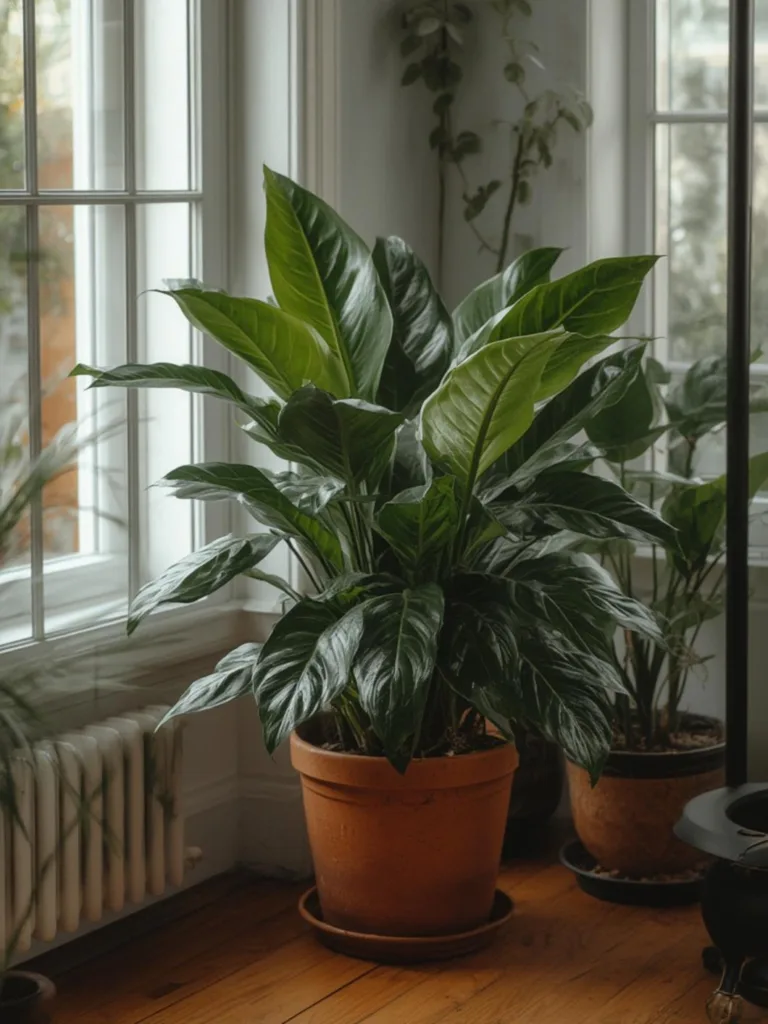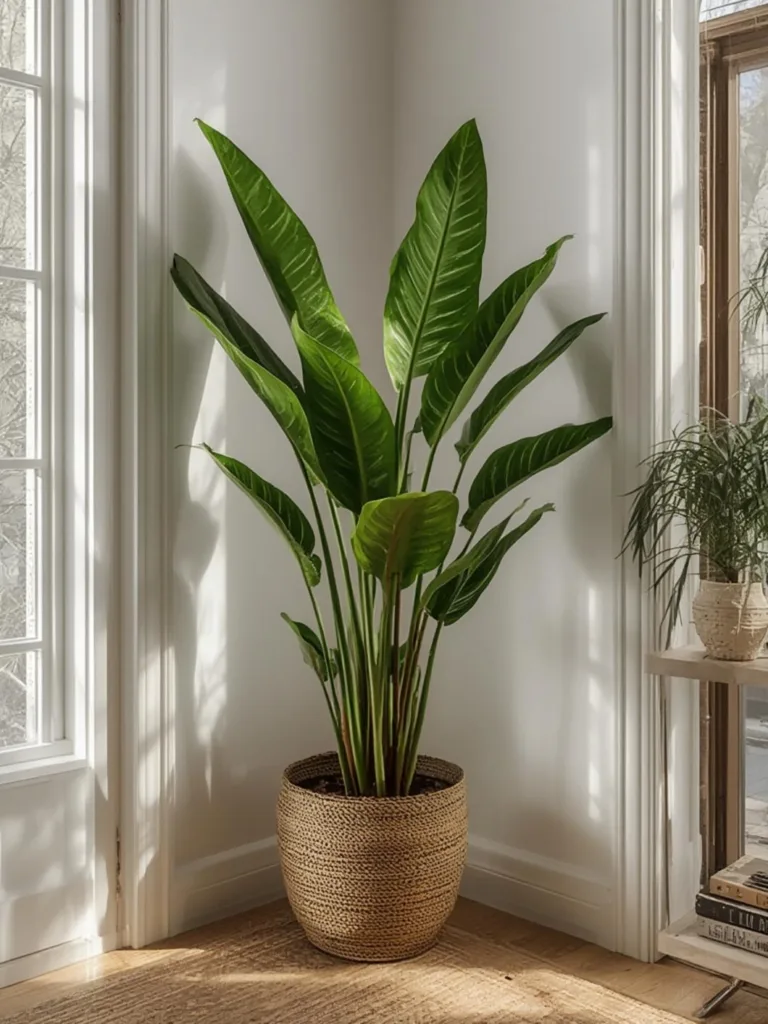
Best way to grow Areca palm in 5 steps
Have you ever walked into a beautifully designed space and noticed how a single majestic plant can transform the entire atmosphere? The Areca palm is exactly that kind of statement-making houseplant. With its graceful, feathery fronds and impressive height, this tropical beauty can turn any ordinary room into an exotic retreat.
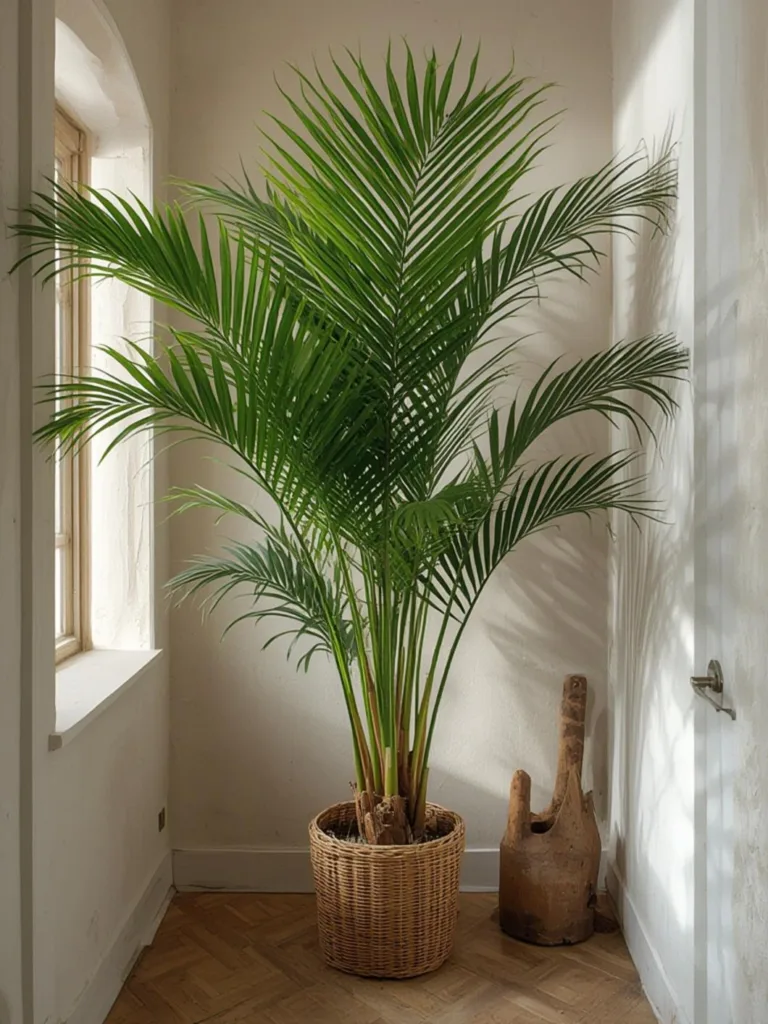
Growing the Areca palm at home not only enhances your interior décor but also provides impressive air-purifying benefits. If you’re considering adding this elegant plant to your collection or seeking advice on areca palm care, this comprehensive guide will walk you through everything you need to know to help your palm thrive.
Table of Contents
Materials & Supplies
Before bringing home your Areca palm, gather these essential items to ensure you’re fully prepared:
1. Healthy Areca Palm Plant – Select a specimen with bright green fronds and no brown tips or spots.
2. Well-draining Potting Mix – A mixture of regular potting soil, perlite, and coconut coir works well for palms.
3. Container with Drainage Holes – Choose a pot that’s 1-2 inches larger in diameter than the root ball.
4. Watering Can – Preferably with a narrow spout for controlled watering.
5. Spray Bottle – For misting to increase humidity around the plant.
6. Pruning Shears – Clean, sharp shears for trimming dead fronds.
7. Liquid Fertilizer – Balanced, water-soluble fertilizer designed for houseplants.
8. Tray with Pebbles – For creating a humidity zone beneath the plant.
9. Light Meter (optional) – To ensure optimal light conditions.
10. Neem Oil – For preventative pest control and leaf shine.
Timing / Growing Schedule
Understanding the growth patterns of your Areca palm will help you manage expectations and provide appropriate care:
Acquisition: Purchase Areca palms year-round, but spring is ideal as it’s the beginning of the growing season.
Establishment Period: 4-8 weeks for the plant to adjust to its new environment. Expect minimal growth during this time.
Active Growing Season: Spring through early fall (March to September). During this period, you’ll notice new fronds emerging.
Growth Rate: Moderate; typically grows 6-10 inches per year under ideal conditions. Younger plants grow faster than mature ones.
Maturity Timeline: Can reach 6-7 feet tall indoors over 5-7 years. In optimal conditions, some specimens may grow up to 8-10 feet.
Repotting Schedule: Every 2-3 years, preferably in spring. Young plants may need annual repotting.
Step-by-Step Instructions
1. Selecting the Perfect Location
Choose a bright spot with indirect light. East or west-facing windows are ideal for Areca palm cultivation. Avoid southern exposure unless filtered through sheer curtains, as direct sunlight can scorch the fronds. Northern exposures may be too dim, resulting in sparse growth.
Pro Tip: Rotate your palm a quarter turn weekly to ensure all sides receive equal light exposure, promoting symmetrical growth.
2. Potting Your Palm
Select a container 1-2 inches wider than the current pot. Fill the bottom third with your well-draining soil mix. Gently remove the plant from its nursery pot, loosen the roots slightly, and place it in the center of the new pot. Fill in around the sides with soil, leaving about an inch of space at the top.
Pro Tip: Add a layer of activated charcoal at the bottom of the pot before adding soil to prevent root rot and eliminate odors.
3. Watering Routine
Proper areca palm care requires attention to watering. Water thoroughly when the top inch of soil feels dry, allowing excess water to drain completely. Never let your palm sit in standing water. During winter, reduce watering frequency but never allow the soil to dry out completely.
Pro Tip: Use room temperature filtered water, as palms are sensitive to fluoride and chlorine in tap water.
4. Maintaining Humidity
Areca palms thrive in humidity levels of 40-60%. Increase humidity by placing the pot on a tray of pebbles with water, grouping plants together, or using a humidifier. Mist the leaves regularly, especially during heating season.
Pro Tip: Avoid placing your palm near heating vents, air conditioners, or drafty areas, as fluctuating temperatures and dry air will stress the plant.
5. Fertilizing Schedule
Feed your Areca palm with a balanced liquid fertilizer diluted to half strength every 4-6 weeks during the growing season (spring through early fall). Discontinue fertilizing in winter when growth naturally slows.
Pro Tip: Flush the soil thoroughly every few months to prevent fertilizer salt buildup, which can cause brown leaf tips.
6. Pruning and Maintenance
Remove yellow or brown fronds at the base using clean, sharp pruning shears. Never cut healthy green fronds, as this can stress the plant. Clean the leaves periodically with a damp cloth to remove dust and maintain their glossy appearance.
Pro Tip: Prune in spring to encourage new growth, and always sterilize your pruning tools with rubbing alcohol to prevent disease spread.
Nutritional Benefits / Advantages
The Areca palm offers numerous benefits beyond its aesthetic appeal:
Air Purification: Ranked among NASA’s top air-purifying plants, Areca palms efficiently remove toxins like formaldehyde, xylene, and toluene from indoor air.
Natural Humidifier: Through transpiration, these palms release moisture into the air, helping maintain healthy humidity levels which can benefit respiratory health.
Stress Reduction: Studies show that indoor plants like the Areca palm can reduce psychological and physiological stress, lowering blood pressure and anxiety levels.
Improved Concentration: Research indicates that having plants in work or study spaces can enhance focus and productivity by up to 15%.
Oxygen Production: Unlike most plants that release oxygen during the day, palms continue releasing oxygen at night, making them excellent bedroom companions.
Tips, Alternative Methods, or Gardening Advice
Growing in Different Light Conditions
While bright indirect light is ideal, Areca palms can adapt to medium light conditions. In lower light, reduce watering frequency and expect slower growth. Consider supplementing with grow lights during winter months in northern regions.
Container Considerations
Terracotta pots work exceptionally well for Areca palms as they allow soil to breathe and prevent waterlogging. However, they dry out faster, so monitor moisture levels closely. For larger specimens, consider lightweight fiberglass containers that mimic ceramic but are easier to move.
Climate Adaptations
In dry climates, increase humidity with daily misting and consider an automatic humidifier. In very humid environments, improve air circulation with fans and reduce watering frequency to prevent fungal issues.
Pet-Friendly Gardening
Unlike many palms, the Areca is non-toxic to cats and dogs, making it a safe choice for pet owners. However, consider elevating smaller plants on stands to prevent soil digging or plant toppling by curious pets.
Common Mistakes to Avoid
Overwatering
Problem: Soggy soil leads to root rot, yellowing fronds, and eventual plant death.
Solution: Allow the top inch of soil to dry between waterings, use pots with drainage holes, and reduce watering in winter months.
Inadequate Humidity
Problem: Brown leaf tips and edges indicate insufficient humidity.
Solution: Use humidity trays, grouping plants, or room humidifiers to maintain 40-60% humidity levels.
Improper Light Exposure
Problem: Too much direct sun causes scorched fronds; too little light results in sparse, leggy growth.
Solution: Place in bright, indirect light, filtering intense sunlight through sheer curtains if necessary.
Fertilizer Misuse
Problem: Over-fertilizing causes fertilizer burn, while under-fertilizing leads to nutrient deficiencies.
Solution: Use half-strength fertilizer during growing season only, and flush the soil occasionally to remove salt buildup.
Ignoring Pests Early
Problem: Spider mites and scale insects can quickly infest weakened palms.
Solution: Inspect plants regularly, focusing on leaf undersides. Treat early infestations with insecticidal soap or neem oil.
Storage / Maintenance Tips
Seasonal Care Adjustments
Spring/Summer: Increase watering frequency, resume fertilizing, monitor for new growth, and consider repotting if needed.
Fall/Winter: Reduce watering, stop fertilizing, protect from cold drafts, and supplement with grow lights if natural light decreases.
Long-term Maintenance
Cleaning: Dust fronds monthly with a damp cloth to keep stomata clear for proper transpiration.
Root Management: Check for circling roots annually, and gently loosen them when repotting to encourage outward growth.
Propagation: Divide mature plants during repotting by carefully separating clumps with multiple stems, ensuring each division has sufficient roots.
Pest Prevention: Apply neem oil quarterly as a preventative measure against common pests.
Growth Control: If your palm is reaching your ceiling, reduce fertilizer to slow vertical growth rather than cutting the top.
Conclusion
The elegance and air-purifying qualities of the Areca palm make it a worthwhile addition to any indoor plant collection. While these tropical beauties require consistent areca palm care, the effort is repaid with a stunning living sculpture that enhances your home’s beauty and your wellbeing.
Remember to provide bright indirect light, maintain proper humidity, water appropriately, and feed sparingly during the growing season. With patience and attention to these care requirements, your Areca palm will thrive for years, growing more impressive with age.
Ready to create your own tropical paradise? Start with one Areca palm and watch how it transforms your space. Share your palm-growing journey in the comments below, or explore our other houseplant guides to expand your indoor garden further!
FAQs
How often should I water my Areca palm?
Water when the top inch of soil feels dry to the touch, typically every 7-10 days in summer and every 2-3 weeks in winter. Always check soil moisture before watering rather than following a strict schedule, as indoor conditions vary significantly.
Why are the tips of my Areca palm’s fronds turning brown?
Brown tips usually indicate low humidity, excessive fertilizer, or sensitivity to fluoride in tap water. Increase humidity around the plant, reduce fertilizing frequency, and consider using distilled or filtered water. Trim brown tips with sterilized scissors if desired.
Can I place my Areca palm outdoors during summer?
Yes, Areca palms benefit from summer vacations outdoors in shaded locations with no direct sunlight. Gradually acclimate the plant to outdoor conditions over 7-10 days. Bring it back indoors when nighttime temperatures drop below 55°F (13°C).
How do I know when it’s time to repot my Areca palm?
Signs that repotting is needed include: roots circling the bottom or growing through drainage holes, water running straight through the pot without being absorbed, stunted growth, or the plant becoming top-heavy and unstable. Repot in spring every 2-3 years, moving to a container just 1-2 inches larger in diameter.
Is the Areca palm toxic to children or pets?
The Areca palm is considered non-toxic to children, cats, and dogs, making it a safe choice for households with curious little ones. However, ingestion of any plant material may cause mild digestive upset in some individuals, so it’s best to keep plants out of reach when possible.