Best way to grow a colorful kids room in 7 steps
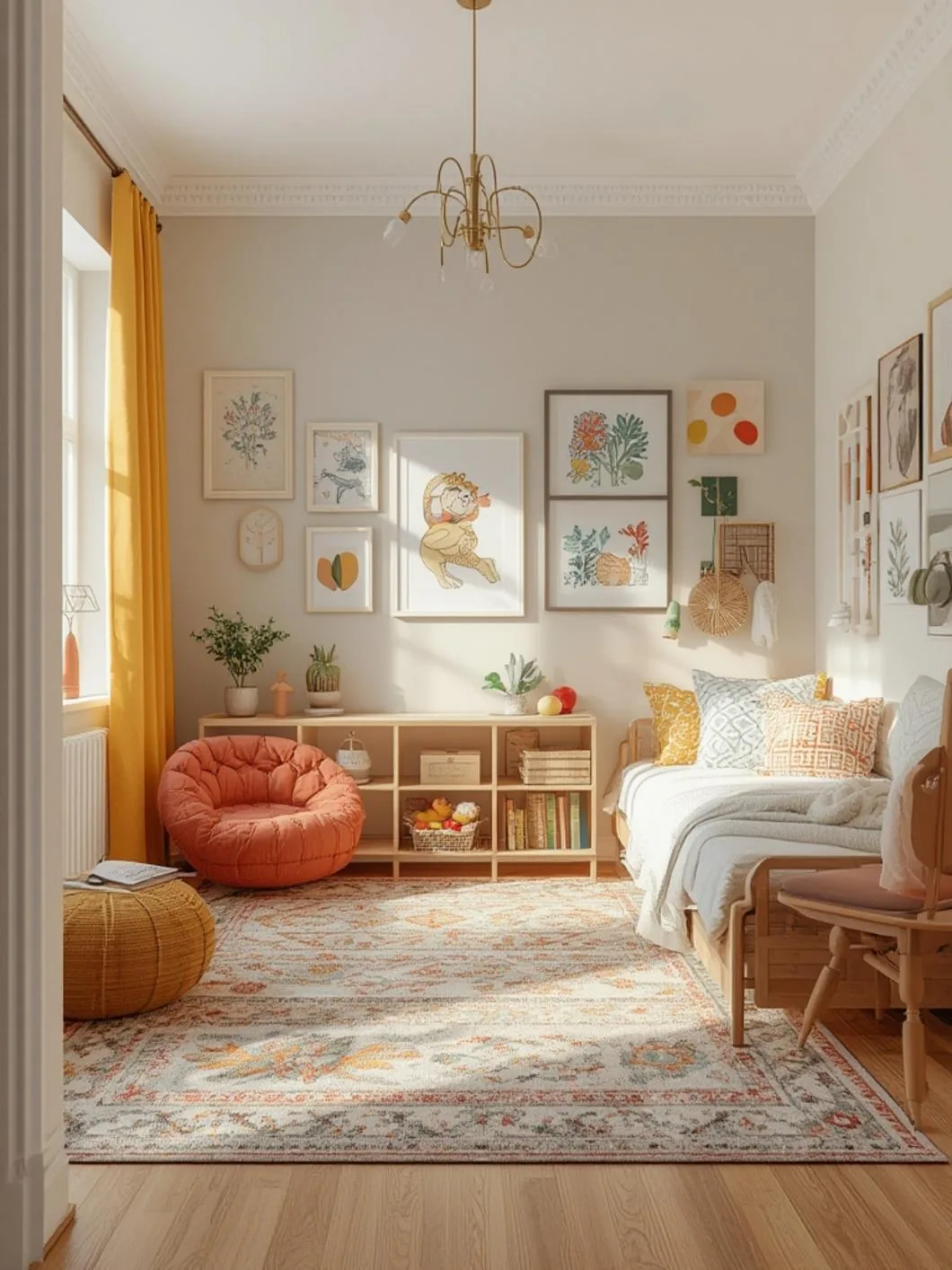
Imagine stepping into a space where imagination runs wild, creativity flourishes, and joy radiates from every corner. When designing children’s spaces, the possibilities are endless and exciting! A colorful kids room serves as both a functional space and a canvas for self-expression, helping children develop their identities while providing comfort and stimulation.
Today’s parents are increasingly recognizing the impact environment has on child development, which explains why vibrant kids decor has become such a powerful trend in interior design. From playful patterns to engaging themes, creating a space that grows with your child while nurturing their imagination is both an art and a science that we’ll explore together.
Table of Contents
Design Concept Overview
The ideal children’s space balances playfulness with practicality, creating an environment that stimulates creativity while remaining functional. This design philosophy centers around combining vivid colors, interactive elements, and adaptable furniture that can evolve as your child grows.
The most successful kids’ spaces incorporate:
– Dynamic color psychology (bright colors for play areas, calmer tones for sleep zones)
– Interactive design elements that encourage exploration
– Flexible storage solutions that teach organization
– Personalized zones that reflect your child’s interests
– Growth-minded furniture that adapts to changing needs
This approach works particularly well in dedicated bedrooms, playrooms, or even converted corner spaces within family rooms. The key is creating a harmonious environment that balances stimulation with functionality, allowing children to thrive while maintaining order in your home.
Materials, Colors & Key Elements
Color Palette
– Primary colors (red, blue, yellow) for a classic, energetic vibe
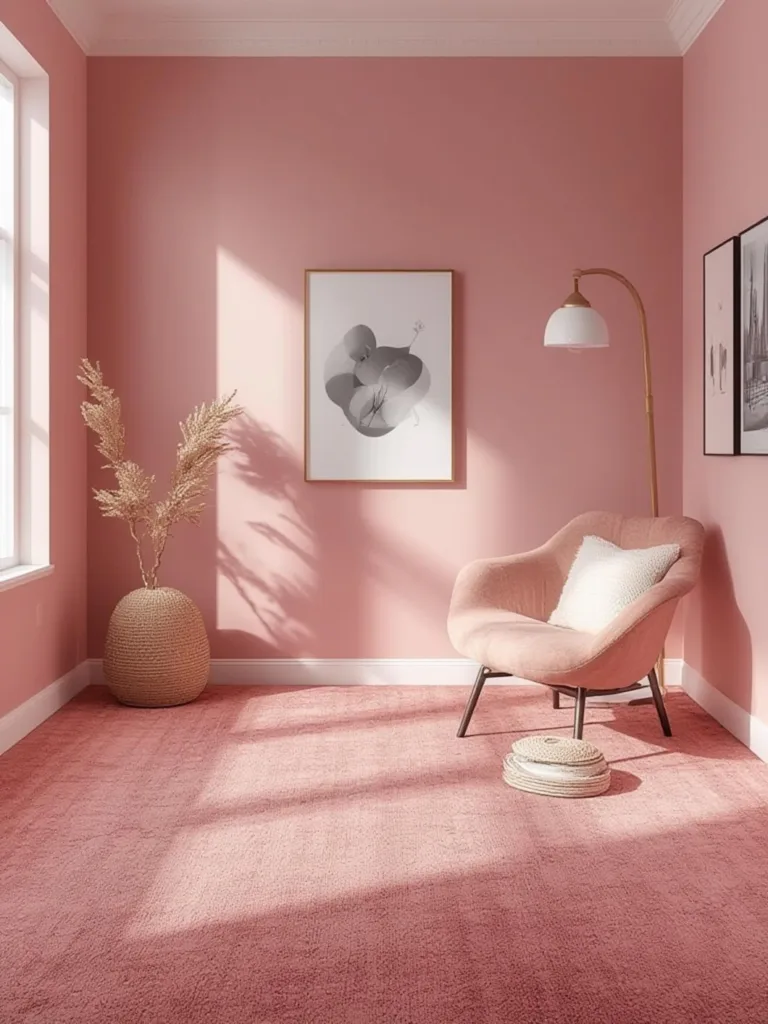
– Pastel combinations for a softer, dreamy atmosphere
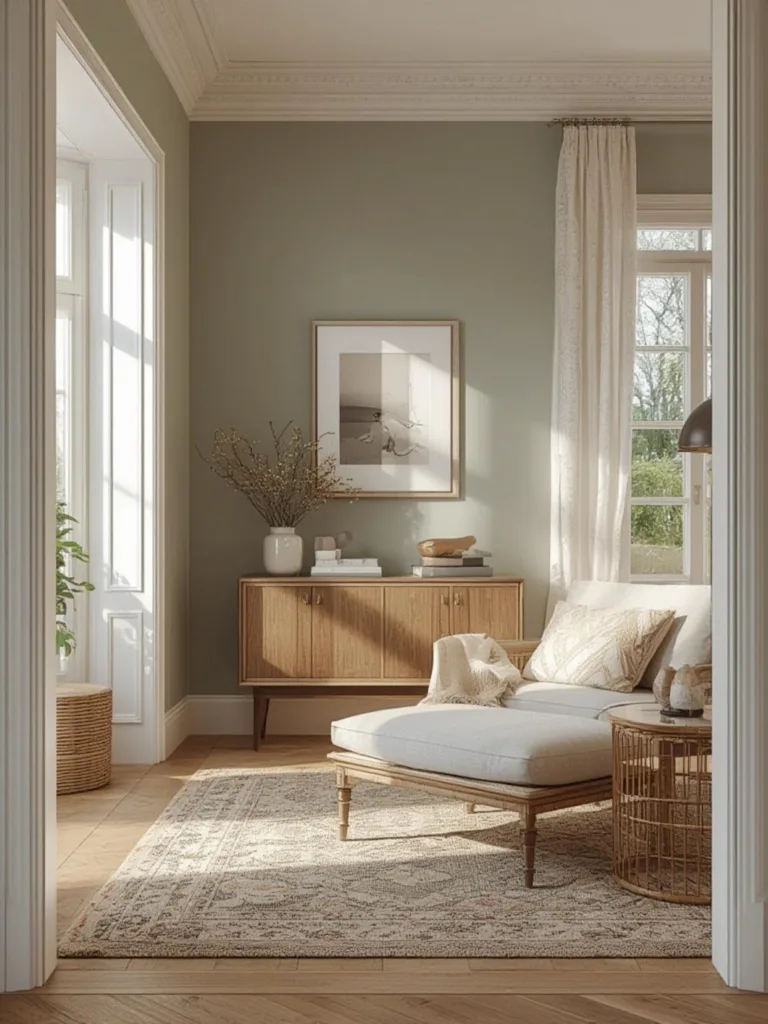
– Nature-inspired palettes featuring greens and blues for a calming effect
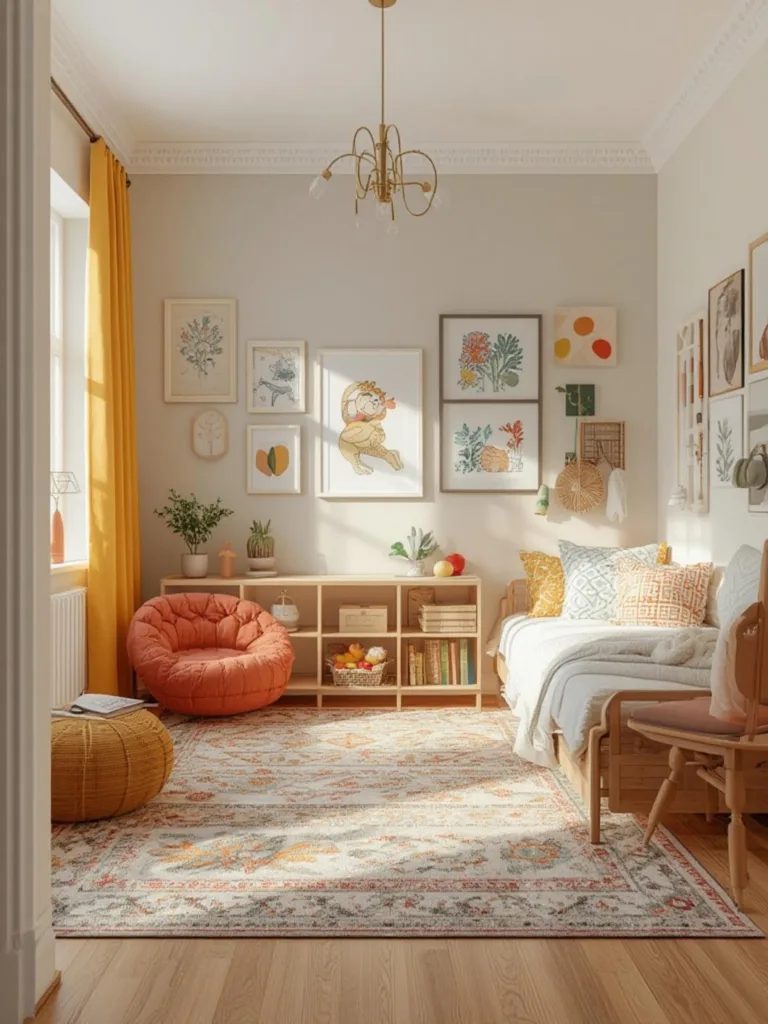
– Bold accent colors against neutral backgrounds for balance
Essential Materials
– Low-VOC paints for health-conscious wall treatments
– Washable, durable fabrics for inevitable spills
– Soft textiles like cotton and wool for comfort
– Natural wood elements for warmth and durability
– Non-toxic materials throughout all elements
Furniture Elements
– Adjustable-height desks and chairs that grow with your child
– Modular storage systems that can be reconfigured
– Multi-functional pieces (like beds with storage underneath)
– Lightweight furniture that children can safely move themselves
– Reading nooks with comfortable seating options
Decor Accessories
– Educational wall art and interactive elements
– Soft lighting options including night lights and reading lamps
– Textured rugs for comfort and sensory development
– Display shelves for treasured items and creations
– Themed elements that align with current interests
Budget-friendly alternatives include DIY painted furniture, upcycled storage bins, handmade wall art, and strategic use of colorful accessories against neutral base elements.
Timing, Budget & Planning
Budget Ranges
– Starter Budget ($500-1,000): Focus on essentials like bed, basic storage, and key decor elements
– Mid-Range ($1,000-3,000): Include quality furniture pieces, premium wall treatments, and custom storage
– Premium ($3,000+): Custom furniture, built-in elements, designer touches, and specialized themes
Timeline Considerations
– Planning Phase: 2-4 weeks for concept development, measurements, and shopping
– Implementation: 1-3 weekends for basic room setup; 1-2 weeks for more elaborate designs
– Refinement: Ongoing evolution as your child’s interests change
Small Space Solutions
For apartments and compact rooms, consider:
– Vertical storage solutions to maximize floor space
– Loft beds with study or play areas underneath
– Wall-mounted desks and shelving instead of free-standing pieces
– Multi-purpose furniture that can be tucked away when not in use
– Strategic use of mirrors to create the illusion of more space
Phased Implementation
If working with budget constraints, prioritize in this order:
1. Safe, comfortable sleeping area
2. Basic storage solutions
3. Desk or creativity station
4. Decorative elements and personalization
5. Specialty items and themed accessories
This approach allows you to create impact immediately while spreading costs over time.
Step-by-Step Guide
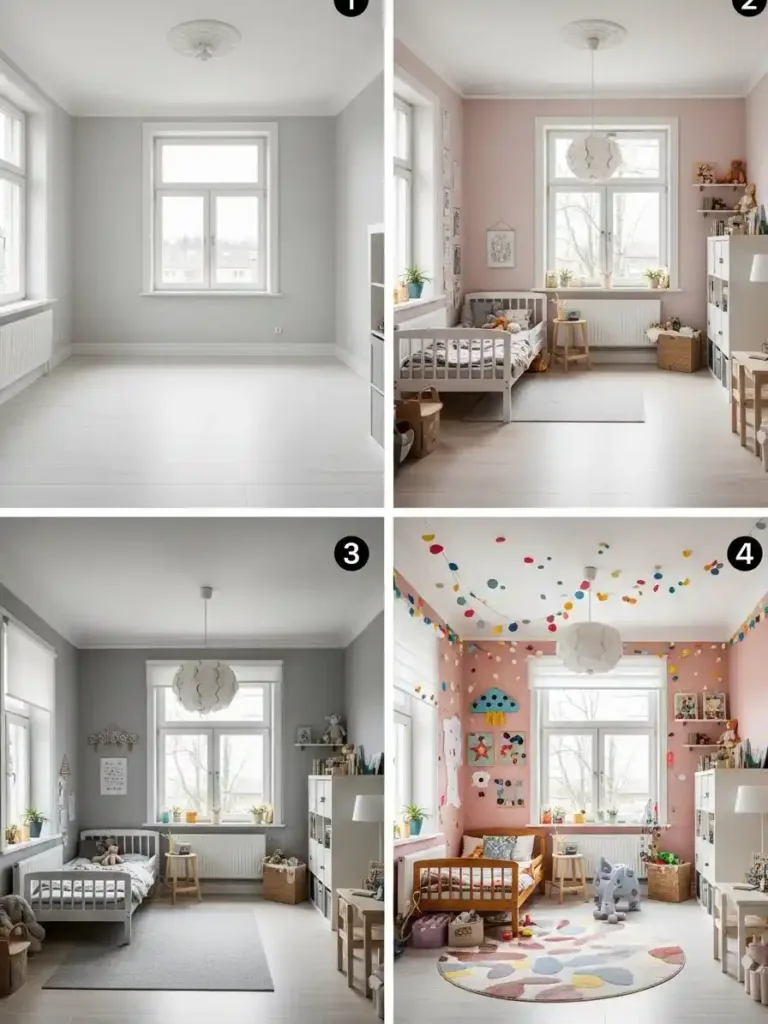
1. Assess and Measure
– Document room dimensions, including ceiling height
– Note window and door placements
– Identify electrical outlets and lighting sources
– Consider traffic flow and safety concerns
2. Develop a Cohesive Concept
– Involve your child in choosing a theme or color scheme
– Create a mood board combining colors, textures, and key pieces
– Balance your child’s current interests with longevity
– Consider incorporating a colorful kids room theme that can evolve over time
3. Create a Floor Plan
– Designate zones for sleeping, playing, studying, and storage
– Ensure proper circulation paths between areas
– Allow for growth and flexibility in the layout
– Consider both daytime and nighttime functionality
4. Choose Base Elements
– Select wall colors and treatments (paint, wallpaper, decals)
– Determine flooring solutions (area rugs, play mats, existing floors)
– Pick window treatments that balance light control and safety
5. Select and Arrange Furniture
– Position the bed in a restful location, ideally not facing the door
– Place study areas near natural light when possible
– Create accessible storage at child-appropriate heights
– Ensure heavy furniture is properly anchored to walls
6. Add vibrant kids decor and Accessories
– Layer in lighting (ambient, task, and accent)
– Add textiles like pillows, throws, and curtains
– Incorporate educational and interactive elements
– Display your child’s artwork and creations
7. Organize and Personalize
– Implement storage systems with clear categories
– Label containers for younger children
– Create display space for treasured items
– Add personalized elements like name signs or custom art
Benefits & Functional Advantages
A thoughtfully designed children’s space offers numerous benefits beyond mere aesthetics:
Developmental Advantages
– Stimulates cognitive development through engaging visuals and interactive elements
– Encourages independence with accessible organization systems
– Supports creativity with dedicated creation spaces
– Promotes reading with comfortable, well-lit book corners
Practical Benefits
– Reduces clutter throughout the rest of your home
– Makes cleaning and organization more manageable
– Adapts to changing needs without complete renovation
– Creates defined boundaries for play and study
Emotional Impact
– Provides a sense of ownership and privacy for children
– Creates comfort and security through familiar elements
– Boosts confidence by reflecting personal interests and achievements
– Facilitates healthier sleep patterns with proper zonation
Social Considerations
– Creates an inviting space for friends and playdates
– Fosters sharing and collaboration
– Provides a backdrop for developing social skills
– Becomes a source of pride when hosting others
Alternative Styles & Customization Ideas
While vibrant and colorful spaces work for many children, alternative approaches can better suit different personalities and preferences:
Minimalist Approach
– Neutral base palette with selective color accents
– Simple, clean-lined furniture
– Open space prioritization
– Curated toy and book collections
– Natural materials and textures for warmth
Nature-Inspired Design
– Biophilic elements including plants and natural materials
– Earth-tone color palettes
– Animal or botanical themes
– Natural textures like wood, cotton, and wool
– Outdoor-indoor connection through themed elements
Vintage or Nostalgic Style
– Classic children’s literature themes
– Repurposed heirloom furniture
– Timeless color schemes and patterns
– Hand-crafted elements and details
– Storybook illustrations as inspiration
Montessori-Influenced Spaces
– Floor-level bed options
– Open, low shelving for independent access
– Natural materials and muted colors
– Practical life skill stations
– Minimal visual overstimulation
Gender-Neutral Designs
– Balanced color palettes beyond traditional pink/blue
– Theme-based rather than gender-based concepts
– Adaptable elements that grow with changing preferences
– Focus on interests rather than stereotypical motifs
– Versatile basics with interchangeable accent pieces
Common Mistakes to Avoid
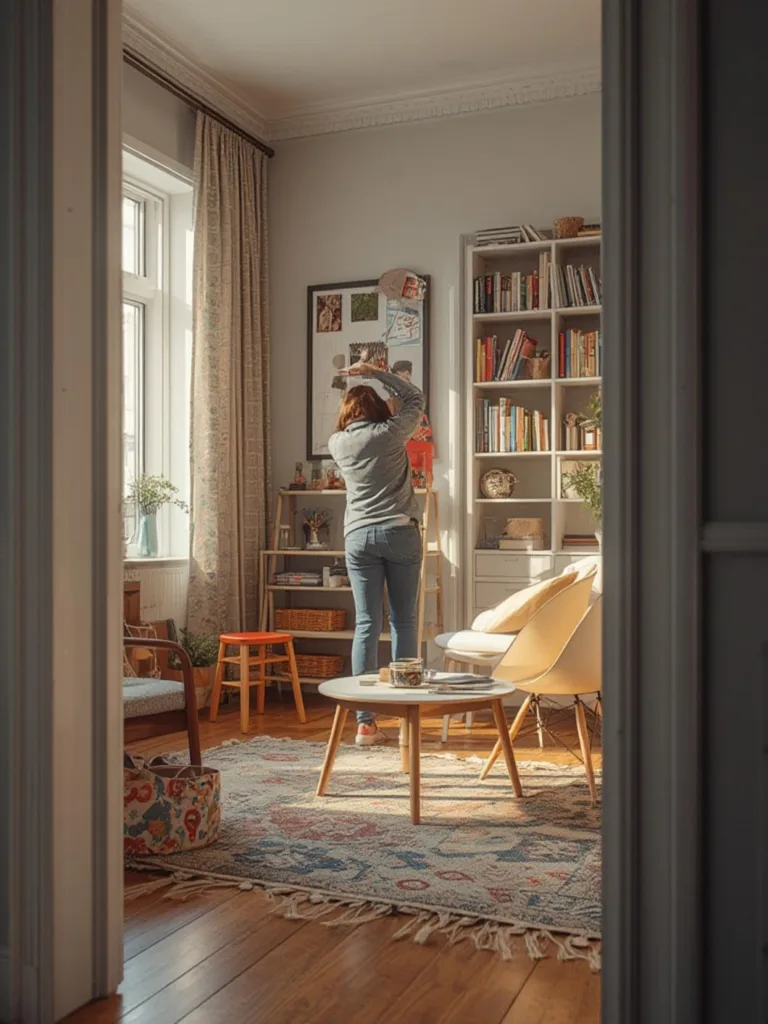
Design Missteps
– Overstimulation: Too many colors, patterns, and visual elements can interfere with sleep and focus
Solution: Create visual “rest areas” and balance busy elements with calmer zones
– Ignoring Proportions: Adult-sized furniture in children’s spaces
Solution: Choose appropriately scaled pieces or adjustable options
– Short-term Thinking: Highly age-specific themes that will need complete overhauls
Solution: Choose adaptable base elements with easily changeable accent pieces
Functional Failures
– Insufficient Storage: Underestimating the need for organizational systems
Solution: Plan for 25% more storage than you think you need
– Poor Lighting Design: Relying solely on overhead lighting
Solution: Layer lighting with task, ambient, and accent options
– Accessibility Issues: Storage that children can’t reach or manage
Solution: Implement child-height solutions with clear organization systems
Practical Problems
– Difficult Maintenance: Choosing materials and finishes that are hard to clean
Solution: Select washable fabrics, wipeable surfaces, and durable materials
– Ignoring Growth: Designing only for current size and interests
Solution: Choose adjustable furniture and easily updatable design elements
– Sacrificing Comfort: Prioritizing looks over functionality
Solution: Test furniture for comfort and ensure the space serves daily needs
Maintenance & Longevity Tips
To ensure your children’s space remains beautiful and functional:
Regular Maintenance
– Implement a 10-minute daily tidy-up routine
– Conduct seasonal deep cleaning of fabrics and soft furnishings
– Rotate toys and books quarterly to reduce clutter
– Touch up paint or wall treatments annually
Organization Systems
– Use clear, consistent labeling that evolves with literacy levels
– Implement the “one in, one out” rule for toys and books
– Create donation/rotation boxes for outgrown items
– Adjust storage heights as children grow
Evolution Strategies
– Update accent colors rather than complete room overhauls
– Replace themed accessories while maintaining core furniture
– Repurpose furniture through painting or hardware changes
– Plan for major updates at key developmental transitions (toddler to school age, elementary to tween)
Preservation Techniques
– Document the space through photos as it evolves
– Save special artwork in portfolio storage
– Create digital backups of room designs for future reference
– Maintain an inventory of paint colors and key materials
Conclusion
Creating a colorful kids room is more than just a design project it’s an investment in your child’s development, creativity, and sense of security. By thoughtfully balancing playfulness with practicality, you can craft a space that nurtures growth while bringing joy to everyday activities. Remember that the most successful children’s spaces evolve naturally, adapting to changing interests and needs while maintaining core elements of comfort and functionality.
Whether you implement vibrant kids decor throughout or take a more subdued approach with colorful accents, the key lies in creating a space that truly reflects your child’s personality while supporting their journey. We encourage you to start small, involve your child in the process, and enjoy watching how the right environment can help them flourish.
FAQs
How can I create an impactful kids room on a tight budget?
Focus on colorful wall treatments (paint is affordable), DIY projects like painted furniture or handmade wall art, and strategic use of textiles like pillows and rugs. Shop secondhand for furniture basics and use decals or printable art for themed elements. Prioritize one statement piece and build around it with budget-friendly accessories.
What colors work best for children who struggle with sleep or concentration?
For sleep zones, choose cooler colors like blues, greens, and lavenders with lower saturation. Avoid bright red, orange, or yellow in sleeping areas as they can be stimulating. For study areas, moderate blues and greens promote focus, while warm neutrals create a calming backdrop. Always balance vibrant colors with plenty of white space and neutral elements.
How do I design a room that works for siblings of different ages?
Create distinct zones for each child with color-coding or themed areas while maintaining cohesion through consistent base elements. Consider furniture that offers privacy options like canopies or room dividers. Implement personalized storage for each child and ensure equitable allocation of space. Choose a neutral foundation with personalized accent colors for each child’s area.
When should I involve my child in the design process?
Involvement should be age-appropriate: toddlers can select between limited color options, elementary-age children can help with theme development, and older children can participate in layout planning. Always offer guided choices rather than unlimited options, and balance their current preferences with practical considerations. Remember that you’re creating a framework that supports their growth rather than simply catering to momentary interests.
How can I make a small kids room feel more spacious?
Utilize vertical space with tall, narrow storage solutions and wall-mounted elements. Choose furniture with visible legs to create a sense of openness. Incorporate mirrors to amplify light and create depth. Use lighter colors on walls and larger surfaces. Implement multi-functional furniture like beds with storage drawers or desks that fold away. Keep floor space as open as possible for play and movement.