10 Amazing Green Bean Tips for Big Harvests
Are you dreaming of a garden bursting with crisp, tender green beans? Growing your own Green Bean harvest can be incredibly rewarding, offering fresh, nutritious vegetables right outside your door. Whether you’re a seasoned gardener or just starting out, these 10 amazing tips will help you maximize your yield and enjoy an abundance of these versatile vegetables. snap beans are not just easy to grow, they’re also one of the most productive vegetables for home gardens, providing continuous harvests throughout the growing season with proper care.
Table of Contents
Materials & Supplies
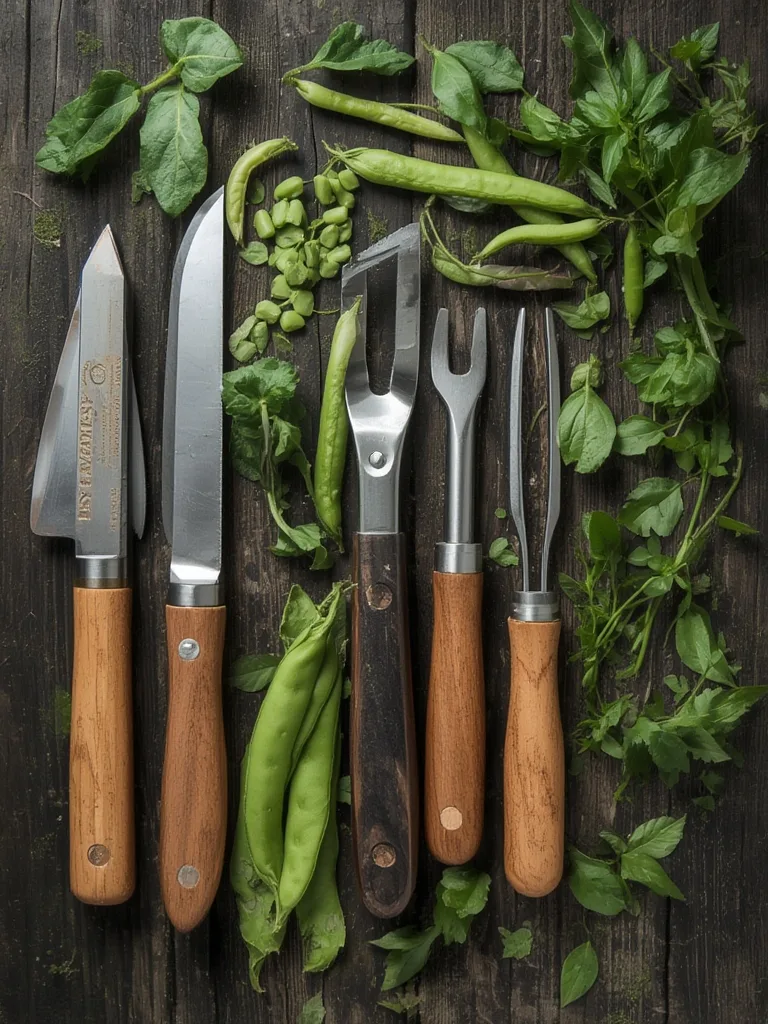
To get started with your green bean garden, you’ll need:
- Quality Seeds: Choose bush varieties for small spaces or pole varieties for vertical growing
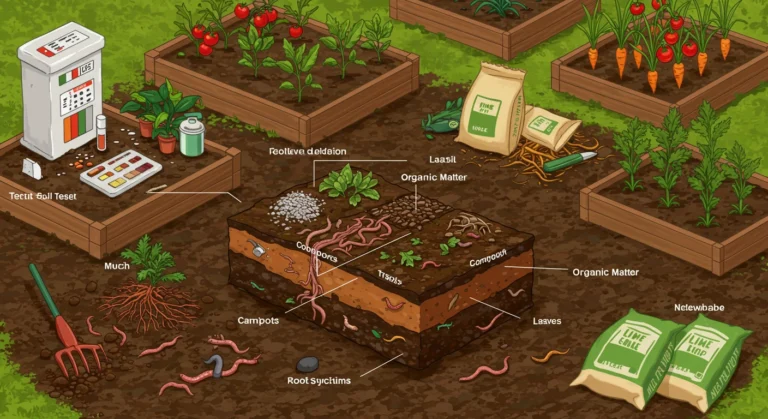
- Well-draining Soil: Garden soil amended with compost or organic matter
- Support Structures: Trellises, stakes, or bean teepees for pole varieties
- Mulch: Straw, wood chips, or leaf mulch to retain moisture
- Basic Garden Tools: Trowel, watering can, pruners, and garden gloves
- Organic Fertilizer: Low-nitrogen, phosphorus-rich fertilizer
- Row Covers (optional): For protection against insects in early stages
- Drip Irrigation System (optional): For consistent watering
Timing / Growing Schedule
Green beans are warm-season crops that thrive when soil temperatures reach at least 60°F (16°C). Plant seeds 2-4 weeks after your last spring frost date. For continuous harvests, sow new seeds every 2-3 weeks until about 8-10 weeks before your first fall frost. Most varieties mature quickly, producing harvestable beans in just 50-60 days—much faster than many other garden vegetables. Plan for a spring planting for early summer harvest and a late summer planting for fall harvest.
Step-by-Step Instructions
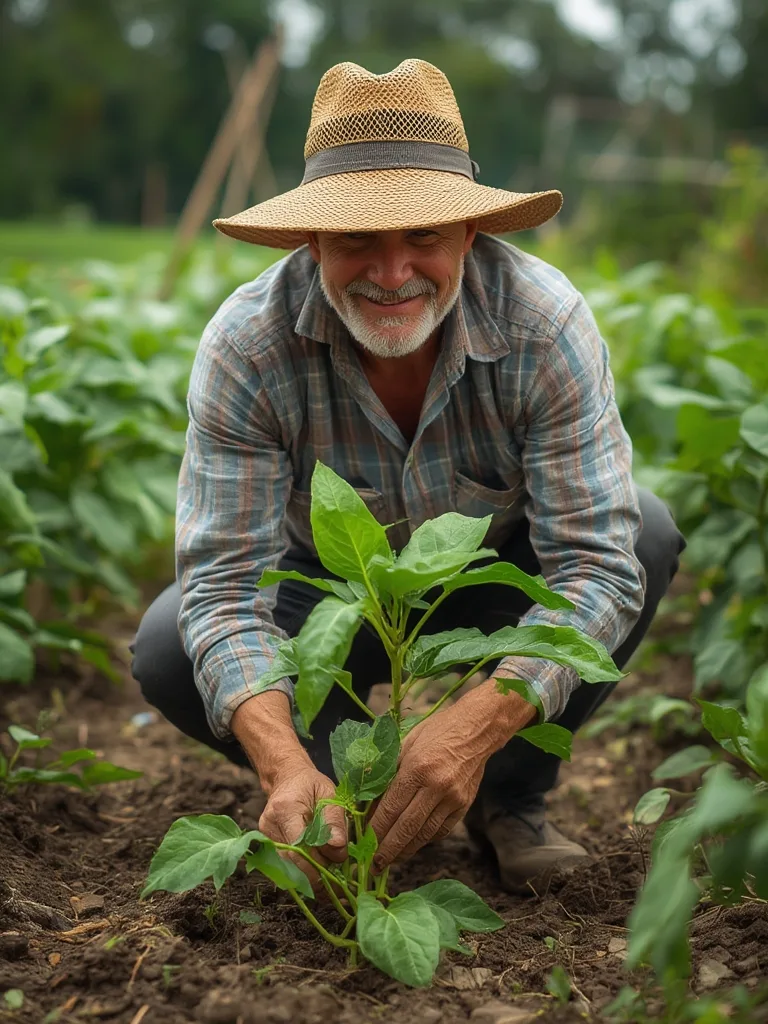
Prepare the Soil: Loosen soil to 6 inches deep and mix in 2-3 inches of compost. Green beans prefer slightly acidic to neutral soil (pH 6.0-7.0).
Install Supports First: For pole beans, set up trellises or supports before planting to avoid root disturbance later.
Direct Sow Seeds: Plant seeds 1 inch deep, 3-4 inches apart for bush varieties or 6-8 inches apart for pole varieties. Rows should be 18-24 inches apart.
Water Consistently: Keep soil evenly moist but not waterlogged. Water at the base of plants to prevent leaf diseases.
Thin Seedlings: Once seedlings emerge, thin to 6 inches apart for bush beans or 8-10 inches for pole beans.
Mulch Properly: Apply 2-3 inches of organic mulch after plants reach 4-6 inches tall to conserve moisture and suppress weeds.
Support Climbing Varieties: Train pole beans to climb their supports by gently wrapping young vines around the structure.
Nutritional Benefits
Green beans deliver impressive nutrition in a low-calorie package. They’re rich in vitamins A, C, and K, plus minerals like manganese and folate. Regular consumption supports heart health, helps manage diabetes, and provides antioxidants that fight inflammation. Growing them yourself ensures maximum nutrients, as store-bought beans can lose up to 45% of their nutritional value within days of harvesting.
Tips and Alternative Methods
For container gardening, choose bush varieties and plant in 12-inch deep containers. In hot climates, provide afternoon shade to prevent blossom drop. Intercrop with carrots, radishes, or marigolds for companion planting benefits. For indoor growing, select dwarf varieties and place near south-facing windows with at least 6-8 hours of sunlight. Consider succession planting every 2-3 weeks for continuous harvests throughout the growing season.
Common Mistakes to Avoid
Overwatering: Causes root rot and fungal diseases. Solution: Water deeply but infrequently, allowing top inch of soil to dry between waterings.
Harvesting Too Late: Results in tough, stringy beans. Solution: Pick when pods are young and slender, typically 4-6 inches long.
Overcrowding Plants: Reduces air circulation and increases disease risk. Solution: Follow spacing guidelines and thin seedlings properly.
Excessive Nitrogen: Causes lush foliage but few beans. Solution: Use balanced fertilizers or those with lower nitrogen content.
Storage / Maintenance Tips
Harvest beans in the morning when temperatures are cool. For short-term storage, refrigerate unwashed beans in perforated plastic bags for up to 7 days. For long-term preservation, blanch for 3 minutes before freezing. Maintain plants by removing weeds regularly, providing 1-1.5 inches of water weekly, and harvesting frequently to encourage continued production.
FAQs
How often should I harvest green beans?
Harvest every 2-3 days during peak season to encourage continued production. Regular picking signals the plant to produce more flowers and pods.
Why are my bean plants flowering but not producing beans?
This is often due to extreme temperatures (above 85°F or below 55°F), which prevent proper pollination. Provide shade during hot spells or use row covers during cool periods.
Can I save seeds from my green beans for next year?
Yes! Allow some pods to mature fully on the plant until dry and brown, then harvest, remove seeds, and store in a cool, dry place.
Why are my green bean leaves turning yellow?
Yellowing leaves may indicate nutrient deficiencies, overwatering, or bean mosaic virus. Check drainage, adjust watering, and ensure plants receive proper nutrition.
Conclusion
Growing green beans offers a rewarding experience for gardeners of all levels. By following these ten tips, you’ll be well on your way to enjoying abundant harvests of crisp, flavorful beans throughout the growing season. The minimal space requirements and relatively quick growing cycle make them perfect for even small gardens. Why not start planning your green bean patch today? We’d love to hear about your green bean growing experiences in the comments below!