9 Cool Cucumber Tips for Garden Success
Introduction
Have you ever bitten into a homegrown cucumber and been amazed by its crisp texture and fresh flavor? Growing your own cucumbers can be incredibly rewarding, providing you with an abundant harvest of this versatile vegetable throughout the summer months. Whether you’re a seasoned gardener or a beginner with your first vegetable patch, cucumbers are relatively easy to grow and offer great returns for minimal effort. Not only will you save money at the grocery store, but you’ll also enjoy the satisfaction of nurturing these plants from seed to harvest, knowing exactly how they were grown.
Table of Contents
Materials & Supplies
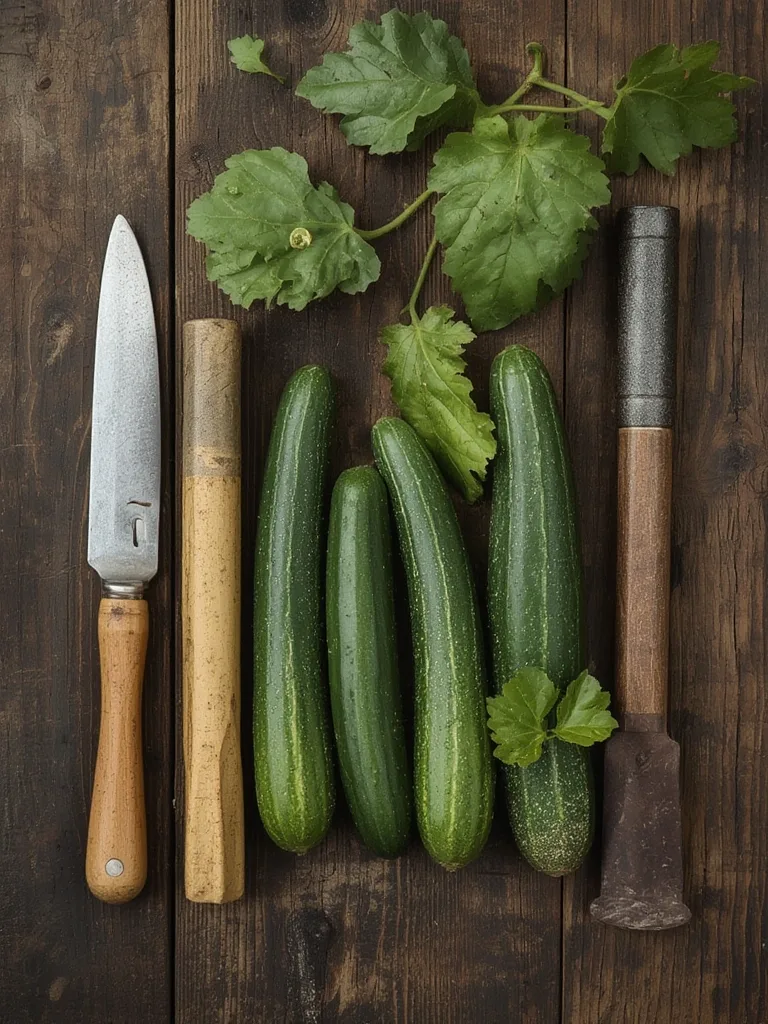
To start your cucumber growing journey, you’ll need:
- Cucumber seeds or seedlings: Choose varieties suited to your climate and space
- Well-draining soil: Preferably enriched with compost or organic matter
- Garden space or containers: At least 12-inch deep pots if container gardening
- Trellis or support system: For vine varieties to climb (optional for bush varieties)
- Garden fertilizer: Balanced organic fertilizer (5-10-10 works well)
- Watering can or irrigation system: For consistent watering
- Mulch: To retain moisture and prevent weeds
- Garden gloves and basic tools: Trowel, pruning shears, and garden fork
Timing / Growing Schedule
Garden cucumbers are warm-season crops that thrive when soil temperatures reach at least 65°F (18°C). Start seeds indoors 3-4 weeks before your last frost date, or sow directly in the garden 2 weeks after the last frost. From planting to harvest typically takes 50-70 days, depending on the variety. For continuous harvesting, consider succession planting every 2-3 weeks until midsummer.
Step-by-Step Instructions
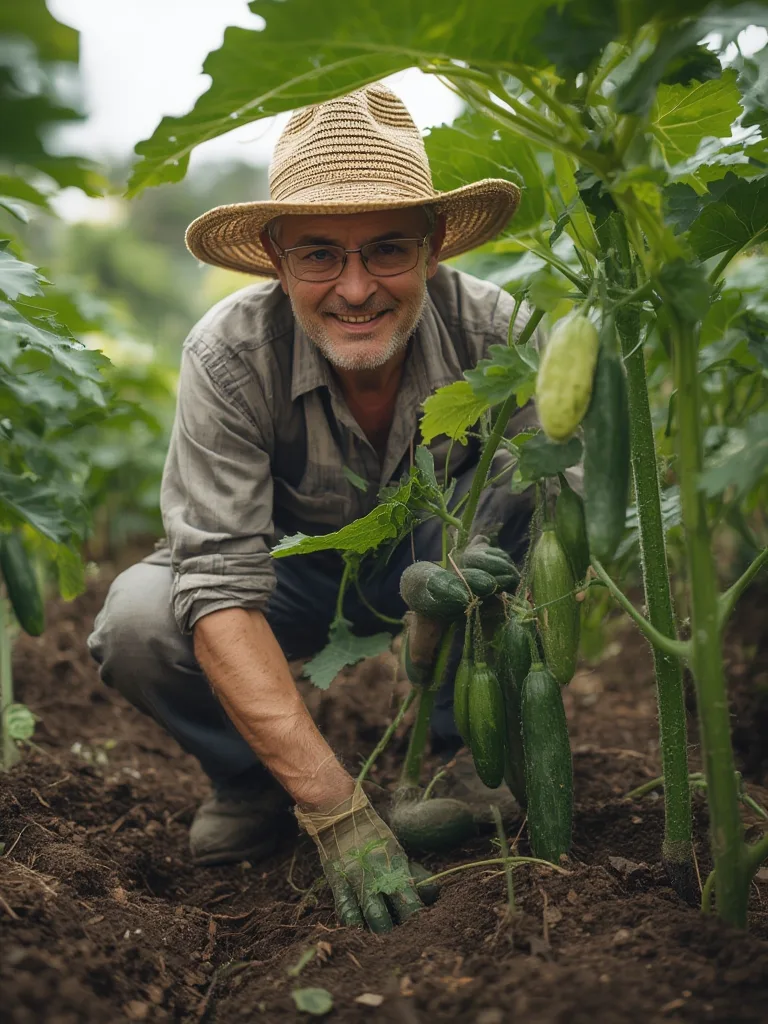
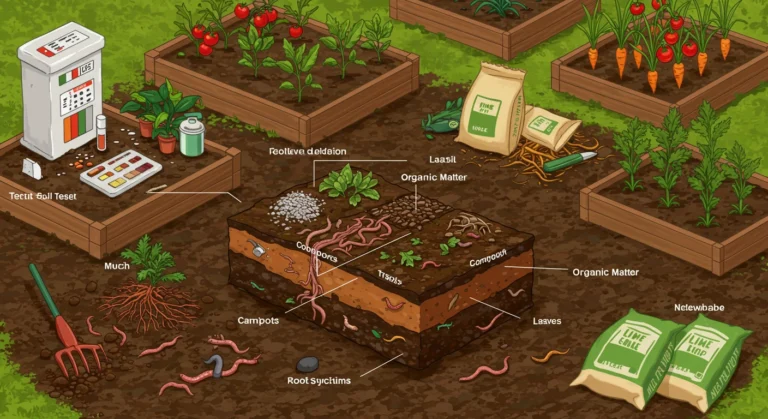
Prepare your soil: Incorporate 2-3 inches of compost into your garden bed. Cucumbers prefer slightly acidic to neutral soil (pH 6.0-7.0) with excellent drainage.
Plant seeds or seedlings: Place seeds ½ inch deep in small groups (3-4 seeds) spaced 18-36 inches apart. After germination, thin to the strongest plant. For seedlings, space them according to variety recommendations.
Install supports: Set up trellises, cages, or other vertical supports at planting time to avoid disturbing roots later. This saves space and keeps fruits clean and straight.
Water properly: Provide 1-2 inches of water weekly, aiming for consistent moisture. Water at the base of plants in the morning to prevent leaf diseases.
Fertilize appropriately: Apply a balanced fertilizer when plants begin to vine, then switch to a higher phosphorus and potassium formula once flowering begins.
Nutritional Benefits
Cucumbers are 95% water, making them hydrating and low in calories. They contain vitamins K, C, and potassium, along with antioxidants that may reduce inflammation. The skin contains fiber and beneficial compounds, so consider growing varieties with tender, edible skins.
Tips and Alternative Methods
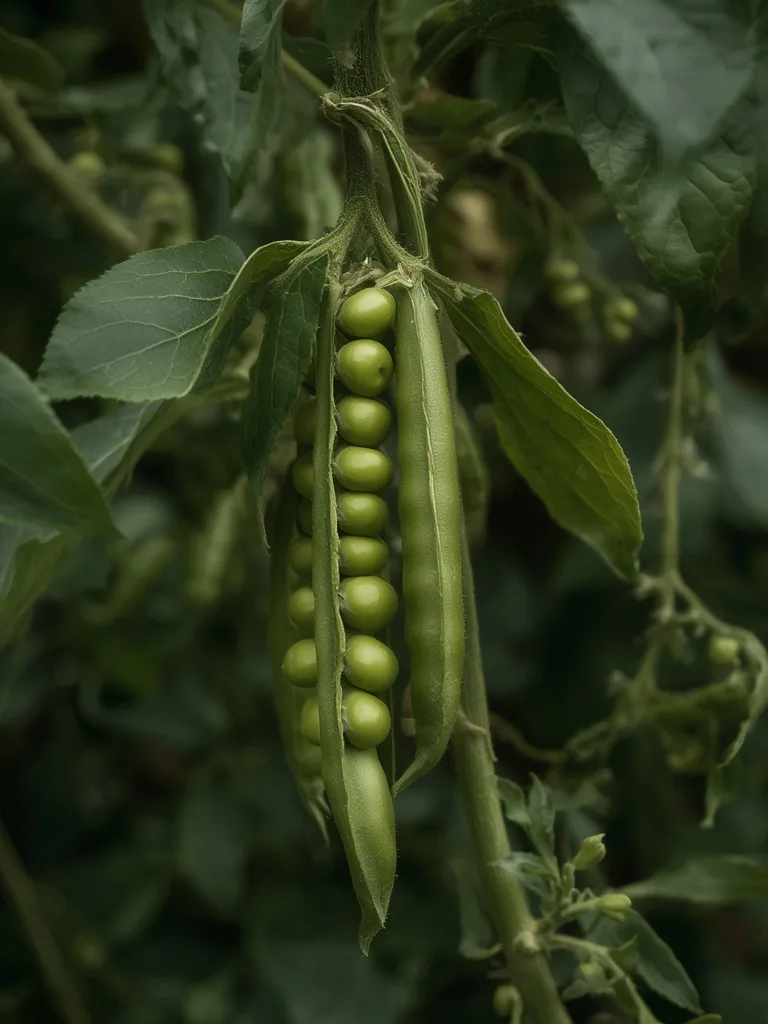
- Companion planting: Grow cucumbers alongside sunflowers, corn, or peas for natural trellising
- Container growing: Bush varieties like ‘Spacemaster’ or ‘Patio Snacker’ thrive in pots
- Hand pollination: In enclosed spaces, gently transfer pollen between male and female flowers using a small brush
- Vertical gardening: Train vines upward to maximize space and improve air circulation
Common Mistakes to Avoid
- Inconsistent watering: Leads to bitter fruits and poor development
- Overcrowding plants: Reduces air circulation and increases disease risk
- Harvesting too late: Overripe cucumbers become bitter and seedy
- Ignoring pests early: Monitor for cucumber beetles and squash bugs regularly
Storage / Maintenance Tips
Store harvested cucumbers in the refrigerator crisper drawer unwashed in perforated bags for up to one week. For plants, continue regular watering throughout the season. Remove yellowing leaves promptly and harvest frequently to encourage continued production.
FAQs
How often should I harvest cucumbers?
Check plants every 1-2 days during peak season, as cucumbers can grow several inches overnight.
Why are my cucumber plants flowering but not producing fruit?
This could be due to poor pollination, extreme temperatures, or imbalanced fertilizer. Try hand-pollinating or adjusting your fertilizer routine.
Can I grow cucumbers indoors?
Yes, with sufficient light (8+ hours of direct sunlight or grow lights), proper pollination, and compact varieties.
Why are my cucumbers bitter?
Bitterness usually results from heat stress, inconsistent watering, or overripening. Maintain consistent moisture and harvest promptly.
Conclusion
Growing your own cucumbers is a satisfying and rewarding experience that provides fresh, nutritious vegetables straight from your garden. With proper planning, care, and these practical tips, you’ll be well on your way to cucumber success. Why not get started today? Your summer salads will thank you!