8 Powerful Spinach Benefits You Can Grow
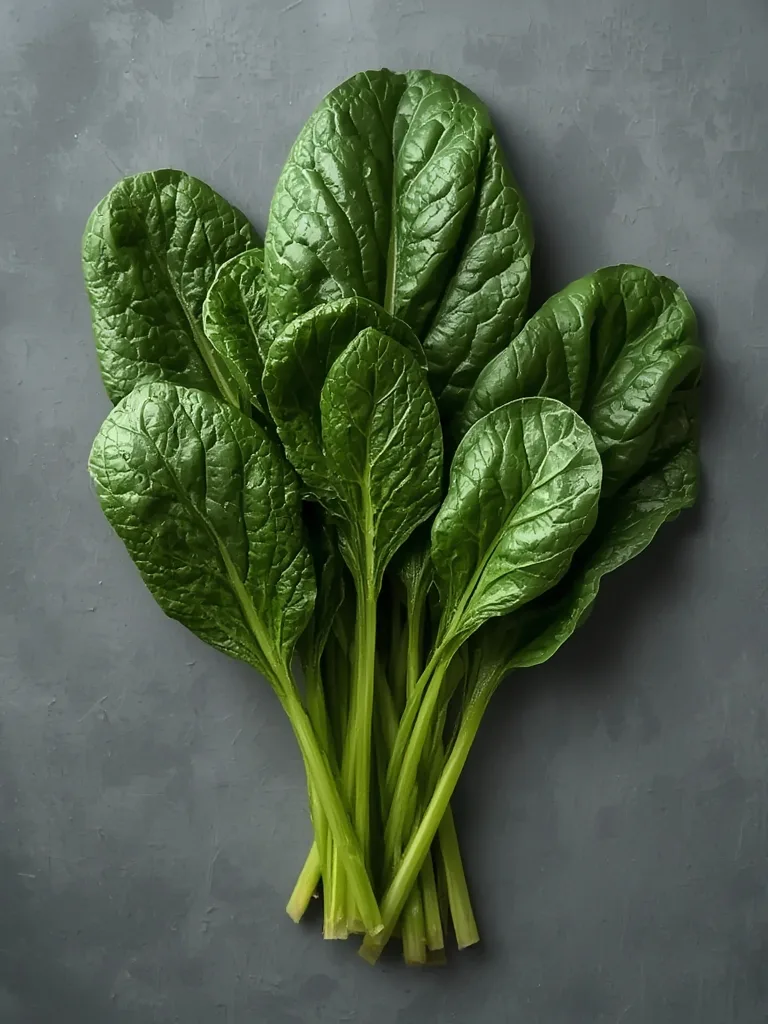
Have you ever wondered why Popeye was so obsessed with spinach? This nutrient-packed leafy green isn’t just a supermarket staple-it’s one of the easiest and most rewarding vegetables to grow at home. Whether you have a spacious garden or just a few containers on your balcony, growing your own spinach provides fresh, pesticide-free greens right at your fingertips.
The satisfaction of harvesting your own baby spinach for a morning smoothie or evening salad is unmatched, not to mention the impressive health benefits this versatile green offers. Let’s dive into how you can grow this nutritional powerhouse right at home.
Materials & Supplies
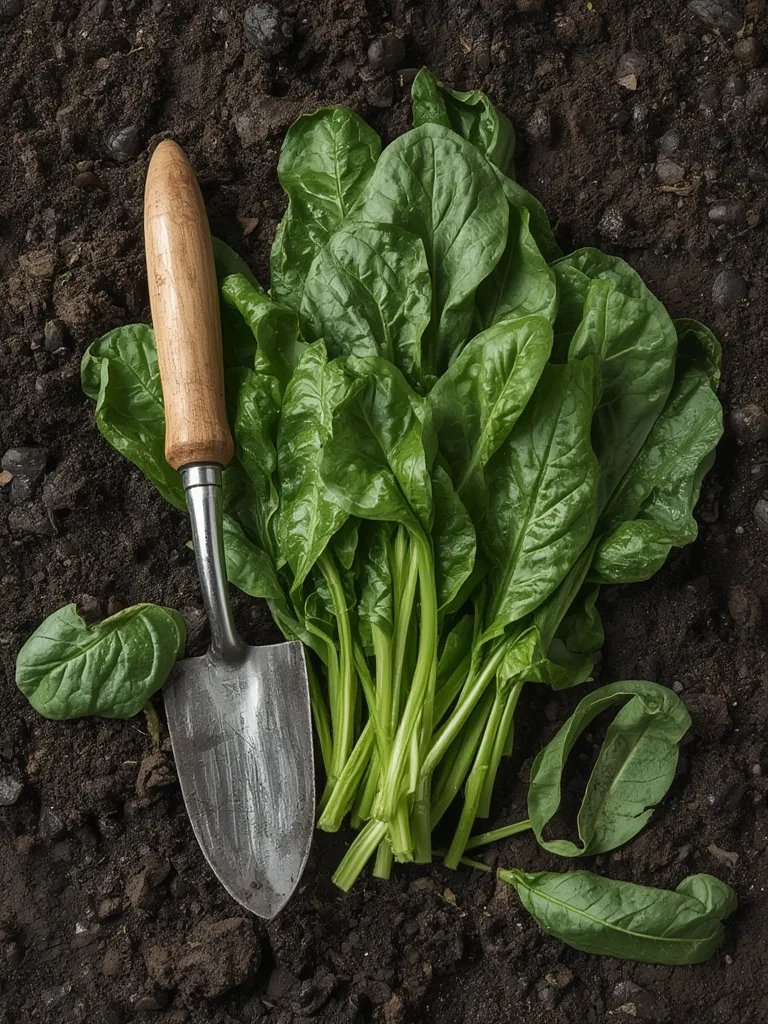
To successfully grow spinach, you’ll need:
- Seeds or seedlings: Choose varieties like Bloomsdale, Space, or Tyee for beginners
- Container or garden bed: At least 6-8 inches deep with drainage holes
- Potting soil or garden soil: Enriched with compost for nutrients
- Organic fertilizer: Slow-release, balanced NPK ratio
- Watering can: With a gentle sprinkler head to avoid displacing seeds
- Garden gloves: For protection during soil preparation
- pH testing kit (optional): Spinach prefers slightly alkaline soil (pH 6.5-7.5)
- Row covers (optional): For frost protection in cooler climates
- Garden snips or scissors: For clean harvesting
Timing / Growing Schedule
Spinach is a cool-weather crop that performs best when temperatures range between 50-70°F (10-21°C). For spring planting, sow seeds 4-6 weeks before the last frost date. Fall planting should begin 6-8 weeks before the first expected frost. From seed to harvest, expect approximately 40-45 days, though baby spinach leaves can be harvested in as little as 25-30 days. This quick turnaround makes spinach perfect for succession planting every 2-3 weeks for continuous harvests.
Step-by-Step Instructions
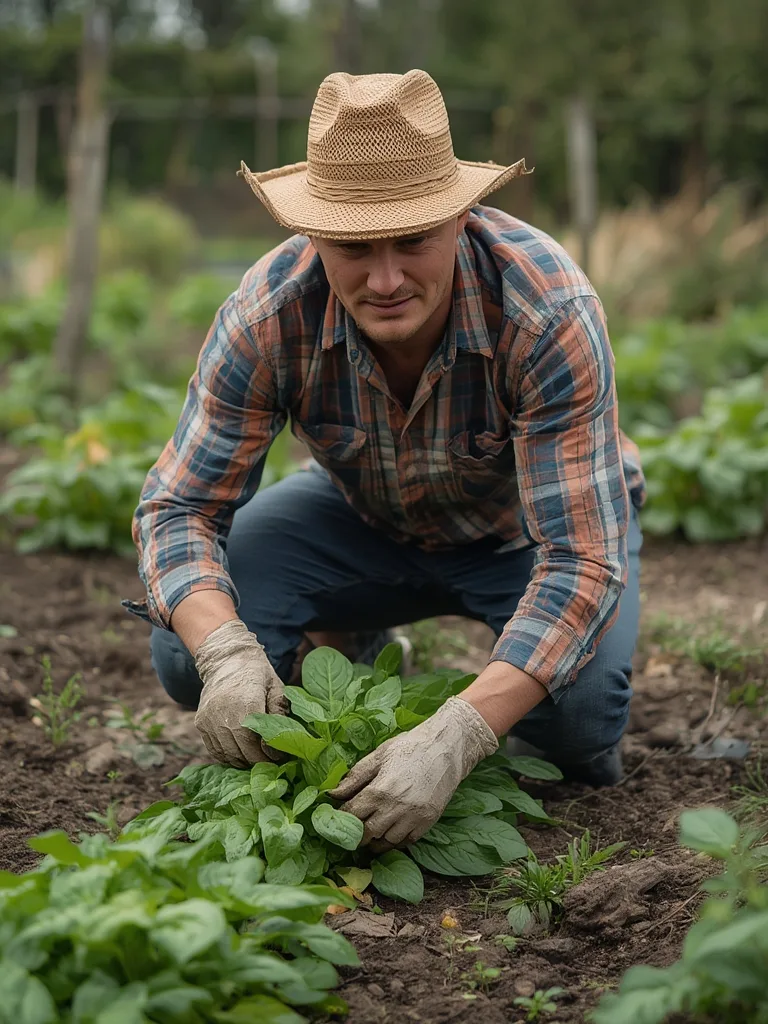
Prepare your growing area: Choose a location with partial sun to light shade. In hot climates, morning sun with afternoon shade is ideal. Loosen soil to 8 inches deep and mix in compost.
Test and amend soil: Spinach prefers slightly alkaline soil. Add lime if your soil is too acidic or sulfur if too alkaline. Work in aged compost to improve drainage and nutrition.
Plant seeds: Sow seeds ½ inch deep and 2 inches apart in rows spaced 12-18 inches apart. For container growing, scatter seeds lightly across the surface and cover with ¼ inch of soil.
Water gently: Keep soil consistently moist but not waterlogged. Pro tip: Use a spray bottle for initial watering to avoid displacing seeds.
Thin seedlings: When plants reach 2 inches tall, thin to 3-4 inches apart. Don’t discard the thinnings add these tender baby leaves to salads!
Fertilize lightly: Apply diluted liquid fertilizer every 2-3 weeks after plants establish.
Harvest regularly: Begin harvesting outer leaves when plants have 5-6 true leaves, allowing the center to continue growing for successive harvests.
Nutritional Benefits
Homegrown spinach delivers impressive nutritional benefits, including:
- Exceptional source of vitamin K, vital for bone health
- Rich in iron, calcium, and magnesium
- High in vitamins A and C for immune support
- Contains lutein and zeaxanthin for eye health
- Provides folate for cell division and DNA synthesis
- Natural source of nitrates that may help lower blood pressure
- Contains powerful antioxidants that combat inflammation
Tips and Alternative Methods
- Container growing: Choose wide, shallow containers at least 6 inches deep for best results.
- Indoor cultivation: Grow spinach year-round under grow lights, maintaining 10-12 hours of light daily.
- Companion planting: Plant alongside strawberries, peas, or radishes but avoid potatoes.
- Vertical options: Use tiered planters or wall-mounted systems to maximize small spaces.
- Microgreen method: Harvest ultra-young spinach after 10-14 days for intense flavor and nutrition.
Common Mistakes to Avoid
Planting in hot weather: Spinach bolts (flowers) quickly in high temperatures, turning bitter. Solution: Choose bolt-resistant varieties for warmer climates or provide afternoon shade.
Overwatering: Soggy conditions invite disease. Solution: Ensure proper drainage and water at soil level.
Overcrowding: Reduces air circulation and increases disease risk. Solution: Thin seedlings properly and follow spacing guidelines.
Ignoring pests early: Aphids and leaf miners can quickly damage crops. Solution: Inspect regularly and use organic neem oil spray at first sign of pests.
Storage and Maintenance
Harvest spinach in the morning when leaves are crisp. Store unwashed leaves in a perforated plastic bag in the refrigerator for 7-10 days. For maintenance, remove yellowing leaves promptly, mulch around plants to retain moisture and suppress weeds, and provide consistent moisture, especially during dry spells.
FAQs
When is the best time to harvest spinach?
Harvest in the morning when leaves are crisp and temperatures are cool. You can begin harvesting when plants have 5-6 true leaves, taking only outer leaves to allow continued growth.
Why does my spinach bolt so quickly?
Spinach bolts (produces flowering stems) when temperatures exceed 75°F (24°C) or during long daylight hours. Plant heat-resistant varieties, provide afternoon shade, or focus on spring and fall growing.
Can I grow spinach indoors year-round?
Yes! Use a wide container at least 6 inches deep with drainage holes, quality potting soil, and provide 10-12 hours of light daily with grow lights. Maintain temperatures between 50-70°F for best results.
How do I save spinach seeds?
Allow plants to bolt and form seed stalks. When seed pods turn tan and dry, cut entire stalks and hang upside down in a paper bag. Once completely dry, crush pods to release seeds and store in a cool, dry place for up to 3 years.
Conclusion
Growing your own spinach at home offers the perfect combination of convenience, nutrition, and satisfaction. With minimal space and basic supplies, you can enjoy fresh, nutrient-dense greens year-round while knowing exactly how they were grown. Start with a small patch or a few containers, and you’ll quickly discover why this versatile vegetable deserves a place in every home garden. Have you grown spinach before? Share your experiences in the comments, or check out our guides on growing other nutritious vegetables!