7 Fresh Lettuce Ideas for Healthy Living
Are you looking for ways to incorporate more nutritious greens into your diet? lettuce is not just a sandwich filler – it’s a versatile, nutrient-packed vegetable that can transform your meals and boost your health. Growing your own lettuce at home provides the freshest possible greens while saving money and reducing environmental impact.
The satisfaction of harvesting crisp, vibrant leaves from your own garden or windowsill adds a special touch to every meal. With minimal space requirements and quick growth cycles, this salad greens is the perfect entry point for both novice and experienced gardeners seeking healthy, homegrown produce.
Table of Contents
Materials & Supplies
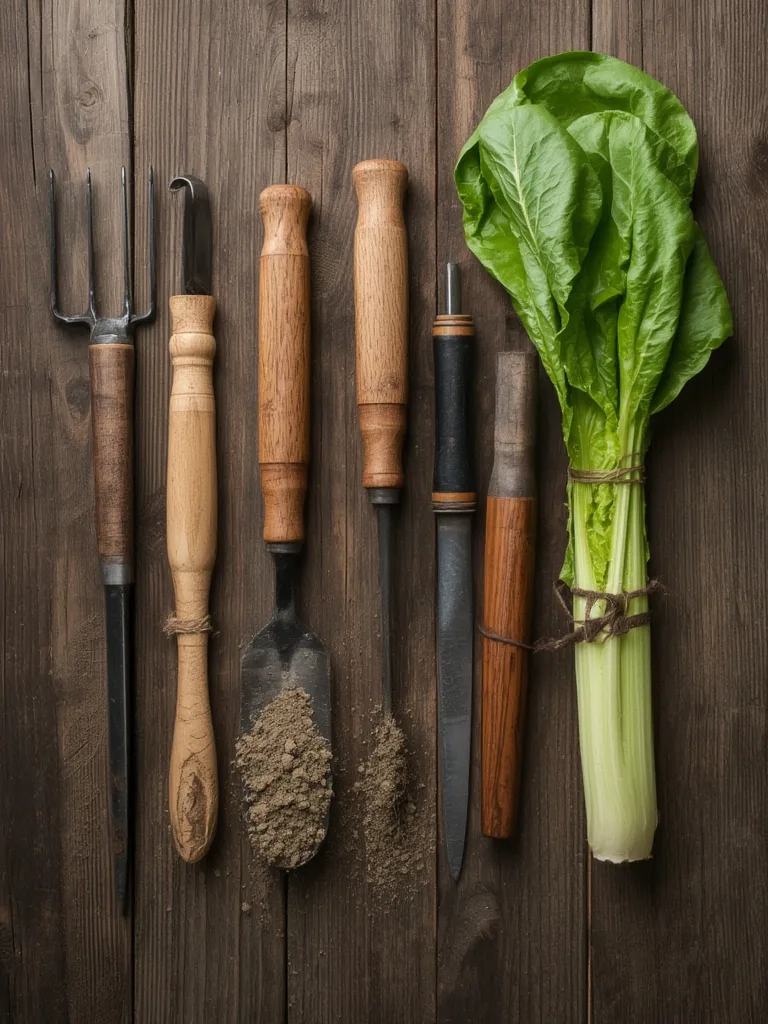
To start growing your own lettuce garden, you’ll need:
- Seeds or seedlings: Choose from varieties like butterhead, iceberg, romaine lettuce, or loose-leaf
- Growing containers: Shallow trays, pots (6-8 inches deep), or garden beds
- Potting mix: Lightweight, well-draining soil with organic matter
- Watering can: With gentle sprinkler head for seedlings
- Liquid fertilizer: Balanced, organic options work best
- Garden trowel: For transplanting seedlings
- Plant markers: To identify different varieties
- Row covers (optional): For outdoor protection against pests
- Grow lights (optional): For indoor growing during winter months
Timing / Growing Schedule
Lettuce is a cool-season crop that performs best when temperatures range between 60-70°F. Typical growth timeline:
- Seed germination: 7-10 days
- Baby greens ready for harvest: 25-30 days
- Full heads ready for harvest: 45-65 days
Spring and fall are ideal growing seasons in most climates. For continuous harvest, plant new seeds every 2-3 weeks. Compared to most vegetables, this salad greens offers one of the quickest returns from seed to table.
Step-by-Step Instructions
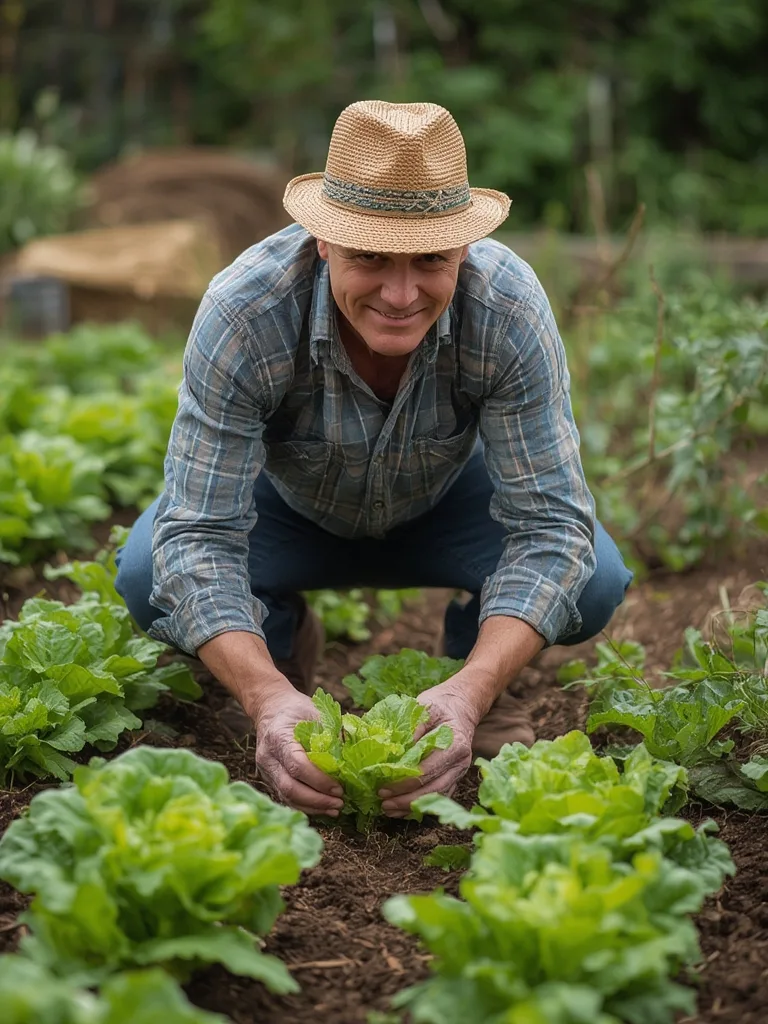
Prepare your growing area: Fill containers with moistened potting mix, leaving ½ inch at the top. For garden beds, loosen soil and incorporate compost.
- Pro tip: Add a layer of vermicompost to boost nutrients without burning tender roots.
Plant seeds: Sow seeds ¼ inch deep and 1 inch apart. For heading varieties, thin to 8-12 inches apart once seedlings establish.
- Pro tip: Mix lettuce seeds with sand for more even distribution when sowing.
Water properly: Keep soil consistently moist but not waterlogged. Water at the base to prevent leaf diseases.
- Pro tip: Water in the morning to allow foliage to dry before evening, reducing disease risk.
Provide appropriate light: Ensure 4-6 hours of sunlight daily, or use grow lights for 12 hours if growing indoors.
Harvest correctly: Pick outer leaves as needed, allowing plants to continue producing, or harvest entire heads by cutting at soil level.
- Pro tip: Harvest in the morning for crispest texture and best flavor.
Nutritional Benefits
Lettuce is a nutritional powerhouse with remarkable benefits:
- Low in calories (around 15 calories per cup)
- High in water content for hydration
- Excellent source of vitamins A, K, and folate
- Contains antioxidants that support eye health
- Provides dietary fiber for digestive health
- Dark varieties offer more nutrients than pale types
Tips, Alternative Methods, or Gardening Advice
- Container gardening: Grow lettuce in window boxes, hanging baskets, or even repurposed milk jugs with drainage holes.
- Succession planting: Sow new seeds every 10-14 days for continuous harvest.
- Companion planting: Grow alongside radishes, carrots, or marigolds to deter pests naturally.
- Microgreens approach: Harvest lettuce when just 2-3 inches tall for intense flavor and nutrition.
- Hydroponic systems: Grow lettuce year-round in water-based systems with nutrient solutions.
Common Mistakes to Avoid
- Overwatering: Causes root rot and fungal diseases. Solution: Allow top inch of soil to dry slightly before watering again.
- Planting too deep: Results in poor germination. Solution: Sow seeds just ¼ inch deep.
- Improper spacing: Leads to stunted growth and disease. Solution: Thin seedlings properly as they grow.
- Harvesting too late: Causes bitter taste (bolting). Solution: Harvest before plants begin to form flower stalks.
Storage / Maintenance Tips
Store harvested lettuce by wrapping unwashed leaves in paper towels, placing them in perforated plastic bags, and refrigerating for 7-10 days. For ongoing care, maintain consistent moisture, provide afternoon shade in hot weather, and fertilize lightly with diluted liquid fertilizer every 3-4 weeks. Remove any yellowing leaves promptly to prevent disease spread.
FAQs
How can I prevent lettuce from becoming bitter?
Grow lettuce during cooler seasons, provide afternoon shade in warm weather, ensure consistent watering, and harvest promptly before plants begin flowering.
Can lettuce be grown indoors year-round?
Yes, with adequate light from a sunny window or grow lights, proper temperature (60-70°F), and consistent moisture, lettuce can thrive indoors throughout the year.
How do I control pests on my lettuce plants naturally?
Use row covers, introduce beneficial insects like ladybugs, spray plants with mild soap solution, or apply diatomaceous earth around plants to deter common pests.
Is it better to grow lettuce from seeds or seedlings?
Seeds offer more variety and cost savings, while seedlings provide faster results. For beginners, seedlings offer an easier start, but seeds allow for succession planting and more control over growing conditions.
Conclusion
Growing your own lettuce offers endless possibilities for fresh, healthy meals while connecting you to the satisfying cycle of plant growth. Whether you have a spacious garden or just a sunny windowsill, these versatile greens can thrive with minimal effort. Try incorporating these techniques into your gardening routine and enjoy the rewarding experience of harvesting your own crisp, flavorful lettuce. Ready to get growing? Share your salad greens growing journey in the comments below!