7 Fast Radishes Wins for Quick Garden Joy
Are you craving the satisfaction of harvesting your own vegetables but don’t want to wait months for results? radishes might be your perfect gardening solution! These crisp, peppery root vegetables can go from seed to harvest in as little as 3-4 weeks, making them ideal for impatient gardeners or those wanting to introduce children to the magic of growing food. The vibrant red radishes add both color and flavor to your meals while providing a quick gardening win that boosts your confidence and enthusiasm for growing your own food.
Table of Contents
Materials & Supplies
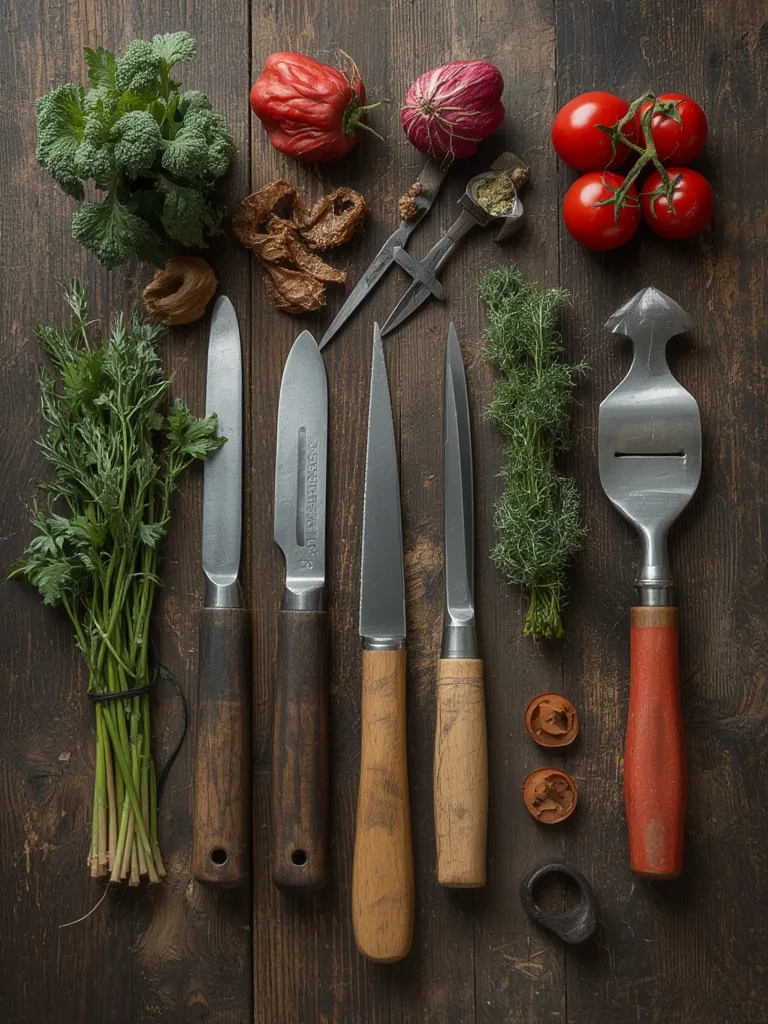
To start your radish growing adventure, you’ll need:
- Radish seeds: Choose varieties like Cherry Belle, French Breakfast, or Watermelon for different flavors and colors
- Container or garden bed: A shallow container (at least 6 inches deep) works perfectly
- Quality potting soil or garden soil amended with compost
- Small garden trowel for planting and harvesting
- Watering can with gentle spray attachment
- Plant labels to mark planting dates
- Fine mesh netting (optional) to protect from pests
- Fish emulsion or all-purpose organic fertilizer (optional)
- Garden gloves to keep your hands clean during planting and harvesting
Timing / Growing Schedule
Radishes are one of the fastest-growing vegetables you can plant. Here’s what to expect:
- Prep time: 30 minutes to prepare soil and sow seeds
- Germination: 3-7 days
- Growth period: 21-30 days for most varieties (some winter varieties take 60-70 days)
- Total time to harvest: As quick as 3-4 weeks for spring varieties
For comparison, carrots take 70-80 days and tomatoes need 60-100 days to produce fruit. You could grow three successive crops of radishes in the time it takes to grow one crop of tomatoes!
Step-by-Step Instructions
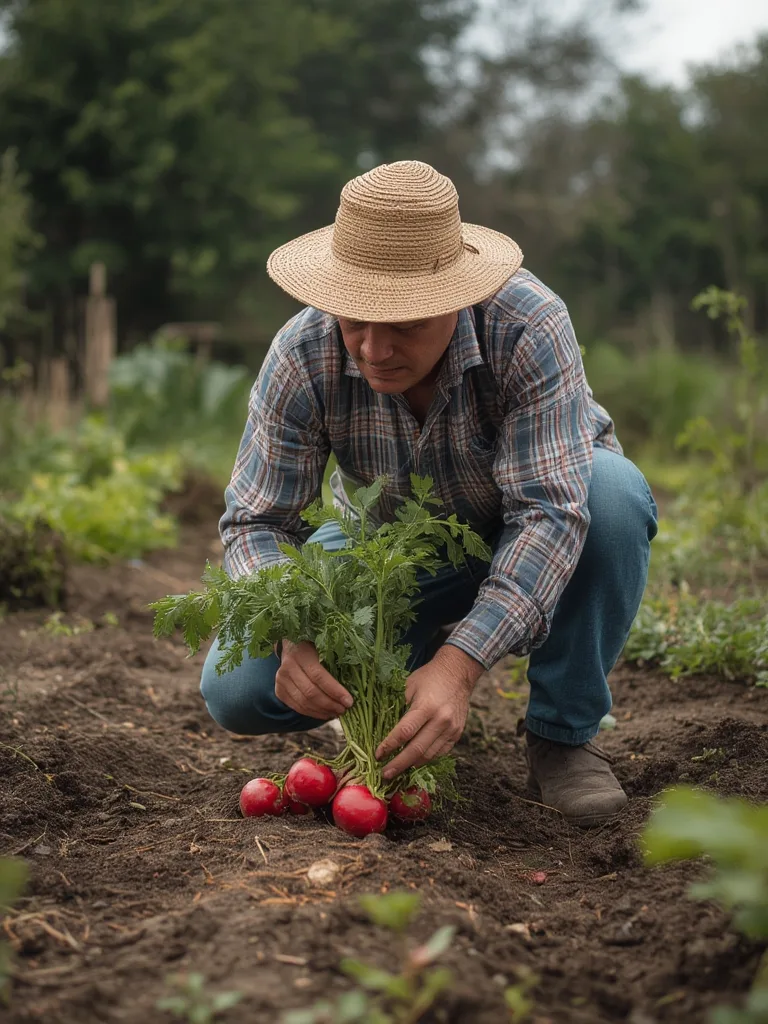
Prepare your soil: Loosen soil to a depth of 6 inches, removing rocks and breaking up clumps. Mix in compost for better drainage and nutrients. For containers, use quality potting mix.
Plant seeds: Sow seeds ½ inch deep and 1 inch apart in rows. For continuous harvests, plant small batches every 7-10 days rather than all at once. Pro tip: Mix radish seeds with carrot seeds – the radishes will mark the rows and be harvested before the carrots need the space.
Water gently: Keep soil consistently moist but not waterlogged. Use a fine spray to avoid washing away seeds. Morning watering reduces fungal issues.
Thin seedlings: When seedlings reach 1 inch tall, thin them to 2 inches apart. Don’t discard the thinnings – they’re delicious in salads!
Monitor growth: Radishes grow quickly and don’t need much intervention. Check soil moisture daily, especially in hot weather.
Harvest at peak: Pull radishes when the roots are about 1 inch in diameter (check by gently brushing away top soil). Don’t wait too long – oversized radishes become woody and pungent.
Nutritional Benefits / Advantages
Radishes pack impressive nutritional punch for their size:
- Rich in vitamin C for immune support
- Contain potassium, folate, and riboflavin
- Provide dietary fiber for digestive health
- Low in calories but high in water content for hydration
- Contain antioxidants that may reduce inflammation
- Natural detoxifying properties support liver function
Tips, Alternative Methods, or Gardening Advice
- Container growing: Choose wide, shallow containers over deep ones. This Root vegetable don’t need much depth.
- Intercropping: Plant between slower-growing vegetables to maximize space.
- Indoor growing: Use a sunny windowsill or grow light for year-round harvests.
- Succession planting: Sow small batches every 7-10 days for continuous harvests.
- Seasonal varieties: Plant spring varieties (Cherry Belle, Easter Egg) in cool weather and winter varieties (Daikon, Black Spanish) for fall planting.
Common Mistakes to Avoid
- Overcrowding: Failing to thin seedlings leads to small, misshapen roots.
- Inconsistent watering: Causes splitting, cracking, and bitter flavor. Solution: Water regularly and mulch to retain moisture.
- Planting too deep: Seeds struggle to emerge. Solution: Plant just ½ inch deep.
- Growing in hot weather: High temperatures cause bolting (flowering) and bitter, woody roots. Solution: Plant in early spring and fall.
- Harvesting too late: Oversized radishes become woody and excessively spicy. Solution: Harvest when roots are 1 inch in diameter.
Storage / Maintenance Tips
- Remove tops before storing to prevent roots from becoming soft
- Store unwashed this Root vegetable in perforated plastic bags in the refrigerator for up to 2 weeks
- For longer storage, store in a box of moist sand in a cool, dark place
- Save the tops! Young, tender radish greens are edible and nutritious in stir-fries or pesto
- Maintain consistent soil moisture throughout the growing period
- No fertilizer is typically needed if soil is amended with compost
FAQs
How often should I water my radishes?
Check soil moisture daily and water when the top inch feels dry. Consistent moisture is key, but avoid waterlogging which can cause rot.
Can I grow radishes indoors?
Yes! Use a sunny window or grow light and containers at least 6 inches deep. Indoor radishes may take slightly longer to mature but still provide quick results.
Why are my radishes all leaves and no roots?
This usually indicates too much nitrogen in the soil or insufficient light. Use balanced compost rather than nitrogen-rich fertilizers and ensure plants receive at least 6 hours of sunlight daily.
Can I regrow radishes from kitchen scraps?
Unlike green onions or lettuce, radishes cannot regrow from their roots. However, you can let a few plants go to seed and collect the seeds for your next planting.
How can I make spicy radishes milder?
Harvest radishes young, grow them during cooler weather, and ensure consistent watering. For serving, soaking sliced radishes in ice water for an hour can reduce their peppery bite.
Conclusion
Growing radishes offers the perfect introduction to vegetable gardening with almost immediate gratification. Their rapid growth cycle makes them ideal for children’s gardens, small spaces, or anyone seeking a quick harvest win. Beyond their ease of growing, these crunchy vegetables add zest to salads, tacos, and countless other dishes. Why not start some seeds this weekend? Your future self will thank you in just a few weeks when you’re enjoying fresh, homegrown radishes that taste worlds apart from store-bought options.