6 Sweet Bell Pepper Tricks You’ll Love
Are you looking to elevate your home gardening game with a colorful, versatile vegetable that adds both beauty and nutrition to your meals? bell peppers are the perfect choice for both beginner and experienced gardeners alike. These vibrant, crunchy vegetables not only brighten up your garden but also pack a nutritional punch that makes growing them at home incredibly rewarding. Whether you have a spacious backyard or a small balcony, these six clever tricks will help you grow the most delicious sweet peppers right in your own home.
Table of Contents
Materials & Supplies
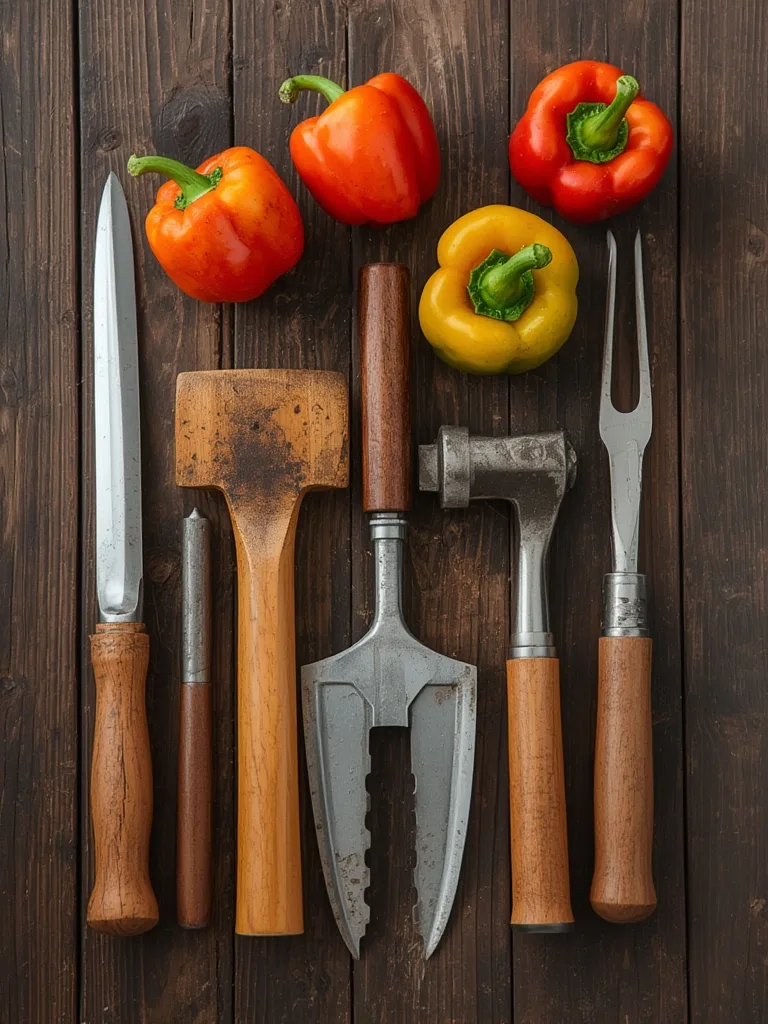
To get started on your bell pepper growing journey, you’ll need:
- High-quality pepper seeds or seedlings (California Wonder, Sweet Banana, and Bell Boy are excellent varieties)
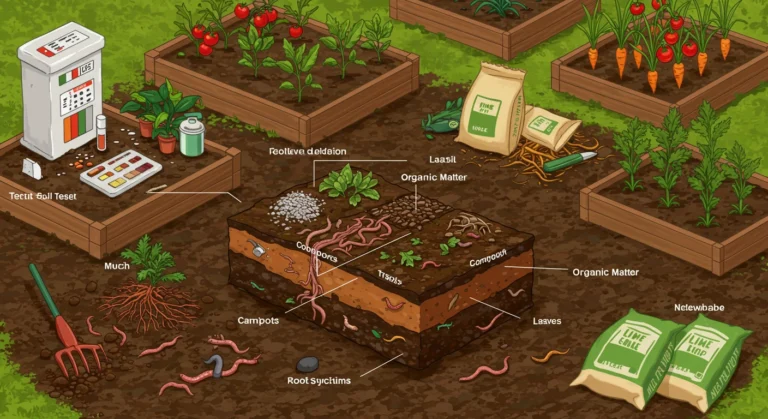
- Well-draining potting soil with organic matter
- Containers (at least 12 inches deep) or garden bed space
- Slow-release vegetable fertilizer (5-10-10 formula works best)
- Garden stakes or cages for support
- Watering can with gentle spray
- pH testing kit (peppers prefer slightly acidic soil with pH 6.0-7.0)
- Pruning shears for harvesting
- Organic mulch (optional but recommended)
- Plastic wrap or garden cloche for temperature control (optional)
Timing / Growing Schedule
Bell peppers require patience but reward you generously. Start seeds indoors 8-10 weeks before the last spring frost for best results. The total growing period from seed to harvest spans approximately 60-90 days, depending on variety. Most bell peppers reach maturity in about 70-80 days after transplanting seedlings outdoors. This timeline is similar to tomatoes but slightly longer than lettuce or radishes, allowing you to plan your garden calendar accordingly.
Step-by-Step Instructions
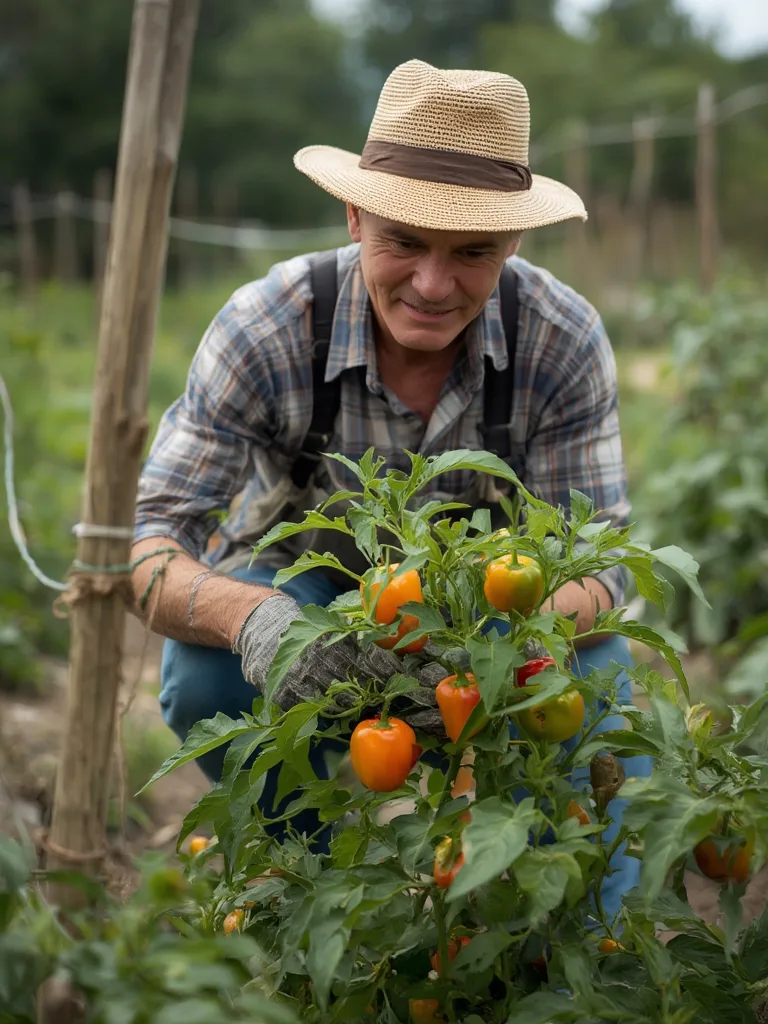
Seed Germination: Plant seeds ¼ inch deep in seed-starting mix. Keep soil consistently moist at 70-80°F for optimal germination. Pro tip: Use a heat mat to maintain ideal soil temperature and improve germination rates by up to 30%.
Seedling Care: Once seedlings develop their second set of true leaves, transplant to individual 4-inch pots. Gently handle seedlings by their leaves, not stems, to prevent damage.
Hardening Off: Two weeks before transplanting outdoors, gradually expose seedlings to outdoor conditions for increasing periods each day. This crucial step prevents transplant shock.
Transplanting: Space plants 18-24 inches apart in soil that’s warmed to at least 65°F. Plant slightly deeper than they were in their containers to encourage stronger root development.
Support System: Install stakes or cages when plants reach 12 inches tall to prevent stem breakage when heavy with fruit. Secure plants with soft garden ties in a figure-eight pattern to prevent stem damage.
Regular Care: Water deeply but infrequently, maintaining 1-2 inches of water weekly. Side-dress with fertilizer when first fruits appear for maximum yield.
Nutritional Benefits
Bell peppers are nutritional powerhouses, containing more vitamin C than oranges – one medium-sized red bell pepper provides 169% of your daily vitamin C needs. They’re also excellent sources of vitamin A, B6, and folate. Home-grown peppers contain higher antioxidant levels than store-bought varieties, particularly when allowed to ripen fully on the plant.
Tips and Alternative Methods
- Container Growing: Choose deep pots (minimum 12 inches) with drainage holes for balcony or patio growing.
- Companion Planting: Grow alongside basil or marigolds to deter pests naturally.
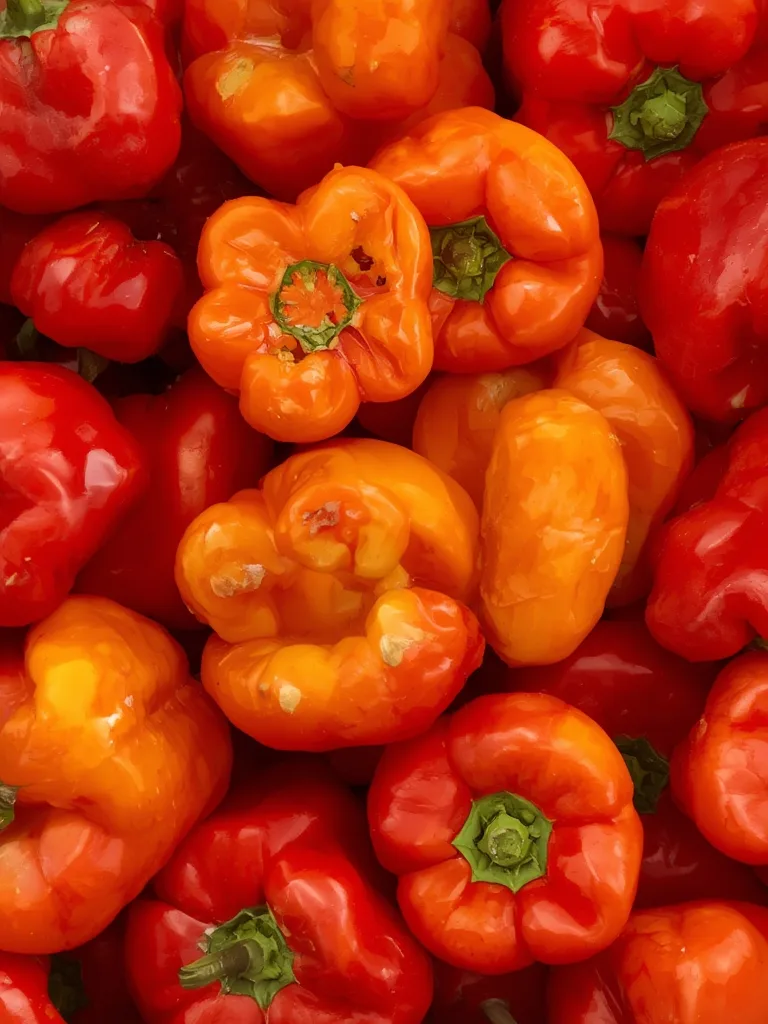
- Color Variations: Allow green peppers to remain on plants longer for yellow, orange, or red varieties with sweeter flavors and higher vitamin content.
- Indoor Growing: Choose compact varieties like “Mini Bell” for year-round indoor growing under grow lights.
Common Mistakes to Avoid
- Overwatering: Leads to root rot and blossom end rot. Solution: Allow soil to dry out slightly between waterings.
- Temperature Stress: Temperatures above 90°F or below 50°F cause blossom drop. Solution: Use row covers or shade cloth during extreme weather.
- Harvesting Too Early: Reduces flavor and nutritional value. Solution: Wait until peppers reach full size and begin changing color for maximum sweetness.
- Insufficient Calcium: Causes blossom end rot. Solution: Add crushed eggshells to the soil or use a calcium spray.
Storage / Maintenance Tips
Store harvested peppers in the refrigerator crisper drawer for up to two weeks or freeze for long-term storage. For ongoing care, prune away yellowing leaves, maintain consistent watering, and apply a layer of mulch to retain moisture. Pinch off the first few flower buds to encourage stronger plant growth before allowing fruiting.
FAQs
How long do bell pepper plants produce fruit?
With proper care, bell pepper plants can continue producing for 3-4 months in most climates, and even year-round in warm regions or indoor environments.
Can I grow bell peppers from store-bought pepper seeds?
Yes, but results vary. Seeds from store-bought peppers (especially organic ones) can grow, but they may not produce plants identical to the parent due to hybridization.
Why are my bell peppers small?
Small peppers typically result from insufficient nutrients, inadequate water, or crowded planting. Ensure plants receive regular fertilization and 1-2 inches of water weekly.
Do bell peppers need full sun?
Yes, bell peppers require 6-8 hours of direct sunlight daily for optimal growth and fruit production. In very hot climates, light afternoon shade can be beneficial.
Conclusion
Growing bell peppers at home offers immense satisfaction along with nutritional benefits that far exceed store-bought options. By following these six clever tricks, you’ll be well on your way to harvesting colorful, sweet peppers right from your garden or container. The versatility of these plants makes them perfect for any growing situation. Ready to get started? Share your bell pepper growing journey with us in the comments below or check out our related posts on companion planting for peppers!