6 Easy Zucchini Hacks for Summer Gardens
Have you ever found yourself overwhelmed with an abundance of zucchini in your summer garden? You’re not alone! This prolific vegetable can quickly transform from a few seedlings into a veritable green avalanche. Fortunately, there are simple yet effective ways to maximize your zucchini harvest and make the most of this versatile summer squash. Growing zucchini at home not only provides you with fresh, organic produce but also offers a rewarding gardening experience that requires minimal space and effort.
Table of Contents
Materials & Supplies
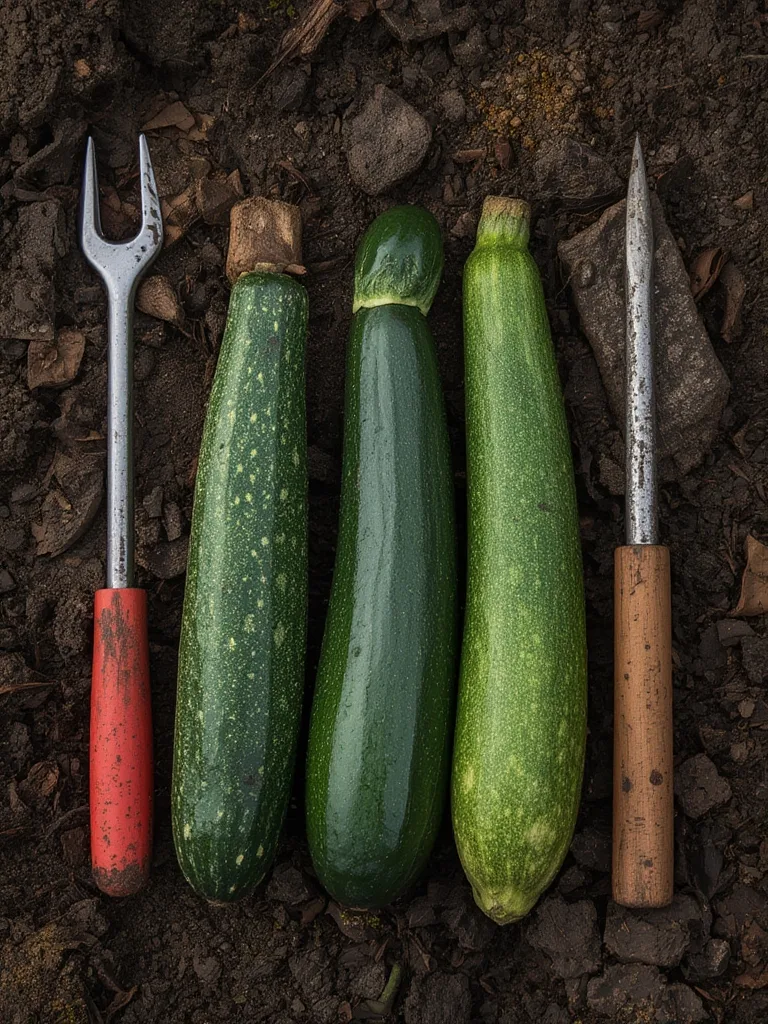
To successfully implement these zucchini hacks, you’ll need:
- Zucchini seeds or seedlings (Black Beauty or Cocozelle varieties work well)
- Rich, well-draining soil or compost
- Garden bed or large containers (minimum 5-gallon size)
- Trellis or support structures (for vertical growing)
- Watering can or drip irrigation system
- Organic fertilizer or compost tea
- Pruning shears
- Mulch (straw or leaf mulch works best)
- Row covers or netting (optional for pest protection)
- Hand pollination tools: small paintbrush or cotton swab (optional)
Timing / Growing Schedule
Zucchini is a warm-season crop that grows quickly. Start seeds indoors 3-4 weeks before your last frost date, or sow directly when soil temperatures reach 70°F (21°C). Most varieties mature within 45-55 days after planting, significantly faster than other garden vegetables like tomatoes (80+ days) or peppers (70+ days). For a continuous harvest, stagger plantings every 2-3 weeks until midsummer.
Step-by-Step Instructions
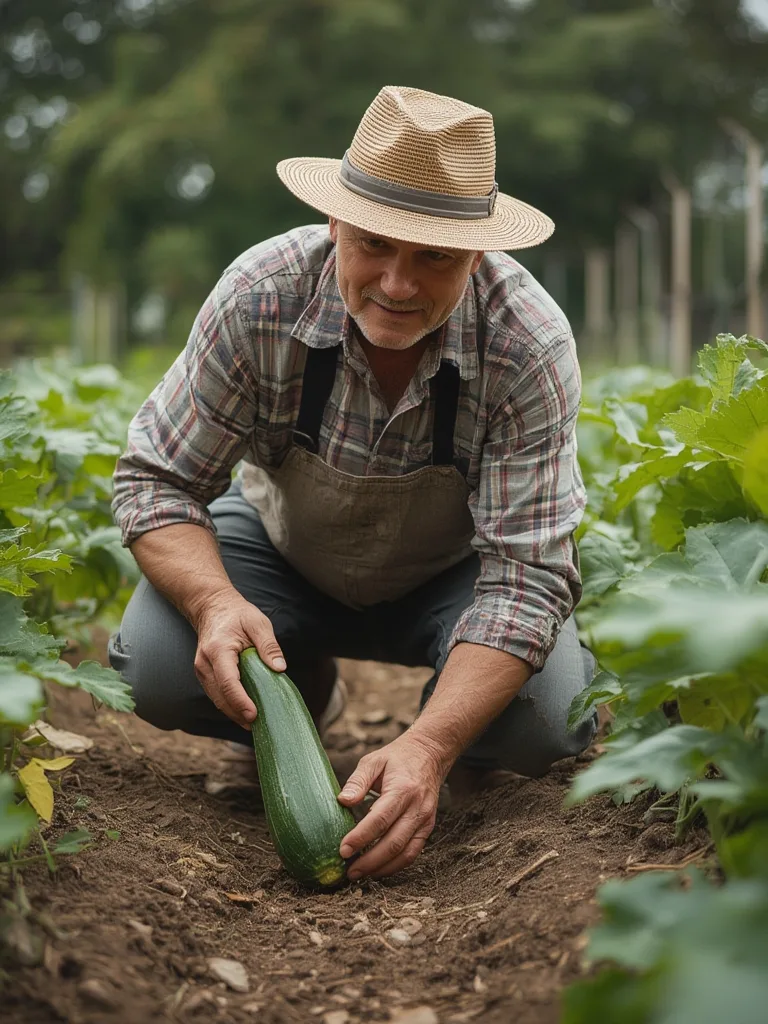
Vertical Growing Hack: Train zucchini up trellises to save space and improve air circulation. Gently secure stems with soft plant ties as they grow, and place developing fruits in mesh slings to support their weight.
Strategic Pruning: Remove lower leaves that touch the soil to prevent disease. Limit each plant to 3-4 main stems for improved productivity and air flow.
Hand Pollination Technique: Increase fruit set by transferring pollen from male flowers (long stems, no fruit behind them) to female flowers (short stems with tiny fruit behind them) using a paintbrush during early morning hours.
Water at the Base: Implement drip irrigation or soaker hoses to deliver water directly to roots. This reduces fungal issues and conserves water by up to 30% compared to overhead watering.
Harvest Frequently: Pick zucchini when they’re 6-8 inches long for optimal tenderness and to stimulate continued production. Even a two-day harvest delay can result in oversized fruits.
Companion Planting Strategy: Plant nasturtiums, marigolds, or radishes nearby to deter common pests like squash bugs and cucumber beetles naturally.
Nutritional Benefits
Zucchini is a nutritional powerhouse, containing high levels of vitamin C, potassium, and antioxidants. With only 17 calories per cup, it’s an excellent choice for health-conscious gardeners. Home-grown zucchini typically contains 25% more nutrients than store-bought varieties due to fresher consumption and optimal harvest timing.
Tips and Alternative Methods
For container gardening, choose bush varieties like ‘Astia’ or ‘Patio Star’ that require less space. In hot climates, provide afternoon shade to prevent wilting and blossom end rot. Consider interplanting summer squash with corn and beans in a traditional “Three Sisters” method to maximize space and improve soil fertility naturally.
Common Mistakes to Avoid
- Overcrowding: Plant zucchini 2-3 feet apart to prevent competition and disease issues.
- Inconsistent Watering: Maintain even soil moisture to prevent bitterness and misshapen fruits.
- Ignoring Powdery Mildew: At first sign of white powder on leaves, apply a baking soda solution (1 tbsp per gallon of water) to prevent spread.
- Late Harvesting: Check plants daily during peak season to catch fruits at their prime.
Storage / Maintenance Tips
Store harvested zucchini unwashed in a perforated plastic bag in the refrigerator for up to one week. For longer storage, blanch and freeze sliced zucchini or shred and freeze in measured portions for baking. Keep plants producing by feeding with compost tea every 3-4 weeks.
FAQs
Why are my zucchini flowers falling off without producing fruit?
This is typically due to poor pollination. Try hand-pollinating during morning hours or attracting more bees with flowering companion plants.
Can I grow zucchini in partial shade?
Yes, though they prefer full sun. In partial shade, expect about 25% reduced yield but potentially longer production in hot climates.
How do I prevent squash vine borers?
Wrap stems with aluminum foil at soil level, practice crop rotation, and consider using floating row covers until flowering begins.
What’s the difference between zucchini and other summer squash varieties?
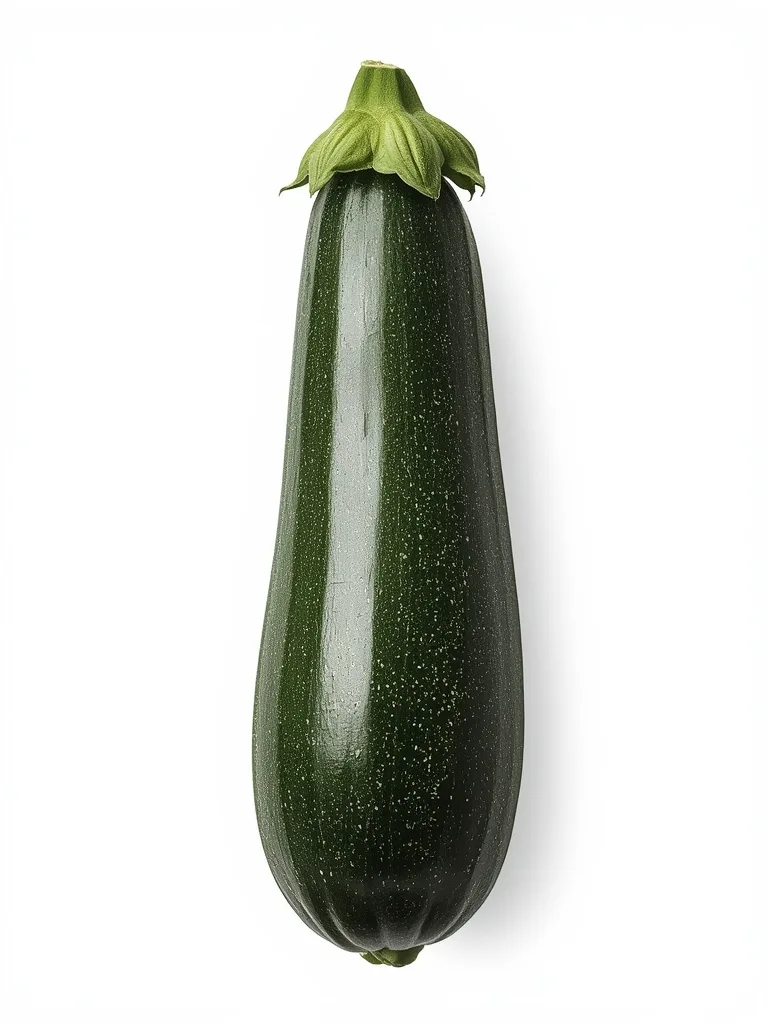
Zucchini is a type of summer squash with a straight shape and dark green skin, while other varieties like yellow crookneck or pattypan have different shapes and colors but similar growing requirements.
Conclusion
These six zucchini hacks can transform your summer garden from good to exceptional, providing an abundance of nutritious vegetables with minimal effort. By implementing vertical growing, strategic pruning, and consistent harvesting techniques, you’ll enjoy a steady supply of perfect summer squash all season long. We’d love to hear which hack works best for you – share your results in the comments below or check out our related posts on companion planting and preserving summer harvests!