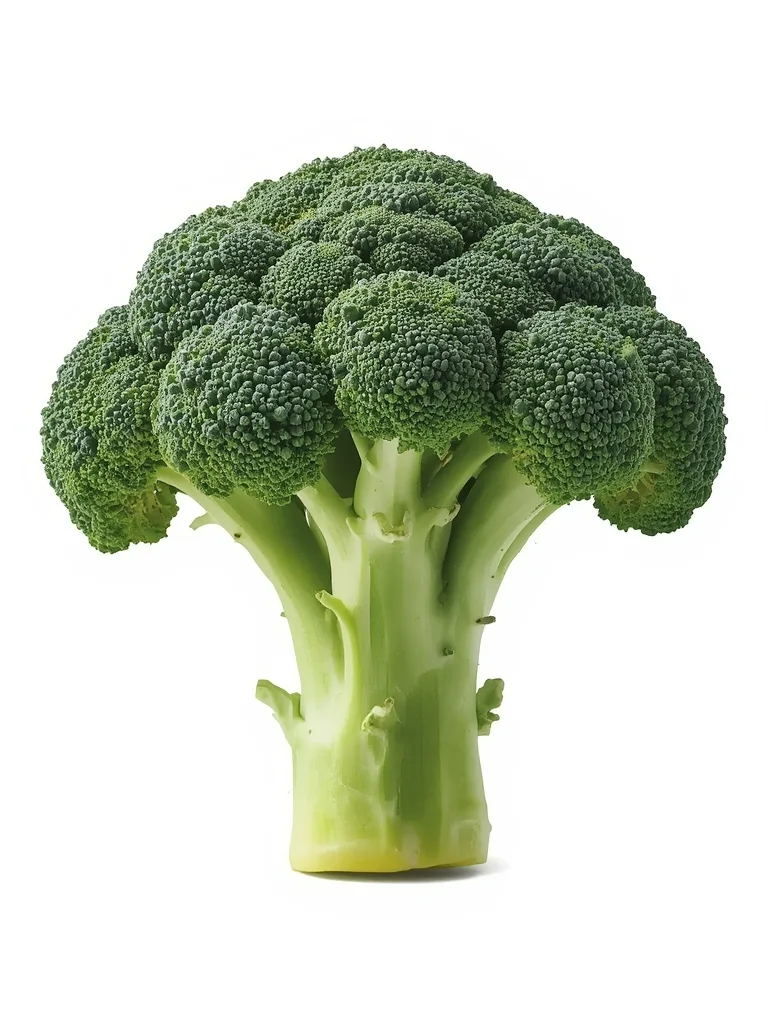
5 Smart Broccoli Tricks for Healthy Growth
Ever wondered how to grow those perfect, grocery store-quality broccoli heads right in your backyard? Growing broccoli at home isn’t just economical, it’s incredibly rewarding. As a cool-season crop packed with nutrients, homegrown broccoli offers fresher flavor and higher nutritional value than store-bought alternatives. With the right techniques, even beginners can master growing this versatile vegetable and enjoy multiple harvests from a single planting. Let’s explore how to successfully cultivate thriving garden broccoli with these smart growing tricks.
Table of Contents
Materials & Supplies
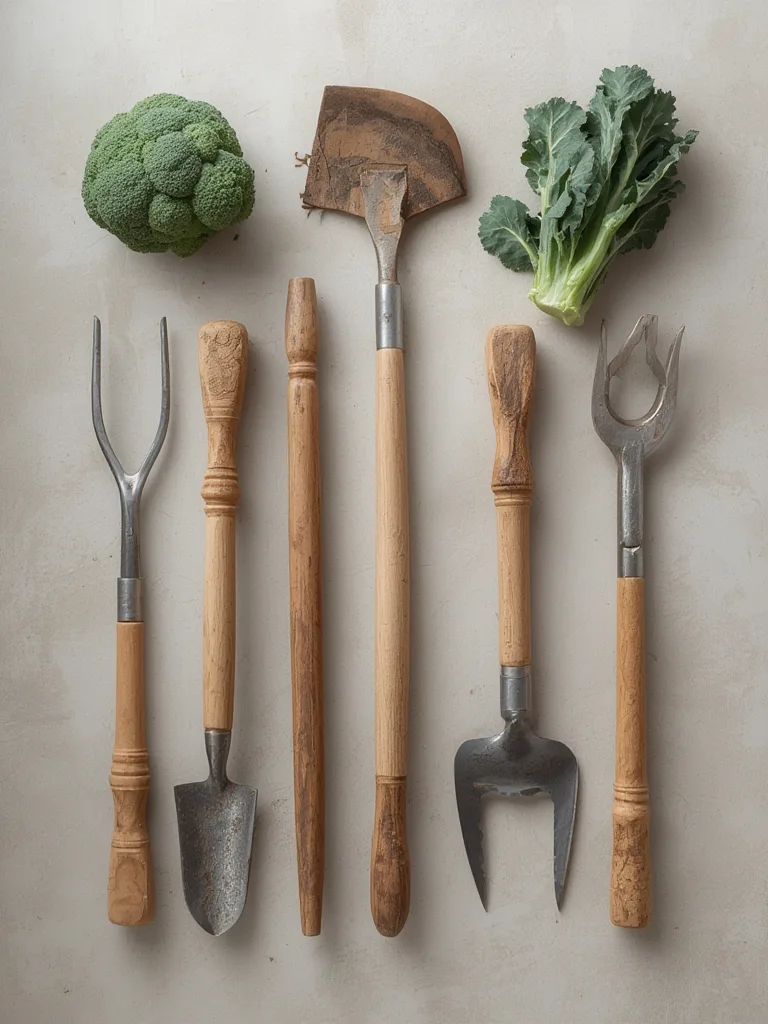
To get started with your broccoli growing journey, gather these essential supplies:
- Broccoli seeds or seedlings: Choose varieties suited to your climate (Calabrese, Destiny, or Belstar are popular choices)
- Garden soil or potting mix: Nitrogen-rich with pH between 6.0-7.0
- Compost or aged manure: For soil enrichment
- Container or garden bed: At least 12 inches deep
- Watering can or irrigation system: For consistent moisture
- Organic fertilizer: Balanced NPK formula (10-10-10)
- Row covers or garden fabric: For pest protection
- Garden trowel and gloves: For planting and maintenance
- Garden stakes: For support as plants grow
- Plant markers: To identify different varieties
Timing / Growing Schedule
Broccoli thrives in cool weather, making spring and fall the ideal growing seasons. For spring harvest, start seeds indoors 6-8 weeks before your last frost date. For fall harvest, sow seeds 85-100 days before your first fall frost. The total growing time from seed to harvest averages 60-100 days depending on the variety. Compare this to faster-growing lettuce (30 days) or slower cabbage (120+ days) to plan your garden rotation effectively.
Step-by-Step Instructions
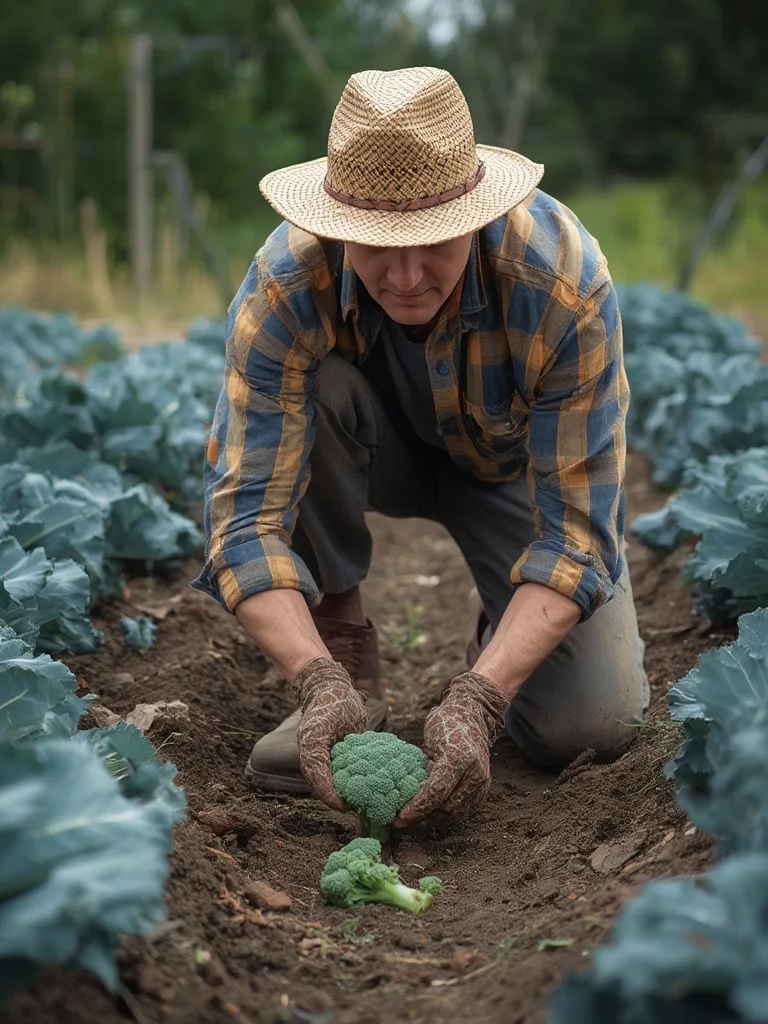
- Prepare your growing area: Loosen soil to 12 inches deep and mix in 2-3 inches of compost. Pro tip: Add crushed eggshells to prevent clubroot disease.
- Start seeds or transplant: Sow seeds ¼ inch deep, or plant seedlings 18 inches apart with 24 inches between rows. Secret trick: Dip seedling roots in mycorrhizal fungi solution to boost root development.
- Water consistently: Provide 1-1.5 inches of water weekly. Smart move: Water at soil level to prevent crown rot and fungal issues.
- Apply mulch: Add 2-3 inches of organic mulch around plants. Time-saver: This reduces watering needs and suppresses weeds.
- Fertilize appropriately: Apply fish emulsion or compost tea every 3-4 weeks. Insider tip: Stop fertilizing once heads begin to form for better flavor.
Nutritional Benefits
Homegrown florets delivers exceptional nutritional benefits with higher vitamin C content than oranges. It’s packed with vitamin K, fiber, and cancer-fighting sulforaphane compounds. Studies show freshly harvested florets contains up to 50% more nutrients than store-bought versions that may have traveled thousands of miles. Growing your own also eliminates exposure to commercial pesticides.
Tips and Alternative Methods
Consider these variations for different growing situations:
- Container growing: Use 5-gallon containers for balcony or patio gardens
- Companion planting: Grow alongside herbs like dill and mint to repel pests naturally
- Succession planting: Stagger plantings 2-3 weeks apart for continuous harvest
- Microclimate management: Use north-facing walls in hot regions to provide afternoon shade
- Winter growing: Select cold-hardy varieties like ‘Waltham 29’ for extended seasons
Common Mistakes to Avoid
- Ignoring temperature needs: Broccoli exposed to temperatures above 80°F will bolt (flower prematurely). Solution: Provide afternoon shade during heat waves.
- Inconsistent watering: Leads to woody stems and bitter taste. Fix: Implement drip irrigation for steady moisture.
- Planting too closely: Causes poor air circulation and disease. Remedy: Thin plants to proper spacing.
- Neglecting pest control: Cabbage worms can devastate crops. Prevention: Install floating row covers after planting.
Storage / Maintenance Tips
Harvest main broccoli heads when buds are tight and dark green. Cut stems at a 45° angle, leaving 5-6 inches of stem attached. After harvesting the main head, side shoots will develop for multiple harvests. Store freshly harvested florets unwashed in the refrigerator for up to 7 days, or blanch and freeze for 12 months. For ongoing care, regularly remove yellowing leaves and check for pests weekly.
FAQs
Why are my broccoli heads small?
Small heads usually result from heat stress or nitrogen deficiency. Ensure consistent watering, provide afternoon shade during heat waves, and apply nitrogen-rich fertilizer during the growing phase.
Can broccoli be grown indoors?
Yes, with sufficient light (16+ hours of grow lights daily), proper containers (minimum 5 gallons), and cooler temperatures. Choose compact varieties like ‘Green Magic’ for indoor success.
How do I prevent broccoli from bolting?
Plant during cooler seasons, provide shade during heat spells, ensure consistent moisture, and select bolt-resistant varieties like ‘Belstar’ or ‘Marathon’.
Is it normal for broccoli to attract so many pests?
Yes, brassicas naturally attract certain insects. Implement integrated pest management by introducing beneficial insects, using row covers, and practicing crop rotation to minimize pest pressure.
Can I save seeds from my broccoli plants?
Yes, but this florets is cross-pollinating, so allow chosen plants to flower completely, then collect seeds when pods turn brown and dry. Note that hybrid varieties won’t grow true to type in subsequent seasons.
Conclusion
Growing broccoli at home transforms your garden into a nutritional powerhouse while providing satisfying harvests that outshine grocery store offerings. By following these smart growing techniques, you’ll enjoy multiple harvests of crisp, flavorful broccoli heads and tender side shoots. Ready to start your broccoli growing adventure? Share your growing experiences in the comments below or explore our related posts on companion vegetables for your garden plan!