5 Juicy Tomato Tips for a Perfect Harvest
Ever wondered how to grow plump, flavorful juicy red fruit that rival those at the farmers’ market? Growing your own tomatoes is not only satisfying but also ensures you’re getting the freshest produce possible without harmful pesticides. Whether you’re a seasoned gardener or just starting out, these five tips will help you achieve a bountiful harvest that will elevate your summer salads, sandwiches, and sauces to new heights.
Table of Contents
Materials & Supplies
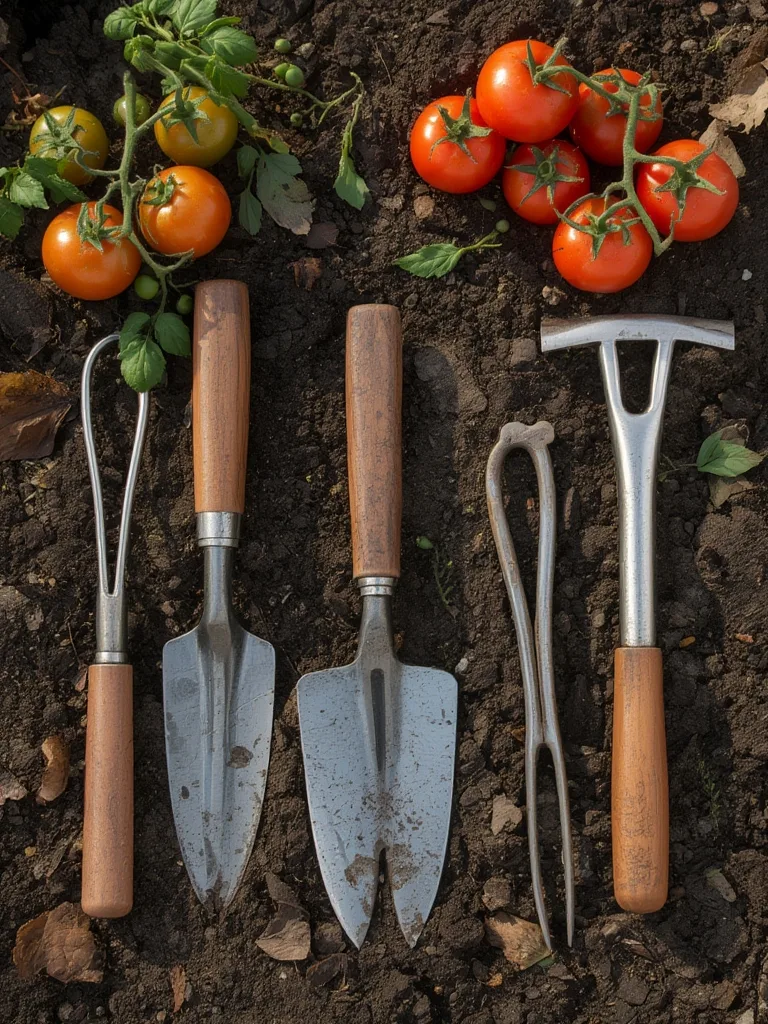
To grow healthy this salad fruit, you’ll need:
- Tomato seeds or seedlings (varieties like Beefsteak, Roma, or cherry tomatoes)
- Nutrient-rich potting soil or garden soil amended with compost
- Containers (minimum 5-gallon size) or garden bed space
- Tomato cages or stakes for support
- Slow-release organic fertilizer
- Watering can or irrigation system
- Pruning shears
- Mulch (straw or wood chips work well)
- Optional: Row covers for early season protection
Timing / Growing Schedule
Tomatoes thrive in warm weather, requiring a growing season of 70-85 days depending on the variety. Start seeds indoors 6-8 weeks before your last frost date. Transplant seedlings outdoors when nighttime temperatures consistently stay above 50°F (10°C). Most gardeners can expect to harvest their first tomatoes about 60-80 days after transplanting. In warmer climates, you may enjoy this salad fruit from early summer through fall, while cooler regions might have a shorter harvest window of mid-summer to early fall.
Step-by-Step Instructions
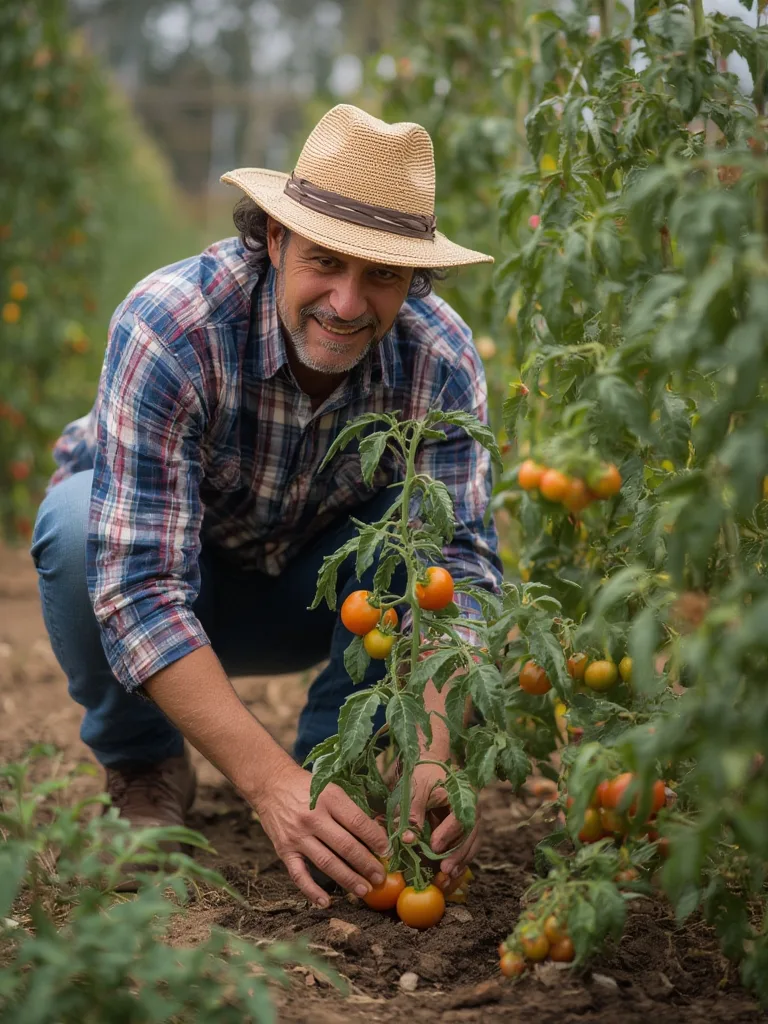
Start with healthy plants: Choose disease-resistant varieties suited to your climate. Bury seedlings deeply, up to their first set of true leaves, to develop stronger root systems.
Plant in the right location: Select a spot that receives at least 6-8 hours of direct sunlight. This salad fruit love heat and light!
Provide proper support: Install cages or stakes at planting time to avoid disturbing roots later. This prevents fruit from touching the ground and reduces disease.
Water consistently: Deliver about 1-2 inches of water weekly directly to the soil, not the leaves. Inconsistent watering can cause fruit splitting and blossom end rot.
Feed appropriately: Apply a balanced organic fertilizer when planting, then switch to a phosphorus-rich formula when flowering begins to encourage fruit production.
Nutritional Benefits
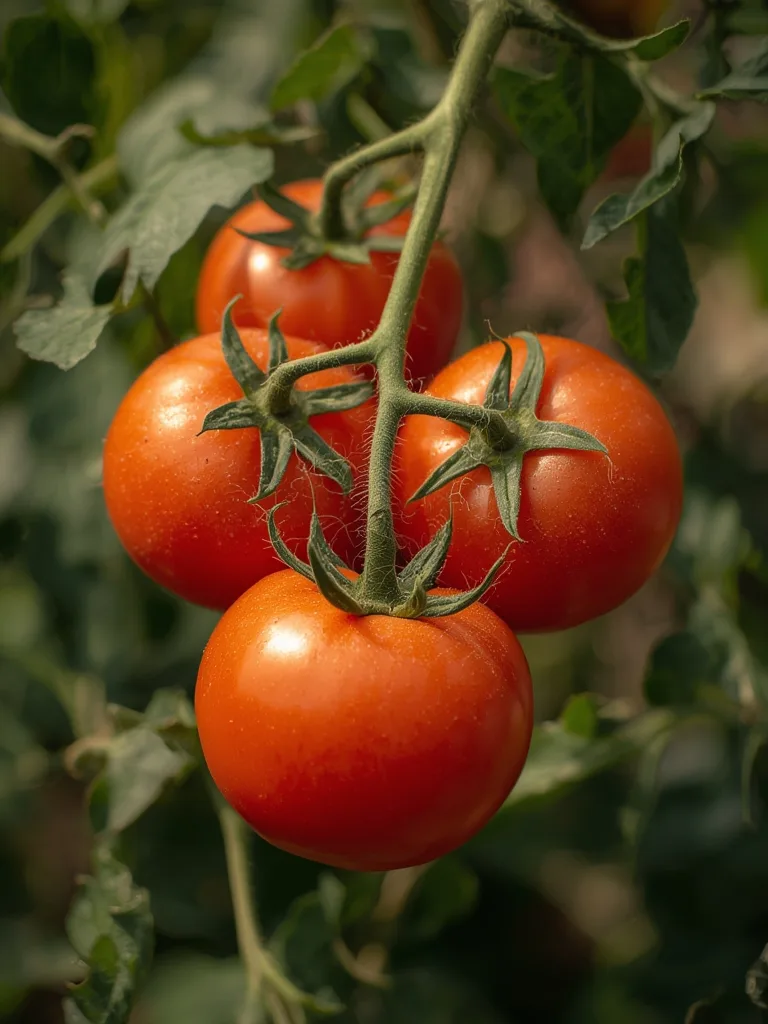
Homegrown tomatoes pack a nutritional punch with high levels of vitamins C, K, and potassium. They’re also rich in lycopene, a powerful antioxidant linked to reduced risk of heart disease and certain cancers. Growing your own means you can harvest at peak ripeness, when nutrient levels are highest, unlike store-bought varieties that are often picked green.
Tips and Alternative Methods
Consider growing determinate varieties in containers if space is limited. These compact plants produce all their fruit within a few weeks. For year-round harvests, try growing smaller varieties indoors on a sunny windowsill. In hot climates, provide afternoon shade to prevent sunscald. Try companion planting with basil to improve flavor and deter pests naturally.
Common Mistakes to Avoid
- Overwatering: Soggy soil leads to root rot and fungal diseases. Check soil moisture before watering.
- Overcrowding: Space plants 24-36 inches apart for proper air circulation.
- Neglecting to prune: Remove suckers (shoots that grow in the crotch between branches) to focus the plant’s energy on fruit production.
- Over-fertilizing: Too much nitrogen produces lush foliage but few tomatoes.
Storage / Maintenance Tips
Store harvested salad fruit at room temperature, not in the refrigerator, for best flavor. For ongoing care, mulch around plants to retain moisture and suppress weeds. Remove lower leaves that touch the soil to prevent disease spread. Harvest regularly to encourage continued production. At season’s end, remove plants completely to prevent disease carryover to next year.
FAQs
Why are my tomato leaves turning yellow?
Yellowing leaves often indicate nutrient deficiencies, particularly nitrogen. Apply a balanced organic fertilizer and ensure consistent watering.
How do I prevent tomato blossom end rot?
Maintain even soil moisture and ensure adequate calcium by adding crushed eggshells to your soil or using a calcium-rich fertilizer.
Can I grow tomatoes in pots?
Absolutely! Choose determinate varieties or cherry tomatoes for containers at least 5 gallons in size with good drainage.
When is the best time to harvest tomatoes?
Harvest when fruits are firm and fully colored but still slightly yielding to gentle pressure. Morning harvesting provides the best flavor.
How can I extend my tomato growing season?
Use row covers or plastic tunnels to protect plants from early and late season cold snaps, effectively adding weeks to your growing season.
Conclusion
Growing your own tomatoes is one of gardening’s greatest rewards. With these five key tips—proper planting, consistent watering, adequate support, appropriate feeding, and vigilant care—you’ll be enjoying juicy, flavorful harvests in no time. Ready to get started? Grab some seeds or seedlings and taste the difference homegrown can make! Don’t forget to share your tomato successes in the comments below.