20 Inspiring Gardening Ideas
20 Inspiring Gardening Ideas for Your Lawn and Vegetable Garden
Gardening is not just a hobby; it’s a lifestyle that connects us with nature and enhances our living spaces. Whether you have a sprawling backyard or a cozy balcony garden, integrating well-thought-out landscaping can elevate your home décor and create a natural oasis right outside your door.
In this article, you’ll discover practical and inspiring gardening concepts, explore various garden layouts, and delve into creative ideas for cultivating a vibrant veggie garden.
You’ll also gain insights into how to make your gardening experience sustainable and appealing while aligning with your home’s aesthetic. Let’s dig into these enriching ideas that will help you enjoy the beauty of gardening.
Table of Contents
Why Gardening Is Trending in Modern Homes
The trend toward gardening in modern homes reflects a broader movement towards natural living and sustainability. More homeowners are recognizing the benefits of having gardens that not only beautify their properties but also provide practical advantages. Here are some reasons why gardening is gaining popularity:
- Health Benefits: Gardening is a physically engaging activity that promotes exercise and mental well-being. Studies have shown that spending time in nature can reduce stress levels and enhance mood.
- Local Food Production: With the rise of home vegetable gardens, individuals are becoming more interested in where their food comes from. Growing your own vegetables ensures access to fresh, organic produce.
- Aesthetic Value: A well-maintained garden adds to the visual appeal of any home. It can serve as an outdoor extension of your décor style, whether modern, rustic, or minimalist.
How to Design a Beautiful Lawn and Vegetable Garden
Creating a garden that harmonizes with your home’s style can be quite rewarding. Here are some practical steps to help you design a cohesive and beautiful lawn and veggie garden:
Assess Your Space
- Measure your garden area: Start by measuring the outdoor space you have available. This initial assessment helps you decide what plants to incorporate.
- Consider sunlight and shade: Observe how much sunlight different areas of your yard receive throughout the day. This will help determine which plants will thrive in those spots.
Choose Your Garden Layout
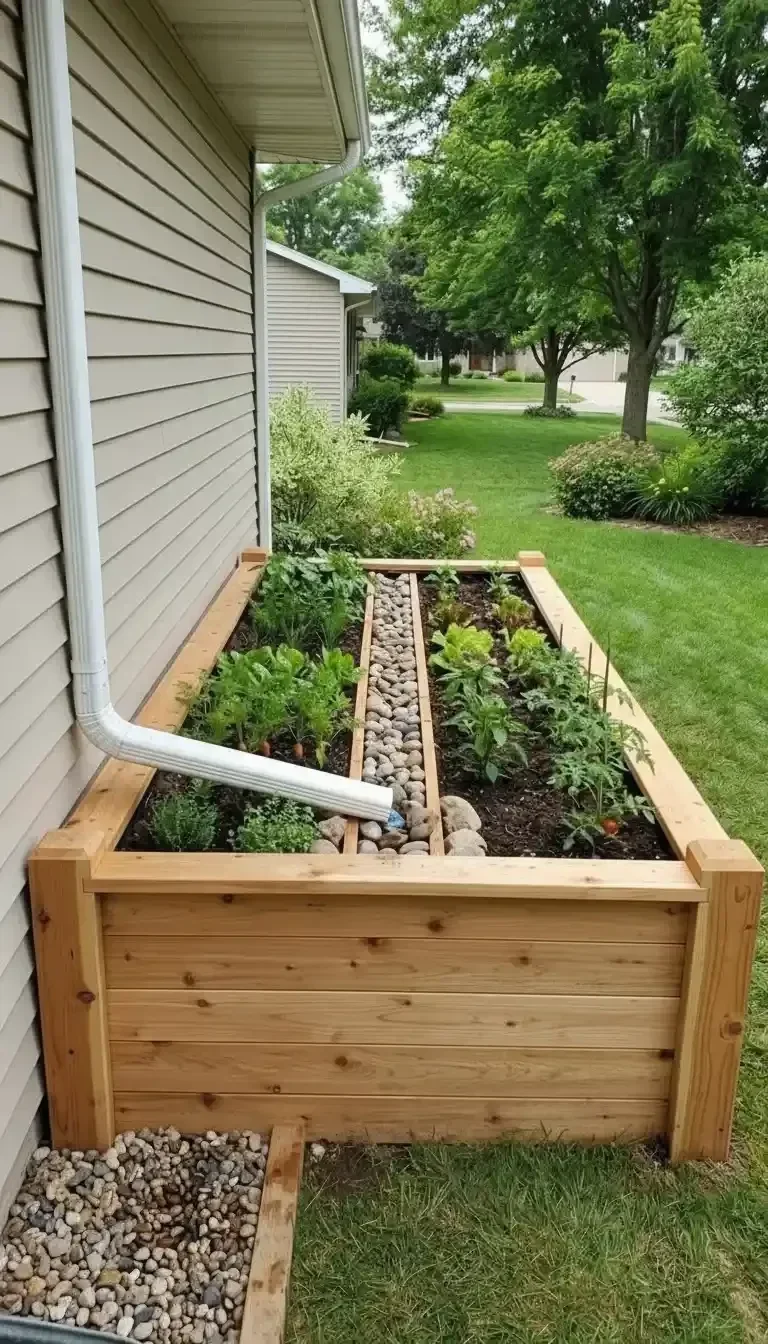
- Raised Garden Beds: Raised beds can be placed strategically throughout your yard, perfect for growing vegetables. They not only add character but also improve drainage.
- Vertical Gardens: For smaller spaces, consider vertical structures or wall gardens. These can be adorned with climbing plants, which save space while providing an impressive visual display.
Select Plants Wisely
- Start with Native Plants: Utilizing native plants can make your garden easier to maintain, as they are adapted to your climate and soil type.
- Mix Vegetables with Flowers: Intermixing vegetables and flowers can be particularly visually appealing. Marigolds, for example, are beneficial for pest control while adding vibrant color to your garden.
Best Color Palettes for Your Garden
Color plays a significant role in the aesthetic of your garden. Choosing the right color palette can turn your lawn into a work of art. Here are a few color schemes to consider:
Soft Pastels
Gentle hues such as pale pinks, light greens, and soft yellows create a serene and calming environment, perfect for a cozy garden space.
Bold and Bright
If you’re looking to make a statement, opt for vivid colors like deep reds, electric blues, and sunny yellows. A bold palette can create a lively atmosphere.
Earthy Tones
For a natural, rustic appeal, choose earthy colors like browns, greens, and soft taupes. These tones blend beautifully with greenery and create a harmonious outdoor space.
Decorating Tips for Small Garden Spaces
Even small areas can be transformed into a charming garden with the right styling. Here are some essential tips for decorating smaller garden spaces:
- Use Multi-functional Furniture: Choose garden furniture that has storage capabilities. Benches that open can make efficient use of space.
- Implement Mirrors: Strategically placed mirrors can create an illusion of depth and make your garden appear larger.
- Planters at Varying Heights: Elevating plants in different heights can create visual interest and maximize the available vertical space.
Common Mistakes to Avoid
While gardening can be a delightful experience, there are common pitfalls that can hinder your progress. Here are some mistakes to watch out for:
- Overcrowding Plants: Ensure that your plants have enough space to grow. Crowded plants can compete for resources and may not thrive.
- Ignoring Soil Quality: Pay attention to the soil quality and amend it as necessary. Healthy soil is essential for plant growth.
- Neglecting Maintenance: Regularly check your garden for weeds, pests, and watering needs. Neglect can lead to larger issues down the road.
20 Inspiring Gardening Ideas
Here are 20 practical and creative ideas to inspire your gardening journey:
1. Container Veggie Garden
Description: Use decorative pots and containers to grow your favorite vegetables.
Styling Tip: Group pots at varying heights for added visual interest.
2. Herb Spiral
Description: Create an herb spiral for cozy herb gardening.
Styling Tip: Incorporate stones or bricks to form a spiral shape.
3. Vertical Trellis
Description: Utilize trellises for climbing vegetables and flowers.
Styling Tip: Paint the trellis in a complementary color to your house.
4. Gnome Garden
Description: Add whimsical gnome figures throughout your garden.
Styling Tip: Place them in unexpected spots for a playful feel.
5. Butterfly Garden
Description: Plant flowers that attract butterflies and bees.
Styling Tip: Include a variety of bloom times to ensure year-round appeal.
6. Drip Irrigation
Description: Set up a drip irrigation system to conserve water.
Styling Tip: Conceal tubing within garden beds for a clean look.
7. Edible Landscaping
Description: Incorporate edible plants such as strawberries and blueberries into traditional landscape design.
Styling Tip: Use flowering varieties as focal points.
8. Fairy Garden
Description: Create a tiny fairy garden within a pot or designated area.
Styling Tip: Use miniature furniture and tiny decorative elements.
9. Colorful Fence
Description: Paint your garden fence a vibrant color.
Styling Tip: Choose a hue that complements your home and garden palette.
10. Compost Corner
Description: Set up a small compost area for organic waste recycling.
Styling Tip: Use pallets for a rustic look.
11. Tree Bench
Description: Install a bench around a tree.
Styling Tip: Use natural materials and keep the design simple.
12. Seasonal Displays
Description: Change your flower selections according to the season.
Styling Tip: Combine spring tulips with summer lilies for continuous bloom.
13. Pathway Ideas
Description: Create pathways using stones or gravel.
Styling Tip: Line the paths with low-growing flowers for added charm.
14. Rustic Wood Planters
Description: Build your own wooden planters for a rustic touch.
Styling Tip: Use reclaimed wood for sustainability.
15. Water Feature
Description: Integrate a small fountain or pond into your garden.
Styling Tip: Surround with lush greenery for a tranquil feel.
16. DIY Garden Art
Description: Create your own garden art using recycled materials.
Styling Tip: Colorful mosaics can brighten any garden.
17. Garden Lighting
Description: Install soft lighting to illuminate paths and plants.
Styling Tip: Use solar lights to minimize electrical usage.
18. Gravel Gardens
Description: Implement a low-maintenance gravel garden.
Styling Tip: Combine gravel with drought-resistant plants for easy care.
19. Succulent Wall
Description: Create a wall of succulents for a striking visual impact.
Styling Tip: Use variations in color and size for added interest.
20. Zen Garden
Description: Design a peaceful zen or rock garden for relaxation.
Styling Tip: Include a small seating area surrounded by gravel.
Expert Tips
Interior designers and gardening experts recommend the following actionable advice to enhance your gardening experience:
- Layering Textures: Utilize various plant textures to create depth. Pair smooth-leaved plants with those that have more coarse textures for a visual contrast.
- Mixing Natural Materials: Incorporate elements like wood, stone, and metal for a more organic look.
- Using Plants for Balance: Distribute plants of different heights and colors evenly across your garden to maintain harmony.
FAQs
What are the best vegetables for beginners to grow?
Start with easy-to-grow options like tomatoes, radishes, and lettuce, which thrive in various conditions.
How can I maximize my small garden space?
Use vertical gardening techniques and multi-functional pots to utilize every inch of your space effectively.
What are companion plants, and why should I use them?
Companion plants benefit one another when grown together, helping reduce pests and enhance growth, such as planting basil with tomatoes.
How often should I water my vegetable garden?
Most vegetable gardens require about one inch of water per week, adjusting for rainfall and dryness.
How do I prevent pests from invading my garden?
Employ natural pest deterrents like garlic spray or introduce beneficial insects like ladybugs into your garden.
Can I garden if I live in an apartment?
Absolutely! Use container gardening solutions or community gardens to cultivate your love for plants.
What are some easy flowers to grow in a garden?
Easy-to-grow flowers like sunflowers, marigolds, and zinnias are perfect for beginners and offer vibrant colors.
How do I create a sustainable garden?
Incorporate composting, native plants, and water conservation methods to encourage sustainability in your gardening efforts.
Suggested External Links
- The Ultimate Guide to Vegetable Gardening – Proven strategies for vegetable gardeners.
- Top 10 Gardening Essentials for Beginners – Tools and tips to kickstart your gardening journey.
Gardening is a journey that reflects your personality and green thumb. By implementing these ideas, from practical layouts to creative twists, you can cultivate a stunning space that doesn’t just beautify your home but also nurtures your connection to nature. Happy gardening!